 Log into your account
 Register



The textile industry is a significant contributor to global water pollution, but it is currently shifting towards more sustainable practices. Traditional dyeing processes are often water-intensive and depend heavily on harmful chemicals, which is especially true in denim production. However, a new wave of eco-friendly dyeing techniques is emerging, offering a more sustainable and environmentally conscious approach to textile manufacturing. This article will explore the latest advancements in eco-friendly denim dyeing methods, highlighting their environmental benefits, technological innovations, and the potential for a more sustainable future within the textile industry.
A brief history of indigo dyeing in Europe
Though not originally from Europe, indigo has made a meaningful impact on the continent’s textile history. Its introduction—likely via trade routes with the East—ignited a fascination with this striking blue hue.
Before indigo’s arrival, European textile producers were already adept at using blue dyes. Chatars in Southern France had mastered the cultivation of woad, a plant that yielded a blue dye for fustian, a robust, affordable, and widely used fabric made from cotton, hemp, and linen. The Cathar movement, a Christian dualist or Gnostic sect, thrived in Southern Europe from the 12th to the 14th centuries.
In 1144, Cathars migrated to Northern Italy to escape persecution by the Catholic Church. While their beliefs were still seen as heretical, the movement was more tolerated in Italy. Along with their cultural practices, the Cathars brought knowledge of woad cultivation, enriching local dyeing traditions.
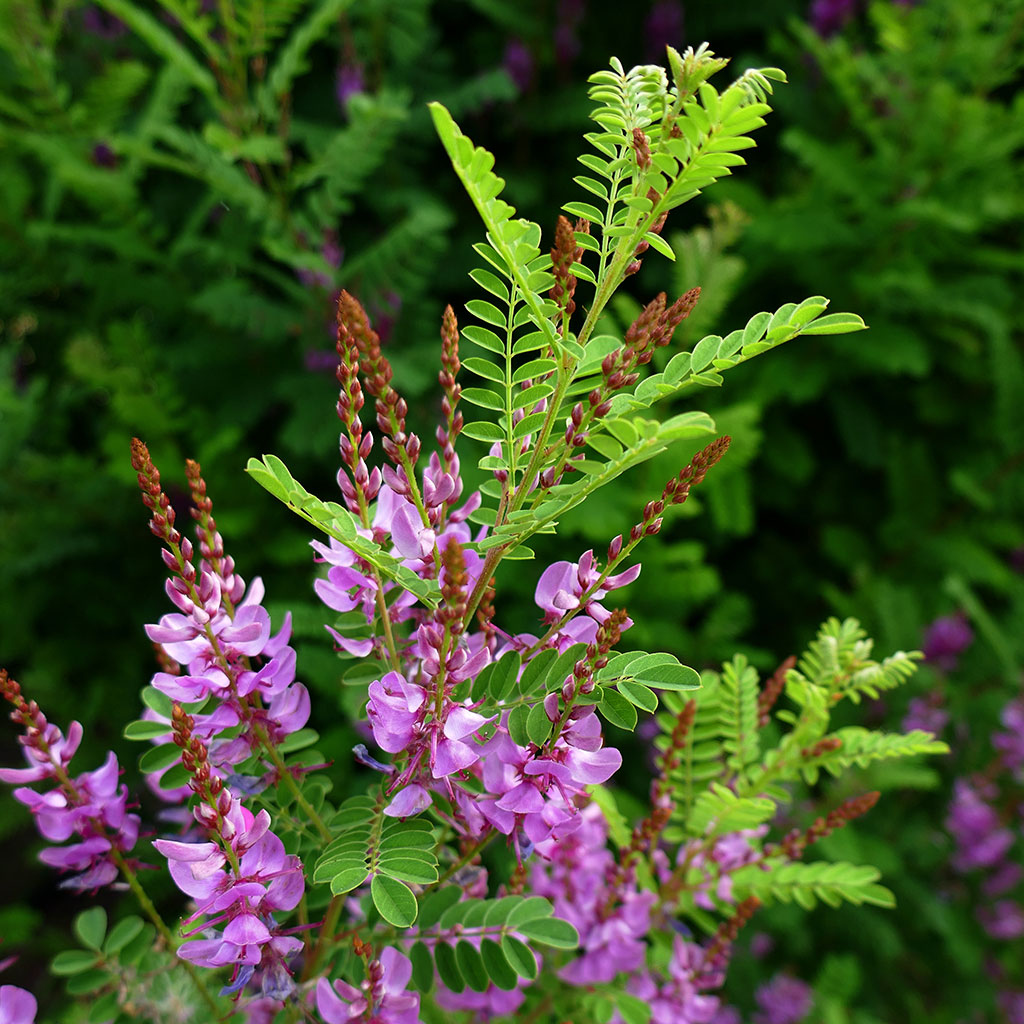
During the Medieval period, Europeans used woad to dye blue fabrics, but indigo had been known for centuries in other parts of the world. Indigo is derived from the fermented leaves of the Indigofera plant. The earliest evidence of indigo dyeing can be traced back to ancient Egypt and Peru, where 6,000-year-old indigo-dyed cotton fabrics have been discovered. Indigo was not only used to color textiles but also to adorn the bodies of the deceased. In India, the cultivation and dyeing of indigo thrived, becoming a cornerstone of the country’s economy and a symbol of its rich textile traditions.
The ancient Roman historian Pliny the Elder acknowledged indigo as a product from India, demonstrating its long-standing recognition in the Mediterranean. However, high transportation costs made it a luxury item. This changed dramatically in 1498 when Vasco da Gama opened a new sea route to India, making the importation of indigo—its name stemming from the Latin word indicum, meaning Indian—much easier.
The superior dyeing capabilities of indigo for fibers like cotton and flax led to its rapid rise in popularity. In response, between the 16th and 17th centuries, woad producers attempted to protect their market by labeling indigo as the devil’s dye and issuing threats against its use. This reaction, however, ultimately failed to curb indigo’s growing acceptance.
The introduction of synthetic indigo in the late 19th century further transformed the dyeing industry by making blue more accessible and affordable. German chemist Adolf von Baeyer began his work on the synthesis of indigo in 1865, earning the Nobel Prize in 1905 for his contributions to chemistry. While this development opened new avenues in dyeing, it also led to the decline of traditional indigo dyeing practices.
The difference between pre-reduced and natural indigo
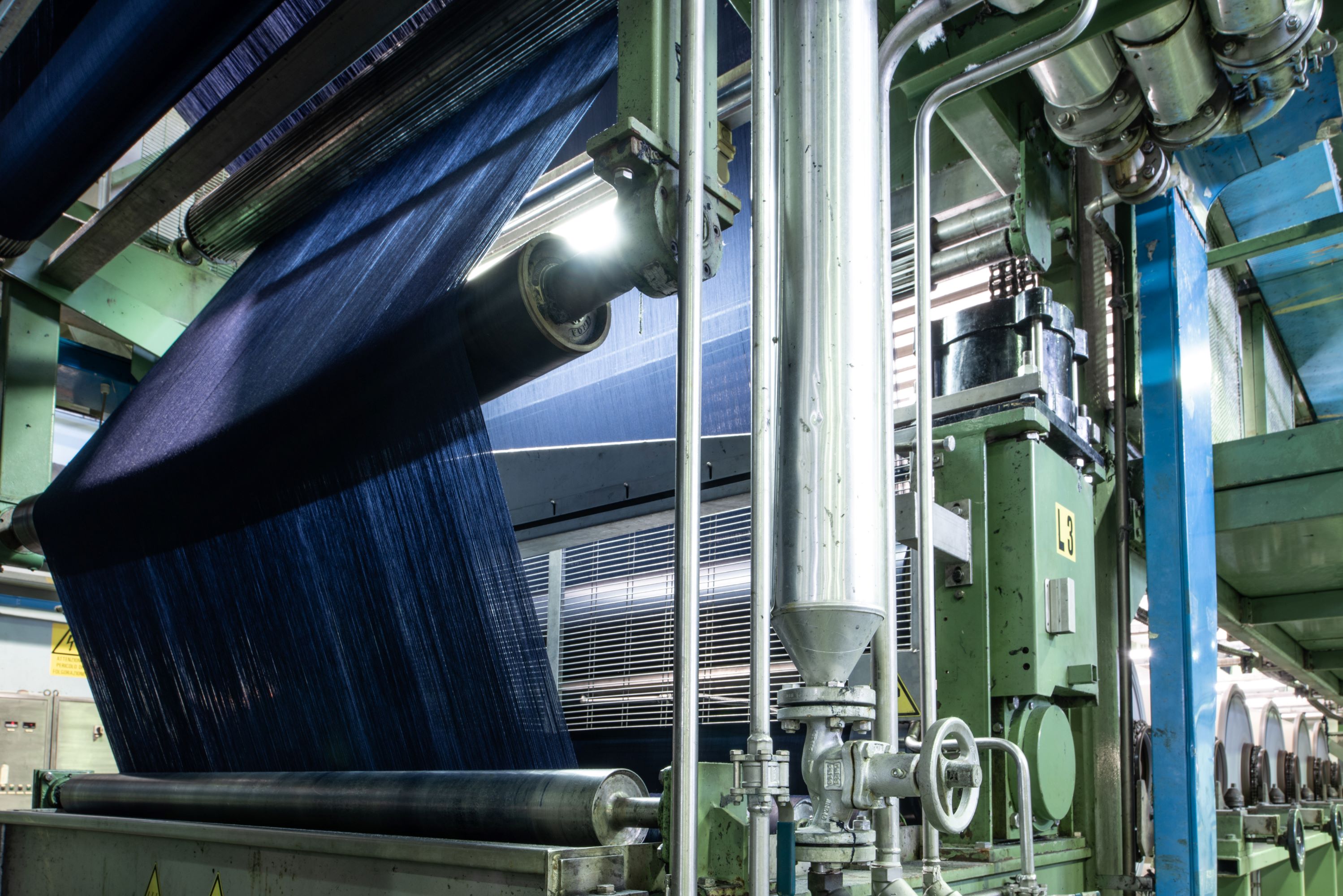
Indigo is an essential ingredient in denim production, as it gives the fabric its distinctive blue color. The true predecessor of denim, known as Genoese fustian, set itself apart from other fabrics produced in Europe during the 16th century due to its indigo-dyed warp. At that time, Genoa was one of the most significant ports in the world, and its fabrics eventually made their way across Europe and later to the United States, where they evolved into what we know today as blue jeans, named after the Italian city.
This is why we place the utmost importance on indigo in our research and development process. Our selection of dyes includes both pre-reduced and natural indigo to replace conventional indigo powder.
We introduced pre-reduced indigo in 1979 for environmental reasons, as it requires fewer chemicals to bond indigo to cotton fibers. Our pre-reduced indigo is certified by OEKO-TEX® ECO PASSPORT, an internationally recognized standard that tests and analyzes chemicals, colorants, and auxiliaries to ensure a lower environmental impact, supporting cleaner and safer textile and leather products and production processes.
We also utilize natural indigo dyes from Stony Creek Colors in Tennessee, a company dedicated to sustainable dyes. Stony Creek cultivates high-value indigofera as part of a regenerative rotational cropping system that not only captures carbon in the soil but also enhances nitrogen fixation in the atmosphere. Their primary goal is to provide a fully traceable, 100% plant-based dye that contributes positively to farm ecosystems while actively tackling climate change in the fashion industry by harnessing nature’s potential to replace synthetic, petrochemical-derived colorants.
Stony Creek’s natural indigo is certified by USDA BioPreferred®, a program that promotes the use of biobased products. These products, which exclude food, animal feed, and fuel, are composed primarily of biological materials, including renewable agricultural ingredients, renewable chemicals, and forestry materials, or are an intermediate ingredient or feedstock. By providing an alternative to conventional petroleum-derived products, biobased materials help create more sustainable options across various applications, such as lubricants, detergents, inks, fertilizers, and bioplastics. This initiative also fosters economic development, job creation, and the emergence of new market opportunities for agricultural commodities.
In addition, Stony Creek’s natural indigo meets the ZDHC (Zero Discharge of Hazardous Chemicals) Level 1 standard, which aims to elevate environmental standards in the fashion, textile, and leather industries. This certification ensures that products are free from hazardous chemicals, promoting cleaner production practices. The ZDHC organization is committed to three fundamental principles: safer chemicals, smarter processes, and improved outcomes. Independent third-party service providers conduct rigorous testing, collaborating with chemical manufacturers throughout the auditing process to ensure compliance.
Environmental impact of denim dyeing techniques
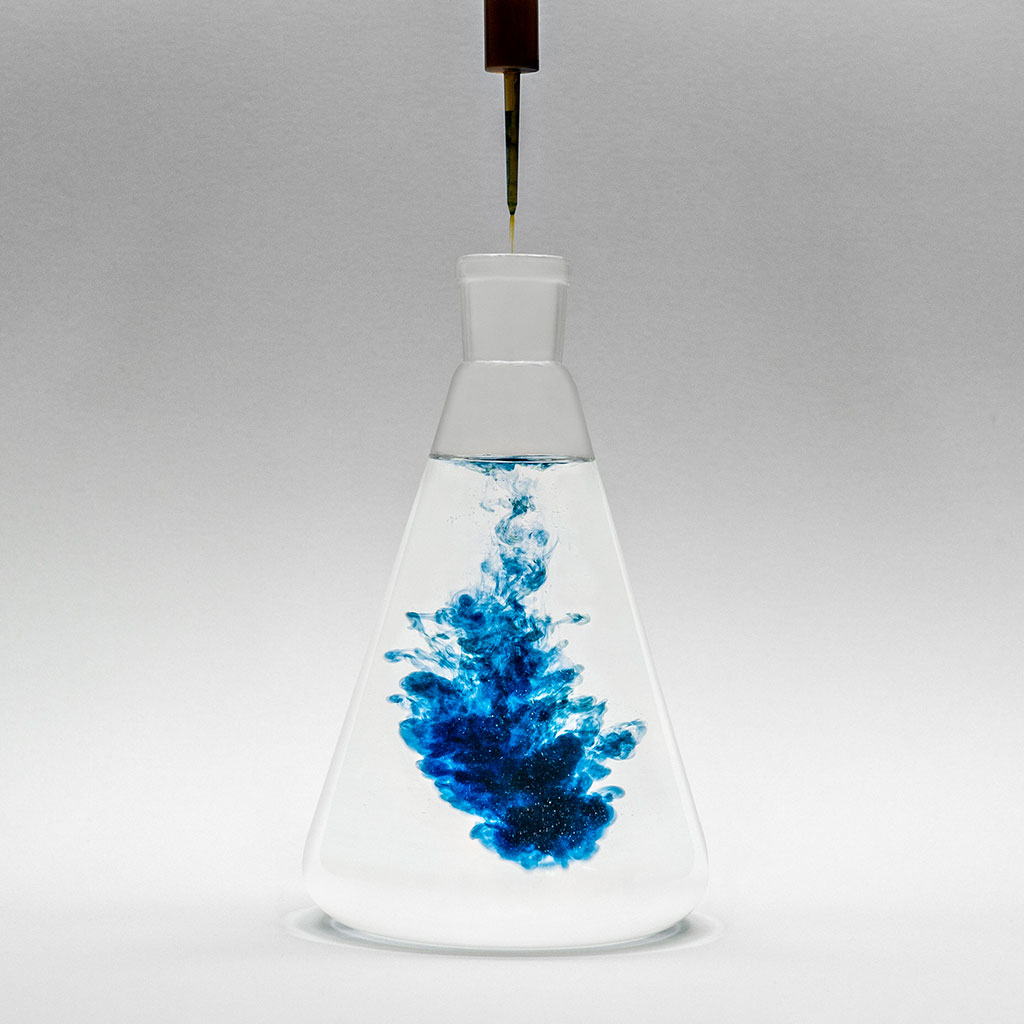
Traditionally, denim dyeing is known for being a water-intensive and environmentally challenging process due to its heavy use of chemicals. Here are some key issues associated with conventional denim dyeing:
- Water consumption: traditional dyeing methods, particularly indigo dyeing, require large amounts of water. This process usually involves multiple dips in dye baths, leading to significant water usage and the need for extensive wastewater treatment
- Chemical pollution: the most common indigo dye is synthetic and derived from petrochemicals, releasing harmful substances into the environment during its production and use. Throughout the dyeing process, various chemicals are employed, including bleaching agents, enzymes, and finishing agents. Many of these chemicals can be toxic to aquatic life and pollute water sources
- Wastewater treatment: the wastewater produced from denim dyeing often contains high concentrations of dyes, salts, and other pollutants. Insufficient treatment of this wastewater can cause serious environmental damage
- Energy consumption: the dyeing and finishing stages are energy-intensive processes, which contribute to greenhouse gas emissions
At Candiani, we are committed to reducing the environmental impact of our dyeing process. Along with implementing proper wastewater management practices, we are developing innovative technologies. Two notable advancements are Sound Dye and Kitotex®.
Sound Dye is a technology we developed to conserve water during the dyeing process. It utilizes ultrasound waves that create microbubbles in the water. When these bubbles rapidly implode, they generate shock waves that remove excess indigo from the yarn.
Kitotex® is our patented technology that substitutes PVA (Polyvinyl Alcohol) with a more environmentally friendly sizing agent. While PVA can dissolve in water and biodegrade, it requires very specific conditions that most treatment facilities cannot provide. In contrast, we use chitosan, a bio-based polymer derived from chitin, which is one of the most abundant natural polymers after cellulose. Our chitosan is sourced exclusively from the fungus Aspergillus niger. This eco-friendly alternative to PVA is non-toxic, biodegradable, and bacteriostatic. Moreover, chitosan aids in wastewater treatment, operates effectively at lower temperatures, and enhances color saturation.