 Log into your account
 Register



The Transformers Foundation is a denim supply chain platform and think tank for ethics and sustainable innovation in the jeans industry. Alberto Candiani is one of the founders of the foundation, and we are proud to be the only Italian mill to have contributed to their recent report about water consumption during indigo dyeing. Let’s see the results.
Why a report on water consumption in indigo dyeing?
Indigo dyeing is a lengthy and intricate process influenced by various chemical and physical reactions, as well as numerous factors, including the quality and type of raw materials, production methods, and environmental conditions such as weather, humidity, and water quality. This variability means that indigo dyeing practices can differ significantly from one country to another, from mill to mill, and even from one day to the next within the same factory. Furthermore, the process is steeped in tradition and craftsmanship, with different cultures and regions recognized by their unique recipes, conditions, and practices.
A major challenge posed by this complexity is the difficulty in verifying claims about water usage, which opens the door to potential greenwashing regarding water savings. To address this issue, the Transformers Foundation has produced the report titled “A Reference for Water Consumption During Indigo Dyeing.” This report aims to establish a standard in the indigo dyeing process, defining what constitutes sustainability, the average amount of water used today, and what levels would be considered excessive, indicating that a mill should update its equipment and operations. We are proud to be one of the seven denim mills that participated in this study.
The results
The mills involved in the study reported similar water consumption during the pre-dyeing phase. The variability in water usage primarily occurs during the post-dyeing phase, specifically during rinsing and washing, with some difference between rope and slasher dyeing methods.
This report serves as a reliable benchmark for evaluating manufacturers and assessing the credibility of their claims. It also equips denim producers with insights and tools to shift towards more sustainable practices. Benchmarks for machinery include basic fabric construction, shade, depth, and ring effect, with specific types of machinery—rope dyeing and slasher dyeing—identified for comparison. Benchmarks related to indigo chemistry focus on fabric shades and dye application methods. Furthermore, the research demonstrates that it is possible to reduce water consumption in the indigo dyeing process through a scientific and data-driven approach.
Rope vs slasher dyeing
Rope dyeing, introduced in 1915, and slasher dyeing, introduced in 1970, are the two primary methods used for dyeing yarns in denim fabric production. The main difference between these methods is how the yarns are arranged during the dyeing process.
In rope dyeing, yarns are bundled together into ropes and then dyed. This method is suitable for large volumes and generates low to zero waste during lot changes. However, it involves more production steps, as the threads need to be re-beamed, resulting in higher costs and longer processing times. Additionally, rope dyeing is less suitable for fine and delicate yarns, as well as for frequent color changes.
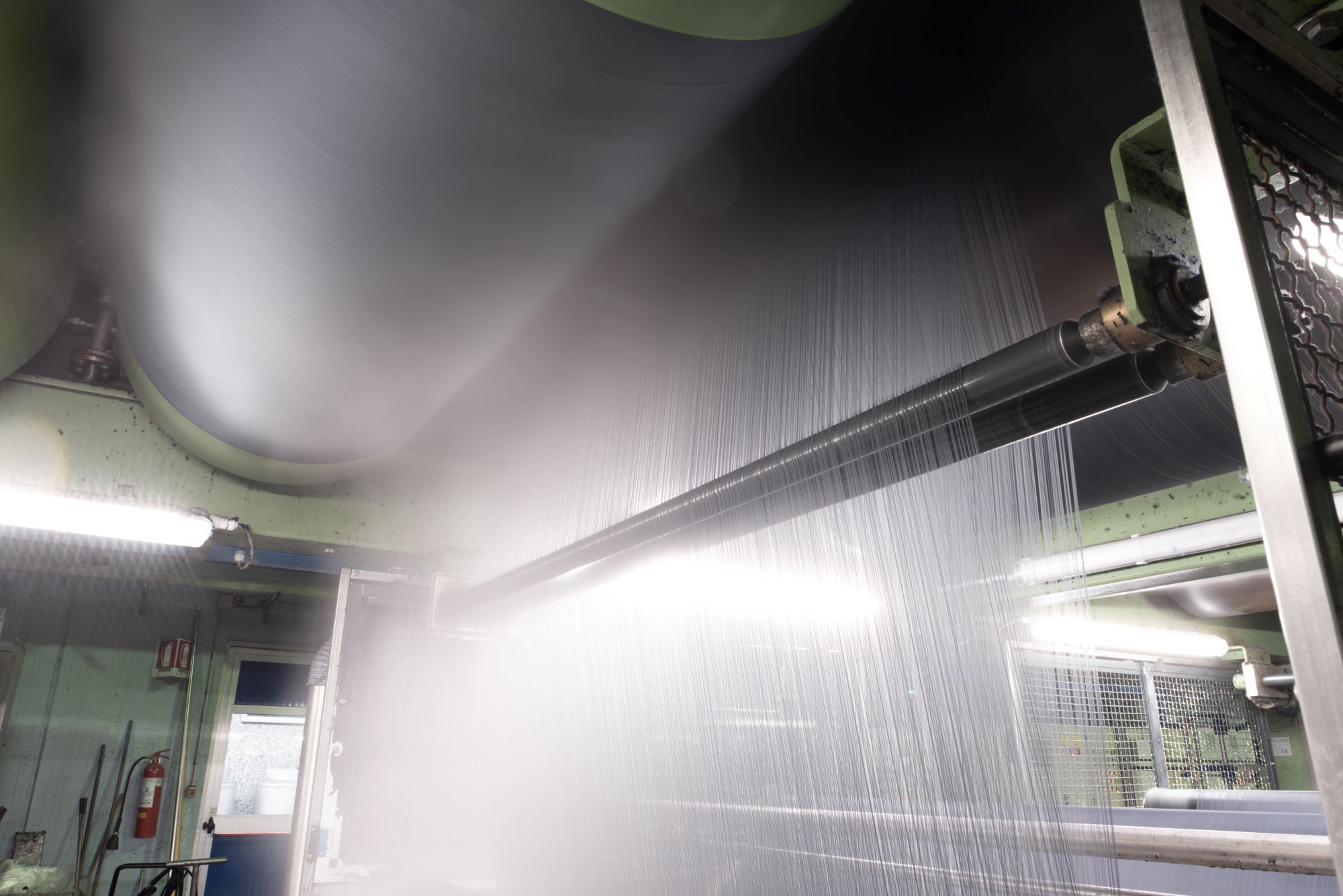
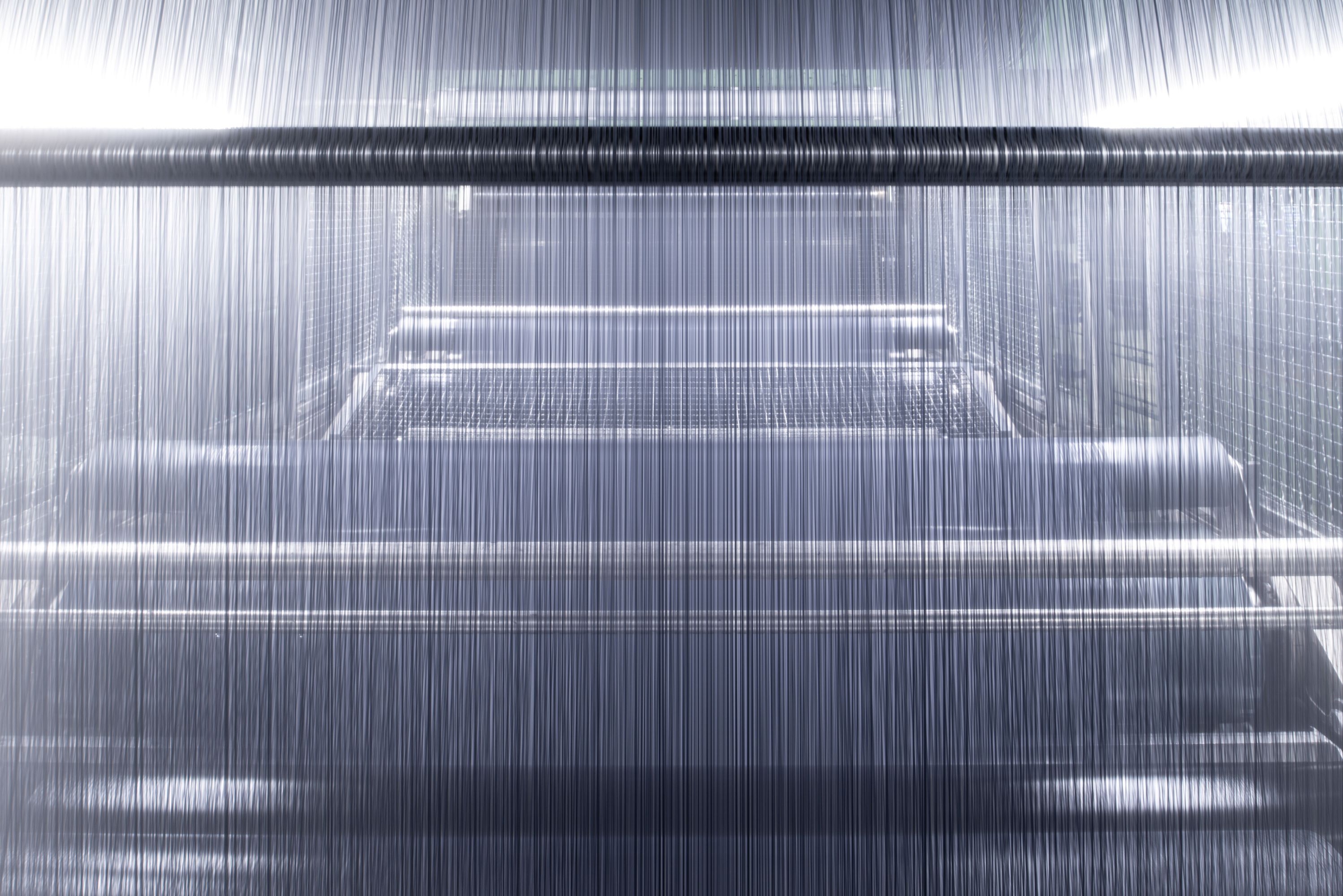
In contrast, slasher dyeing involves laying the yarns out in a sheet-like formation. This method is more efficient, quicker, and less expensive because the integrated dyeing and sizing processes save time, labor, and energy.
Some facts about indigo dyeing
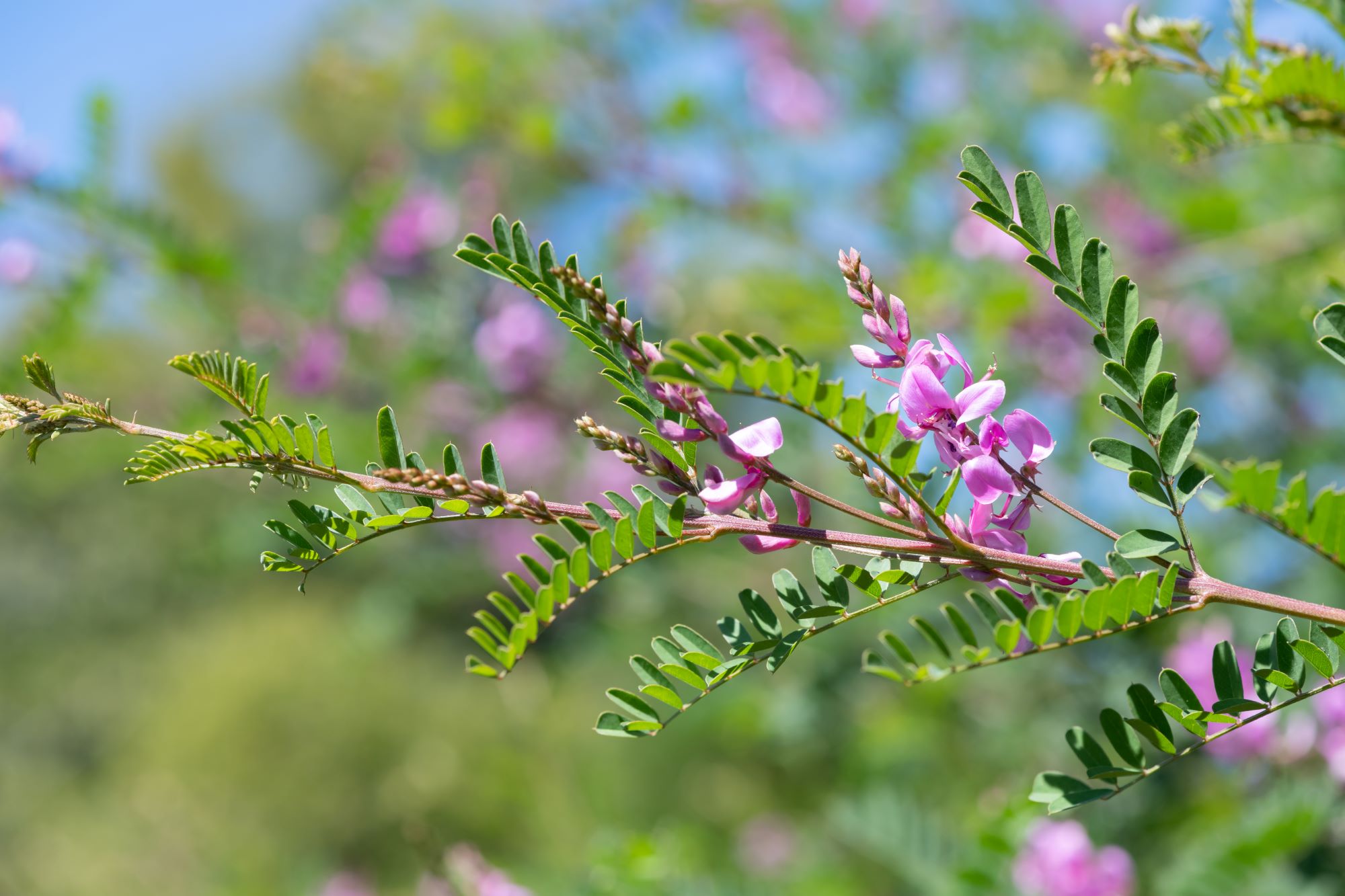
Indigo plants have been used for centuries to dye fabrics. The oldest known indigo-dyed textiles date back over 6,000 years and were discovered in Peru. The invention of synthetic indigo dye at the end of the 19th century made this vibrant color more accessible and simplified the dyeing process.
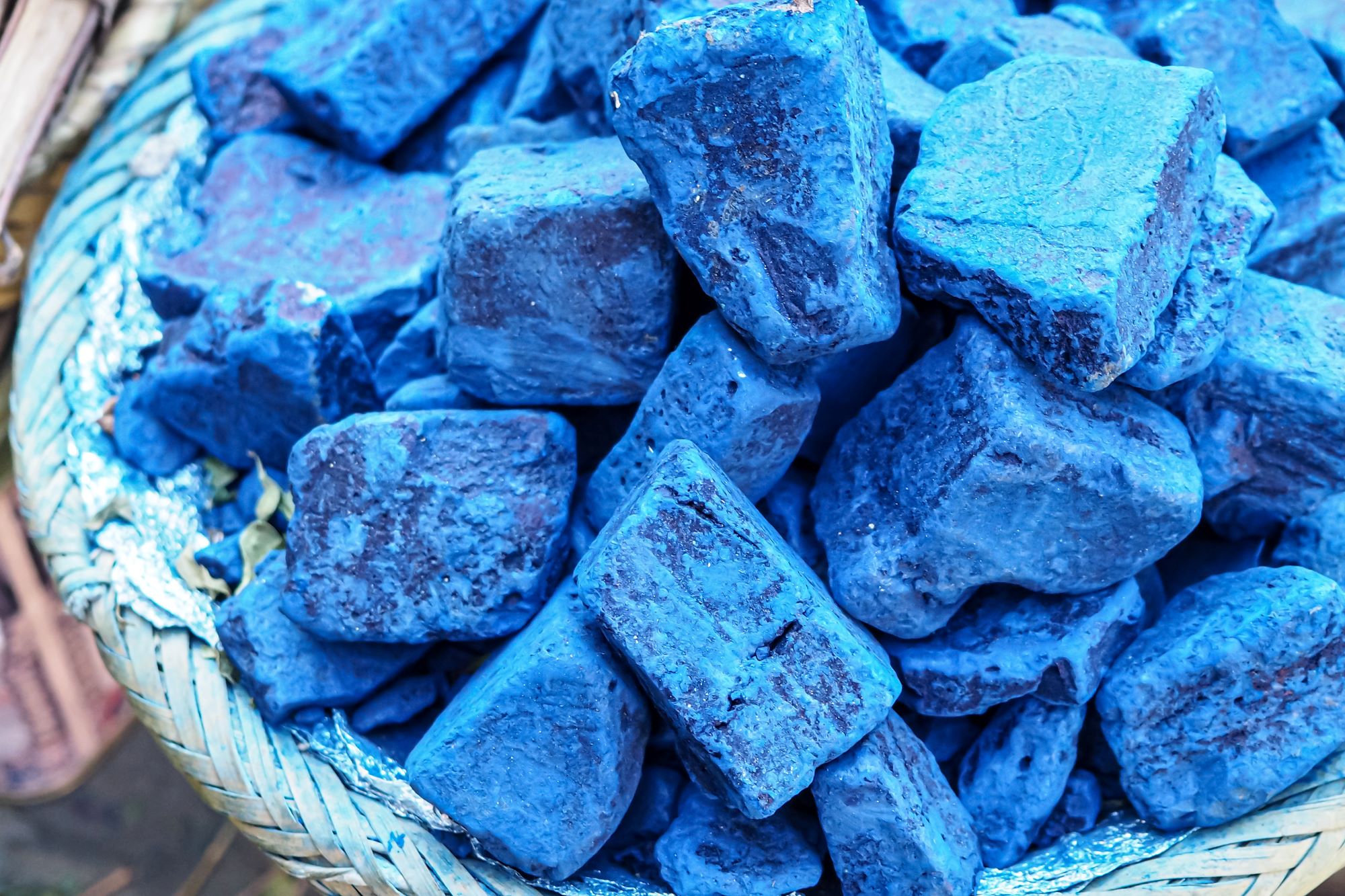
Experts estimate that approximately 3 to 5 billion denim garments are produced annually, requiring around 66,000 tons of indigo powder. For dyeing purposes, indigo powder must be reduced or made water-soluble. Pre-reduced indigo is already processed by the dyestuff manufacturer and arrives at the mill in a ready-to-use liquid form.
The indigo ratio is determined by the amount of indigo on the yarn compared to the weight of the yarn. Typically, dark indigo has a 4% ratio, meaning that 4 grams of indigo are used per 100 grams of yarn. A 2.5% indigo ratio produces a mid-range shade, while lighter shades usually have a 1.5% indigo ratio.
Read the full report.