 Log into your account
 Register



When it comes to premium denim, it’s all about the fusion of top-notch materials, genuine washes, and exceptional performance. But there’s a new player in town that’s shaking things up: sustainability. From its humble beginnings as sturdy workwear to the cutting-edge innovations we see today, let’s dive into what truly sets high-quality denim apart!
What makes denim high-quality?
Contemporary high-quality denim can be understood through three core attributes. It preserves the authentic aesthetic that denim is known for, enhances comfort and performance, and minimizes environmental and social impact. While these traits are common across various high-quality fabrics, there are nuanced differences among different types of denim.
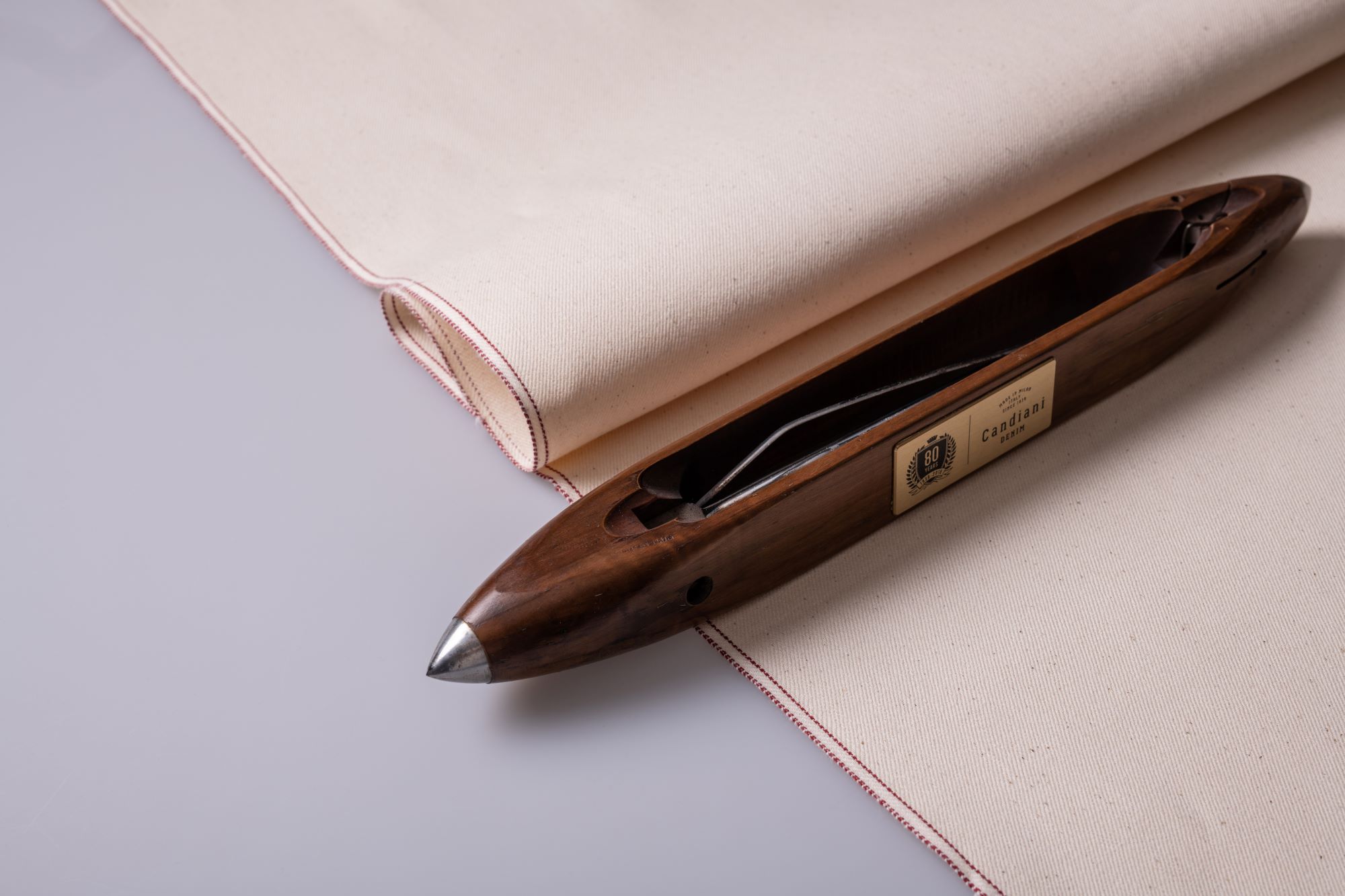
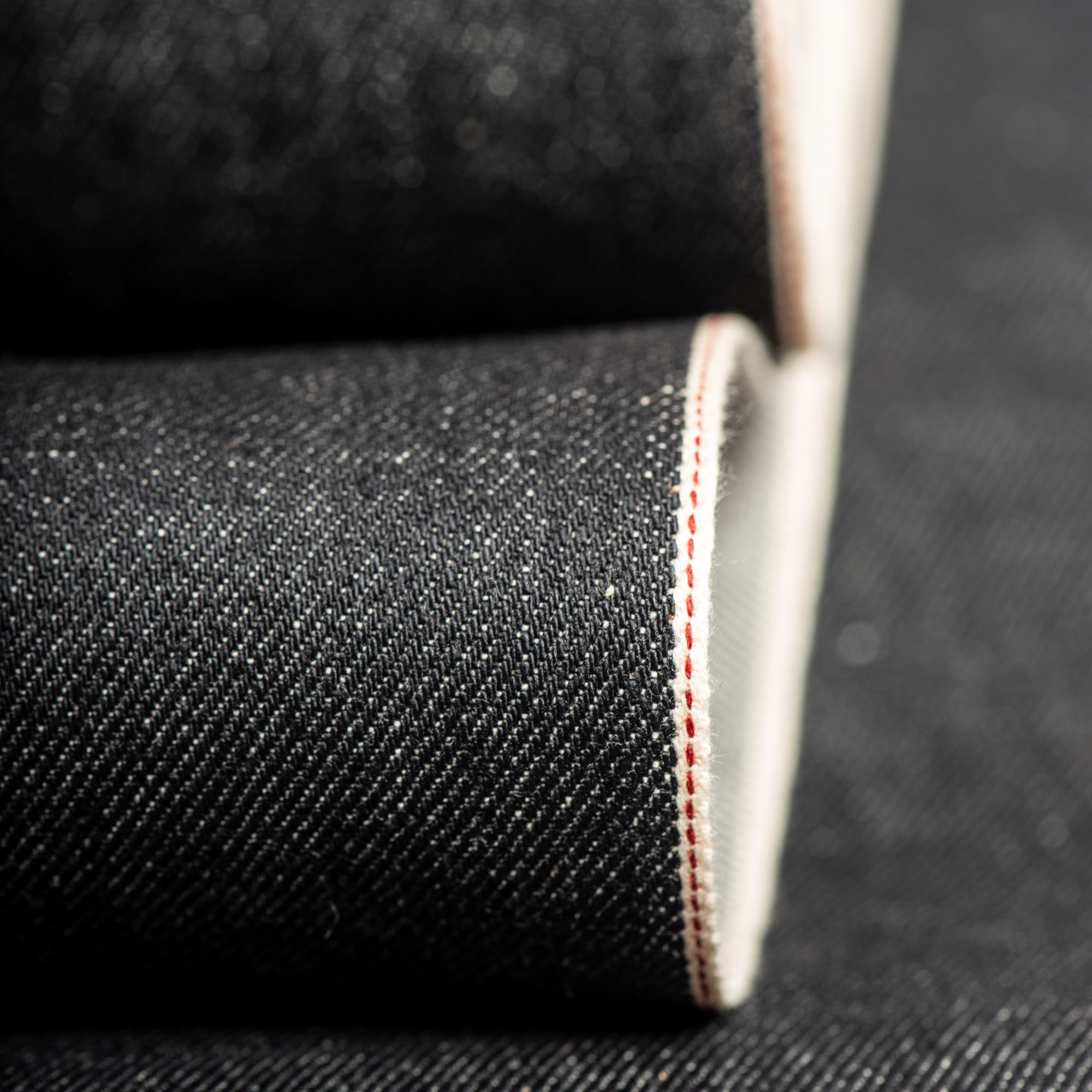
For instance, selvedge denim stands out as a symbol of denim heritage and traditional craftsmanship, showcasing the most genuine denim aesthetic. Woven on vintage shuttle looms, selvedge denim features a distinctive edge along its borders. Though these looms operate at a slower pace compared to modern full-width looms and are becoming increasingly scarce in the industry, they reflect a dedication to authentic denim production. Recently, there has been a revival of raw, unwashed selvedge denim, which, despite being viewed as uncomfortable for many years in favor of softer alternatives, embodies the original essence of denim.
In the case of stretch denim, high-quality versions retain a unique aesthetic while also offering enhanced elastic performance. These fabrics are designed to maintain their shape and regain their original fit after washing and wearing, which is a significant advantage over standard stretch products.
Furthermore, high-quality stretch denim played a pivotal role in launching the premium denim industry in Los Angeles during the 1980s. It allowed designers to create feminine yet comfortable jeans, ushering in a new era of style and consumer demand. Renowned figure Adriano Goldschmied, often credited with pioneering the premium denim movement, noted that these brands successfully elevated jeans from a basic commodity to luxurious and fashionable items.
Today, we are witnessing a cultural shift that often relegates jeans to the status of commodities. Many consumers have adapted to purchasing jeans at lower prices and disposing of them quickly, which can overshadow the true value inherent in premium products. Behind high-quality denim lies a strong commitment to research and development, innovation, craftsmanship, and sustainability. Enhancing and effectively communicating this value is essential.
A focus on Italian denim
The history of Italian denim dates back to the High Middle Ages when the Cathars arrived in Italy in 1144, bringing knowledge of woad cultivation for blue dye. In the 15th century, Chieri became a center for woad-dyed fustian, a durable fabric sold to Genoese sailors. However, indigo began to replace woad after Vasco da Gama discovered a sea route to India in 1498; as it became easier to import, it turned out it was better for dyeing cotton.
Genoa used to produce its own fustian in the 16th century. It was characterized by indigo-dyed cotton yarns and affordability, emerging among the other varieties manufactured in Europe and becoming the precursor of modern denim. Sailors and port workers used the fabric for its durability. The word jeans evolved from geanes, the term used in English inventories for Genoese fustian, derived by mangling the city’s name.
Eventually, denim fabrics made their way to the United States, leading to the invention of the iconic 5-pocket jeans by Jacob Davis. The tailor and Levi Strauss patented this innovation to meet the demands of workers seeking durable and comfortable workwear. As a result, durability became the defining characteristic of the first jeans, which were designed to withstand rigorous labor while providing comfort.
While denim production largely occurs outside Europe nowadays, Italian denim is renowned for its unmatched quality and craftsmanship. Northern Italy’s textile heritage—from Biella’s wool to Como’s silk—ensures a deep understanding of materials and meticulous attention to detail. Italian denim also benefits from strict EU social and environmental standard regulations, emphasizing worker safety and responsible practices. This commitment to quality aligns with sustainable principles, promoting ethics in the industry.
Materials and production techniques
Quality ingredients are essential to creating a truly enjoyable dish. In the same vein, producing quality denim relies on superior raw materials. It all begins with cotton, which should be both soft and durable. Nowadays, there is a growing interest in preferred fibers like organic and regenerative cotton, which not only enhance the quality of the fabric but also promote a positive social and environmental impact.
High-quality denim aims to achieve a distinctive and refined aesthetic that results in flattering garments while ensuring that all materials and production techniques are designed to enhance durability and tactile experience, setting this denim apart from standard offerings.
We recognize that today, high-quality denim should also embody both innovation and sustainability. Advancements in technology and the selection of materials play a crucial role in minimizing the industry’s impact on both people and the planet. It’s essential for denim producers to go beyond simply meeting branding requirements; investing in research and development is key to staying ahead of trends.
Investing in high-quality denim not only enriches your wardrobe but also champions sustainable fashion. Unlike low-quality items that are quickly discarded for fleeting trends, durable denim is designed to endure, offering long-lasting value. One of the fabric’s most cherished characteristics is its ability to become more beautiful with age, with natural fading adding a unique touch and character. Moreover, we find ourselves more inclined to extend the life of our denim through practices such as repairing, upcycling, donating, and recycling, aligning with the core principles of a circular economy.
The role of Candiani Denim
Candiani has always been at the forefront of innovation in the denim industry, particularly in recognizing the potential of stretch denim. In the 1980s, our fabrics laid the groundwork for the burgeoning premium denim industry in Los Angeles, marking a significant milestone in our journey toward high-quality textiles, which, importantly, began well before that era.
With a rich heritage in Italian textile manufacturing, we draw upon centuries of expertise, with skills passed down and refined through generations. Our mill, established in 1938 in Robecchetto con Induno, near Milan, is a testament to this enduring legacy. The continual demand for innovation from Milanese fashion houses has driven us to enhance the design, aesthetics, and performance of our products, allowing our denim to transition from reliable workwear to luxurious fabric.
Situated within the stunning Parco del Ticino, Italy’s first protected natural park established in 1974, our area also offers an environment of unparalleled biodiversity that we are committed to preserving. Our dedication to sustainability has been a core focus for over 50 years, even before it became a widespread movement. This commitment reflects our belief in minimizing our ecological footprint while producing exceptional textiles. The blending of rich textile traditions with sustainable innovations and Italian craftsmanship is unmatched in the denim industry.
We pride ourselves on being a fully integrated operation, with all necessary departments dedicated to creating premium denim fabrics. Our innovative approach begins with cotton, for which we have exclusive access to Blue Seed cotton, developed in partnership with Gowan Seed Company. This hybrid cotton combines the superior qualities of high-quality, soft, extra-long-staple cotton and robust Upland cotton, benefiting a phenomenon known as hybrid vigor or heterosis. This means that the hybrid exhibits enhanced traits compared to the straightforward addition of the characteristics of the parent plants. Moreover, we can select specific farms to source this cotton and meticulously trace its entire growing process.
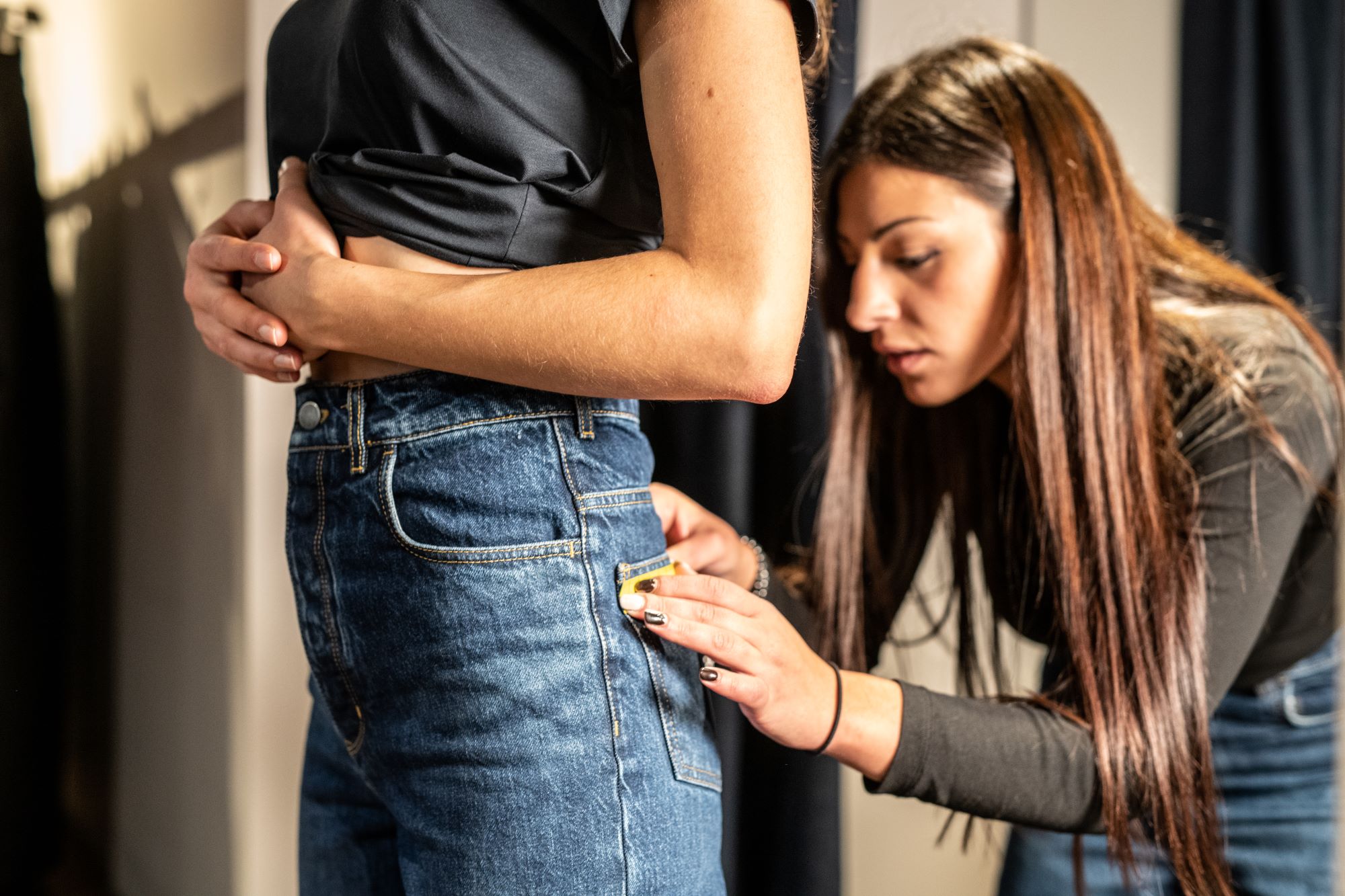
In addition to our traditional practices, we are excited to bring our innovative textiles directly to consumers through our Candiani Custom micro-factory. This uniquely designed facility, located in the heart of Milan just 40 km from our mill, operates as a vertical manufacturer-to-consumer model, allowing customers to create made-to-measure jeans. Clients can personalize their designs by choosing the fit, color, wash, thread, buttons, rivets, back patch, and embroidery for their garments. We ensure that all technology, machinery, and materials used in the production come from ten Italian partners within a 238 km radius, promoting traceability and minimizing our carbon footprint throughout the supply chain.