 Log into your account
 Register



If you’ve ever felt like vintage clothes just seem to last longer than what we find in stores today, you’re onto something. And jeans are no different. This isn’t a brand-new conversation, but it’s getting more buzz lately, with some articles from big magazines diving into why the quality of fashion seems to have shifted. So, let’s take a closer look at what’s going on!
Why has the quality of our clothing dropped?
The recent conversation kicked off with sweaters and wool fabrics, but honestly, it can easily apply to jeans and denim, too. We’re not really talking about designs; we’re focusing on the quality of the materials and how the garments are made. It’s all about how long they last without losing their shape or feeling great, without breaking at the seams, and without looking worn out too quickly.
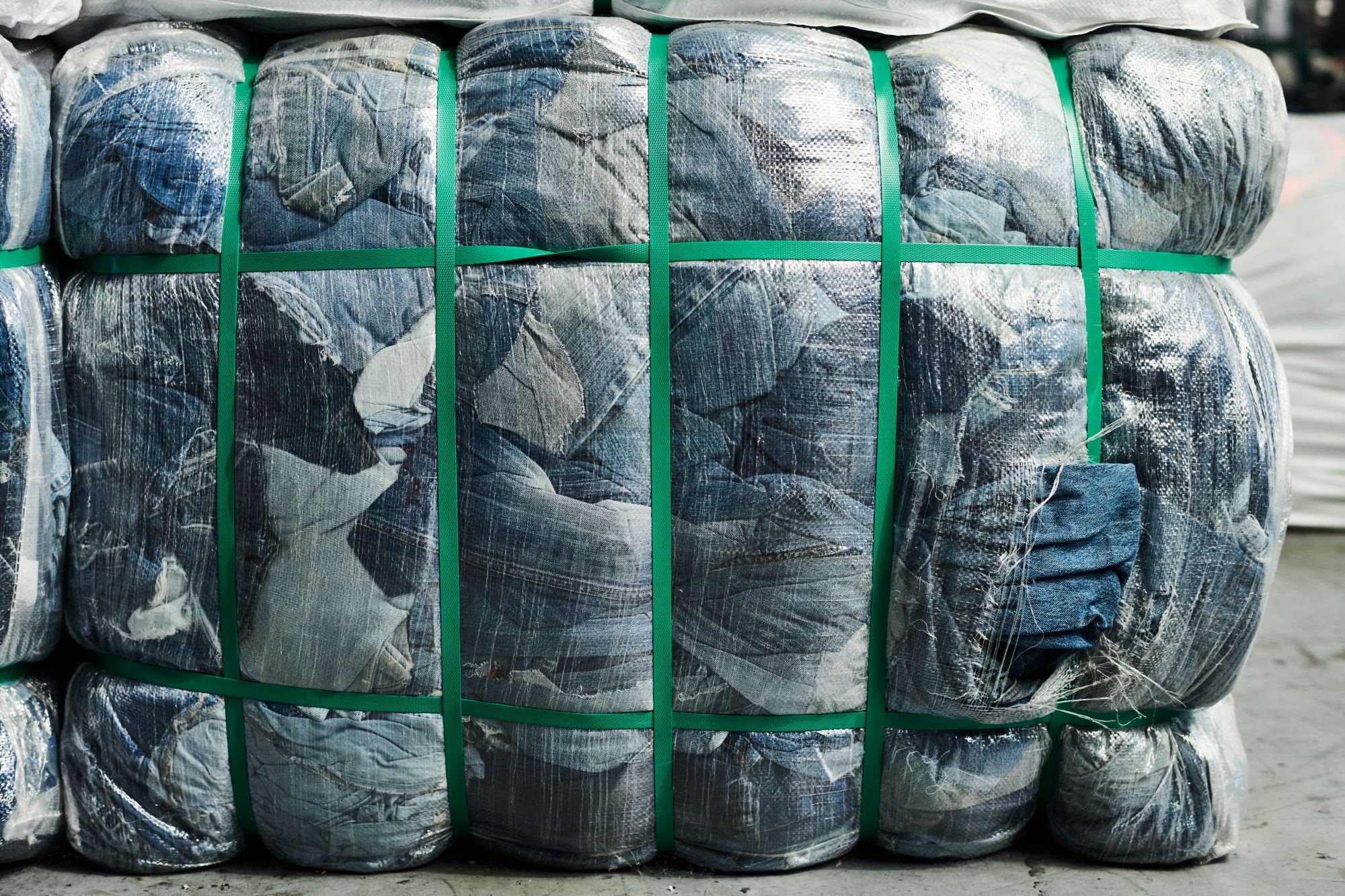
The way we produce and consume fashion has changed significantly over the past few decades, mainly due to fast fashion and its reliance on planned obsolescence. And the numbers back this up. The Ellen MacArthur Foundation mentions that production doubled from 2000 to 2015, but we’re actually using clothes 36% less time than before! According to Textile Exchange, global fiber production is projected to rise from 132 million tons to 169 million tons between 2025 and 2030. There was a staggering 132 million tons of textile waste produced in 2024 alone, suggesting that we have enough material available for the next six generations, Zero Waste Europe noted. Unfortunately, only about 1% of this waste gets recycled into new textiles.
Back in the day, clothes were built to last a lifetime. People often passed down their garments from parents to kids, or from older siblings to younger ones. Sure, folks had tighter budgets, but it was also about how they viewed things: everything had its value, and nothing was considered disposable. Items were meant to be repaired and reused as much as possible. Only the really high-quality pieces likely survived over time, but before fast fashion took over, apparel was generally made with a lot more attention to detail and care.
What’s interesting is that fast fashion relies on making a ton of clothes at low prices, yet it often draws inspiration from high-end brands. Sure, cheaper brands can drop up to 24 collections each year—basically one every two weeks! But even the luxury brands have upped their game. They used to have two collections a year, one for spring/summer and one for fall/winter. Now, they’re often launching around four to six collections a year, and some even have shows every month to showcase their latest designs!
The golden rules of fast fashion
Fast fashion got its start in the 1980s, but it really exploded in the 2000s when brands began outsourcing production to countries with less strict rules about worker rights, the environment, and health and safety. This allowed them to make clothes much more cheaply, but it also meant they had to pump out a lot of products to keep the assembly line running smoothly. The more a production line is used, the more efficient it becomes.
To keep up with this level of production, brands needed to boost demand. They rolled out marketing campaigns, offered discounts, and created promotions that made us feel like we had to buy things right away. This led to overconsumption and gave brands a reason to constantly introduce new items in stores. All of this happened at the same time that a growing middle class around the world was gaining spending power, creating a huge market for clothes.
However, overconsumption has made it hard for us to value our clothes and feel attached to them since replacing items is so easy and cheap. Now people often switch up their wardrobes to keep up with trends from brands, magazines, influencers, and social media. Some even buy loads of inexpensive clothes just so they don’t repeat outfits on social networks—can you believe that?
The downsides of fast fashion
Fast fashion really creates a lot of problems that go beyond the obvious, like pollution. When brands push out clothes at lightning speed, they end up using tons of energy, water, and chemicals. It massively contributes to greenhouse gas emissions and creates mountains of waste. The waste we’re talking about isn’t just poor-quality clothing that gets tossed aside easily; it also includes items that don’t even get sold. The European Environmental Agency has reported that between 4% and 9% of all textiles that hit the European market end up getting destroyed without ever being worn. Plus, much of this manufacturing takes place in countries with lax rules on which chemicals can end up in the water supply. And let’s not forget that clothes are often made far from where they’re sold, which adds even more emissions from transportation.
Another downside of fast fashion is the use of poor-quality materials. Back in the day, only natural materials like wool, cotton, and linen were used to make fabrics. They’re durable and can last a long time. Nowadays, we see a ton of synthetic fibers because they’re cheaper and lighter, plus they can be made quickly. However, if these materials aren’t of great quality, they can break down easily, get misshapen, or even ruin the natural fibers when mixed. Additionally, we shouldn’t overlook that the materials in our clothes are in direct contact with our skin, and some might even be inhaled or ingested. If they’re not of good quality, they could lead to some pretty serious health problems. And forget about recycling low-quality materials!
Using high-quality materials means you need skilled workers who understand the fabrics and how they perform. But since fast fashion prioritizes cutting costs and speeding up production, it relies on cheaper labor that often lacks the same level of expertise. This shift means we’re losing a lot of traditional textile knowledge, and the quality of our clothes is often sacrificed for the sake of speed.
Finally, long production runs and distant factories also lead to complex supply chains, with many intermediaries, contractors, and subcontractors involved. It can be tough for brands to trace where all materials come from, and they might not even know the full environmental and social impact of their clothing. Sometimes they’re even in the dark about what fibers are actually in their products!
Why is quality key in denim?
Denim started out as tough workwear, which means it’s built to last. The way it’s traditionally dyed with indigo even lets the fabric get better with age. As you wear your jeans, the top layers fade in a way that’s unique to you—kind of like your own personal story woven into the fabric. That’s why jeans are really an investment; they not only hold their value but actually get more beautiful over time.
But then, with mass production taking over, many brands shifted their focus to making jeans fast and cheaply rather than focusing on high quality. Many moved their factories to lower-labor-cost areas, often cutting corners on quality control. Everything became standardized, and as people chased trends, they began accepting lower-quality jeans.
On top of that, stretch denim emerged with the introduction of synthetic yarns. While those can be comfy, they often aren’t as strong as natural fibers. To make stretch denim that actually lasts, companies need to invest in research and development, which raises the price. But this quality cannot be found in the cheap options we are used to today.
We really want to get back to making traditional, high-quality products. Our goal is to give you jeans that last at least 10 years, rather than cranking out 10 different pairs every year. Honestly, we don’t need that many clothes! It’s time we get back to valuing what we have and appreciate jeans that can age gracefully alongside us.