 Log into your account
 Register



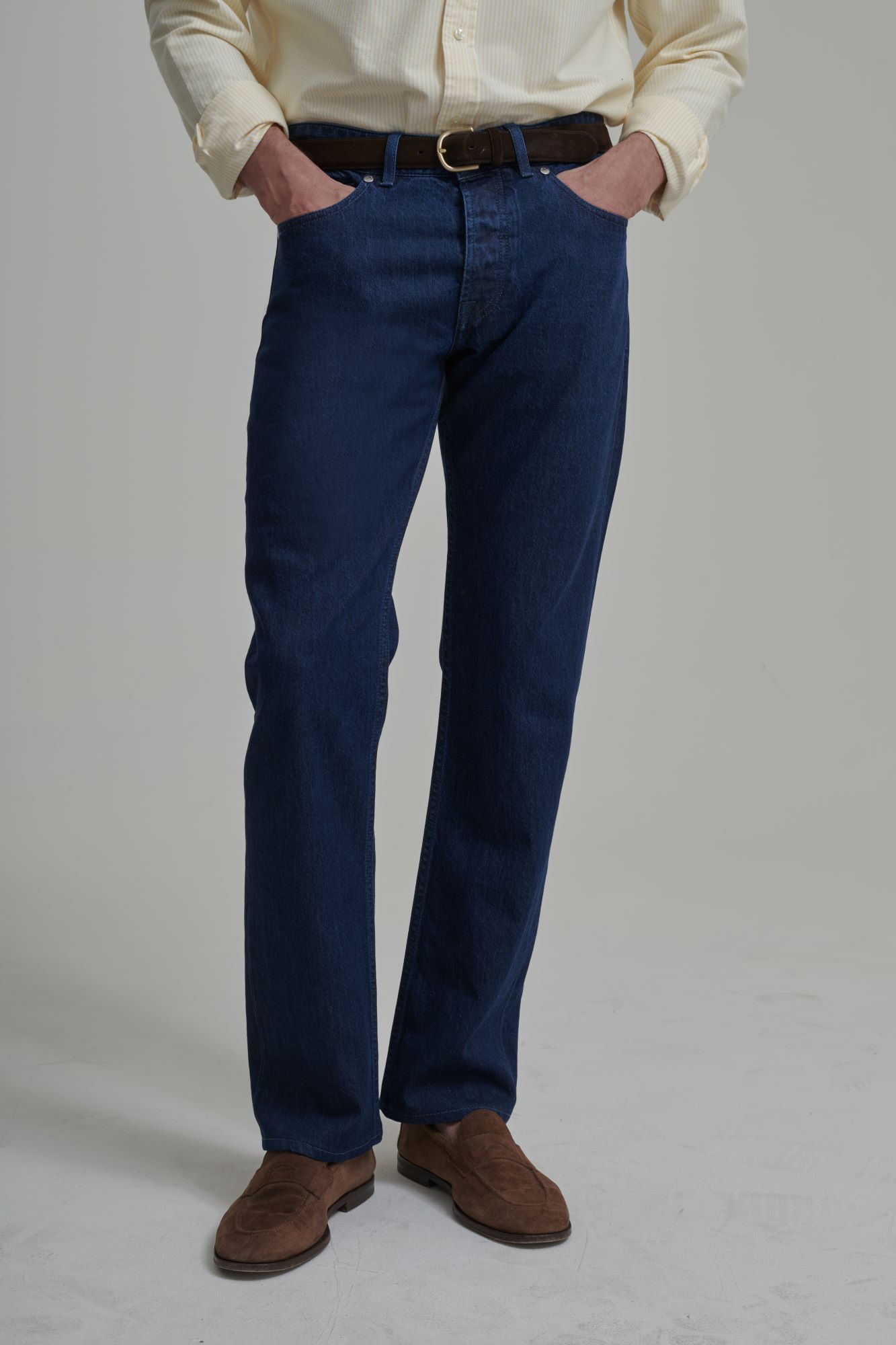
Originally created as durable fabric for heavy labor, jeans have evolved from blue-collar workwear into a widely accepted staple in professional environments, from offices to customer-facing roles. When choosing professional denim, there are several important features to consider. Let’s explore what you shouldn’t overlook.
When jeans can work in professional settings
Jeans have evolved from just a casual Friday outfit to a widely accepted option in many professional settings that don’t require a specific uniform. While there are no strict rules for wearing denim—it’s always important to ensure it aligns with your personal style—and work environments can vary significantly, here are a few general tips to help you confidently wear denim in a professional context, starting with the fit.
When it comes to fit, regular and slim-fit jeans are typically the best choices for the workplace. Regular-fit jeans are the classic option, originating from the first blue jeans patented by Davis and Strauss, originally intended as workwear. They remain versatile, suitable for both sitting at a desk all day and performing manual tasks that require freedom of movement. This style strikes a perfect balance—neither too loose nor too tight—making it ideal for a comfortable look that can also be dressed up for more formal occasions.
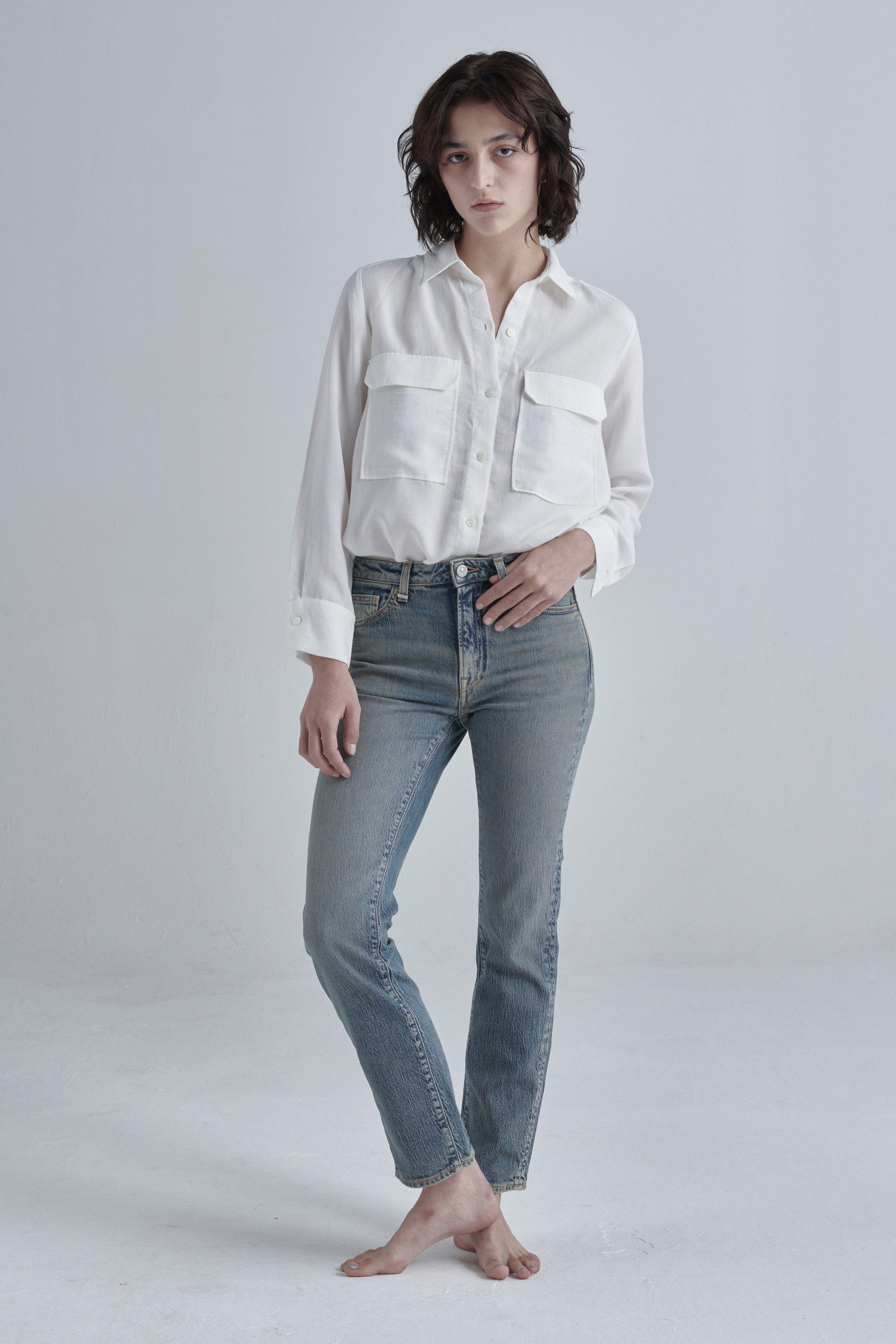
Slim-fit jeans offer a more tailored appearance, hugging the body comfortably without being excessively tight. They have a narrower cut through the thighs and calves, providing a nice balance between skinny and straight-fit styles. This design follows the natural shape of your body, tapering gently from the knee to the ankle.
Why fit matters more than tightness
When it comes to dressing for work, a slim-fit jeans outfit is often viewed as the gold standard for a polished look. However, it’s worth considering that other styles can also work well, depending on how you style them. One key factor to keep in mind is the rise of the jeans. High-waisted options can enhance your silhouette and create a more professional appearance, especially in darker shades. Additionally, make sure the hem length coordinates with your chosen footwear for a cohesive look.
Regular-fit jeans are quite versatile and can transition easily from formal to casual. Pair them with heels, loafers, or boots and a tailored shirt for a polished outfit, or switch to sneakers and a T-shirt for a relaxed vibe. Wide-leg and palazzo jeans have gained popularity among women for their combination of comfort and sophistication. They’re flattering for various body types and can be styled with a variety of garments and shoes.
It’s also essential to pay attention to proportions to ensure your denim outfit is office-appropriate. Even baggier styles, often associated with a more casual appeal, can be dressed up. When paired with tailored blazers, fitted tops, and polished boots, they can achieve a refined look suitable for the workplace.
Choosing the right denim weight and color
Denim has a rich history, originally crafted to withstand the demands of manual labor. When Levi’s® first created workwear, they established a denim weight of 14 ounces, ensuring it was durable yet allowed for movement. These days, denim has evolved beyond workwear, with the most common weights hovering around 12 to 13 ounces, which strikes a balance between strength and comfort.
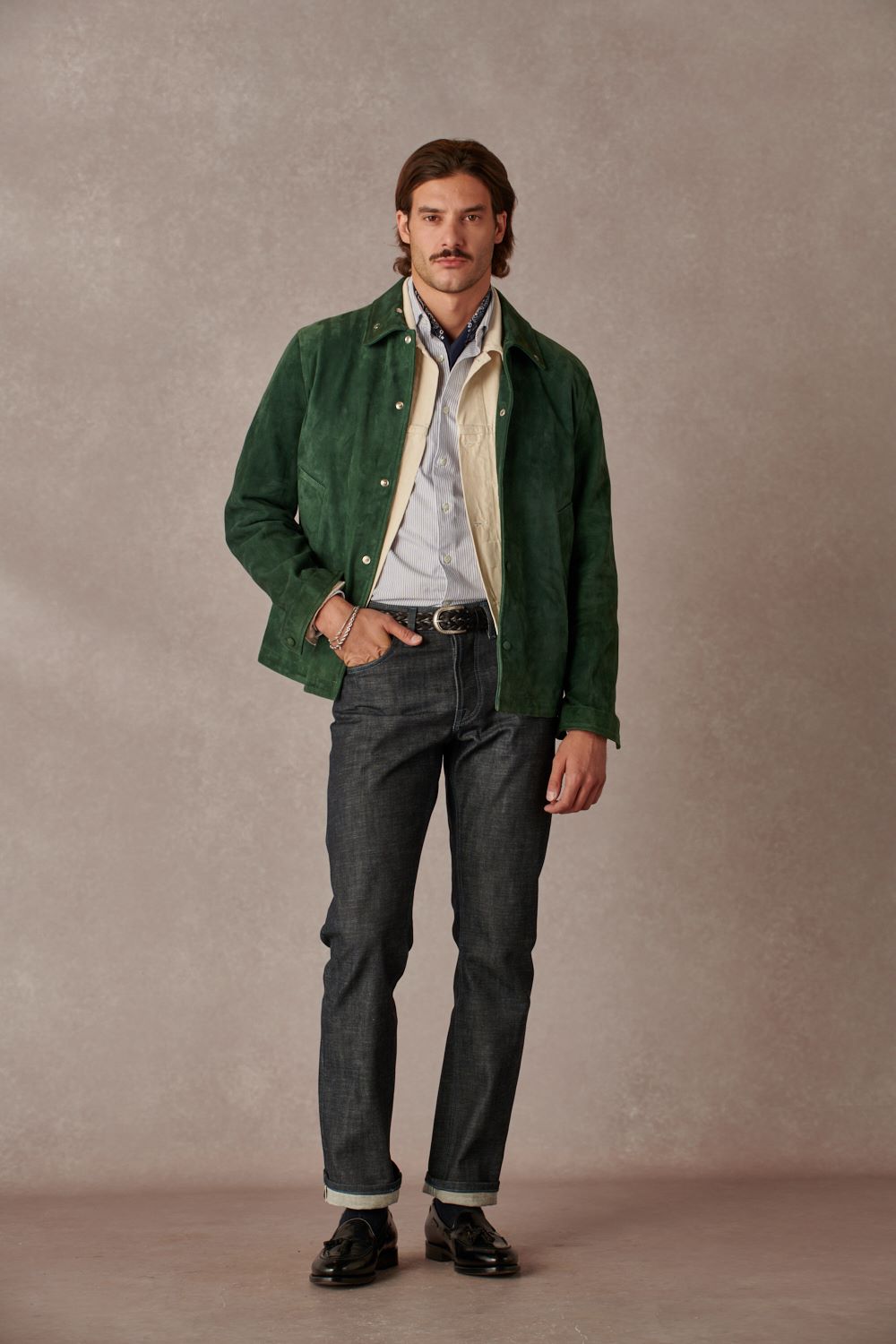
In professional environments, color plays a significant role, too. Dark indigo shades are often favored for a polished look, making them suitable for both work and more formal occasions. Luckily, these deep hues have seen a resurgence in popularity and are likely to stay in vogue for the foreseeable future. On the flip side, lighter-washed jeans generally carry a more casual feel, reminiscent of a relaxed, surfer aesthetic.
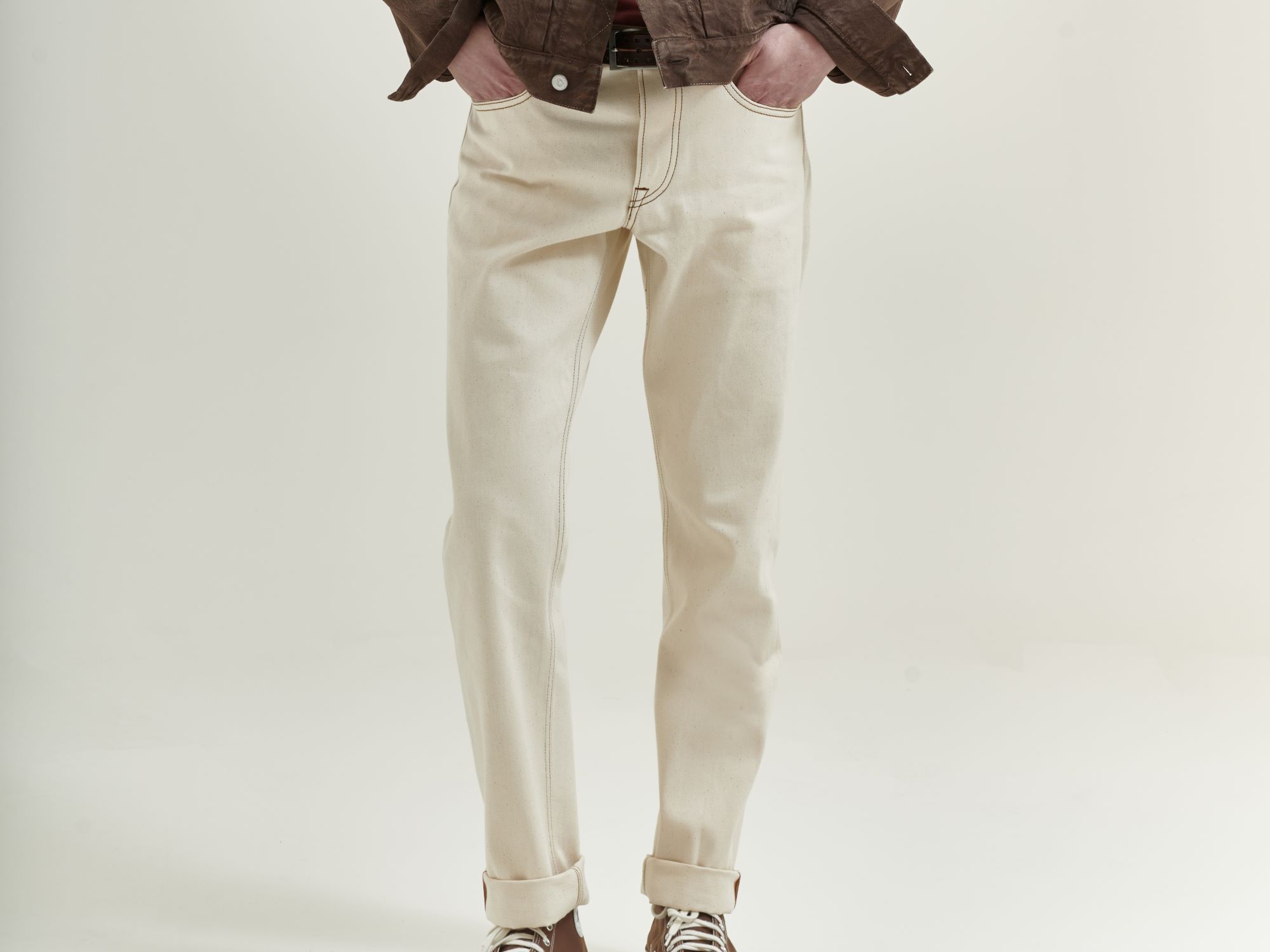
Washing techniques also impact not just the appearance but also the comfort of denim. Raw, untreated denim offers a vintage aesthetic but tends to be on the stiffer side. Conversely, washed denim is processed to achieve a softer texture and a more pre-worn look, making it comfortable right from the start. While raw denim takes some time to break in and adapt to your body, many find that the effort is worth it in the end.
Stretch, recovery, and all-day comfort
Stretch denim has gained popularity for its softness and flexibility since it emerged in the late 1970s. By the 1980s, it became a staple in women’s fashion, with designers creating form-fitting jeans that hugged the body beautifully while ensuring comfort.
Typically, stretch denim is made by blending cotton with elastane, which is commonly known as Lycra or spandex. This lightweight synthetic fiber allows the fabric to stretch significantly—up to five times its original length—and then return to its original shape without losing elasticity. This means that wearers can enjoy a soft feel from the very first wear, and the fit remains consistent over time. As a result, it’s possible to create various styles, from wide-leg jeans to snug skinny options, which wouldn’t be feasible with 100% cotton denim.
However, stretch denim isn’t always the best choice for everyone. Comfort is subjective, and some might find rigid denim—fabric without any stretch fibers—more to their liking. While rigid denim often requires a breaking-in period to fit the body better, it tends to be more breathable. This is particularly true of lighter denim fabrics crafted from natural fibers, which are gaining popularity as we look for ways to stay comfortable in warmer temperatures.
Styling slim-fit jeans for work
When it comes to stretch denim, not all stretch fabrics are the same. Comfort-stretch denim typically offers about 20% stretch, making it a great option for a variety of fits, from comfortable slim jeans to regular silhouettes to wide-leg styles. On the other hand, power- or super-stretch denim takes it up a notch with an elasticity level exceeding 30%. This makes it ideal for those super-tight fits, particularly popular in women’s skinny jeans.
Slim-fit jeans made from comfort-stretch fabric are a great option for a polished denim look without sacrificing comfort. They offer all-day wearability and can easily transition from day to night, making them suitable for a variety of occasions.
Our expert tip: to ensure your jeans maintain their shape, avoid sagging at the knees and other areas, and keep them looking polished throughout their lifecycle, invest in high-quality options. Keep in mind that not all fabrics are created equal. Conventional elastic fibers can be less durable than cotton, meaning they may wear out faster and lose shape over time if they aren’t produced or cared for properly. So, when shopping for stretch denim, pay even more attention to quality to get the best results.
What brands should consider in work-ready denim
When choosing denim for heavy work, it’s essential to prioritize durability and strength. Key factors to consider include abrasion resistance, as the fabric needs to endure friction and repetitive movements. Reinforced construction at stress points is also crucial, as is a functional design with utility pockets and tool loops. It’s important to strike a balance between weight and performance, ensuring the denim is heavy enough to withstand tough labor yet flexible enough to allow freedom of movement and comfort.
That said, the work environment has changed significantly since modern denim was first introduced in the late 19th century, and it’s often regarded as officewear today. As a result, the essential features of denim have evolved. Versatility has become a priority, enabling wearers to adapt their jeans to smart-casual work settings and leisure time. Dark washes, classic fits, and clean silhouettes are key elements that promote this adaptability.
Fabric choice is another important consideration. While stretch denim has distinct advantages, it’s not the only option available. Natural fiber blends, such as cotton, enhance breathability, especially in regular and wide-leg jeans that maintain a polished appearance without the constriction of slim fits. Lightweight denim is gaining popularity as temperatures rise, and alternative fibers, like linen, are making their way into the industry to complement natural-fiber fabrics. Flax, in particular, is an excellent choice due to its low water requirements and zero-waste production. It’s also hypoallergenic, odor-resistant, and breathable, making it ideal for those with sensitive skin. Linen helps regulate temperature and wicks away moisture, contributing to a healthier fabric by reducing bacterial growth.