 Log into your account
 Register



Since the 1960s, when surfers soaked their jeans in seawater to achieve a faded look, the denim finishing process has evolved significantly. From traditional methods like stone washing to innovative garment-finishing technologies that create complex laser patterns, the range of denim washing techniques is extensive and diverse. Let’s explore the most common options available today.
Stone washing
Traditional raw jeans develop a natural, aged appearance over time. As the top layers of indigo fade with wear, distinctive patterns emerge on the denim, such as whiskers just below the front pockets and honeycombs behind the knees. However, this process can take weeks or even months.
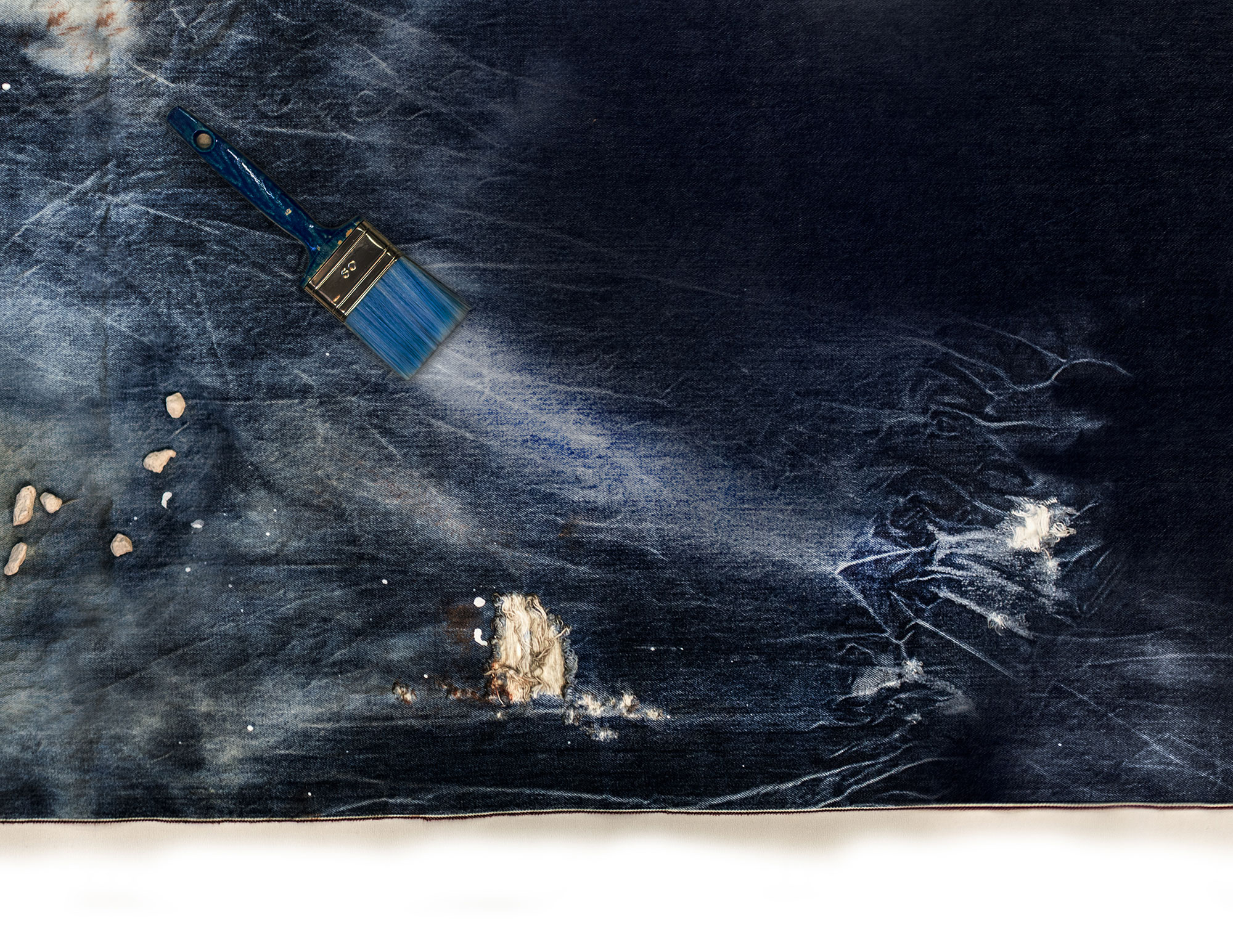
In the 1960s, California surfers and various countercultures favored jeans with a lived-in, authentic look. Still, they were not keen to wait so long and began searching for shortcuts to make their jeans age quickly. That’s why people often hung them in sunlight to encourage fading, or soaked them in a mixture of diluted bleach and beach sand to remove the upper layers of indigo. Common household chemicals such as chlorine bleach and muriatic acid, often used in swimming pools, were also used for this purpose.
Stone washing emerged as an industrial method to replicate this faded appearance and has become one of the most popular garment-finishing techniques in the denim industry. Many individuals and organizations have claimed to invent this technique between the 1950s and 1970s; however, it is widely accepted that Marithé + François Girbaud were instrumental in industrializing the process. Pumice stones are added to washing machines with jeans to abrade the fabric and remove some indigo dye, creating a worn-in, vintage aesthetic that simulates the natural aging of raw denim while softening the fabric.
Although the technique was introduced a few decades earlier, stone-washed jeans came to define the aesthetic of the 1980s. In 1986, the Rifle Jeans Company patented the method in Italy, combining pumice with chlorine to achieve an acid-washed effect that bleached jeans to almost white.
Sustainable finishing techniques
While stone washing is perhaps the most well-known finishing treatment for denim, it has raised environmental concerns over the years. Its popularity has led to extensive mining, drawing criticism from ecologists. Additionally, traditional pumice stones break down easily, creating a mud that can be harmful if released into the environment and necessitating careful, costly disposal. Furthermore, the dust that remains in the washing machines could pose health risks to workers.
Moreover, the entire garment-finishing process can have significant environmental impacts if not managed properly, as it traditionally requires a large amount of water and chemicals. If wastewater is not properly disposed of, these harmful substances can enter the environment and pose serious health risks to workers if proper safety measures are not in place.
As a result, the industry has developed alternative garment-finishing techniques, such as ozone bleaching to replace harmful chemicals and save water, or overdyeing denim with plant- or mineral-based materials. However, two of the most common methods are enzyme washing and laser treatment.
One of the most important considerations for brands and designers is selecting a fabric dyed using a technique that aligns with the desired final aesthetic. For example, if they aim to create jeans with a heavily worn-in look, they should choose fabrics dyed with a method that leaves the indigo on the surface of the yarns. This allows the upper layers to wash away easily while using minimal resources. Conversely, if they prefer their garments to retain a darker color for longer, they should opt for fabrics dyed using no-fade techniques that allow the indigo to penetrate deeply into the cotton.
Enzyme washing
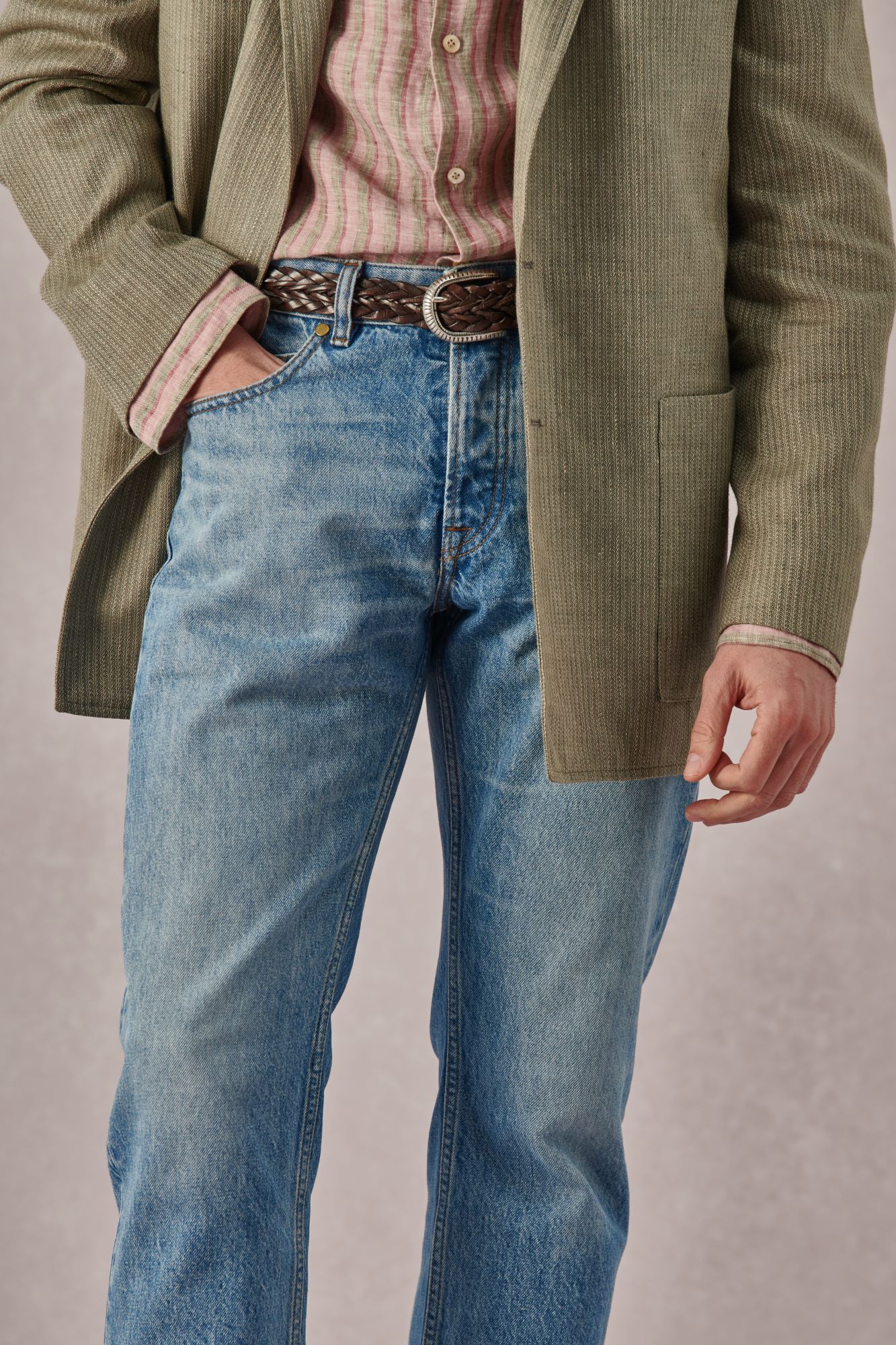
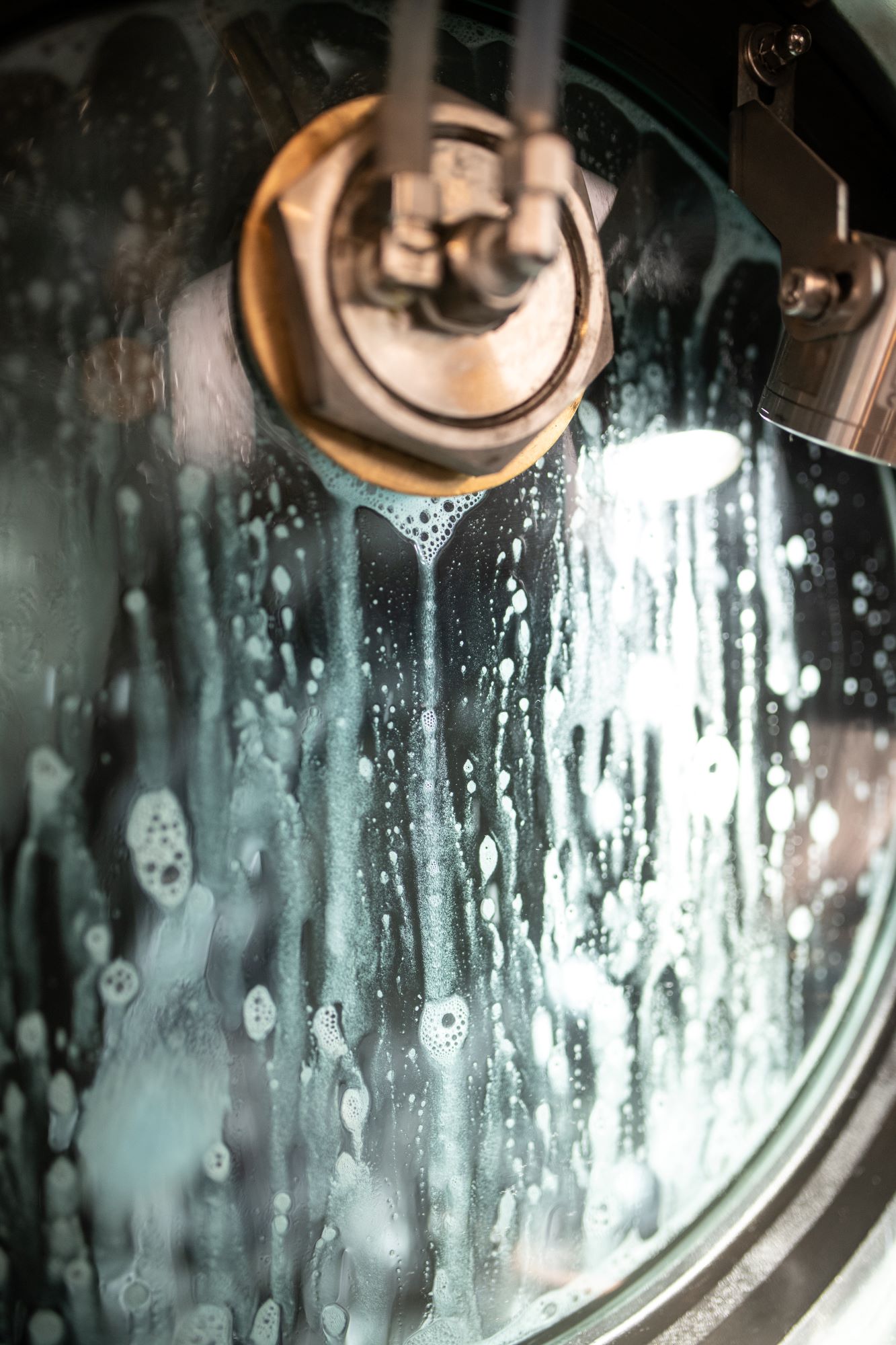
Enzyme washing can serve as a replacement for stone washing, achieving a similar faded appearance while also softening the fabric. Additionally, washing denim helps minimize the risk of shrinkage and blue bleeding during home laundering because the fabric has already been pre-wetted.
Enzymes are proteins produced by living cells that facilitate chemical reactions. In the denim industry, the most commonly used enzymes are cellulase enzymes, which break down cellulose—the primary component of cotton—and selectively remove indigo from the yarn.
Enzyme washing was first introduced in Europe in 1989 in response to growing environmental concerns about stone washing and evolving regulations on environmental practices. Additionally, enzyme washing is easier to control. Unlike stone washing, which can weaken the fabric through abrasion if not done carefully, enzyme washing generally helps preserve denim’s durability.
The impact of these processes on fabric longevity is indeed often a concern in denim finishing. While aggressive treatments can shorten the lifespan of jeans, it’s important to note that there have been significant advances in textile innovation since denim became a mainstream fashion item. These advancements have led to the creation of premium jeans that not only look great but also offer durability, balancing the benefits and drawbacks of garment-finishing treatments. Furthermore, as denim has transformed from merely workwear to a fashionable option, we can enjoy the flexibility and comfort of washed denim without excessive worry about tearing during everyday activities.
Laser finishing
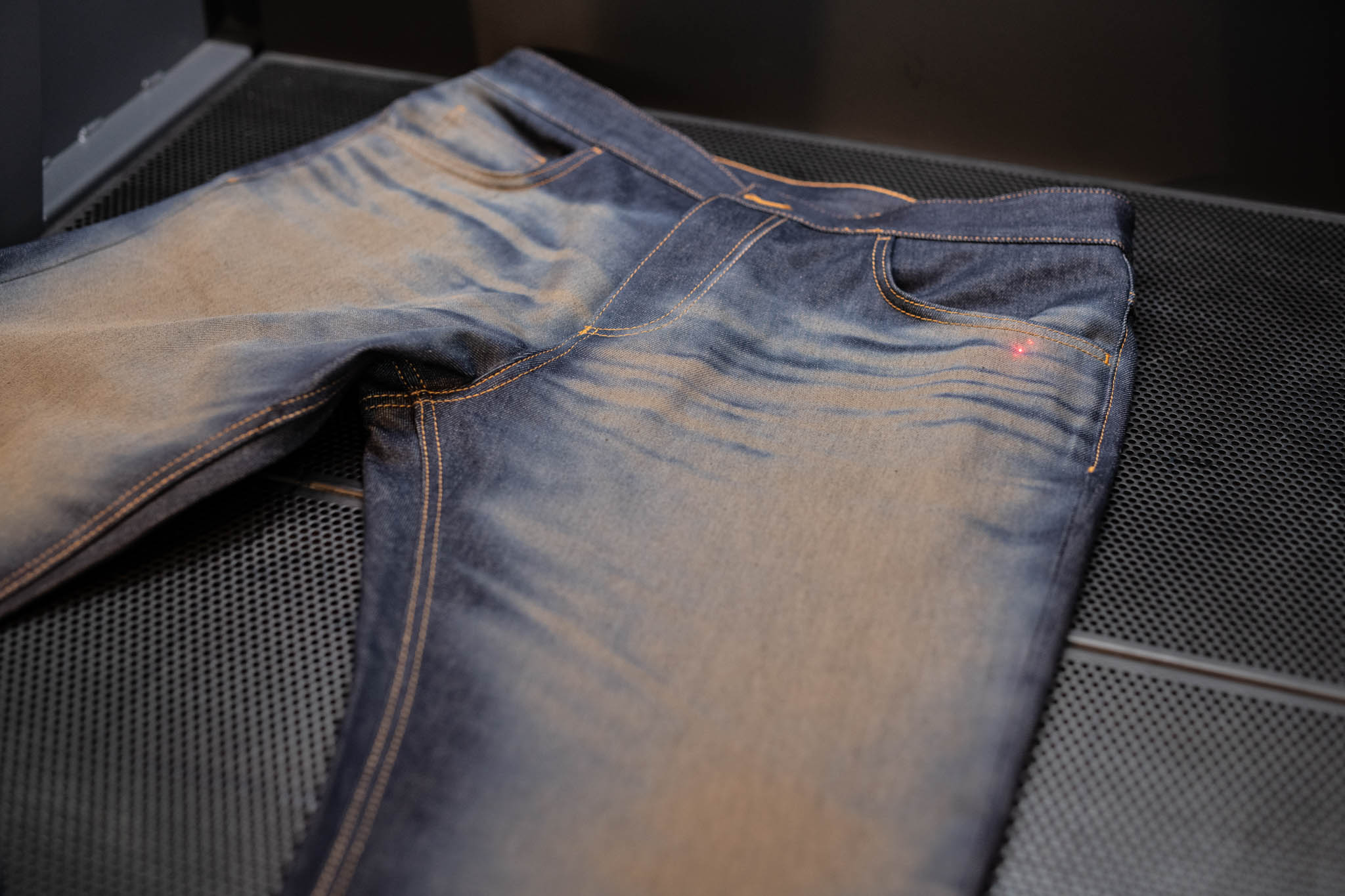
Laser technology is used to replicate the natural aging process of denim and to decorate it with precise designs. This method replaces manual scratching, which can pose safety risks to workers, especially when harmful chemicals are involved that can contact the skin or be inhaled. Additionally, laser treatment is water- and chemical-free.
The laser can be used as a standalone technique or in combination with washing, depending on the desired aesthetic. It offers great flexibility in the garment-finishing process, allowing for controlled intensity. This can range from gently vaporizing the top indigo layer to create vintage effects, whiskers, or other patterns that mimic natural aging to cutting the fabric to create intentional holes and tears.
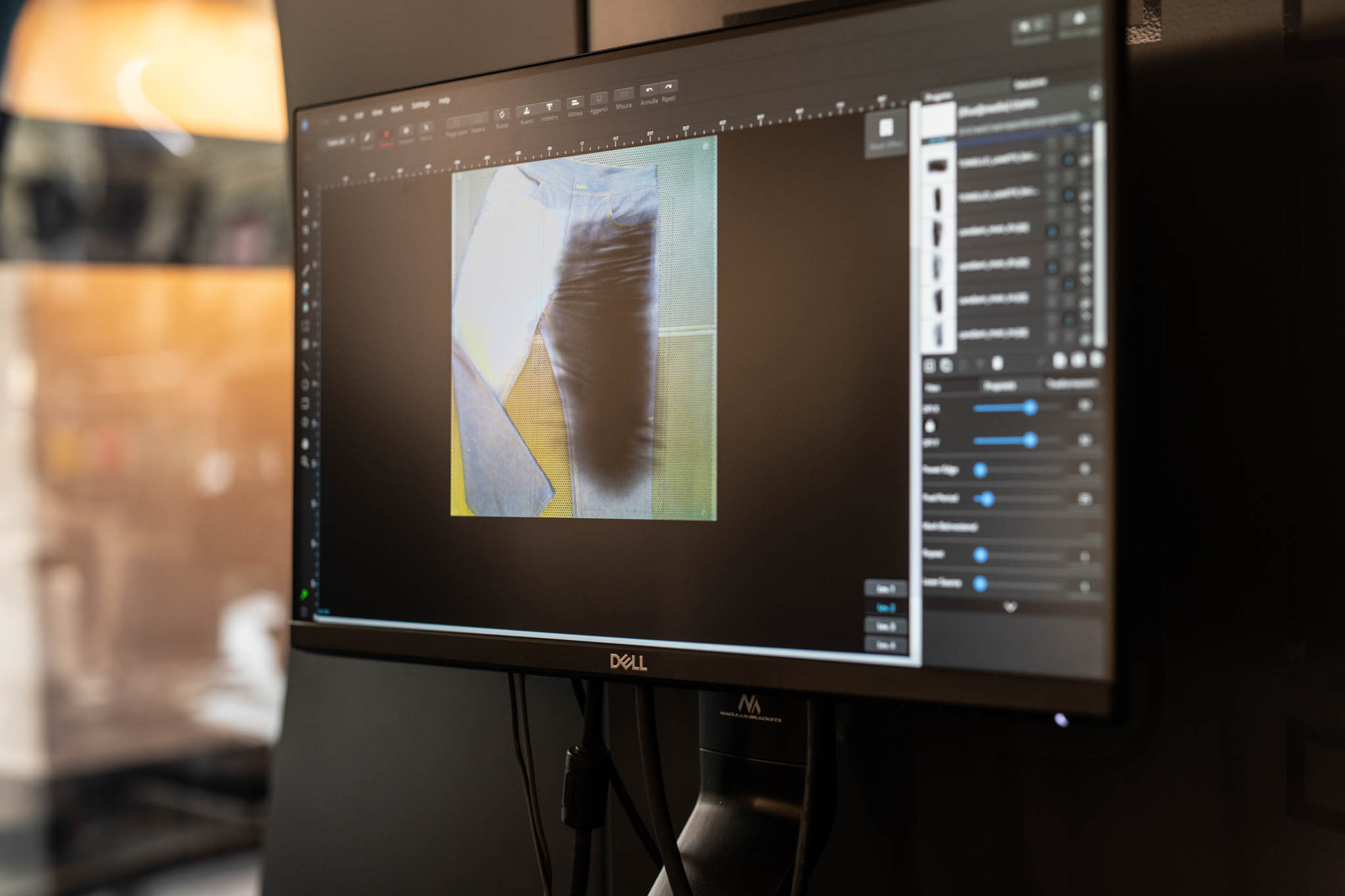
Moreover, laser technology provides a high level of control and precision, enabling the creation of high-definition, complex designs with intricate details and the customization of denim and other materials, including back patches and metal hardware. Lasers operate with extreme accuracy on specific areas, ensuring repeatability and consistent quality. These features make laser technology one of the most versatile options in the denim industry.
Denim is unique among fabrics because its finishing treatments are applied only to the final jeans, while the fabric itself is cut and sewn in its raw state. As a result, the final color of the jeans is revealed only at the end of the production process. Laser finishing allows precise placement of the desired effects on the garment.