 Log into your account
 Register



Laser technology is highly valued in the denim industry for its versatility, precision, and sustainability. It enables a wide range of designs, from subtle fading to heavy distressing, all while eliminating the need for water and chemicals. Let’s explore the potential benefits of this innovative garment-finishing technique.
What lasered denim means
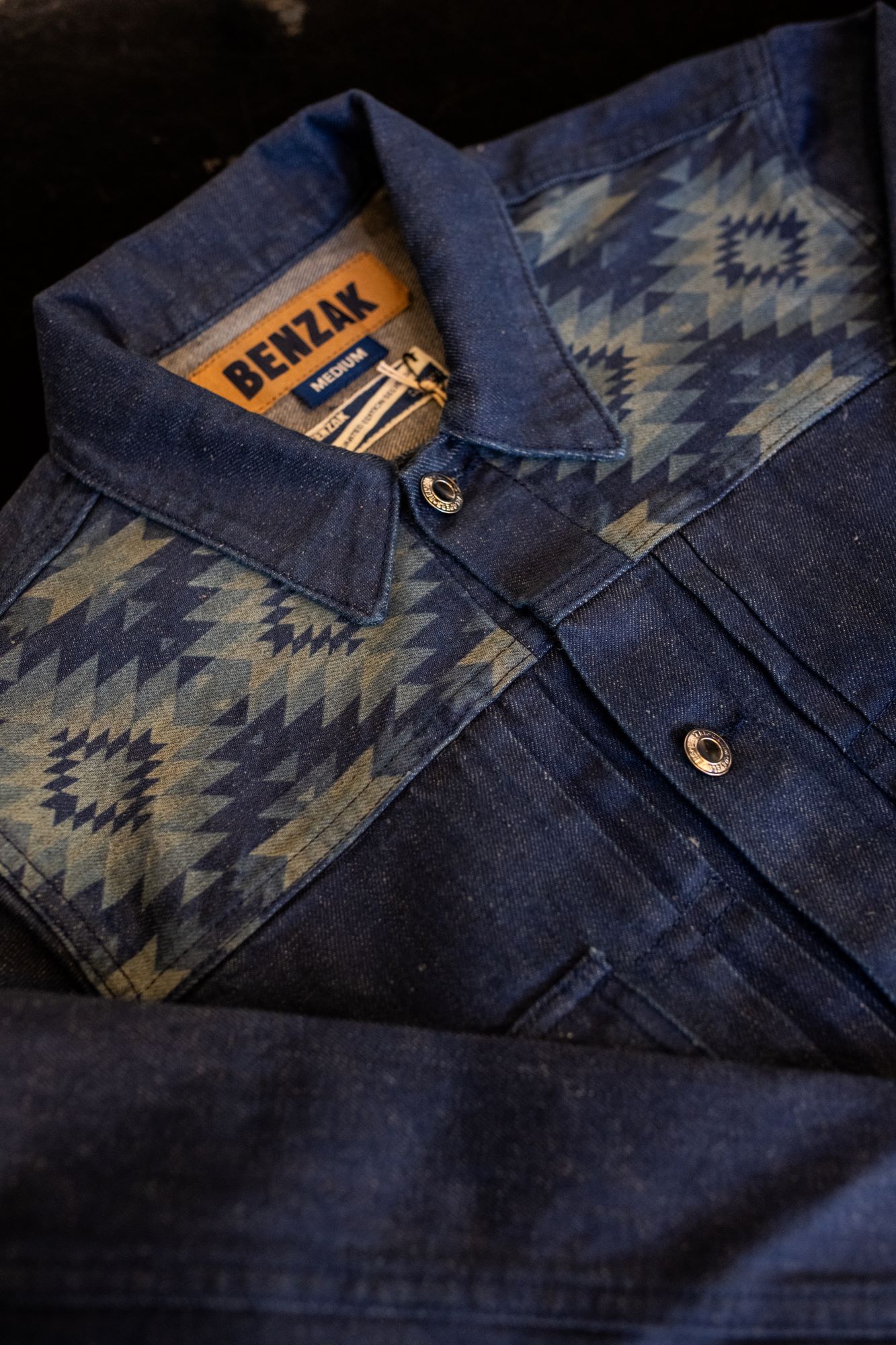
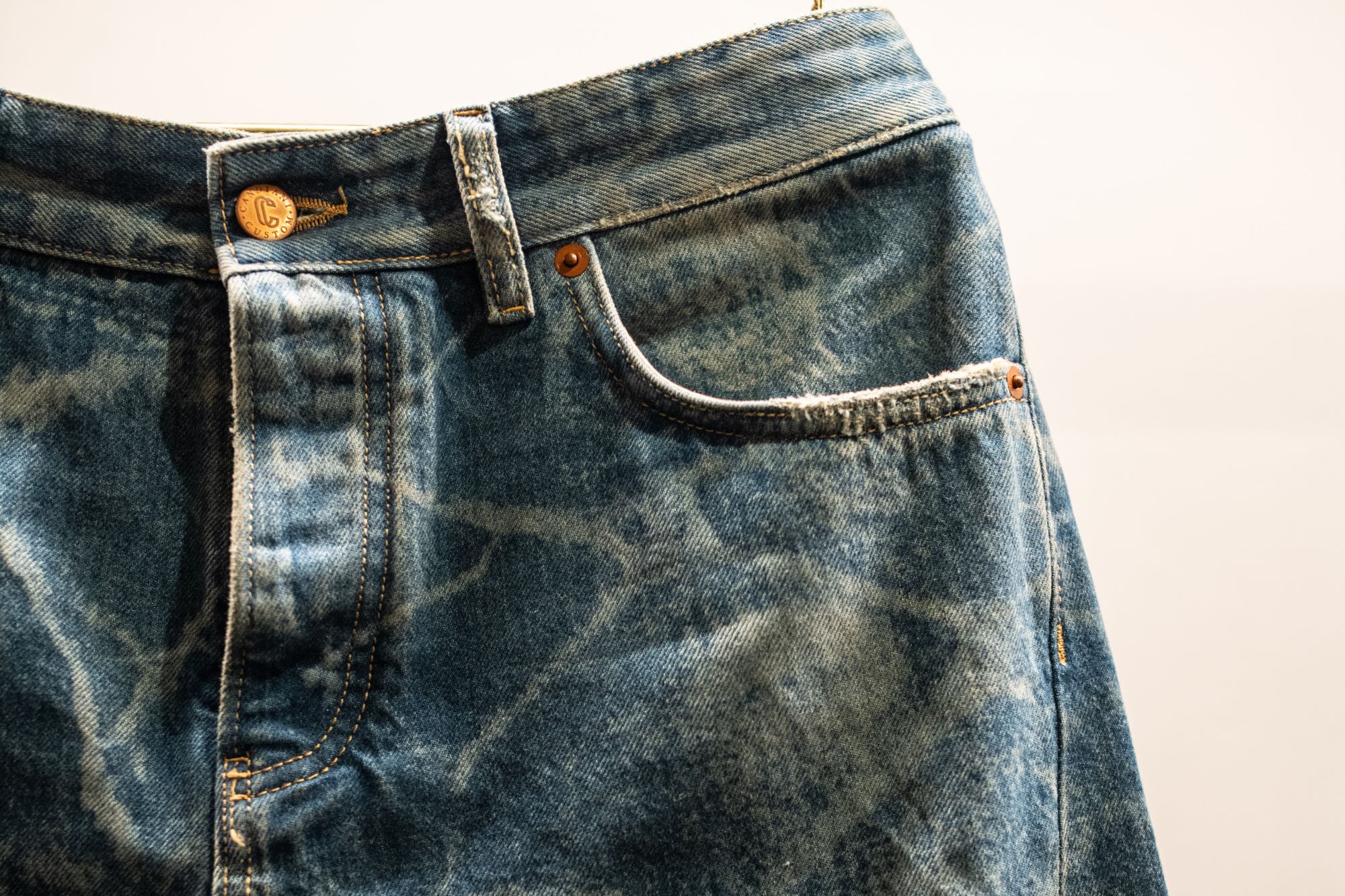
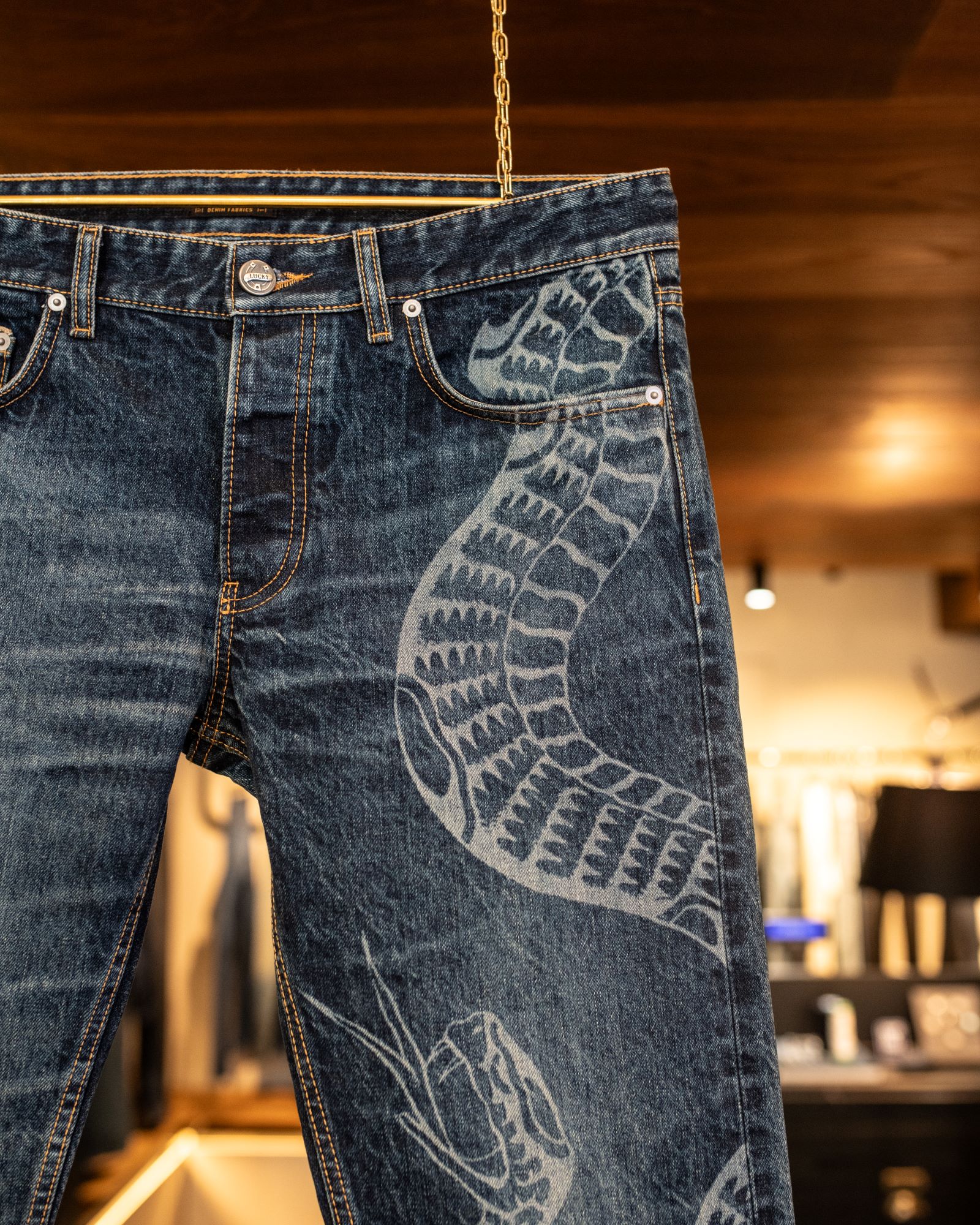
Laser treatment is one of the most versatile technologies used for denim finishing, allowing for a wide range of aesthetics. It can create a gently faded upper indigo layer to mimic the worn-in look of jeans that have been used for a long time. It can also apply precise, intricate patterns, including high-definition logos or designs, produce distressed effects with holes and tears, and even cut fabrics or other materials.
It’s important to remember that denim is always cut and sewn in its raw state. This means that the fabric arrives almost directly from the loom to the garment manufacturer, usually dark-colored and quite stiff. However, today we are accustomed to washed or treated jeans, which alter the color of the denim, make it softer from the very first day, and are applied only after sewing.
Modern blue jeans originated in the late 19th century as a raw garment; denim-finishing treatments were introduced only when jeans transitioned into casual wear and mass production took over. A key feature of raw denim is that it develops a unique, vintage aesthetic with wear, as the upper layer of indigo fades according to the wearer’s habits, telling their own story. This is why many people have noticed that jeans “bleed” blue during their initial wears or domestic washes: that’s a common characteristic of raw denim.
As jeans evolved from workwear to a wardrobe staple for everyone, consumers began to notice two things: first, vintage aesthetics were more appealing, but many were reluctant to wait for this look to develop naturally. Second, while raw jeans do break in and become comfortable over time, they often feel rough and stiff against the skin at first. Again, many people prefer not to wait. This is why treatments such as industrial washes and manual distressing were introduced in the denim industry. Over the decades, these techniques have evolved into more advanced technologies like laser treatment.
How laser finishing works on jeans
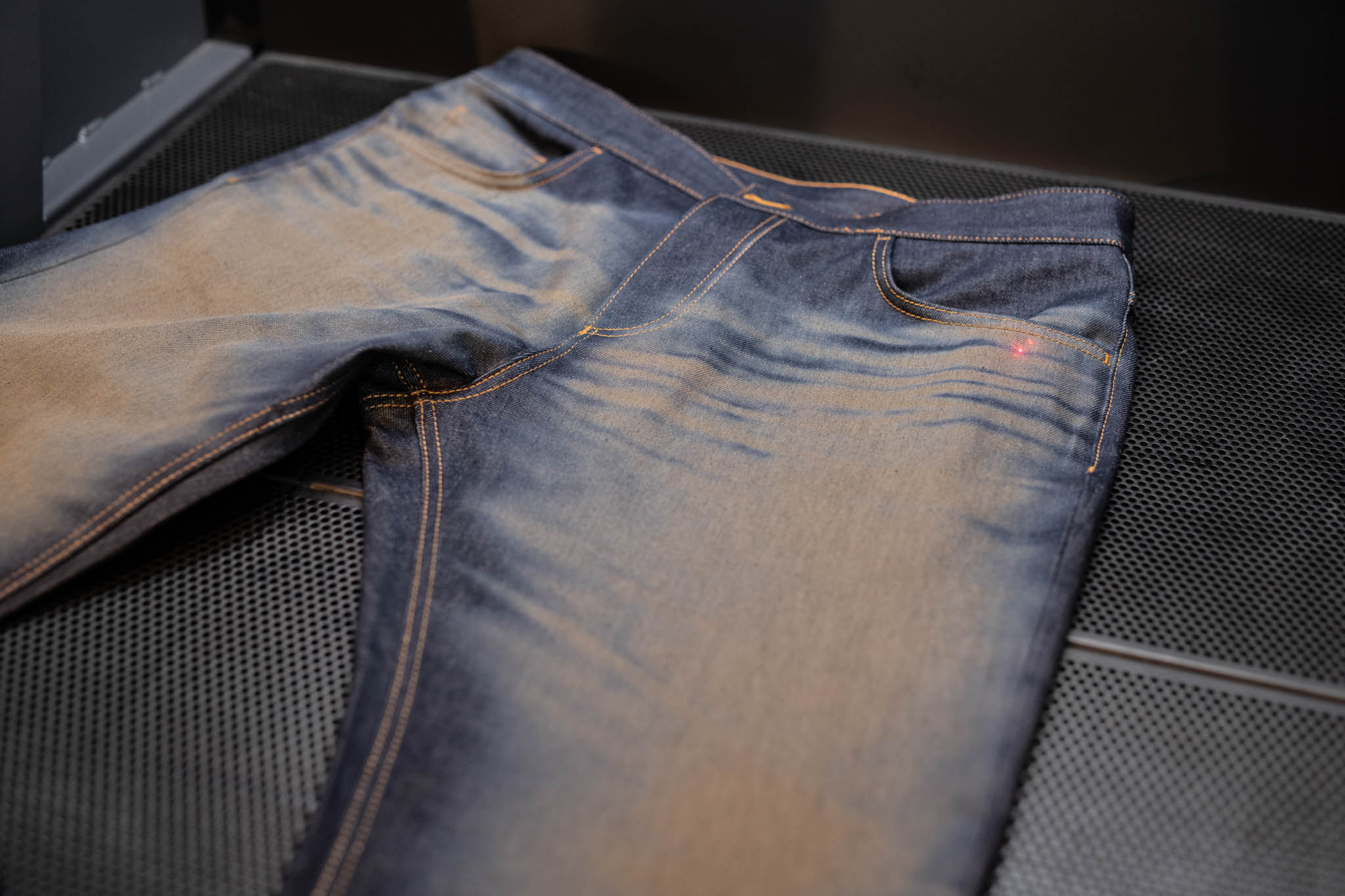
Laser technology employs a focused beam of light to selectively and precisely vaporize the upper layer of indigo dye from specific areas of denim fabric. The process is directed by software that adjusts the beam’s intensity, speed, and heat, ensuring that the top layer of indigo turns into gas without damaging or burning the underlying cotton yarns. This precision and accuracy make it one of the primary advantages of laser technology, along with its versatility.
The various settings available on the laser allow manufacturers to replicate classic whiskers—those fading patterns that appear under the front pockets of raw denim due to wear from sitting—or honeycomb patterns that develop on jeans behind the knees when they are bent. Additionally, lasers can be used for heavy distressing or to add designs such as drawings or writing, offering a wide range of creative possibilities.
Laser technology can function as a standalone method or be combined with traditional garment-finishing techniques like washing to enhance a vintage aesthetic. Furthermore, lasers can work on other materials, such as leather back patches or metal hardware.
Thanks to its numerous advantages, laser finishing for jeans offers robust customization for tailor-made or limited-run denim while also ensuring repeatable quality, which is essential for those who want to produce uniform, standardized garments. Unlike traditional washing methods, laser treatment is indeed digitally controlled, allowing for consistent designs across large production batches.
Laser vs traditional abrasion techniques
Traditional abrasion techniques are conventional dry-finishing methods commonly used in the denim industry to achieve worn-in and distressed looks. However, these techniques, which include sandblasting and mechanical abrasion, can pose serious dangers to workers if proper precautions are not taken. The sand particles (silica dust) used to wear down fabrics can be lethal when inhaled.
Another widely used chemical is potassium permanganate, which selectively bleaches certain areas of the fabric to create the characteristic whiskers that mimic natural fading from wear. However, potassium permanganate is hazardous to both workers who handle it and the environment. The acid in this substance can harm beneficial bacteria in freshwater streams if it is not properly neutralized.
In contrast, laser finishing eliminates these hazards. This method is chemical-free and does not require any human contact to scratch the indigo fabric.
Sustainability benefits and limits
The environmental and social benefits of laser technology make it stand out compared to traditional denim-finishing methods. Conventional washing processes consume large amounts of water and often use harmful chemicals, which can generate polluted wastewater if not disposed of properly. In contrast, laser finishing is a water- and chemical-free technique that produces zero hazardous waste. Additionally, this no-contact method protects workers from coming into contact with or inhaling toxic chemicals that could pose serious health risks.
Despite the many advantages of laser treatment, some brands were initially skeptical about its ability to replicate the authentic faded appearance of stone-washed jeans. Denim experts are now divided on this issue; some believe there is a clear difference between washed and lasered jeans, while others argue that lasered jeans can be even more authentic and desirable than their washed counterparts.
Stone washing is the most widely recognized denim-finishing technique. Its primary goal is to create a worn-in, vintage look by adding pumice stones to washing machines with the jeans. This process helps abrade the fabric and remove some of the indigo dye. However, stone washing has raised significant environmental and social concerns over the years. Its common use has led to considerable pumice mining, prompting criticism from environmentalists. Furthermore, the wear and breakdown of traditional pumice stones can produce problematic waste, as the resulting mud can be harmful to the environment if not disposed of correctly. There are also health risks for workers due to the dust that may remain in the washing machines and be inhaled. This is why, alongside dry finishing techniques such as laser, alternative washing methods have also developed, using gentler options like enzymes.
The final outcome of laser and other garment finishing technologies also depends on the fabric used. Certain dyeing techniques and yarn designs are tailored to optimize denim finishing performance, allowing more superficial colors on the yarn to be removed more easily, resulting in more dramatic contrasts. Therefore, it’s essential to match the right type of denim fabric with the desired final aesthetic to minimize resource consumption and ensure the best visual results.
Design possibilities for brands
Laser technology offers various design alternatives for producing vintage fading, decorations, artistic textures, and high-definition patterns, as well as applying logos. It not only reduces resource consumption but also enhances precision, flexibility, and sustainability in the production process. Additionally, laser technology significantly reduces the time required to finish jeans, enabling manufacturers to respond quickly to new trends and accelerate time to market. Designers can easily prepare the desired image using graphic design software, configure the laser parameters, position the jeans in the machine, and direct the beam to the targeted area for fading. This method eliminates the need to change physical equipment, which is often required in more traditional garment-finishing techniques.
Since patterns are generated from digital files, manufacturers can achieve consistent quality across thousands of garments, thereby reducing variations caused by manual operations. Moreover, laser technology allows for a high degree of customization, which aligns with one of the biggest trends in the fashion industry today. Some smaller laser machines have been developed specifically for in-store use, enabling the personalization of clients’ purchases. We have a similar machine at our Candiani Denim Store located at Piazza Mentana 3 in Milan, which we use to customize back patches with our clients’ names, logos, or preferred designs.
Why finishing innovation matters for premium denim
One of the main features of premium denim is its authentic aesthetic, making denim-finishing treatments a crucial step in the production process. Properly applying these treatments is essential not only for creating visually appealing jeans but also for preserving their quality and durability. If not managed carefully, abrasion can weaken the fabric and reduce the strength of its fibers. The use of lasers significantly mitigates this risk, as they can be easily controlled and their intensity precisely set.
However, further innovations are still necessary to enhance efficiency and minimize environmental impact. It’s important to understand that innovation involves more than just creating new tools; it also includes refining and improving existing technologies.
In recent years, the industry has begun adopting more responsible practices in response to increasing consumer demand, stricter regulations, and rising production costs. The impending threat of water scarcity has driven additional investments. Moreover, the trend toward digitalization and automation is opening the door for new technological advancements. Experts believe that these digital innovations will help reduce lead times, minimize waste, and improve overall efficiency and consistency in production. Furthermore, AI technologies hold the promise of enhancing the precision and accuracy of equipment, such as laser systems, benefiting the industry in the future.