 Log into your account
 Register



elvedge denim is emerging as a key trend in 2026, aligning with the broader resurgence of heritage and classic styles. However, there are numerous misconceptions surrounding selvedge denim, particularly regarding its origins, production process, and price point. Let’s explore some of the most prevalent myths, understand why they are widely accepted, and clarify why they are actually incorrect.
It was invented in Japan
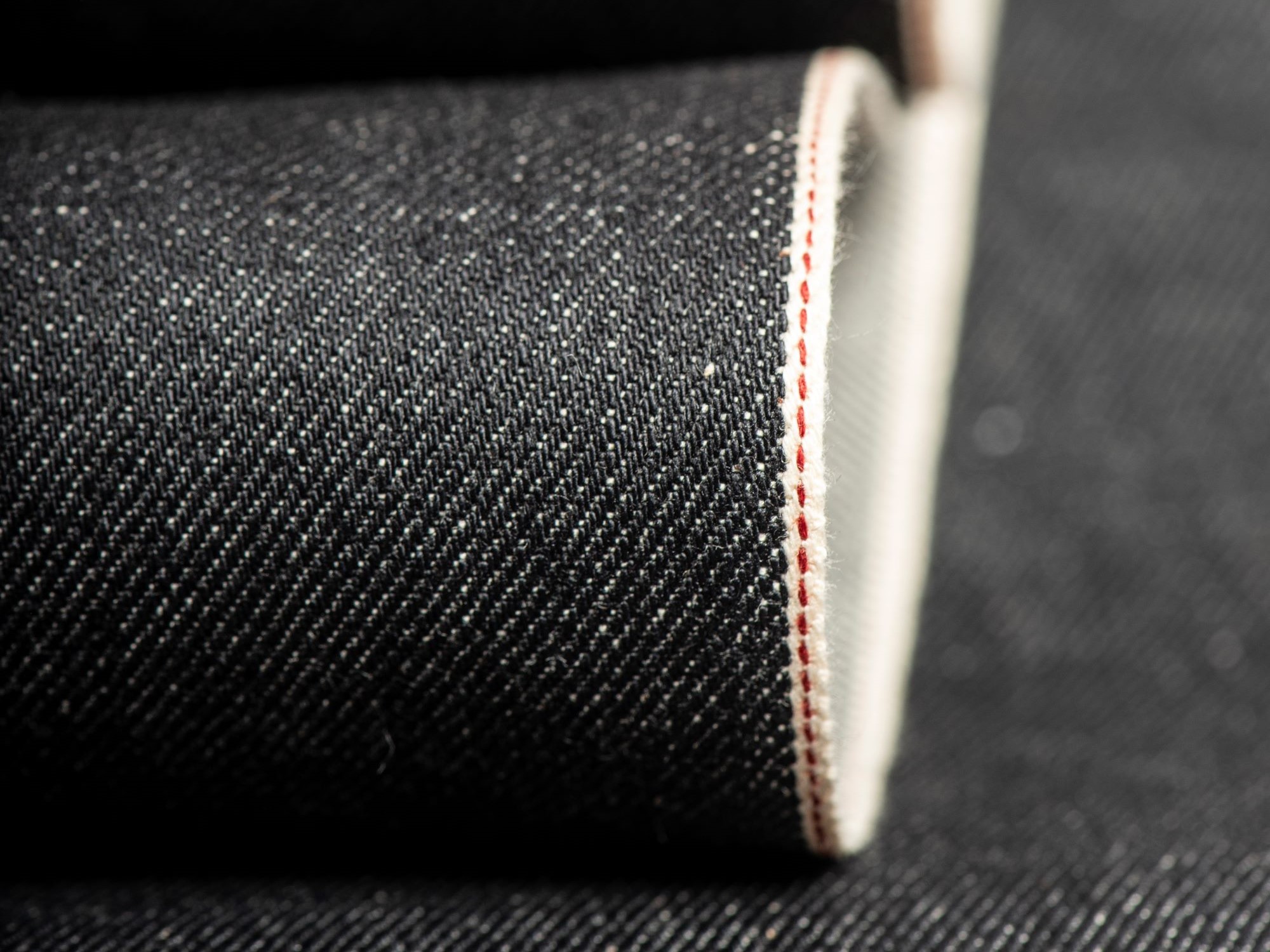
Denim has a fascinating backstory, and whether it’s selvedge or not really comes down to the way it’s woven, not where it’s made. Selvedge is made on shuttle looms and is the edge of the fabric that prevents it from fraying; you’ll often find a white band with some colored stitching. Mechanical shuttle looms were invented in the 1700s during the Industrial Revolution in England and remained the norm until the 1960s, when everyone shifted to more efficient full-width looms for mass production.
The first modern blue jeans were patented in 1873 by Jacob Davis and Levi Strauss & Co., meaning they were made with selvedge, just like all jeans were back then. Each brand had its own twist on the selvedge design: Levi’s® used red, Lee® went with blue, and Wrangler® threw in orange.
Jeans really made a name for themselves in Japan during World War II, when U.S. soldiers wore them. After the war, the Japanese began to appreciate American culture like no one else, including their style. But imports were restricted until 1957, so they were stuck with ‘40s jeans and began studying how to replicate the styles they’d seen. Kurabo was the first to produce made-in-Japan selvedge denim in 1972.
Meanwhile, U.S. brands were moving away from shuttle looms and cranking out full-width denim. That’s why selvedge denim is now mostly associated with Japan, as they’ve become masters at producing high-quality selvedge fabrics, but they didn’t invent it. And here’s another little mythbusting: while some think they got their hands on the old U.S. Drapers looms, they actually engineered their own, like Toyodas.
It’s dyed with natural indigo
When it comes to selvedge denim, a lot of folks think it’s all about natural indigo or that it has to be dark blue. But here’s the thing: selvedge actually refers to how the fabric is woven, and it really doesn’t have anything to do with the dye color. So, selvedge denim can be any color, just like any other type of denim!
There’s also a bit of confusion between the two ideas. Natural indigo isn’t usually dark; it has a bright, unique color that’s pretty easy to spot. So when you come across dark denim labeled as naturally dyed, it’s likely that only part of the dye is from natural indigo, and the rest is mixed with synthetic dyes.
That said, selvedge denim often comes in dark indigo shades because it keeps that classic, authentic denim vibe. That’s also why many denimheads wear it only raw, meaning it’s not washed or treated at an industrial level, and that indigo fades according to the wearer’s habits. Plus, the selvedge itself usually has a white band with red stitching, which is the look that Levi’s® really made famous.
It must be rigid
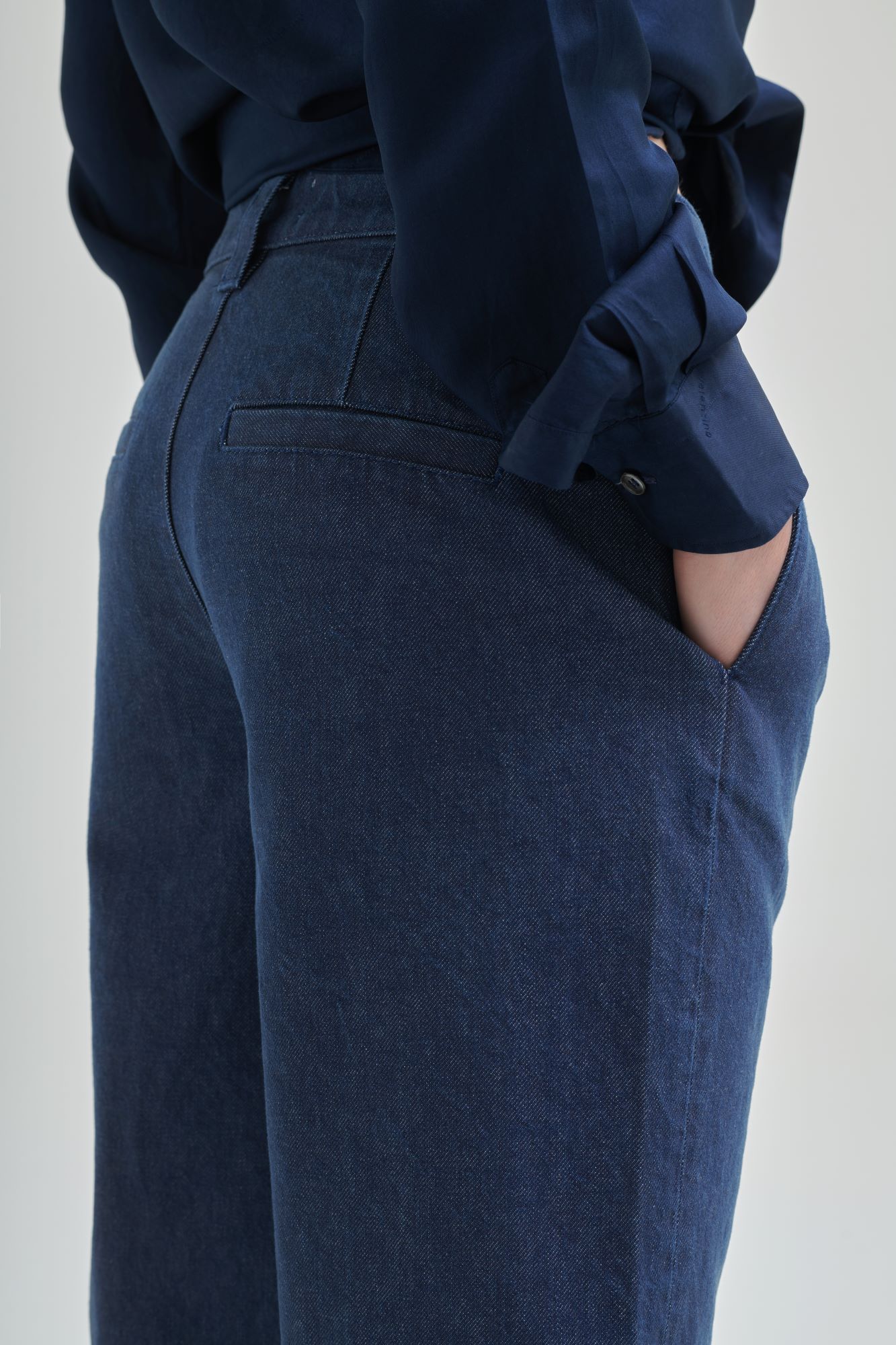
Here again, whether denim is selvedge or not isn’t really tied to how the yarn is spun, which is what determines whether it’s rigid or stretchy. Rigid denim doesn’t have any elastane or elastic fibers, which started popping up in the ’70s for a snug yet comfy fit. Additionally, rigid denim can be entirely made from cotton or from fiber blends such as cotton and linen, cotton and wool, or cotton and hemp. That’s why you can find selvedge denim in both rigid and stretchy options. However, similar to the dark indigo color, selvedge denim is often rigid to honor denim’s heritage and maintain an authentic appearance.
It’s heavyweight
Selvedge denim is commonly thought to be heavyweight; however, its weight is determined by the thickness of the yarns and their density, not by the presence of selvedge.
Typically, denim is considered heavyweight if it’s over 16 oz. Back in the day, Levi’s® picked 14 oz indeed as the standard because they needed their jeans to be tough enough for hard labor but also comfy for all-day wear.
These days, jeans have shifted in purpose, so 12 or 13 oz is the standard weight most people go for. Anything on the heavier side is usually chosen by those who want to speed up the fading of their jeans over time, creating a vintage, authentic aesthetic. However, it’s incorrect to say that heavier denim is more traditional for jeans.
It’s the most expensive choice
Finally, selvedge denim is considered the most expensive denim option. This is mainly because it’s made on rare, older shuttle looms that operate more slowly and produce narrower fabrics. So, it takes more meters of selvedge denim to make a pair of jeans compared to regular full-width denim. Plus, brands usually make smaller runs of selvedge jeans, which means they can’t take advantage of cost savings.
So, if all other factors are equal, selvedge denim tends to be more expensive than full-width denim. However, we must consider that brand reputation significantly influences pricing. This means that it’s hard to nail down a specific price for jeans. A full-width jean from a well-known luxury brand might actually cost more than a selvedge jean from a smaller or less recognized brand, even if that brand’s denim is equally high-quality.