 Log into your account
 Register




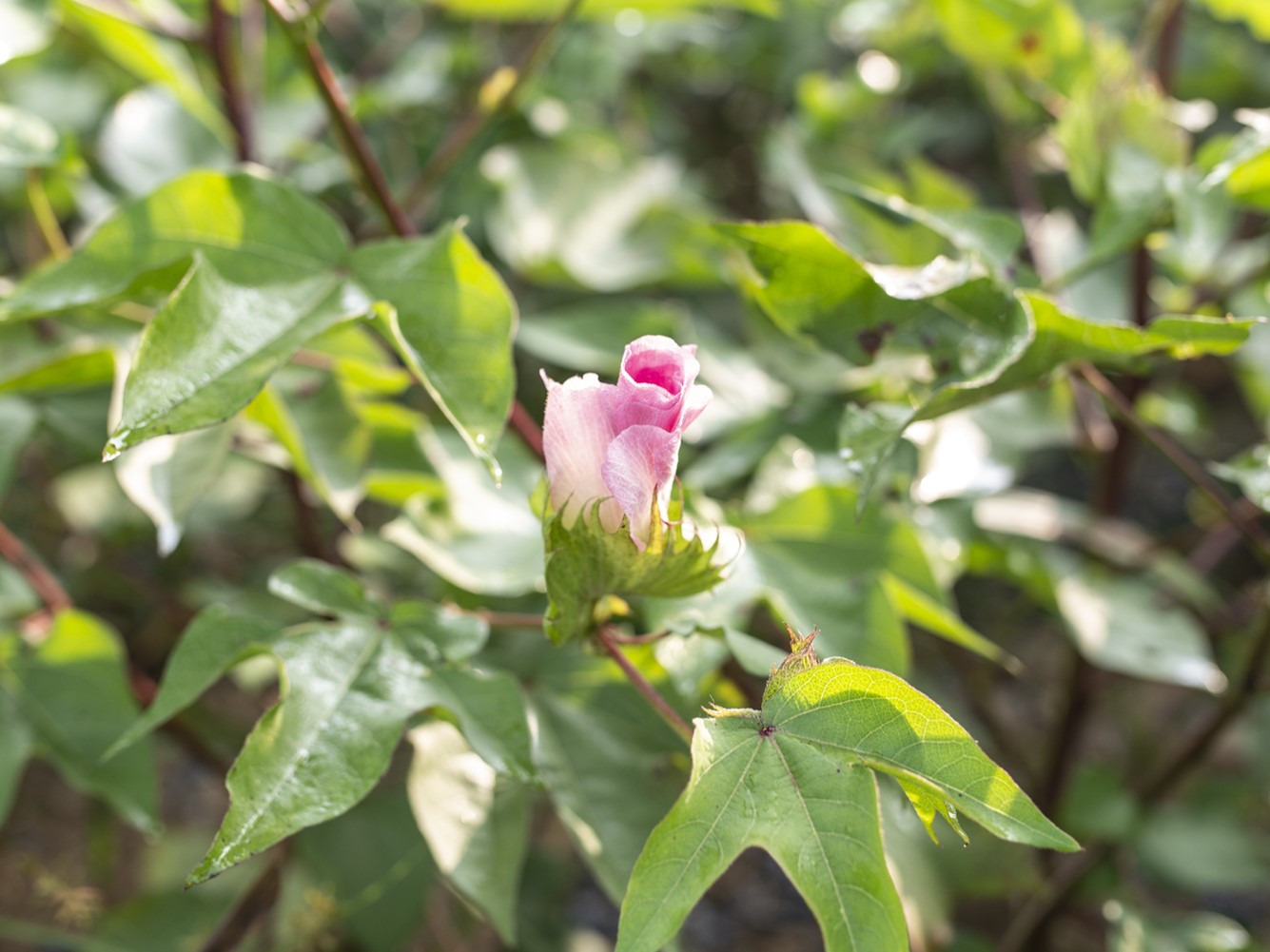
Cotton is the most widely used fiber in the textile industry. However, not all cotton is created equal; the type of fiber influences the quality and durability of the final products. Additionally, growing environmental concerns are driving a shift toward more sustainable farming practices that have a reduced impact compared to conventional agriculture. Let’s explore the best types of cotton for denim.
Long staple vs short staple cotton
Much of a cotton fabric’s feel is influenced by a quality known as “staple” or fiber length, which significantly affects the quality, strength, and softness of cotton. Cotton is typically classified into three categories: short, long, and extra-long staple (ELS).
Short-staple cotton is the most common type and is primarily used for basic, everyday textiles. The most prevalent variety of short-staple cotton is Upland cotton (Gossypium hirsutum), which produces fibers that can be spun into thick yarns. These yarns are low-maintenance yet strong enough for daily use. According to Yara North America, approximately 90% of today’s commercial cotton comes from Upland cotton.
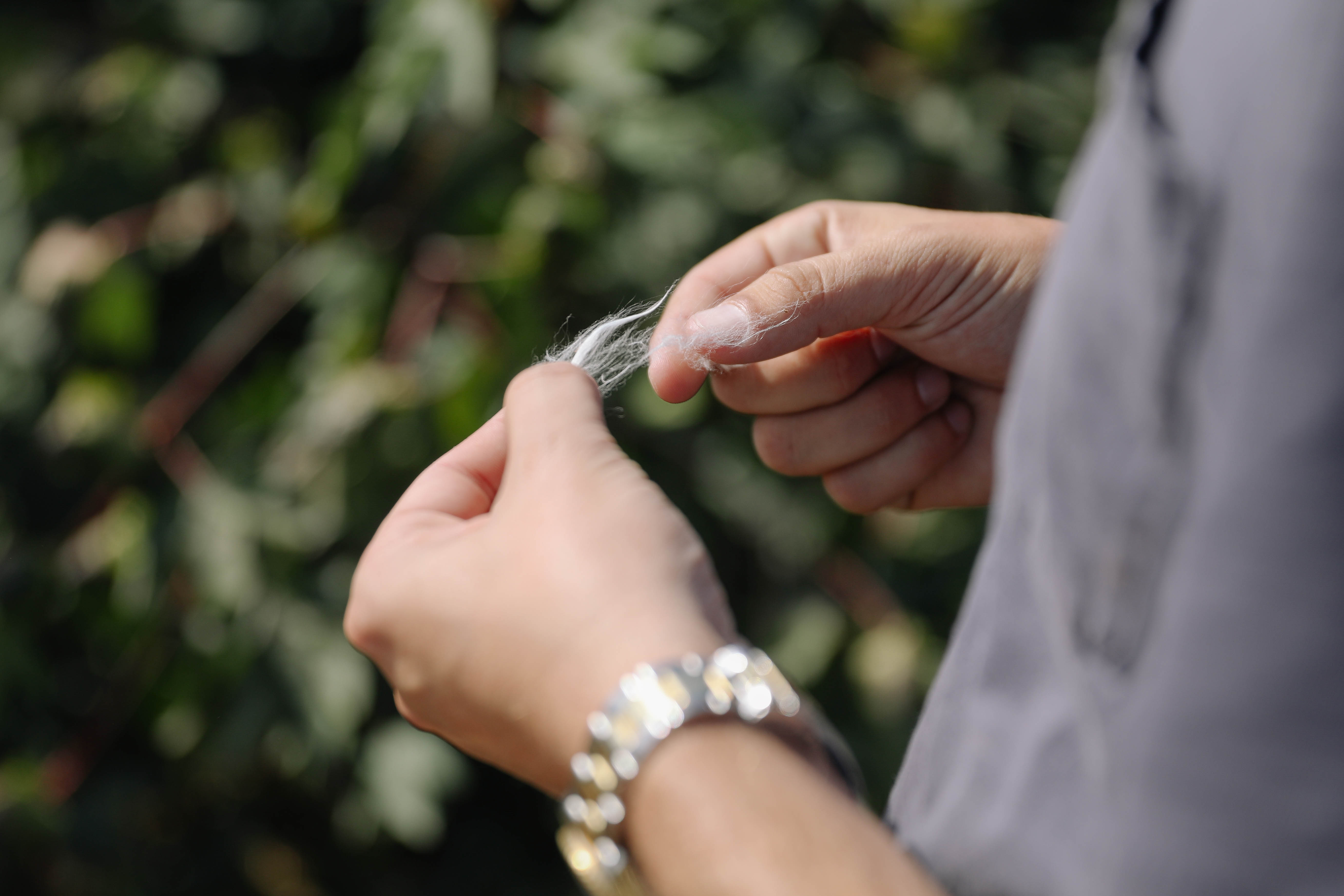
As the staple length increases, cotton becomes softer and silkier. This is why long-staple cotton is often preferred for making sheets, towels, and other high-quality products. During spinning and weaving, longer fibers produce a smoother surface with fewer exposed fiber ends.
The finest cotton products are made with ELS cotton, such as Pima cotton (Gossypium barbadense). This type of cotton produces ELS fibers and is more challenging to grow, making it less abundant than plants that produce short- or long-staple cotton. The longer fibers create thinner yarn that can be spun into textiles with enhanced drape, hand, and shine.
It is important to note that Upland and Pima cotton refer to U.S. cotton types. Still, cotton can also be classified by its geographical origin. For example, Mexican cotton generally shares characteristics with Upland cotton, while Egyptian cotton, which still belongs to the Gossypium barbadense species, is grown in the Nile Delta.
Cotton varieties used for denim
Upland cotton has long been the preferred choice in the denim industry because it is less expensive than longer-staple cotton and strong enough to withstand heavy daily use. When denim was primarily workwear, durability and ease of movement were the most desired qualities, while a soft hand feel was not a major consideration.
Like many other denim features, the choice of low- to medium-quality cotton can also be considered a legacy of Genoese fustian. During the Middle Ages, Italy became a key hub for cotton imports, with shipments arriving at the major ports of Venice and Genoa to support the flourishing textile manufacturing in Northern Italy and across Europe. While Venice historically imported high-quality cotton for limited fine urban textile production, lesser varieties of cotton from Turkey, Sicily, and Malta were brought in through Genoa. This supported larger-scale rural manufacturing in regions such as Lombardy, Piedmont, and Liguria. Genoese merchants established cotton-weaving districts in the area, producing heavy blue fabrics that were exported across Europe and came to be known as “blue jeans,” a term derived from “bleu de Gênes,” meaning “blue from Genoa.”
Today, we recognize that denim is no longer just durable workwear. As jeans have entered the realm of premium fashion, longer-staple cotton has also been introduced to create fabrics that remain durable while offering a superior hand feel. Indeed, premium denim combines high-quality materials, authentic aesthetics, and enhanced performance.
Cotton quality and durability
As we have explored in the previous paragraphs, longer fibers typically yield high-quality yarns that are both soft and durable, resulting in fine yet strong textiles. Generally, longer fibers produce more uniform yarns, resulting in smoother fabrics that maintain their appealing appearance and pleasant feel even after extended use and frequent washing.
However, it is important to note that both quality and durability do not depend solely on the type of cotton used. They are also influenced by production techniques, such as the spinning method, the density and type of weave, and the finishing treatment. Additionally, care conditions play a significant role in the fabric’s overall longevity.
Sustainable cotton sourcing
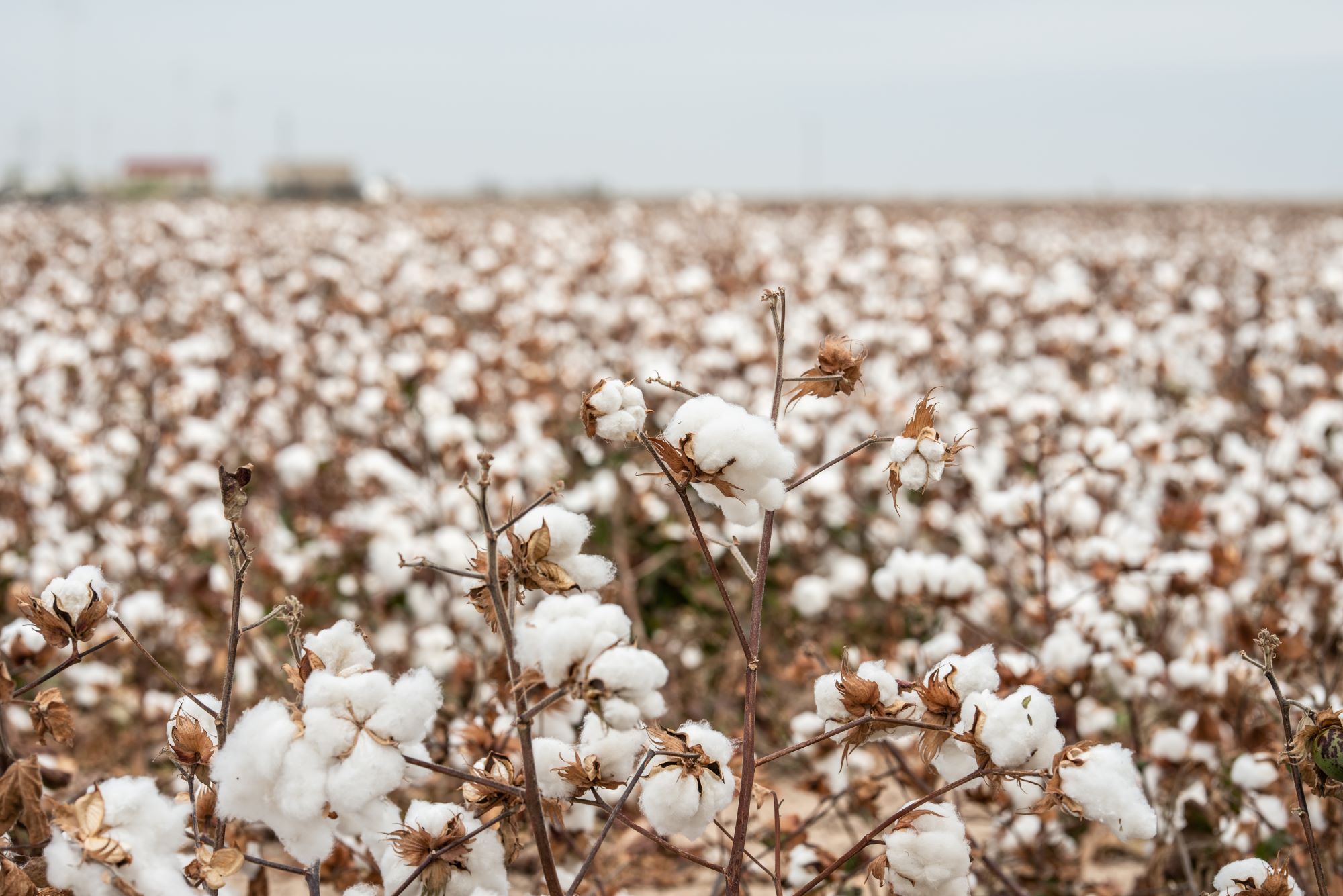
Conventional cotton production can be detrimental to both people and the environment, as it often requires large quantities of fertilizers and pesticides. With growing awareness of these issues, preferred cotton programs are gaining market share because they offer enhanced environmental and social benefits. According to data shared by producers with Textile Exchange for the 2023-2024 season, these preferred cotton varieties account for approximately 34% of global cotton production.
Organic cotton is one of the most recognized examples of preferred fibers. Its primary goal is to eliminate hazardous chemicals and genetically modified organisms (GMOs) from farming while also focusing on improving soil health and respecting human rights throughout the value chain. Although organic agriculture aims to work in harmony with nature and eliminate toxic substances, it does not necessarily avoid other harmful agricultural practices, such as tillage. The main challenges to adopting organic practices include strict regulatory standards and a complex certification process. Additionally, organic standards are uniform worldwide, regardless of local variations in soil conditions.
Regenerative cotton, on the other hand, still seeks to restore the planet’s natural functions, enhance soil health, and rebalance ecosystems, but its practices are generally more farmer-friendly and may vary across different regions, taking into account factors such as soil properties, biological conditions, and climate. Common approaches include using cover crops to protect and enrich the soil, practicing crop rotation to maintain or improve soil fertility, and minimizing or eliminating mechanical tillage to preserve beneficial microorganisms essential for soil health. Healthy soils help reduce erosion, require less water, and are more resilient to droughts and floods. They also store more carbon dioxide underground and improve yields for farmers. Additionally, stronger, healthier plants are better able to fend off weeds and pests, thereby requiring less chemical fertilizer and generally generating stronger, healthier fibers. These benefits lead to greater biodiversity, enhanced profitability, reduced greenhouse gas emissions, climate change mitigation, and improved hydrogen, carbon, and nutrient cycles.
Consequently, the main distinction between organic and regenerative farming is that organic practices focus on strict processes, while regenerative practices are better defined by their outcomes. However, it is important to note that these two standards are not rivals; they can be combined for additional benefits.