 Log into your account
 Register



The significant negative environmental impact of the denim and broader textile industry has recently attracted worldwide attention. One of the main issues is the common use of synthetic fibers that release microplastics, which have been discovered in locations ranging from the deepest oceans to the highest mountains. Elastane is often used to produce stretch denim, but it can have lasting, harmful effects on the planet that persist for centuries. This has led to growing interest in developing biodegradable denim. Let’s explore it.
What does biodegradable mean?
According to the European Environment Agency (EEA), biodegradable materials can decompose quickly through the action of microorganisms in natural conditions, whether aerobic (with oxygen) or anaerobic (without oxygen). However, for a material to be labeled as biodegradable, it must not only break down into natural elements without causing harmful environmental effects but also do so within a relatively short timeframe. European regulations specify that a material must decompose by at least 90% within six months after disposal.
While the terms “biodegradable” and “compostable” are often mistakenly used interchangeably, they are distinct concepts, even though they share some characteristics. All compostable products are biodegradable, but not all biodegradable products are compostable. Compostable materials biodegrade into nutrient-rich compost under the right conditions, causing no harmful environmental effects and potentially having a positive impact.
100% cotton denim is inherently biodegradable, as cotton is a natural fiber. However, dyes and other materials may present issues. The main challenge to biodegradability in the industry comes from the widespread use of elastane in stretch denim fabrics. Elastane is a synthetic fiber that photodegrades, meaning that when exposed to environmental factors such as sunlight, it breaks down into smaller fragments, ultimately forming microplastics that can persist in the environment for centuries.

Our journey towards biodegradable denim
As a renowned specialist in stretch denim, we have recently dedicated ourselves to developing biodegradable denim in this specific segment to reduce the negative environmental impact of conventional elastane. This fiber was introduced to the industry in the late 1970s for its ability to stretch up to five times its original length and then return to its original shape, enabling the creation of more feminine jeans that enhance body shape while ensuring comfort.
After introducing recycled elastane to our collection, we shifted our focus to the end-of-life phase of our denim. This led to the creation of ReSolve, a family of stretch denim fabrics that, while not strictly biodegradable, can decompose without harming the environment. This is thanks to an innovative custom-developed stretch yarn that releases no harmful substances. The ReSolve technology received the Environmental Compatibility certification from the Hohenstein Institute.
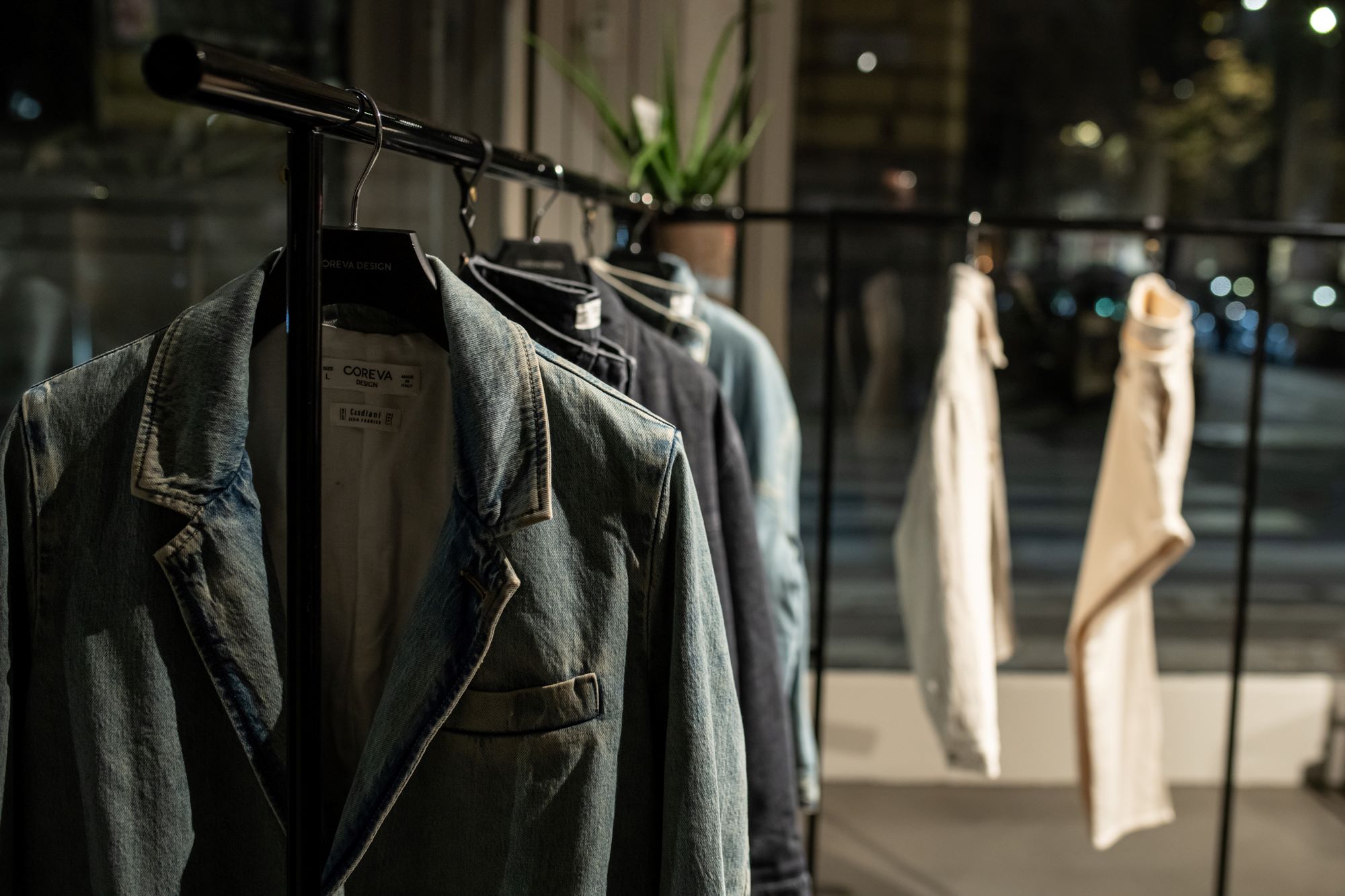
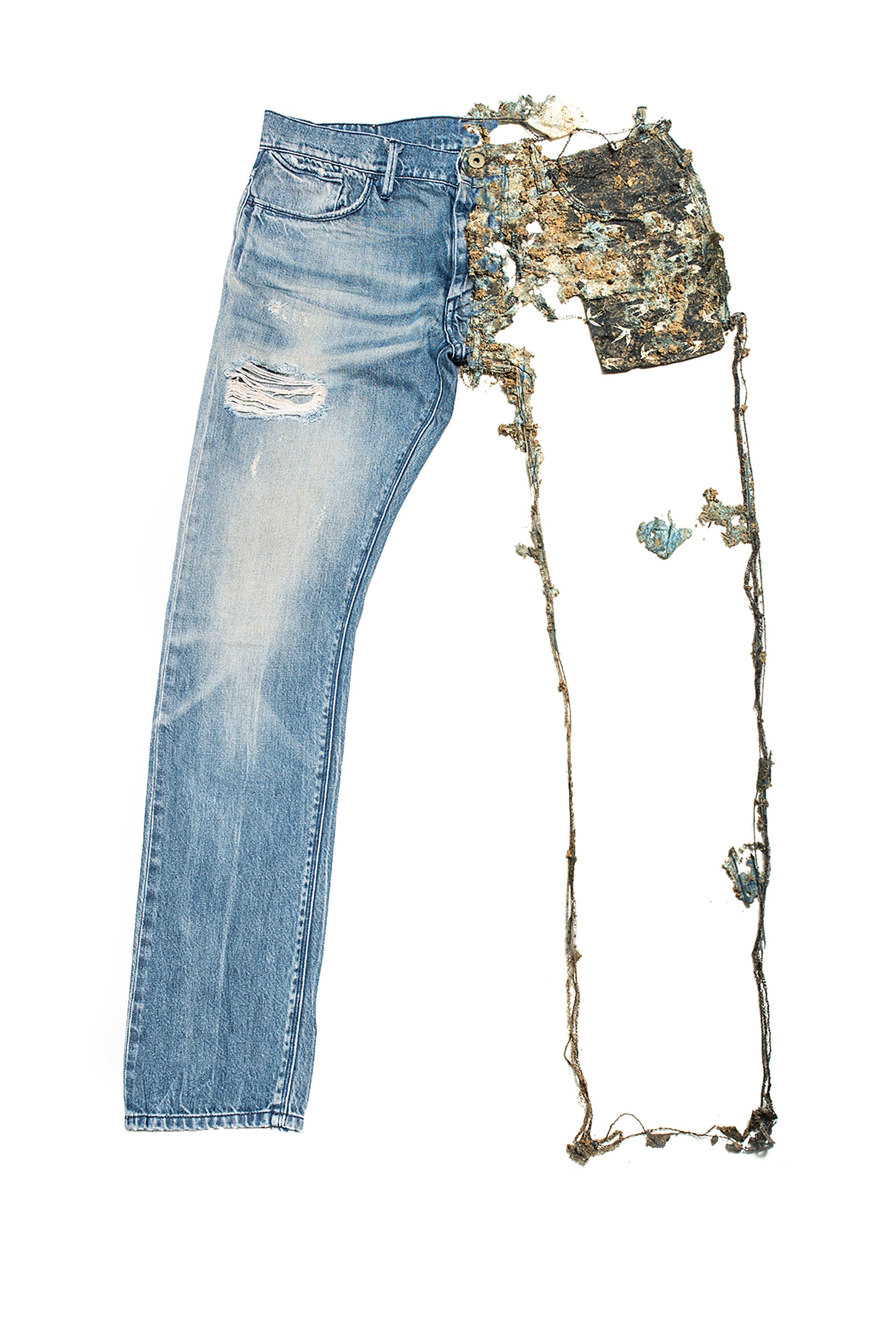
However, we aimed to go even further. After five years of intensive research and development, we launched our COREVA™ technology in 2019, which introduced the world’s first compostable, plastic-free stretch denim. Testing has confirmed that, under the right conditions, COREVA™ fabrics break down without leaving harmful residues, allowing plants to thrive in their place. Although our fabrics contain no traditional elastane, our patented COREVA™ technology guarantees the same performance, elasticity, softness, and aesthetic appeal as our other stretch fabrics.
Why compostable jeans could change the industry
Compostable jeans could be a game-changer for the denim industry, helping to shift toward a circular fashion model that allows garments to return to nature at the end of their life cycle. While many materials and accessories used in jeans, such as metal hardware and polyester threads, can be easily reused or recycled through garment disassembly, stretch fabrics pose a challenge. These fabrics often contain fiber blends that are currently difficult to recycle, leading to their incineration, landfill disposal, or even abandonment in remote areas such as deserts or beaches.
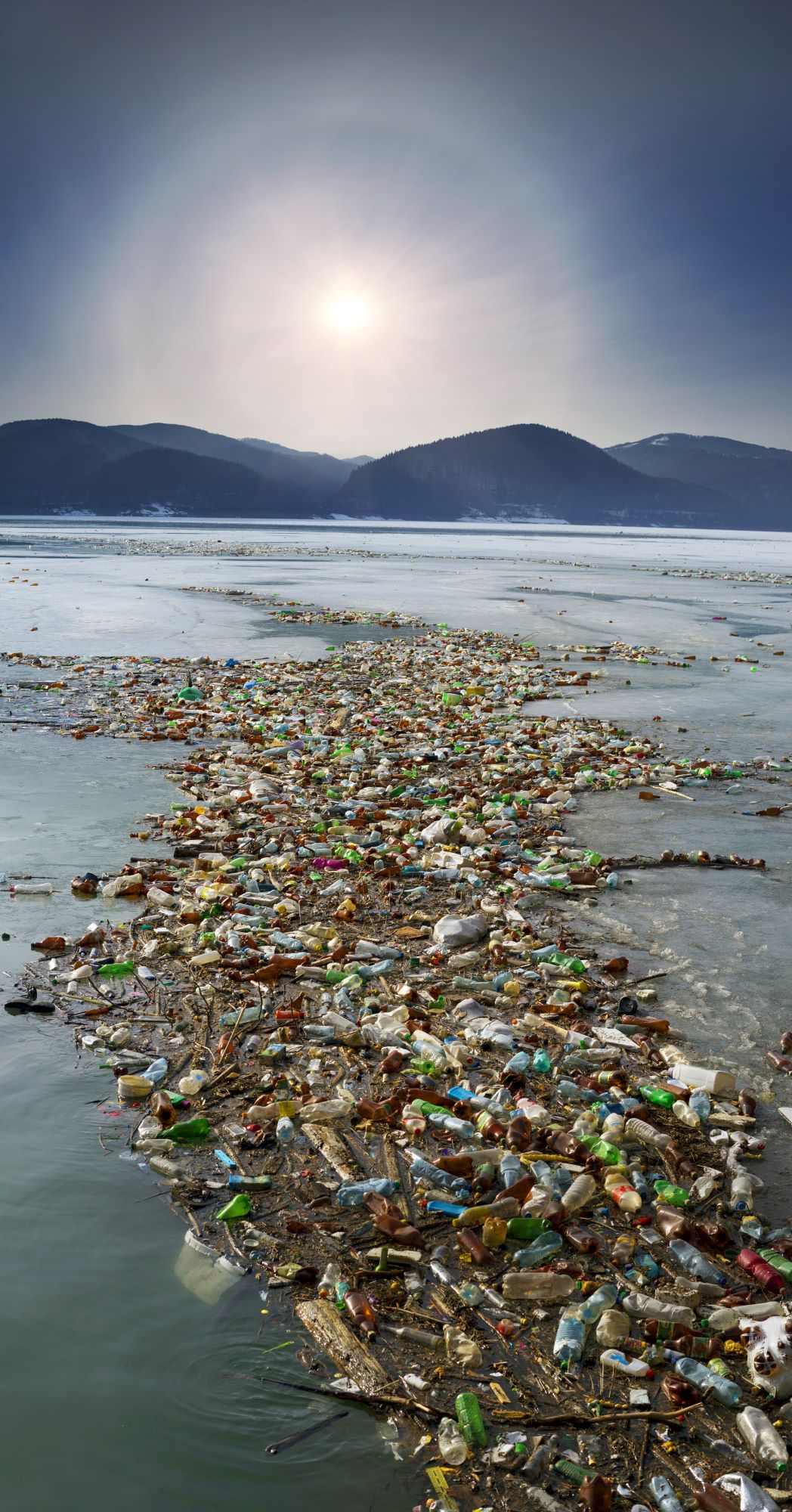
Understanding the issue of textile waste is easier with real-world data. The United Nations Environment Programme (UNEP) reports that 11% of plastic waste comes from clothing and textiles. This statistic is striking, especially considering that nearly 32 million tons of plastic waste are generated in Europe alone each year. It’s also essential to note that synthetic fabrics can release microplastics not only when discarded, but also during wear and washing. According to UNEP, around 60% of clothing contains synthetic fibers, and roughly 9% of all microplastics in the oceans come from microfibers released by textiles.
Globally, 92 million tons of textile waste are produced each year. A 2015 paper by Luiken and Bouwhuis indicated that 2.16 million metric tons of this waste comes from denim. This staggering amount largely stems from clothing production doubling from 2000 to 2015, driven by the rise of fast fashion and the growth of a global middle class with increased disposable income, as noted by the Ellen MacArthur Foundation. Consequently, the lifespan of garments has decreased by 36%.
The real impact of our COREVA™ denim
In 2020, we tested COREVA™ in collaboration with Innovhub, in accordance with the ISO 16929:2019 and EN 13432:2000 Annex E/AC:2005 standards. After 12 weeks, 98.1% of the COREVA™ sample’s original mass had decomposed. Additionally, mung bean and barley seeds planted in its compost germinated and grew successfully, with no adverse effects on the plants.
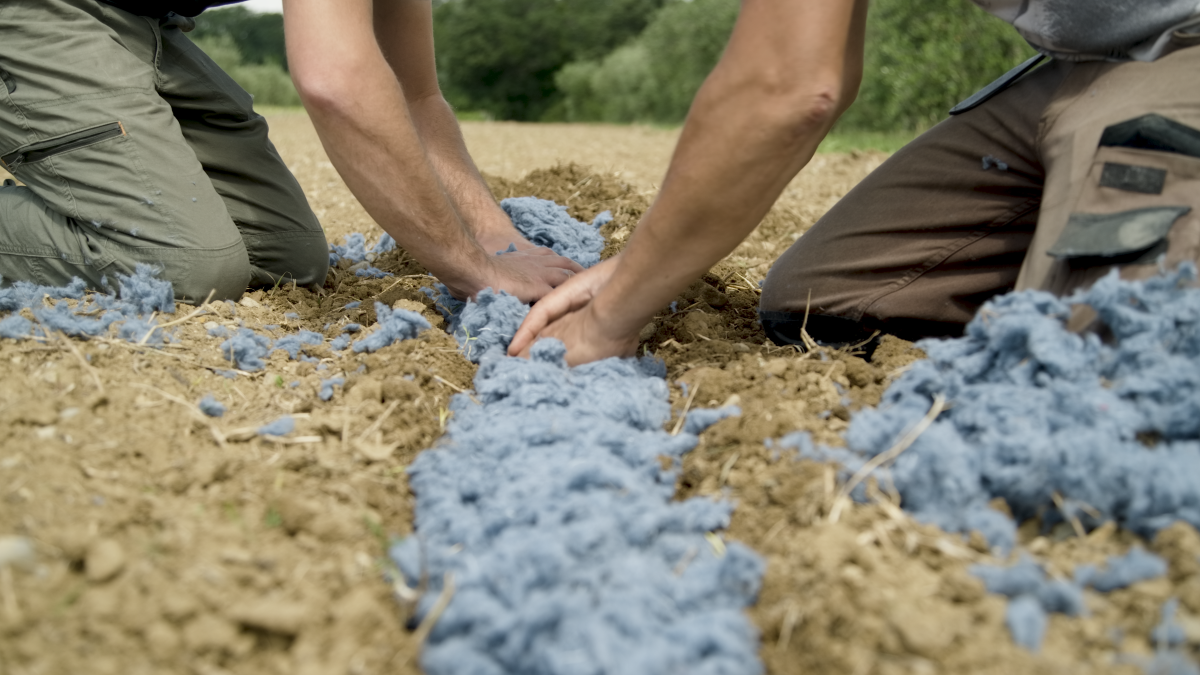
Two years later, we moved to California to close the loop in the denim industry in a real agricultural setting, partnering with the Rodale Institute California Organic Center. We buried COREVA™ fabric scraps in the soil to assess their impact on soil health and the growth of our proprietary Blue Seed cotton over a year. No negative effects on the soil were observed, and enhanced soil respiration and consistent moisture levels were noted.
Finally, we returned to Italy to explore the connection between fashion and food, partnering with Quintosapore to grow tomatoes using regenerative farming practices and COREVA™ offcuts. Tests conducted by Ars Chimica Laboratorio Chimico compared soil with and without COREVA™ to examine changes in chemical composition, heavy metals, colorants, and overall soil health. All parameters were consistent with the initial soil tests, which means that the addition of COREVA™ did not alter the soil’s normal chemical composition. Soil moisture levels similar to those observed in the previous experiment were also noted.