
 Log into your account
 Register

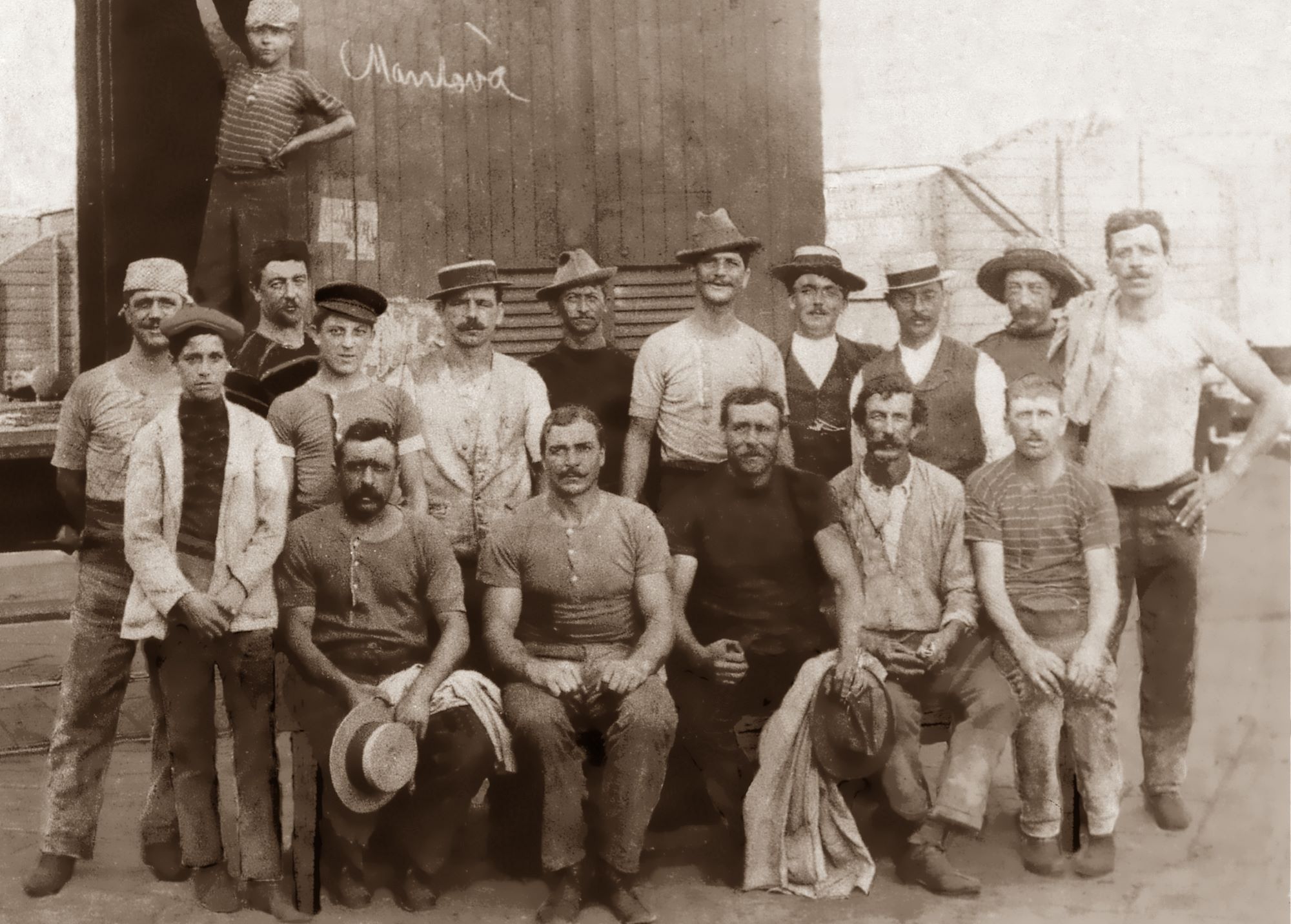


The origin of denim dates back to the bustling streets of medieval Europe, specifically the vibrant port city of Genoa, a crucial link between the Old Continent and the rest of the world. The history of denim is one of rich tradition and innovation; it has evolved from its simple beginnings to become a symbol of luxury today. This fabric, often hailed as the most democratic of all, has also resonated with people of all ages, backgrounds, and cultures for decades. Let’s explore together why denim continues to hold such a special place in our hearts.
Denim in workwear history
Let’s get back to the 16th century, when a precursor of denim was primarily used by Genoese sailors and port workers. These workers favored a durable fabric known as fustian for their workwear, which resembles modern denim: it had indigo-dyed warp and was made of cotton.
Fustian had been quite popular throughout medieval Europe for centuries due to its affordability and durability. However, the manufacturing process varied by location, resulting in different types of fustian named after their cities. The fabric produced in Genoa was called “bleu de Gênes” from its signature color and the French name of the city, which eventually evolved into the term “blue jeans.”
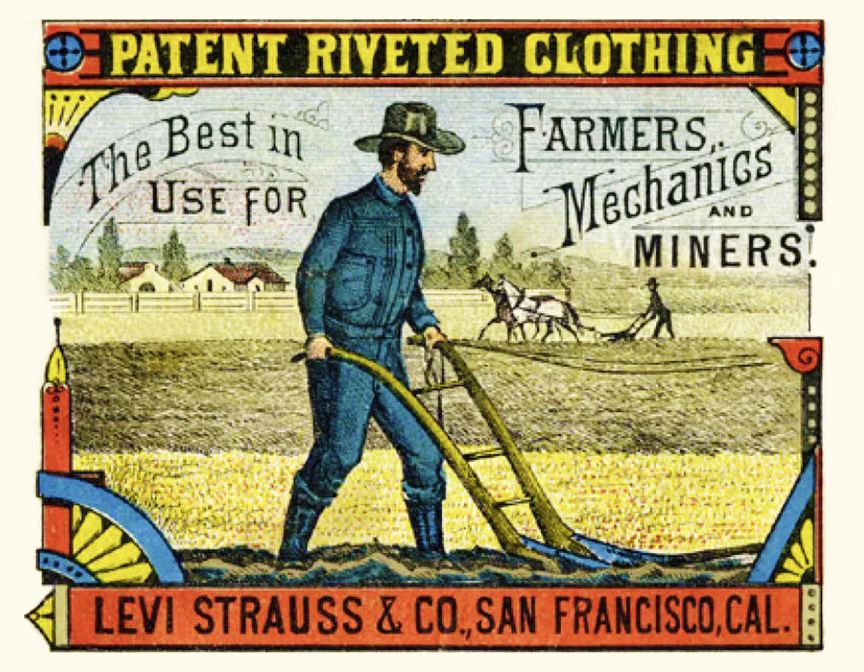
The strategic location of the port of Genoa facilitated both the import of cotton and indigo to produce fustian and the export of this fabric across Europe, contributing to its growing popularity. As demand increased, so did interest in using this accessible yet durable material, ultimately leading to its introduction to the United States. There, Jacob Davis harnessed its potential to create riveted workwear for loggers. These pants became a hit among those seeking fortune during the Gold Rush era. With the help of his fabric supplier, Levi Strauss, Davis patented his design in 1873, giving birth to the modern blue jeans we know today.
For almost a century, denim remained the fabric of manual labor in California and the Wild West, thanks to its practicality, durability, and affordability. It was also dark enough to hide stains while maintaining a professional look, and hence became the standard attire for railroad workers and the U.S. military, reflecting the spirit of the two most respected institutions of the time.
Evolution of jeans
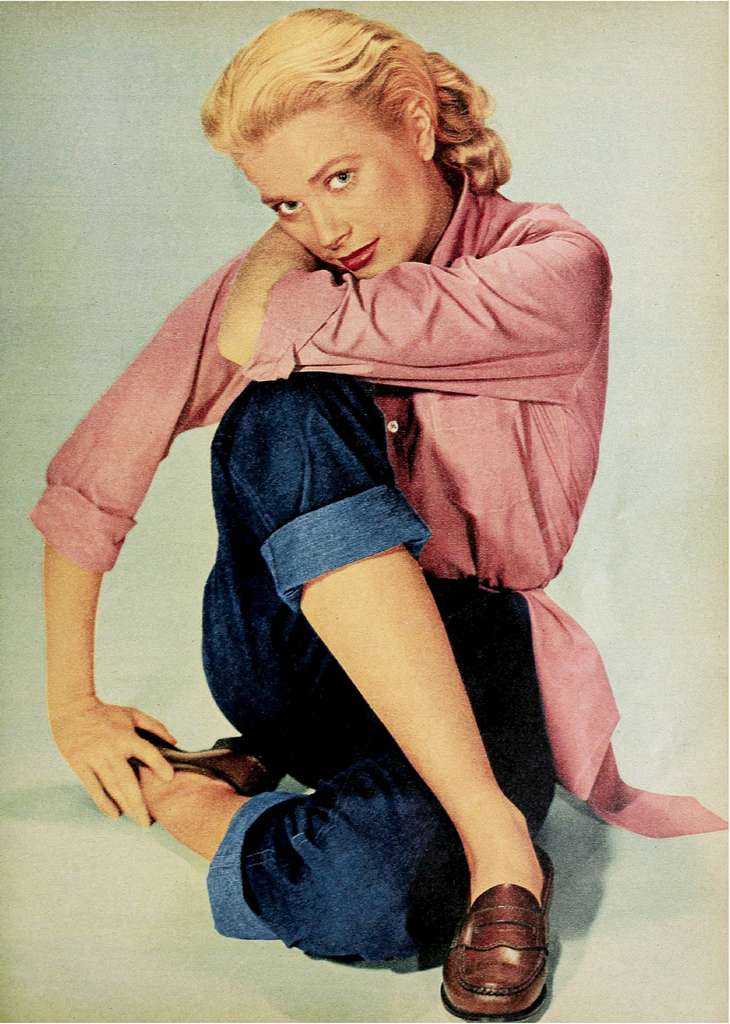
In the 1930s, Hollywood stars like Gary Cooper, Ginger Rogers, and Carole Lombard were already embracing jeans, with John Wayne famously wearing Levi’s® 501® jeans in the movie “Stagecoach.” However, they were primarily viewed as workwear until World War II changed the global landscape and the history of denim fabric. After the war, jeans quickly transitioned into a staple in many people’s wardrobes, and this shift can be attributed to several factors.
One significant influence came from U.S. soldiers fighting in Europe and in the Pacific. Their lifestyle, which represented freedom and progress, included wearing jeans, especially among those in non-combat roles or during their downtime. Additionally, as U.S. women stepped into roles traditionally held by men in factories and other labor-intensive positions to replace those serving overseas, they began to adopt male workwear, including denim. This shift linked jeans to women’s empowerment and their rising economic status.
In the post-war years, surplus military clothing found its way into the civilian market, further popularizing this distinct style. While the middle class still viewed denim as practical work attire, younger generations began to embrace it as a symbol of rebellion against the establishment. Iconic figures like Marlon Brando in “The Wild One” and James Dean in “Rebel Without a Cause” popularized jeans in their films, while Marilyn Monroe was also seen in them both on and off set. Music icons beloved by the youth, such as Bob Dylan, Jimi Hendrix, Janis Joplin, and The Rolling Stones, made denim a key part of their look.
By the 1960s, jeans had solidified their status as a vital garment for attendees at the 1969 Woodstock festival, civil rights demonstrators, anti-war activists, and various youth subcultures in Great Britain.
Industrial production
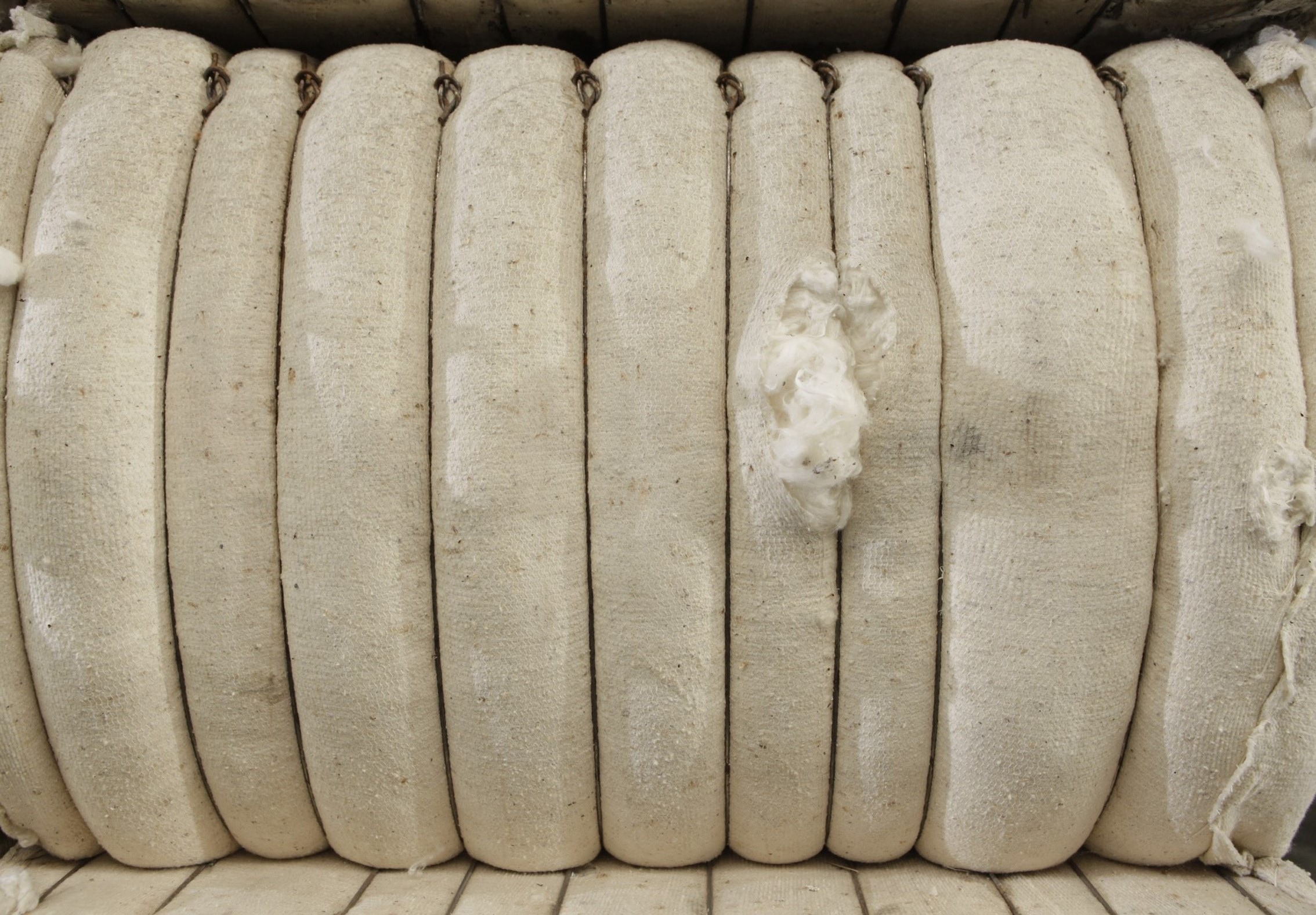
As for industrial production, cotton played a key role in the first Industrial Revolution, which occurred in Britain during the 18th century and was driven by the textile and metallurgical industries. Unlike wool and flax, which were the main textile fibers in Europe at the time, cotton was indeed easier to process. Additionally, it was affordable to grow in the American colonies and could be imported into Britain for conversion into textiles, which were then exported for considerable profit.
Summarizing the complexities of the Industrial Revolution can be challenging, but it’s important to note that several factors contributed to its origins in Britain, including agricultural advancements that supported population growth. In the lead-up to the revolution, demand for goods also increased, driven by higher wages and a growing appetite for British products in the colonies.
Similarly, after World War II, the economic boom and the desire to rebuild what had been destroyed by the war’s horror, combined with an expanding global middle class with a rising purchasing power, spurred global demand for clothing. Meanwhile, denim underwent a transformation from primarily workwear to a staple of casualwear, as we just described. The convergence of these factors led to the rise of mass-produced jeans.
Modern denim innovation
The history of jeans took a significant turn with the introduction of stretch denim at the end of the 1970s. Before that, jeans were largely uniform, typically crafted from raw, 100% cotton in a classic 5-pocket style. The advent of stretch fabrics opened the door to new fits—slimmer, more feminine options that maintained comfort. As a result, form-fitting stretch jeans became highly sought after by women worldwide throughout the 1980s and helped usher in the premium denim industry, which definitively marked the transition of denim from a practical fabric to a fashion item.
Additionally, as jeans became popular as casual wear, the industry began implementing treatments to replicate the vintage look of well-worn raw denim. Many people appreciated the aged aesthetic of extended use, particularly the wear patterns that developed over time. However, this natural fading process required significant wear. Innovative garment-finishing treatments allowed brands to artificially create these effects, which also helped soften the denim and enhance comfort, as it was no longer made for the rigors of daily labor.
Denim may have roots that stretch back many years, but its evolution showcases its adaptability and continued relevance. Today, the denim industry is focused on further innovation, particularly efforts to reduce its environmental impact, ensuring that the most democratic fabric remains friendly to people and the planet.