 Log into your account
 Register



You’ve heard that denim is created using warp and weft, but do you truly know the difference? If not, you’re in the right spot! The way denim is made has a fascinating history that ties into its unique twill weave and iconic indigo hue. Interested in discovering more? Keep reading!
What warp yarns are
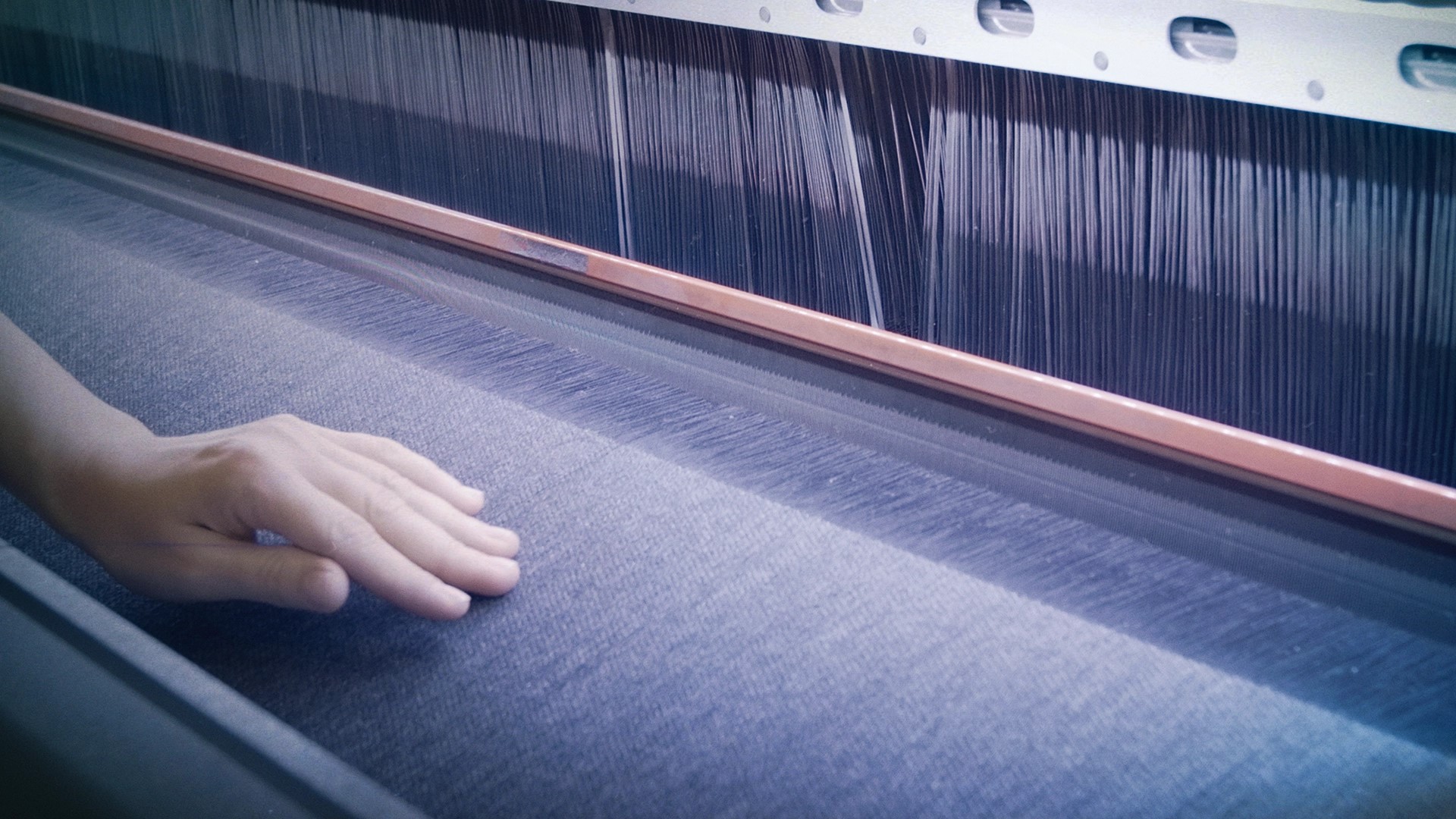
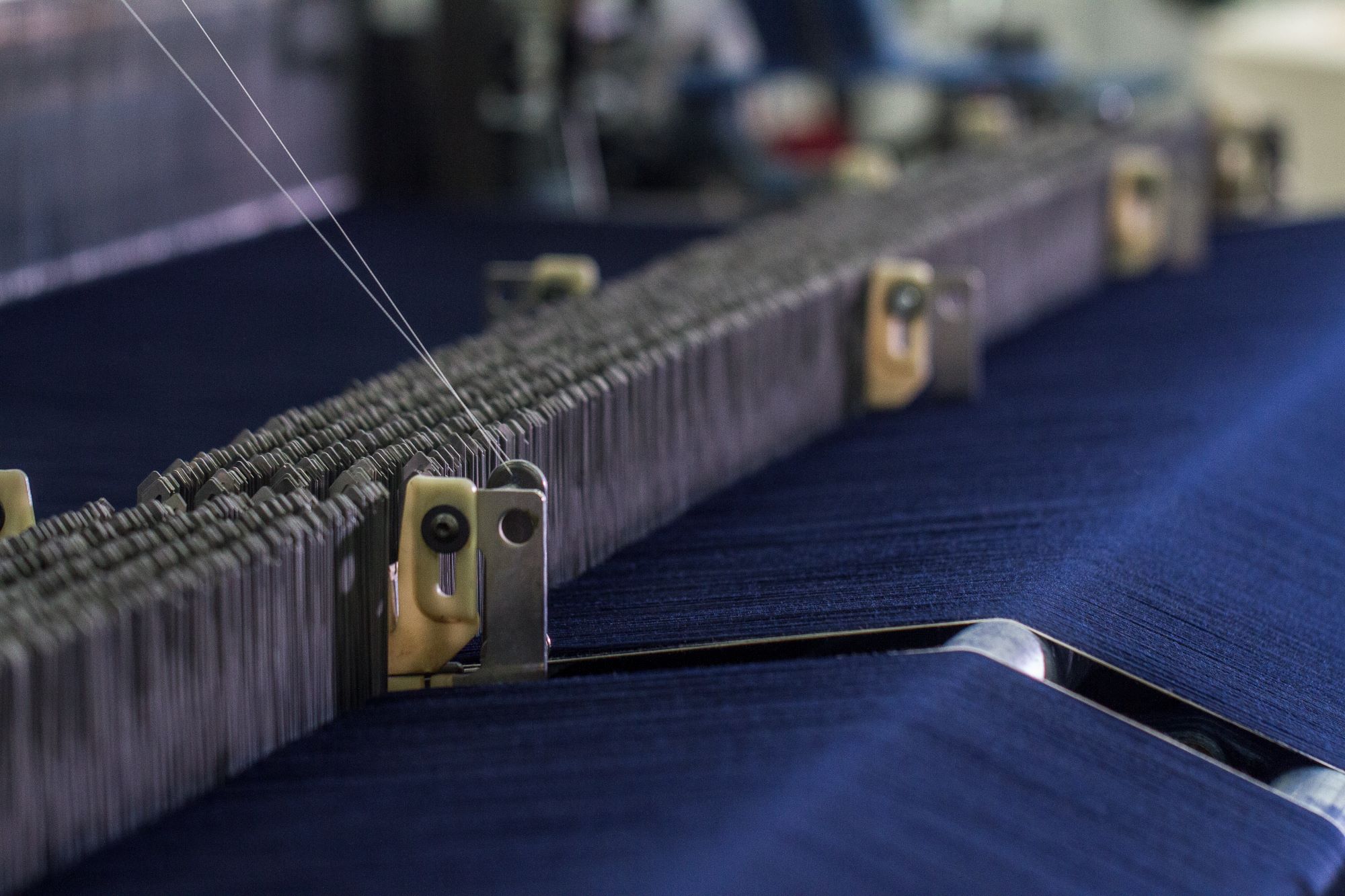
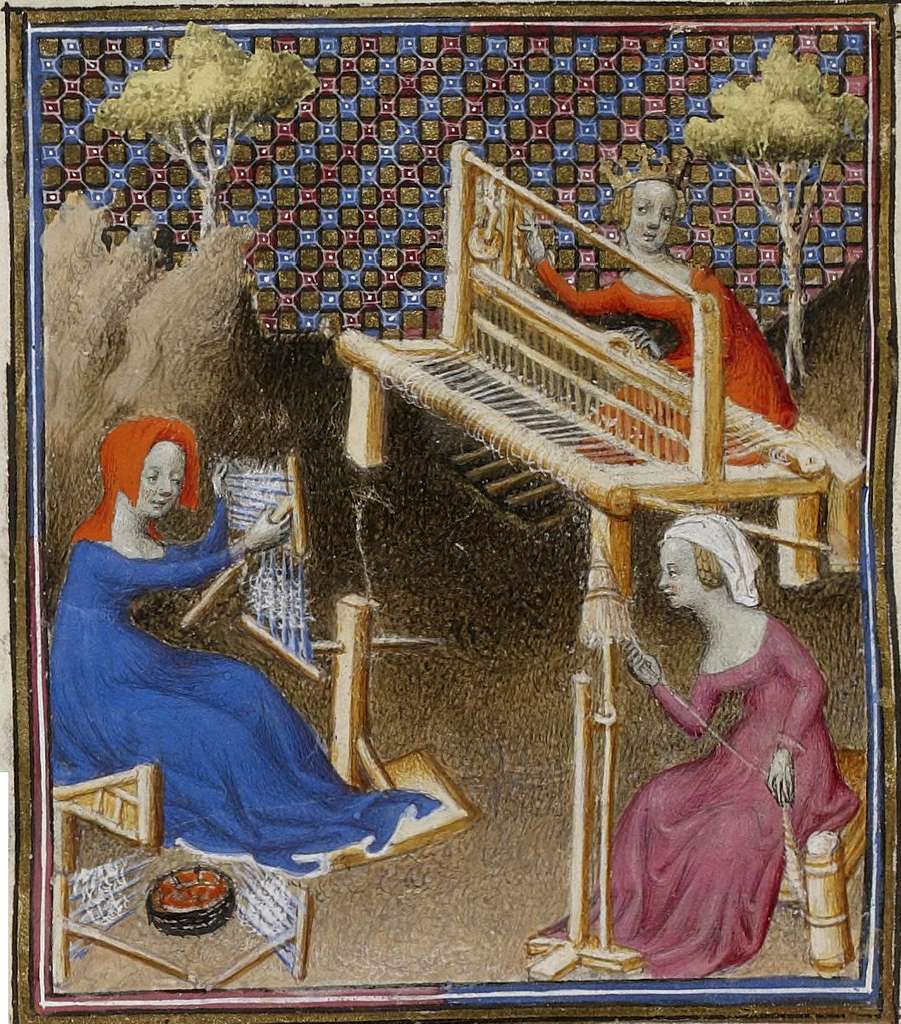
Vertical yarns form the warp in weaving, and they’re set in the loom while the weft yarns are woven in horizontally. You’ll notice that warp yarns are more visible on the front of the fabric.
In the denim industry, it’s common for warp yarns to be dyed with indigo, while the weft usually stays in its natural color. However, a variety of styles are available today. For instance, aside from indigo, warp yarns can be dyed in shades like black or sand. You also find monochrome fabrics in which both warp and weft are dyed, or ecru fabrics in which all the yarns retain their natural cotton color. The way denim is woven also influences its appearance and texture—compact weaves create a more uniform fabric with added stiffness, while open weaves emphasize the white weft, leading to dramatic fading effects.
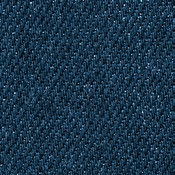
Compact weave.
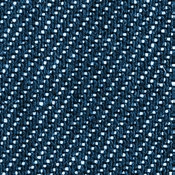
Open weave.
Indigo-dyed warp yarns are significant because they link Genoese fustian to modern denim. In the 16th century, most European fustians had dyed wefts, and woad was the preferred dye for producing blue hues. However, Genoese dyers opted for indigo, which worked well with common fibers like cotton and flax. This choice was also aided by Vasco da Gama’s discovery of a new sea route to India in 1498, making it easier to import the dye. Weavers would then incorporate these dyed yarns into the warp for a distinctive look.
What weft yarns are
In weaving, horizontal yarns create the weft, which is moved across the vertical warp to form the fabric. Shuttle looms are designed to carry the weft yarn with a shuttle that makes continuous back-and-forth passes. This process creates what is known as the selvedge. That’s why selvedge denim has its characteristic edge, often thicker and in a different color.
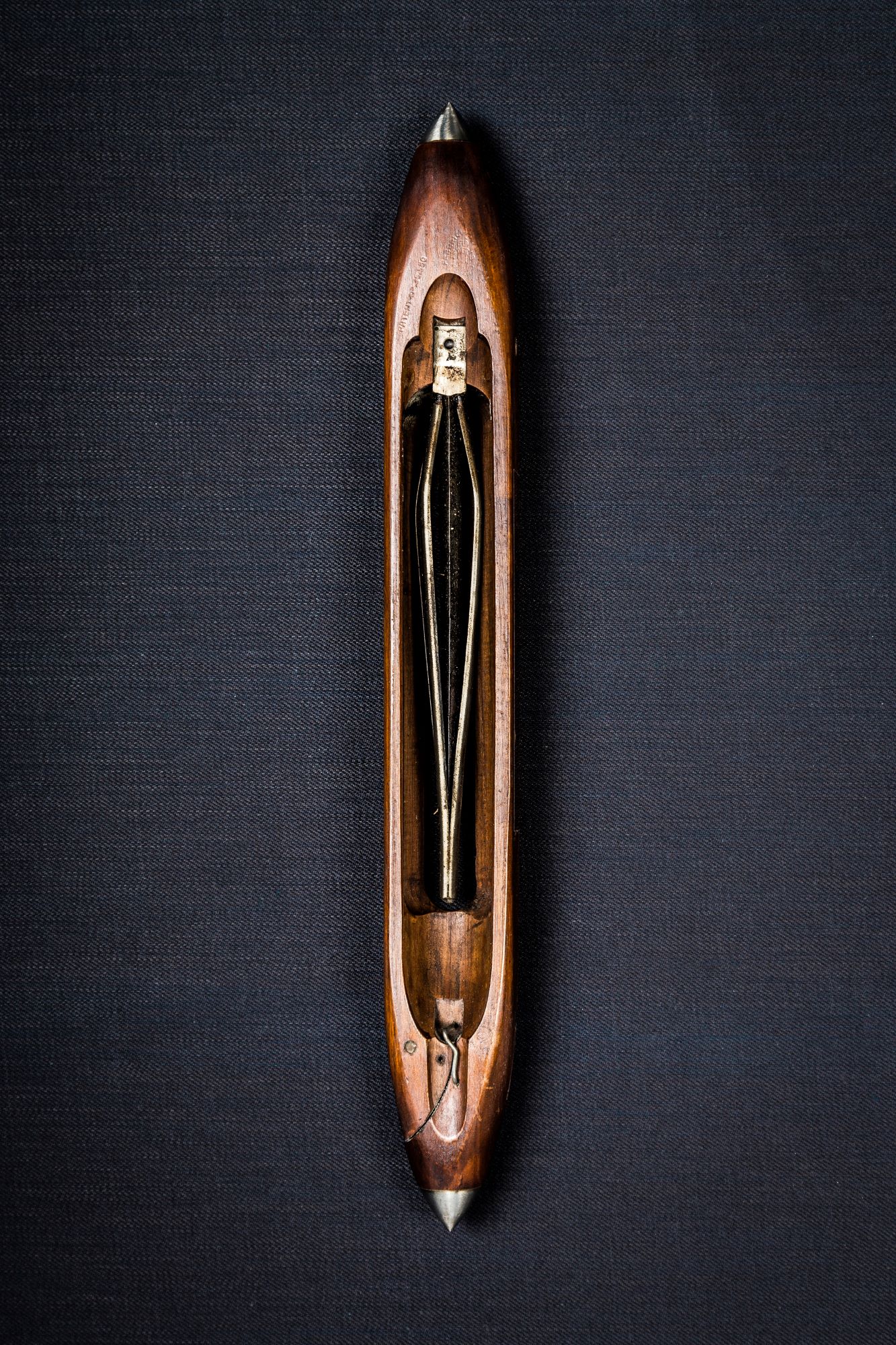
For a long time, shuttle looms were the industry standard. Still, as demand for denim increased during the economic boom, these looms were mostly replaced by more efficient machines. Now, selvedge denim is quite rare, but it’s particularly valued by denim enthusiasts who appreciate its traditional and authentic qualities.
On the other hand, full-width looms—such as projectile, rapier, or air-jet machines—were introduced to speed up production and produce larger, more uniform fabric for mass production. While the weft still crosses the warp, it is cut at the edges, resulting in frayed and unfinished ends.
Twill weave structure
Twill is the most popular weaving technique in the denim industry, known for its unique diagonal pattern created by interlacing the warp and weft threads. This method produces two sides of the fabric, with the front displaying a more pronounced diagonal pattern, which is typically the side showcased during weaving.
The word “twill” comes from the Old English term “twili,” rooted in the Latin “bilix,” which means “with a double thread.” Over time, variations of this term appeared, including the Middle English “twile” and “twilly,” as well as the Scottish and Northern English “twyll.” All of these refer to fabric woven in parallel diagonal lines, highlighting its double-thread nature. The durability of twill makes it ideal for a range of textiles, particularly for both casual and workwear. It’s worth noting that while denim is generally a type of twill, not all twill fabrics are denim.
In traditional denim, a 3x1 right-hand twill construction is typically used, meaning there are three warp yarns for every weft yarn on the front side. The “right-hand” designation indicates that the diagonal lines run from the bottom left to the top right on the fabric’s surface. While this is the classic approach to denim, the industry offers various alternatives, such as 2x1 twill for lighter fabrics, broken twill, which provides a zigzag pattern, and left-hand twill, usually associated with softer textiles.
How construction affects performance
Weave density is essentially about how many yarns are packed into an inch of fabric. As we’ve seen, compact weaves tend to create more uniform, nearly monochromatic fabrics, in which the weft yarns are almost hidden from view on the front side. On the other hand, open weaves highlight the weft, which is often left in its natural cotton color, contrasting with the blue of the warp. Tighter weaves are typically used for heavier and stiffer fabrics, making them more resistant to stretching. This has a significant impact on the feel of denim against the skin, how it breaks in over time, and how it fades, all of which contribute to that desirable vintage look.
While denser weaves are often linked to durability and shape retention—which can suggest a higher-quality fabric—it’s worth noting that this isn’t always the case. Historically, denim weight was vital for workwear, as tough fabrics needed to withstand significant wear and tear. Nowadays, denim is more often worn as leisurewear, so it tends to last longer since it usually experiences less stress, regardless of its weight.
It’s also crucial to understand that the weaving method doesn’t automatically determine quality. There’s a common misconception that selvedge denim is always of higher quality. This belief comes from the fact that selvedge denim is made on traditional shuttle looms, which are now rare. This scarcity creates a perception of greater value. Moreover, shuttle looms operate at a slower pace, allowing for a gentler weaving technique that affects the hand feel and overall look, often resulting in a more textured finish due to the open weave. Finally, selvedge denim is usually narrower—about 80 centimeters—compared to standard denim. Consequently, it can take up to 3 meters of selvedge fabric to craft a single pair of jeans, which often raises the price. However, premium denim fabrics can be woven on various types of looms. The true quality of denim isn’t just about the weaving process but is determined by a combination of several factors.