 Log into your account
 Register

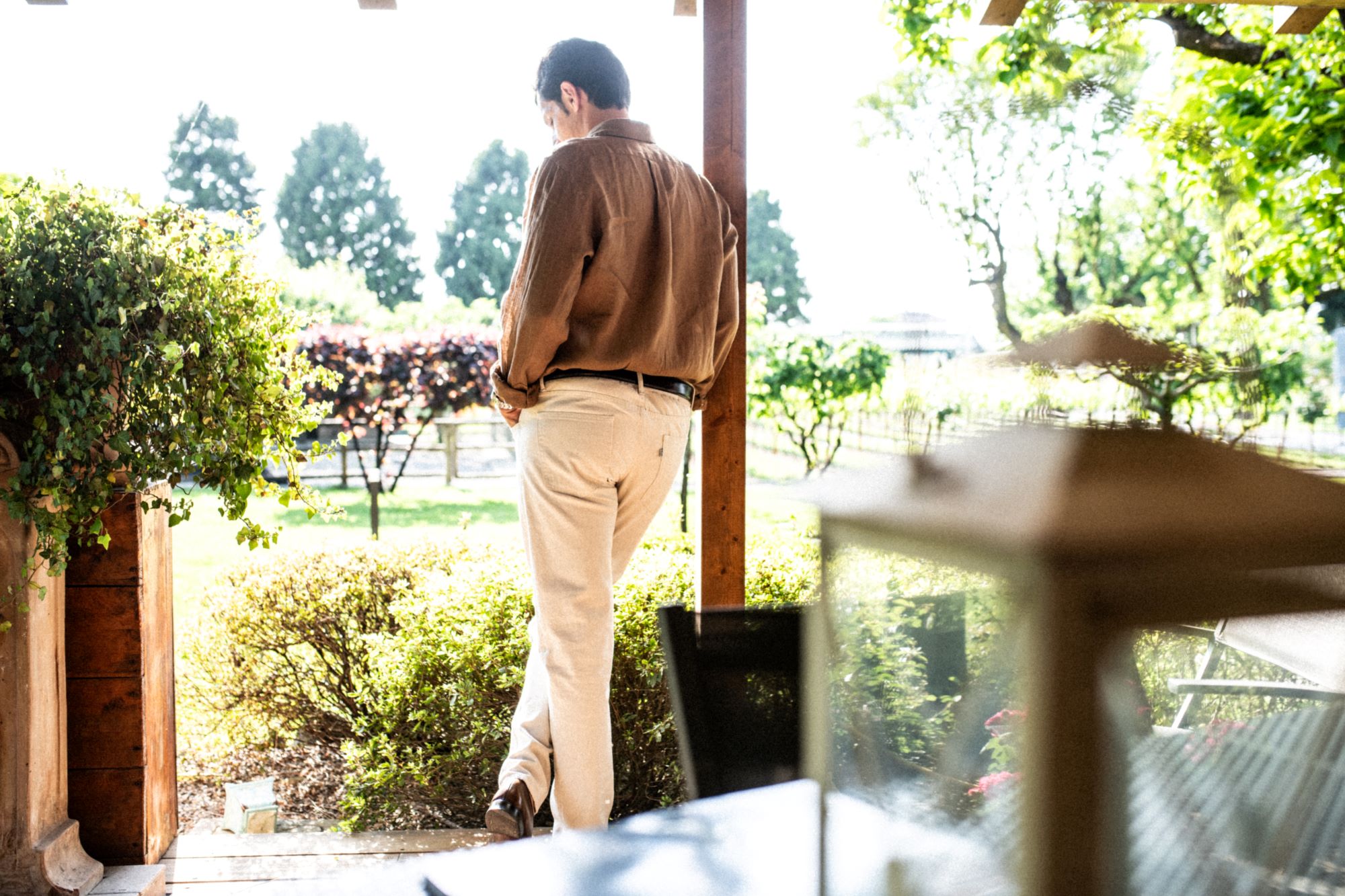


Climate change and global warming are posing significant challenges for the denim industry. Not only do these issues demand a more responsible approach to cotton sourcing, but they also make traditional denim less suitable for warmer temperatures. As a result, lightweight denim fabrics are gaining popularity, and producers are blending lightweight fibers to enhance qualities like breathability. Let’s take a closer look at what summer denim has to offer!
What makes denim breathable
Cotton serves as the primary ingredient in denim, providing excellent airflow and moisture regulation. These characteristics help prevent overheating and absorb perspiration, reducing that uncomfortable stickiness. Cotton also keeps the skin dry, minimizes irritation, controls odors, and helps maintain an even temperature. As a result, 100% cotton denim fabrics typically offer outstanding breathability, along with softness, flexibility, and comfort that make them gentle on the skin.
In contrast, stretch denim blends synthetic fibers such as elastane with cotton. This combination often yields even greater flexibility and comfort right from the start. Indeed, while cotton has some natural elasticity, elastane can stretch up to five times its original length and return to its original shape without losing any of its flexibility. However, synthetic materials can trap heat, which may make stretch denim less breathable in warmer conditions.
When we talk about breathable denim, it’s also essential to keep in mind other factors that may affect its performance, such as fabric treatments that create a specific aesthetic but can alter the cotton’s natural properties. Additionally, the fabric’s weight and construction can make it stiffer and less flexible. Blending other lightweight and breathable fibers with cotton can further enhance denim’s benefits, especially for summer denim.
Fabric weight and comfort
Denim has a rich history as a heavyweight fabric, originally crafted for durability in workwear. Back then, Levi’s® established a benchmark of 14 oz, balancing longevity with comfort and movement. Nowadays, denim weights around 12-13 oz have become the norm in mainstream fashion, with anything over 16 oz classified as heavyweight.
Heavyweight denim is becoming less common, as many people lean toward softer, lighter fabrics, especially with warmer weather prompting a demand for easier-to-wear options. Yet, denim enthusiasts appreciate heavyweight varieties for their unique way of developing character over time, particularly when raw. As the fabric breaks in and fades, it becomes a personal narrative reflecting the wearer’s habits and lifestyle.
While denim weight can affect durability, it’s not the only factor. Today, most denim isn’t subjected to the same rigorous daily wear, allowing lighter fabrics to offer impressive longevity, especially when high-quality. Weight influences both the look and feel of jeans, with specific weights better suited to certain styles and climates. Furthermore, it’s important to note that the perception of denim isn’t solely about weight; the fiber type and whether the fabric is raw or washed also affect how it feels against the skin.
Summer denim options
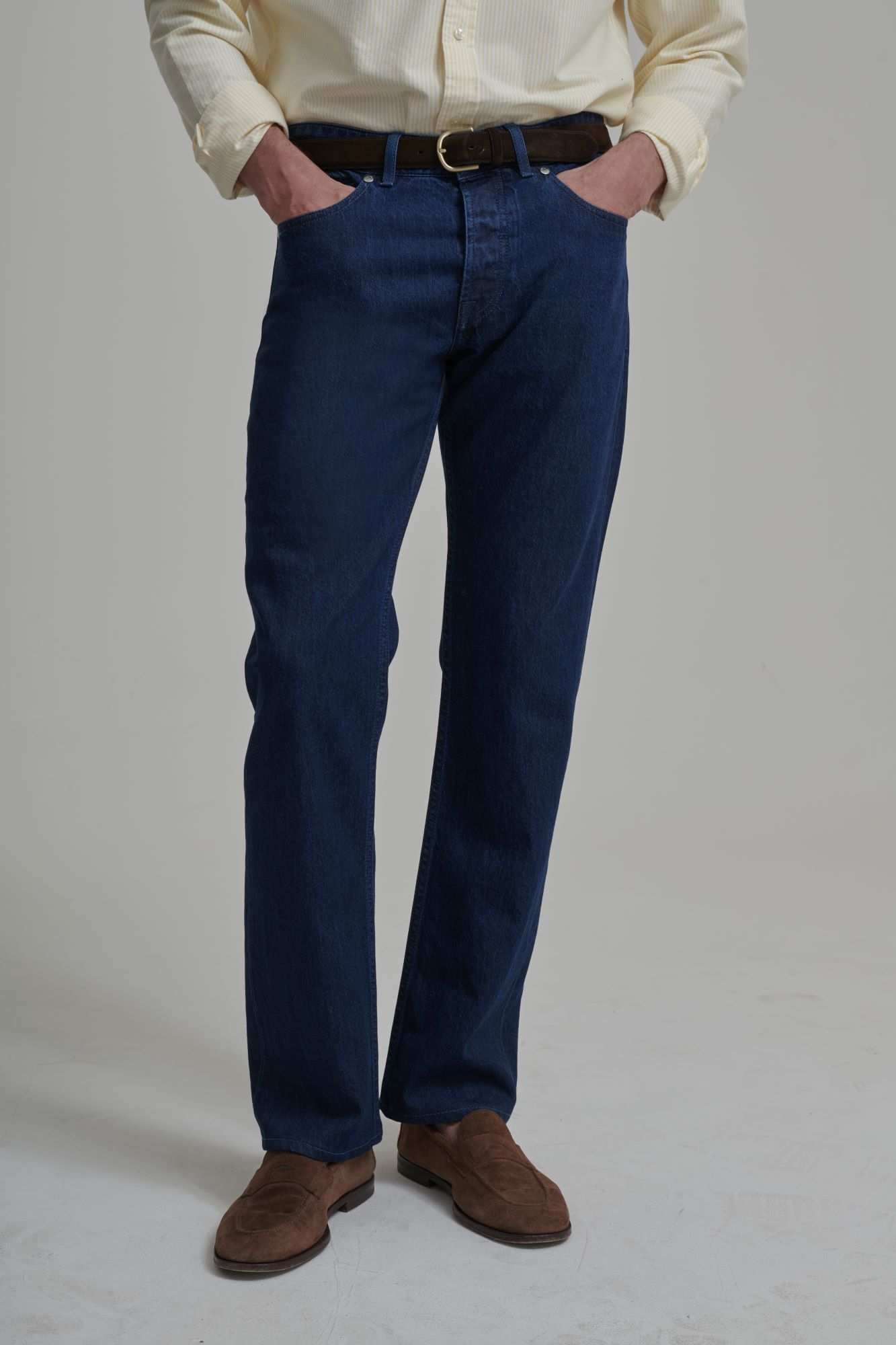
In the summer, lightweight denim is an excellent choice for those looking to wear jeans while staying comfortable in the heat. Generally, denim is classified as lightweight if it weighs under 12 oz.
Historically, lightweight denim was seen as less durable than traditional denim. However, advancements in manufacturing have enhanced its quality, allowing it to maintain the classic characteristics of regular denim while being more breathable and offering increased mobility and freshness.
If you’re considering denim this summer, here are some recommendations:
- Opt for a lightweight denim fabric made from 100% cotton or blended fibers that promote comfort and breathability.
- Choose regular or looser fits rather than skinny styles for a more relaxed feel.
- Light-washed jeans or colors like ecru and sand fit perfectly with the summer aesthetic.
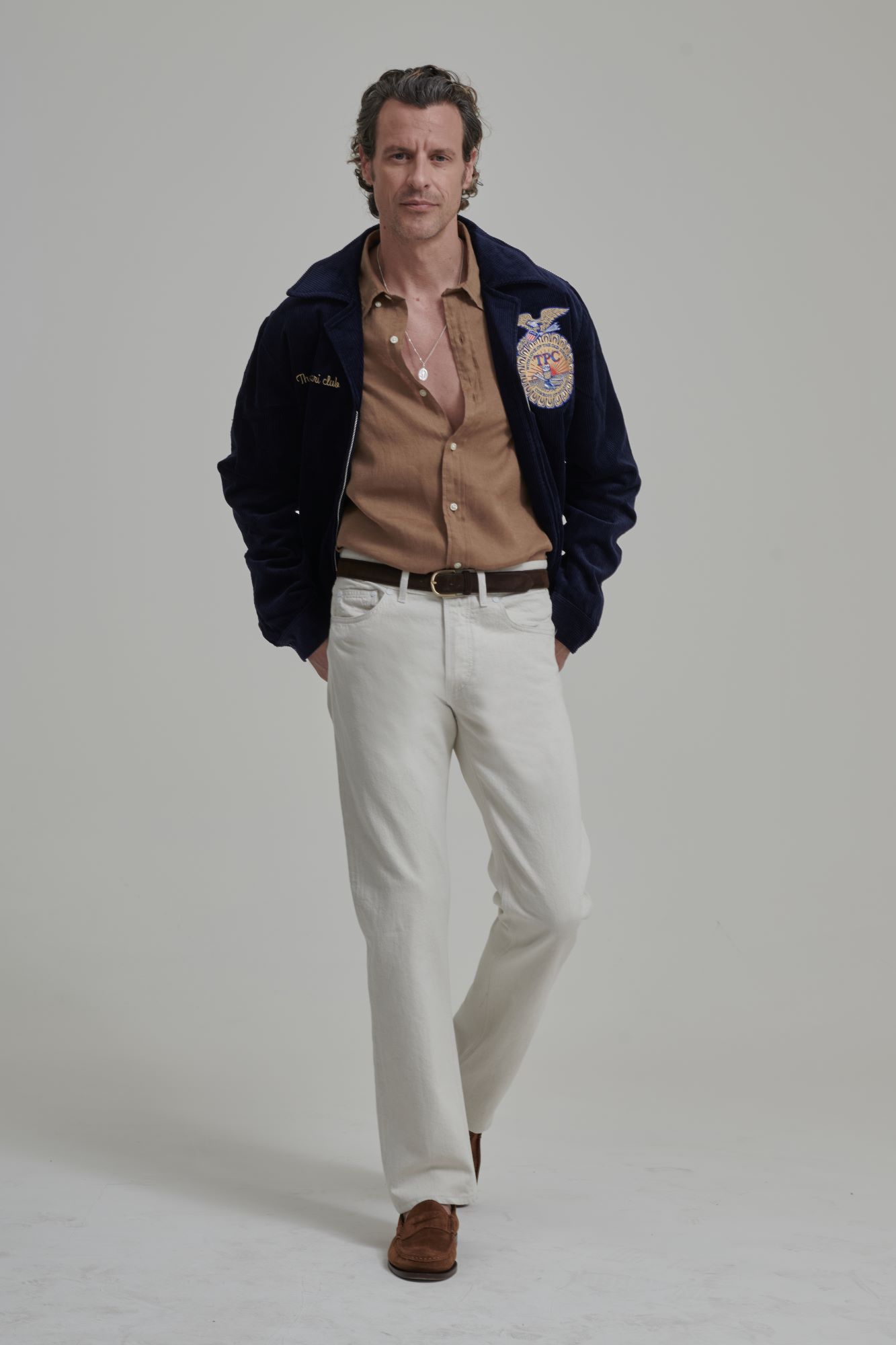
This summer, we have introduced a limited-edition collection of linen-blended denim that beautifully combines quality and style. Our linen-blended jeans are composed of 78% European regenerative cotton and 22% French flax, weighing around 10 oz. They come in three shades: indigo, ecru, and sand. With a classic 5-pocket design and a straight-leg cut, these jeans provide comfort and ease of movement, making them a versatile addition to any wardrobe. However, when you’re looking at cotton-linen fabrics, keep in mind that they can feel quite different from traditional 100% cotton, even if the fit is identical. These blends tend to be lighter and softer from the get-go, providing a smoother sensation around the waist and legs. This makes them an excellent choice for anyone looking to refresh their look!
Sustainable lightweight fabrics
Sustainable lightweight denim fabrics are crafted from high-quality, low-impact fibers, ideally sourced from preferred options such as organic, regenerative, or recycled materials. The production methods focus on minimizing water, chemical, and energy use while upholding workers’ rights. Plus, it’s crucial to manage wastewater, waste, and any other elements that could harm the environment or society. A key aspect of sustainability is also durability; the longer we can wear a garment, the less often we need to buy new ones.
Our linen-blended collection showcases regenerative cotton and flax. Regenerative cotton not only enhances soil health but also restores natural processes and re-establishes ecosystem balance. This farming method promotes biodiversity above and below ground, increases farmers’ profitability, reduces greenhouse gas emissions, combats climate change, and improves nutrient, hydrogen, and carbon cycles. Flax, known for its low water requirements, is produced with zero waste and represents an excellent choice for those with sensitive skin due to its hypoallergenic, odor-resistant, and breathable qualities. Linen helps regulate temperature and wicks away excess moisture, creating a healthier fabric by reducing bacteria.
For our linen-blended denim, we utilize our patented Kitotex® technology. This process employs chitosan, a non-toxic, biodegradable material that is a great alternative to the traditional PVA (polyvinyl alcohol) used in sizing. PVA, a plastic polymer derived from petroleum, requires specific conditions for dissolving in water and breaking down naturally—conditions that few treatment facilities can meet. In contrast, chitosan comes from chitin, the second most common natural polymer after cellulose. It is obtained from renewable sources, such as insects, crustaceans, algae, and fungi, with our chitosan sourced specifically from Aspergillus niger.