
 Log into your account
 Register

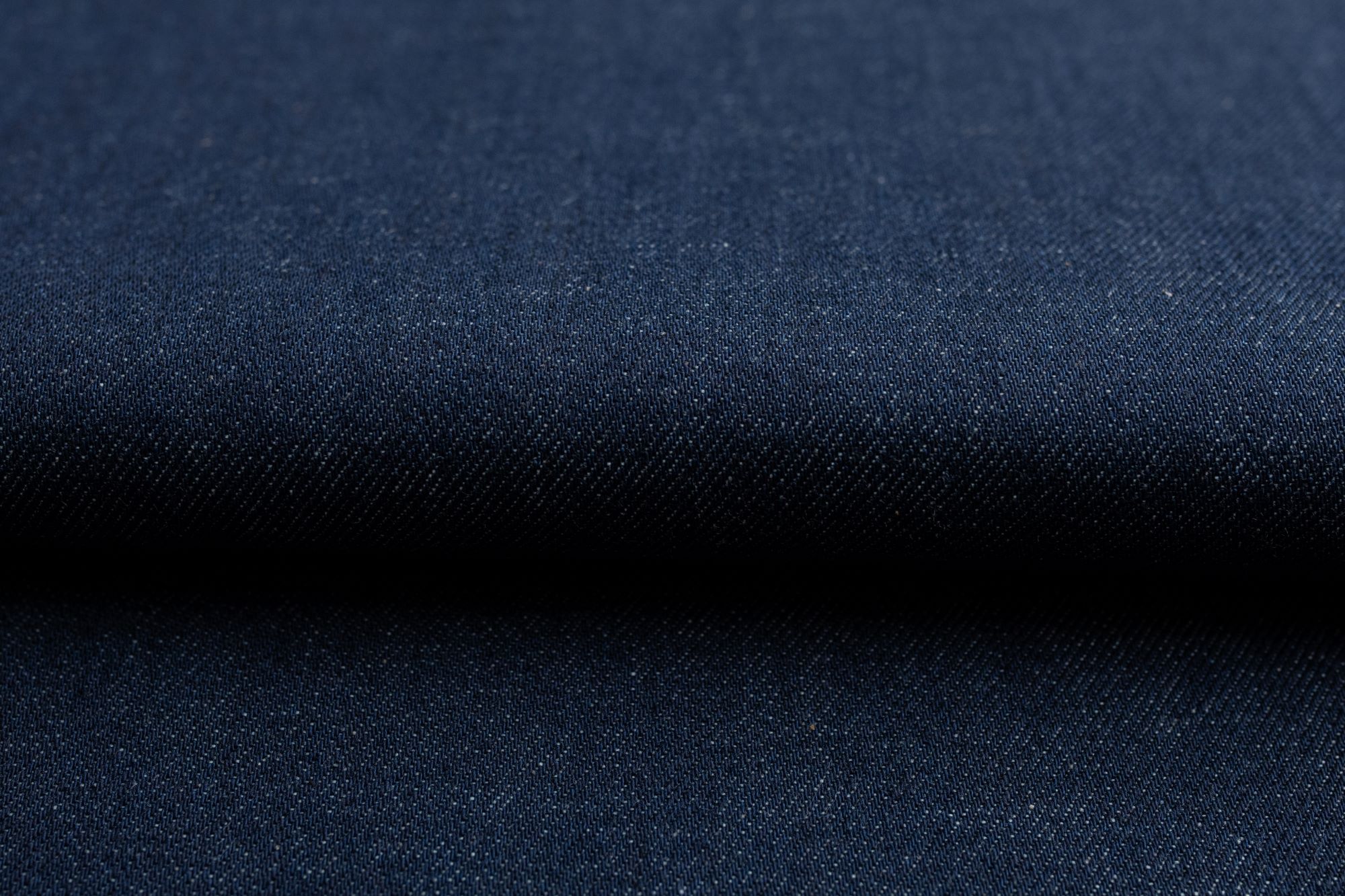


Denim is the heart and soul of your favorite jeans, and its weight plays a crucial role in how they feel. This weight refers to a square yard of fabric, measured in ounces (oz), and is influenced by the thickness and tightness of the yarns. Interestingly, yarn weight often depends on the fiber weight, as well. So, what’s the difference between light, mid, and heavyweight denim?
Why is denim traditionally heavyweight?
Traditionally, denim is a heavyweight fabric derived from fustian, a material used by sailors and port workers for sails, cargo covers, and durable workwear. It was crafted for practicality. Consequently, the first official pair of blue jeans, patented in 1873 by Levi Strauss and Jacob Davis, was designed with these specific purposes in mind. These jeans were born as reinforced, riveted pants for a logger and became so popular that demand for similar workwear quickly grew.
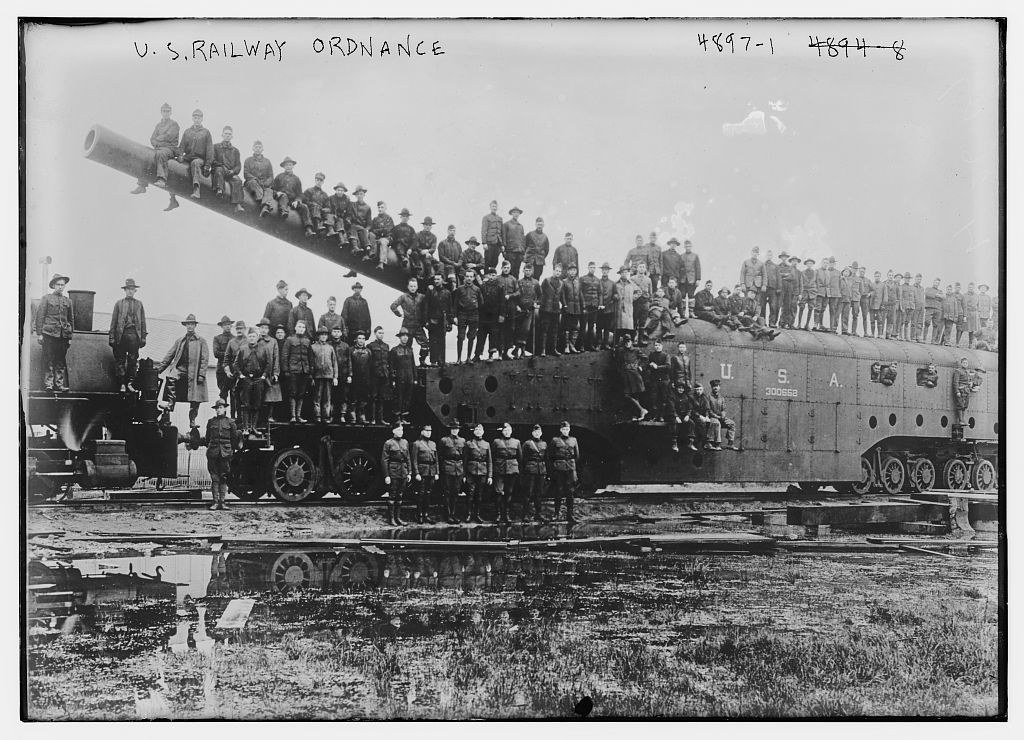
By the end of the 19th century, denim was widely used by miners, cowboys, railroad workers, and other blue-collar workers for clothing that could withstand the rigors of manual labor and harsh conditions, but was quite comfortable and easy to produce. It became a symbol of the Gold Rush in California and the American frontier, representing resilience, dignity, and a sense of identity among U.S. workers. These features also caught the attention of the U.S. Army. During World War I and World War II, denim workwear was issued to soldiers, especially those in non-combat roles such as mechanics, engineers, and Navy personnel.
From workwear to a fashion item
When blue jeans transitioned from practical workwear to fashion items a century after their official invention, the most sought-after features changed significantly. Traditional denim was known for its durability, but it could often feel stiff and uncomfortable against the skin. In contrast, the emergence of denim leisurewear demanded softer and less rigid fabrics. Furthermore, denim garments no longer needed to endure the strenuous tasks faced by manual and military workers.
To meet the demands of brands and high-end fashion houses, medium-weight and lightweight denim fabrics were introduced, enabling the creation of garments that went beyond workwear. Today, climate change and rising temperatures are also putting pressure on the denim industry, necessitating the development of new fiber blends, constructions, and fresher fabrics, while maintaining the authentic aesthetic of denim that we all love.
How to choose denim weight
There are no strict rules for choosing denim weight; after its transition from workwear to leisurewear, it is now primarily determined by personal preference rather than a specific purpose. The weight of the denim affects how the garment feels when worn, its durability, and how quickly it breaks in. However, certain weights are generally more suitable for specific types of garments and climate conditions than others.
Lightweight denim
While there are no official standards, denim is generally considered lightweight when it weighs under 12 oz. Lightweight denim is typically softer and more breathable than traditional denim. It is often used for tops and skirts. Still, it has recently gained popularity for making jeans, especially as summer temperatures rise.
Traditionally, lightweight denim was viewed as less durable than conventional denim. However, this is no longer true, as recent advancements in lightweight denim manufacturing have significantly improved its quality, bringing it closer to the features of traditional denim.
We also need to consider how we wear denim today. Heavyweight denim was essential for withstanding the demands of manual labor, when most people couldn’t afford to replace their clothing frequently. In contrast, contemporary jeans are not required to endure such harsh conditions and can naturally last longer when cared for properly.
Midweight denim
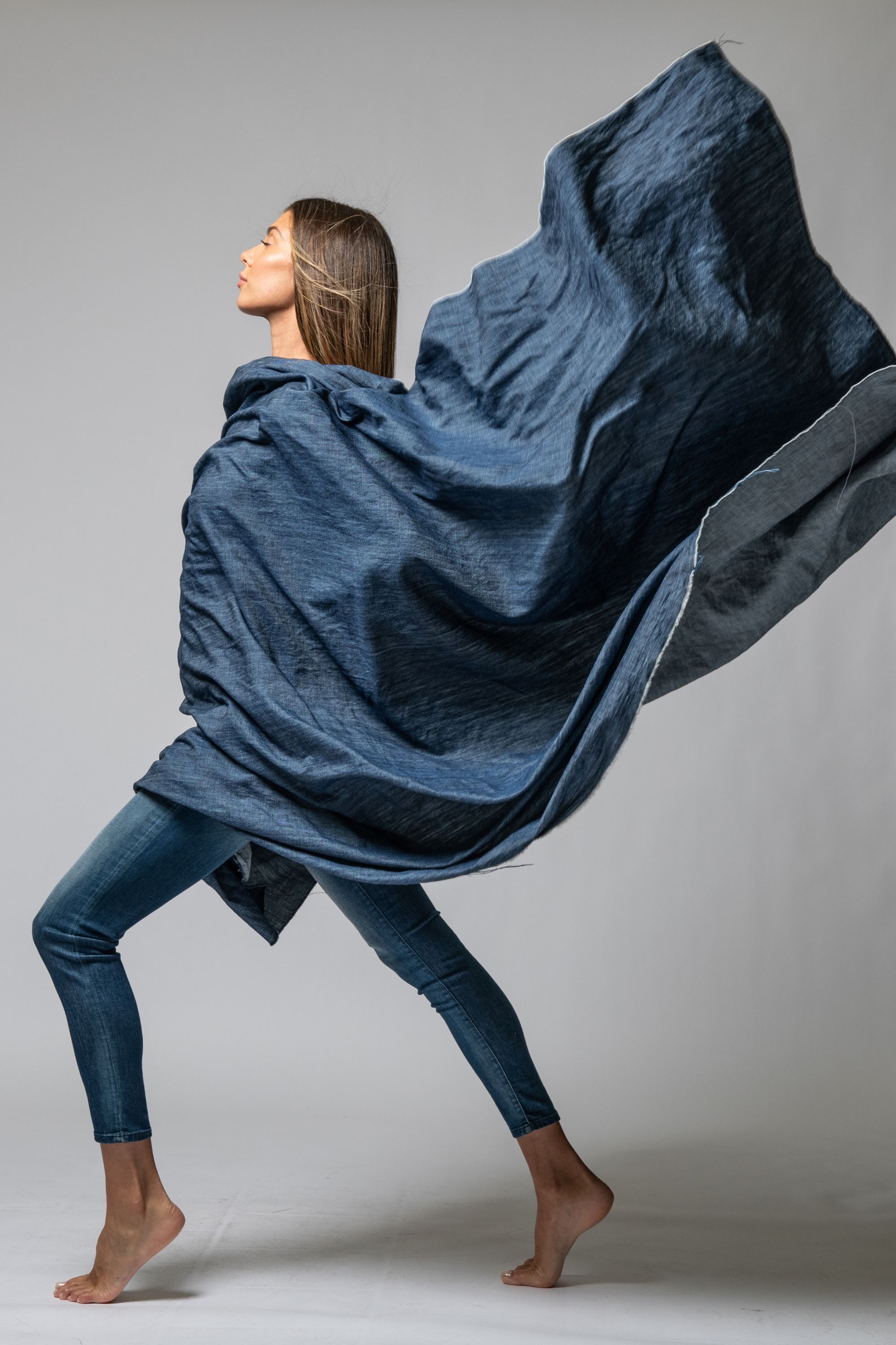
Midweight denim is currently the most common type, typically weighing between 12 and 16 oz. It is the most versatile choice, suitable for wearing throughout most of the year, and can be used to create any type of garment. Midweight denim offers comfort, freedom of movement, and an authentic look and feel.
This type of denim strikes a perfect balance between the benefits of both light and heavyweight denim. It is durable yet not overly rigid, retains more heat than lighter fabrics, and develops the traditional denim character over time.
However, it’s essential to understand that weight is not the only factor affecting jeans’ stiffness. The way denim feels against the skin is also influenced by the type of fibers used and whether the fabric is raw (unwashed industrially). Raw denim usually feels stiffer, regardless of its weight, because it hasn’t been treated in industrial laundries; it comes (almost) straight from the loom to our wardrobes.
Heavyweight denim
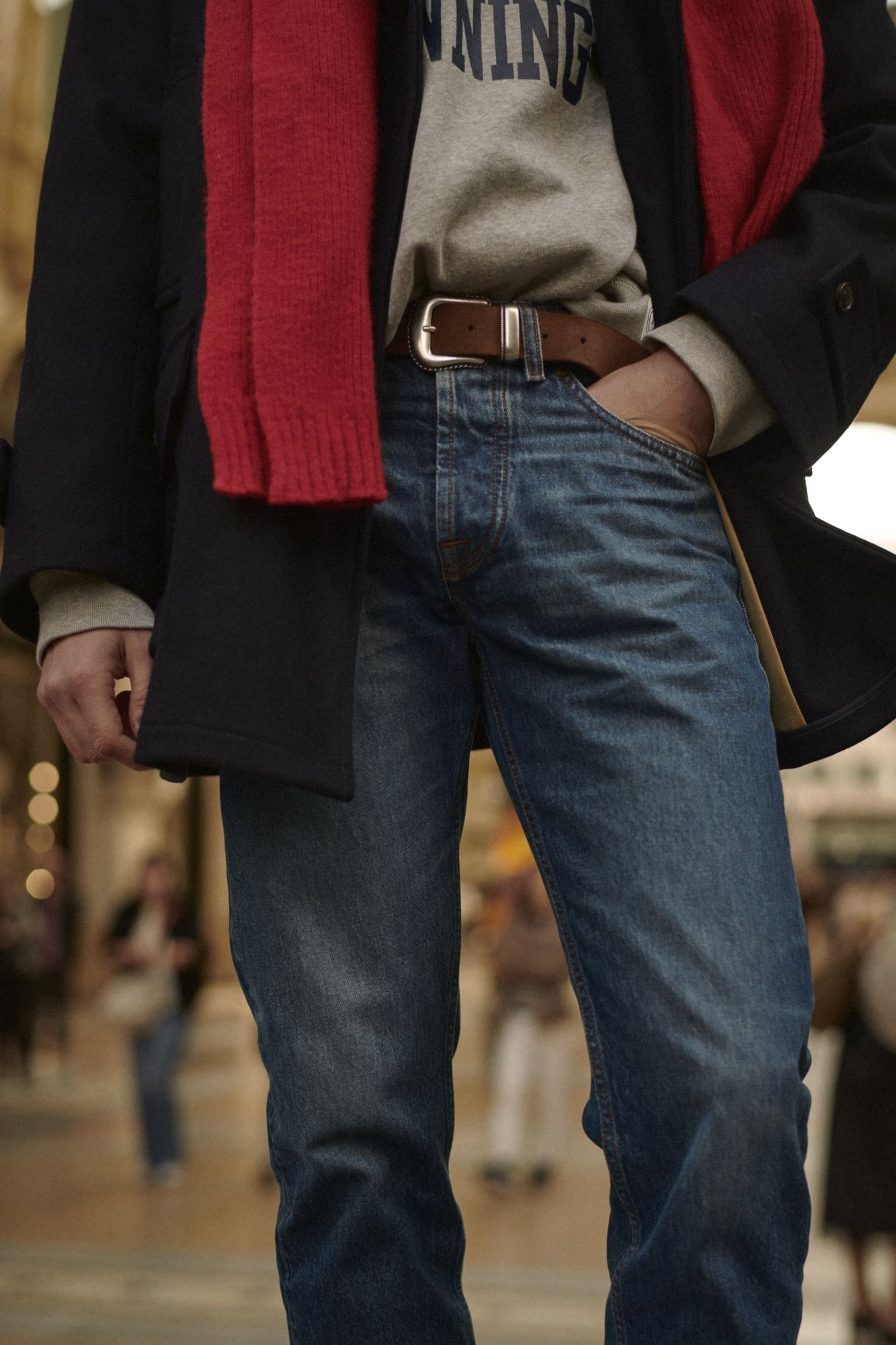
Heavyweight denim typically weighs over 16 oz and is quite rare today, as we are no longer accustomed to stiff and rough clothing. Additionally, it can feel uncomfortable and too warm when temperatures rise. For this reason, heavyweight denim is almost exclusively used to make jeans and, occasionally, jackets.
Unlike light and midweight denim, which can be used to create a wide variety of jean styles, heavyweight denim generally requires looser fits. Skinny jeans made from heavyweight denim can restrict movement and lead to skin abrasion.
However, many denim enthusiasts cherish heavyweight denim for its ability to develop authentic character, especially when it is raw. Over time, it breaks in and fades according to the wearer’s habits, reflecting their personal story.