Post-Consumer
Recycled Denim

What does Post-Consumer Recycled mean?

Post-Consumer Recycled (PCR) refers to an item that undergoes a recycling process after it has been owned, used, and consumed by a final consumer. According to EU data, EU citizens generated 6.95 million tons of textile waste in 2020. On average, every person discarded 16 kg of textiles, such as clothes and household items, as post-consumer waste. Only 4.4 kg were separated for reuse or recycling purposes, meaning that 11.6 kg of textile waste was either incinerated or ended up in landfills. The UN Environment Programme states that garments, on average, are worn ten times before being discarded. This highlights the importance of PCR programs in the textile and fashion industry.

What makes our PCR program unique?

PROXIMITY

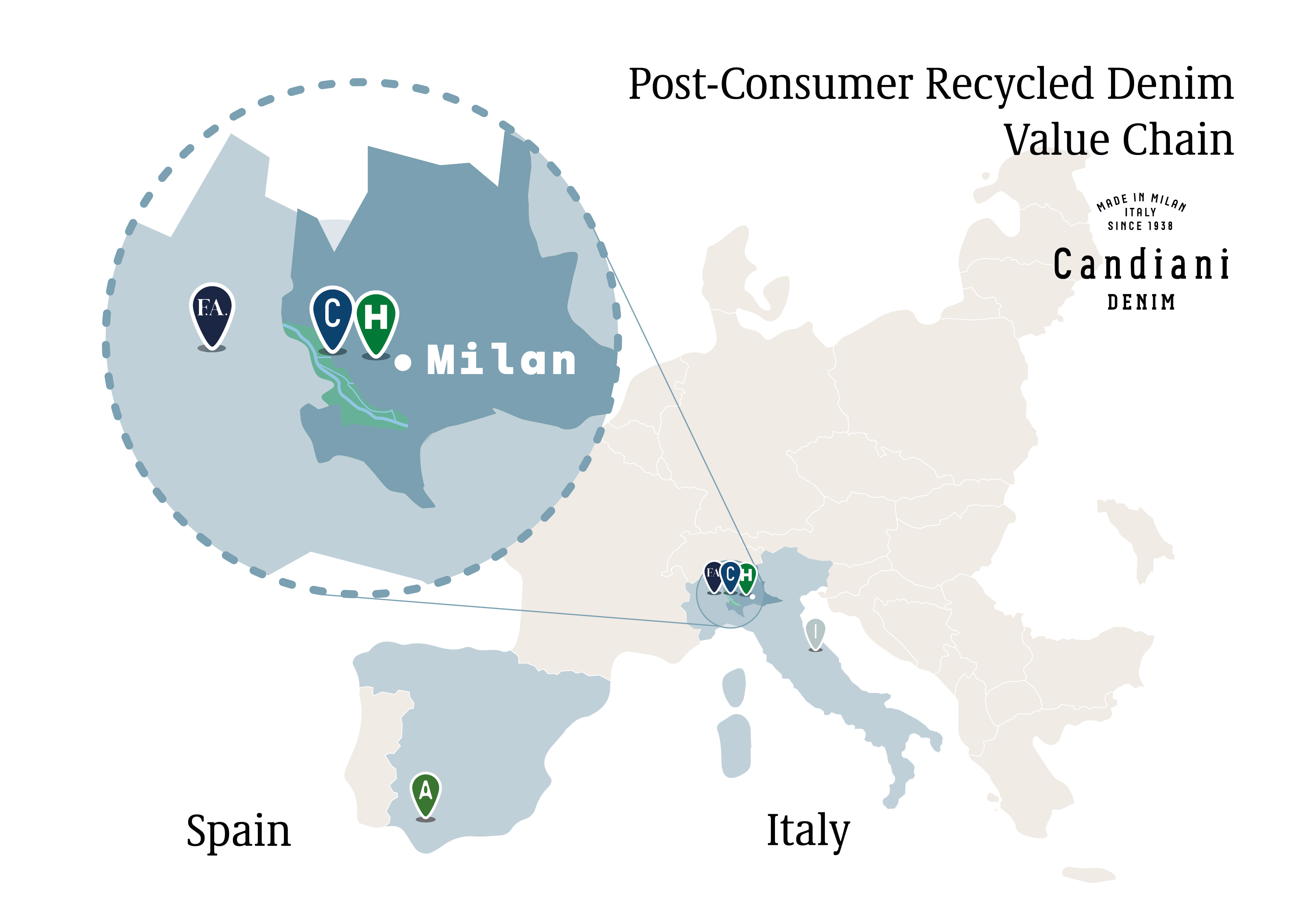
The process of recycling cotton and producing denim from recycled materials takes place within a 60 km radius. Additionally, Blue Seed regenerative cotton is grown in Spain alongside recycled cotton. Keeping the entire process of producing PCR fabric close by helps to minimize its environmental impact.

TRACEABILITY

Every step of our denim recycling and fabric production process is traceable. The Blue Seed regenerative cotton supply chain is also traceable as it is allocated to the desired farms.

CIRCULARITY

Textile waste is collected and transformed into premium denim, offering a solution to the fashion industry’s most pressing issue.

QUALITY

The quality of PCR denim stems from the exceptional properties of Blue Seed regenerative cotton, providing strength, durability, and an excellent hand-feel to mechanically recycled fibers.

Our PCR value chain

Our PCR value chain

ALGOSUR (Sevilla)
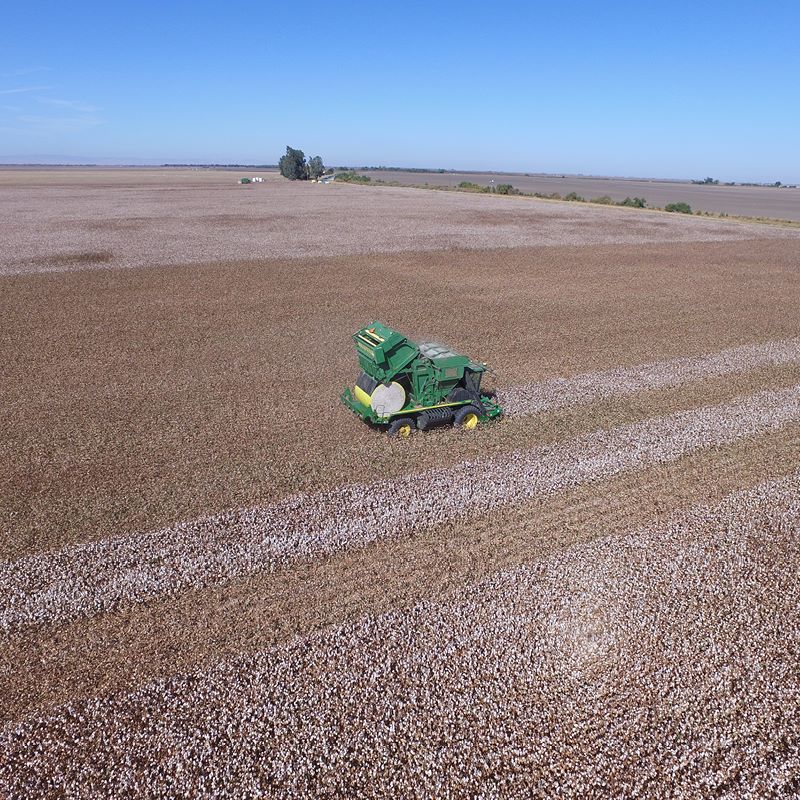
They grow Blue Seed regenerative cotton certified by regenagri®

HUMANA PEOPLE TO PEOPLE ITALIA (Pregnana Milanese)
They collect and process old jeans by removing zips, buttons, patches etc.

FILATURA ASTRO (Vigliano Biellese)
They shred those jeans back to the fiber stage and produce new recycled yarns

CANDIANI DENIM (Robecchetto con Induno)
We make new denim fabrics by blending Blue Seed regenerative and post-consumer recycled cotton


PCR


Recycled cotton produced within a 60 km value chain between Biella and Milan
+
Blue Seed cotton certified by regenagri® and grown in Spain

.

regenagri®

regenagri® is an initiative for regenerative agriculture developed by Control Union. It sets a standard for improving soil health, preserving biodiversity, rebalancing natural ecosystem functions, sequestering CO2, and enhancing hydrogen, carbon, and nutrient cycles.

The initiative has established a Standard Criteria mechanism to measure and monitor how farms adopt regenerative practices and their related benefits to the environment. regenagri® aims to promote continuous improvement and provide its members with a solution to measure and report their progress.

In November 2021, Candiani Denim became the first company certified by the regenagri® Chain of Custody program. This is a prerequisite for the regenagri® Content Standard certificate, which declares that a finished product, in the case of Candiani Denim dyed fabrics, contains at least 50% regenerative fibers. Candiani Denim has been evaluated according to regenagri® requirements, which include traceability, management systems, and material integrity. The certification confirms that its denim is produced with regenagri® certified regenerative cotton.



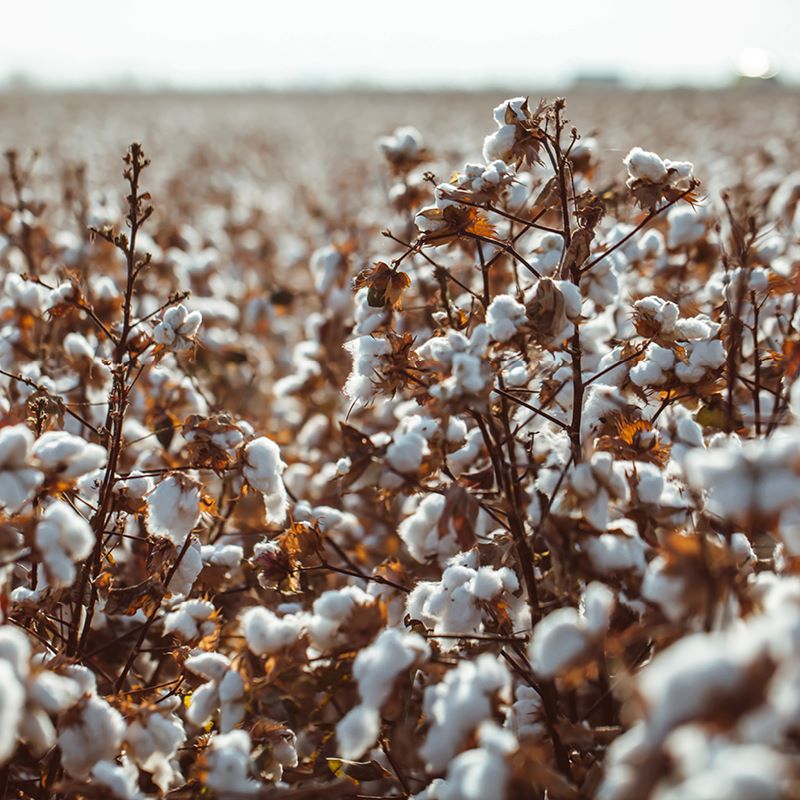
Blue Seed cotton

Blue Seed cotton is a hybrid, non-GMO variety created through controlled pollination between two selected parent plants. It is grown at the Algosur farm in Andalusia, making it 100% European, using regenerative agriculture practices and a complete traceability process. Gowan Seed Company has guaranteed Candiani Denim its exclusive use.

It imparts strength and resistance to fabrics. According to Elmendorf and Grab tests, it is 30% stronger than conventional cotton. Blue Seed warp ranges from 9,300 to 10,500 g, while conventional cotton warp ranges from 6,660 to 7,700 g, according to Elmendorf. According to Grab, Blue Seed warp ranges from 98.1 to 130 kg, while conventional cotton warp ranges from 70 to 99.3 kg.

Thanks to the characteristics of Blue Seed cotton, which combines the quality of extra-long staple cotton and the strength of Upland cotton, favoring a phenomenon called “hybrid vigor” or “heterosis,” for which the hybrid progeny exhibits improved biological functions compared to its parents in a sort of 1 + 1 = 3, we can use up to 30% recycled cotton in our PCR fabrics.

.
.


Life Cycle Assessment

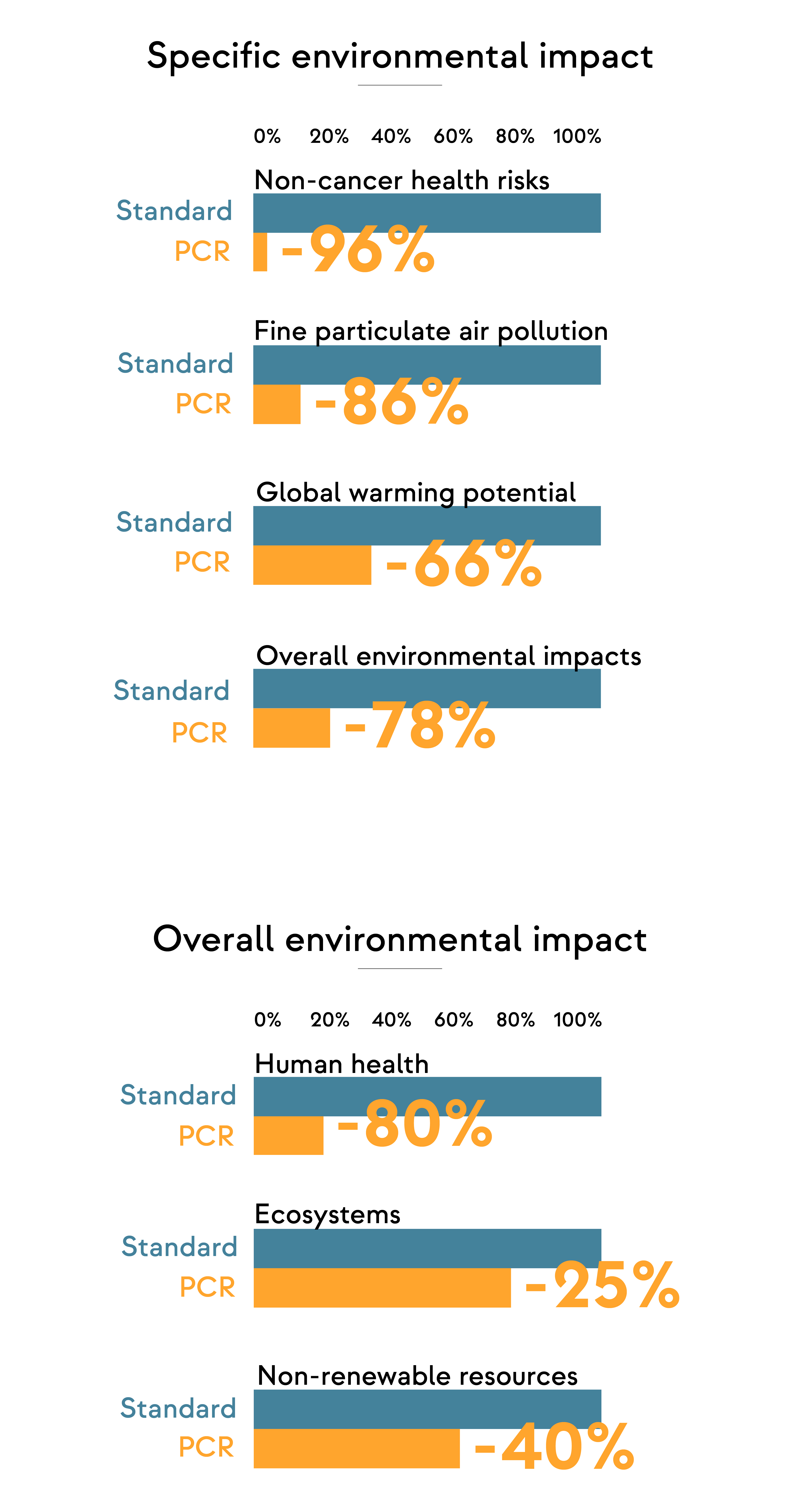
We conducted a Life Cycle Assessment (LCA) to test the impact of our PCR denim. Our studies measure two types of impacts:
- Midpoints: specific environmental issues like air pollution and greenhouse gas emissions
- Endpoints: overall impact on broad areas like human health, ecosystems, and resources

The project was conducted with the support of MUSA. MUSA - Multilayered Urban Sustainability Action is an Innovation Ecosystem funded by the Ministry of University and Research as part of the National Recovery and Resilience Plan. The project involves collaboration between the University of Milan-Bicocca, the Polytechnic University of Milan, Bocconi University, the University of Milan-La Statale, and numerous public and private partners. MUSA was created in Milan as a response to the challenges faced by the metropolitan area in transitioning to three dimensions of sustainability: environmental, economic, and social. Its ambition is to establish a new model of public-private collaboration that can be replicated nationally and internationally. Learn more at www.musascarl.it.

Candiani’s PCR denim significantly reduces both specific and overall environmental impacts compared to standard denim.

How Candiani’s PCR denim outperforms standard denim

<br>


Read our LCA