 Log into your account
 Register



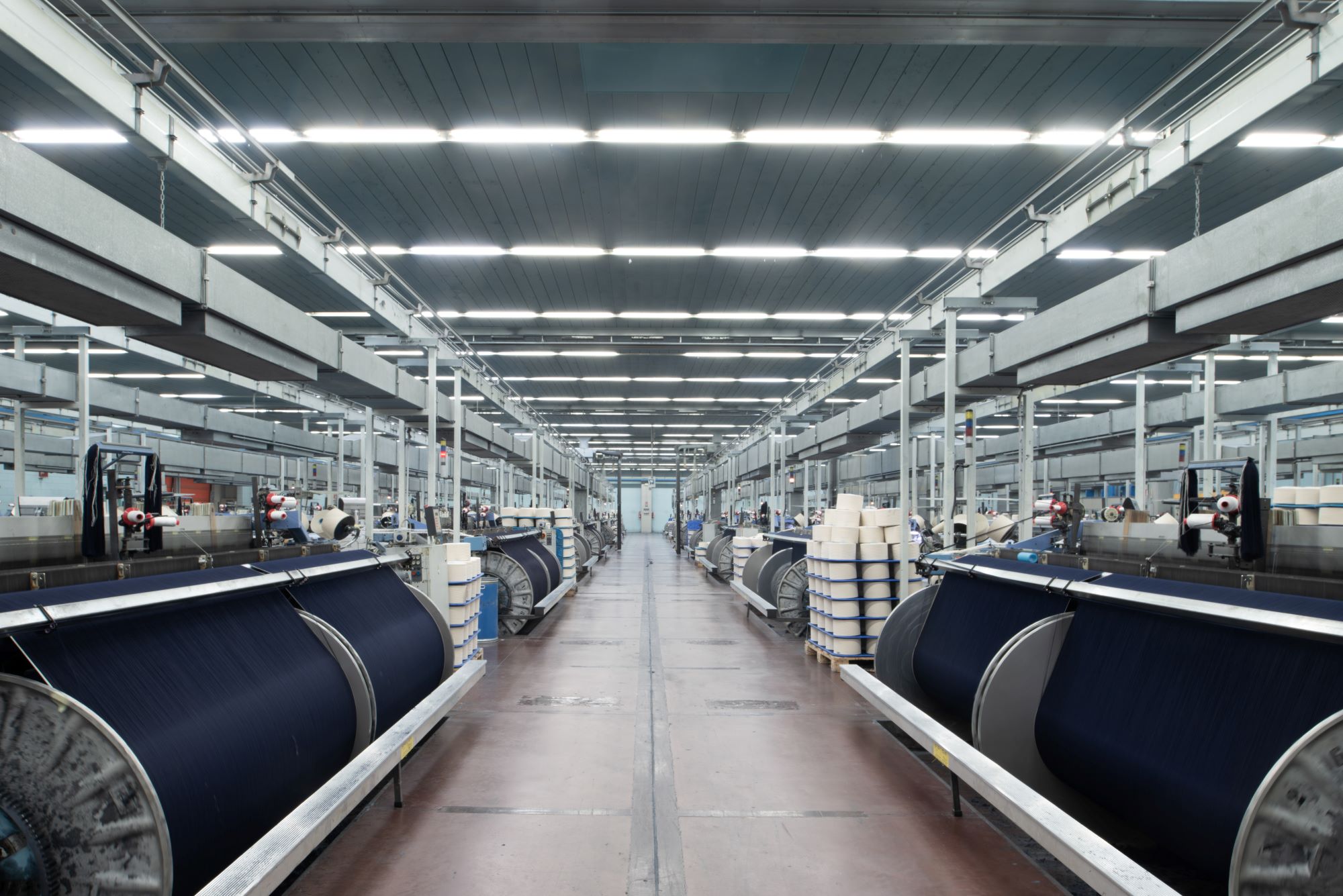
Certifications in the textile industry play a crucial role in building consumer trust while driving the sector’s commitment to sustainability, quality, and ethical practices. At Candiani, we’re proud to have spent over 15 years creating an integrated management system that thrives on voluntary certifications and meaningful commitments. Join us in making a difference in the industry!
Key certifications in the textile industry
In the textile industry, certifications are crucial for ensuring product quality, sustainability, ethical labor practices, and environmental responsibility. These certifications give consumers, businesses, and regulators confidence that products comply with specific standards related to either the production process or the final product. They foster a more transparent and responsible supply chain, encouraging brands to adopt improved practices and respond to the increasing demand for sustainable production.
Some of the main certifications in the textile industry include:
- Better Cotton—This initiative focuses on improving the sustainability of cotton cultivation worldwide. Better Cotton is produced using practices that reduce water consumption, promote soil health, and minimize the use of harmful chemicals and pesticides. Additionally, Better Cotton supports fair labor practices and helps farmers increase their productivity and profitability
- Global Organic Textile Standard (GOTS)—GOTS is one of the most significant certifications for organic textile products and ensures that these products contain at least 70% organic fibers. GOTS-certified products must also meet strict environmental and social criteria throughout the entire supply chain, including ecological production methods, fair labor practices, and sustainable packaging. This certification is widely recognized in the organic fashion and home textile markets
- OEKO-TEX® Standard 100—OEKO-TEX® Standard 100 is one of the world’s most recognized certifications, guaranteeing that textile products do not contain harmful substances. It applies to all stages of production, from raw materials to finished products, and verifies the absence of substances that could be hazardous to human health. Products certified by this standard are safe for consumers, making them suitable for items for babies, clothing, and home textiles
- ISO 9001—As an international standard for quality management systems, ISO 9001 certification in the textile industry ensures that manufacturers implement well-defined production processes to produce high-quality goods consistently. This standard is essential for textile companies that aim to maintain high customer satisfaction and improve their operations
- SA 8000—This certification emphasizes social responsibility and ethical working conditions. Based on international labor standards, its objective is to enhance working conditions in the global supply chain by addressing issues such as child labor, forced labor, health and safety, and freedom of association. This certification is particularly important for manufacturers in countries where labor rights violations are prevalent
- Global Recycled Standard (GRS)—This certification verifies that products are made from recycled materials, ensuring transparency and traceability throughout the recycling process. It also addresses environmental and social criteria, promoting the use of recycled content in textile products and supporting sustainable production practices
Candiani’s product-related certifications
Denim begins with cotton, and so do our certifications and commitments. In 2011, we became the first denim manufacturer to use cotton grown, produced, and marketed according to the Better Cotton standard. Over the years, we have continued to dedicate ourselves to making the cotton supply chain more transparent while simultaneously reducing its environmental and social impacts by exploring alternatives to conventional cotton.
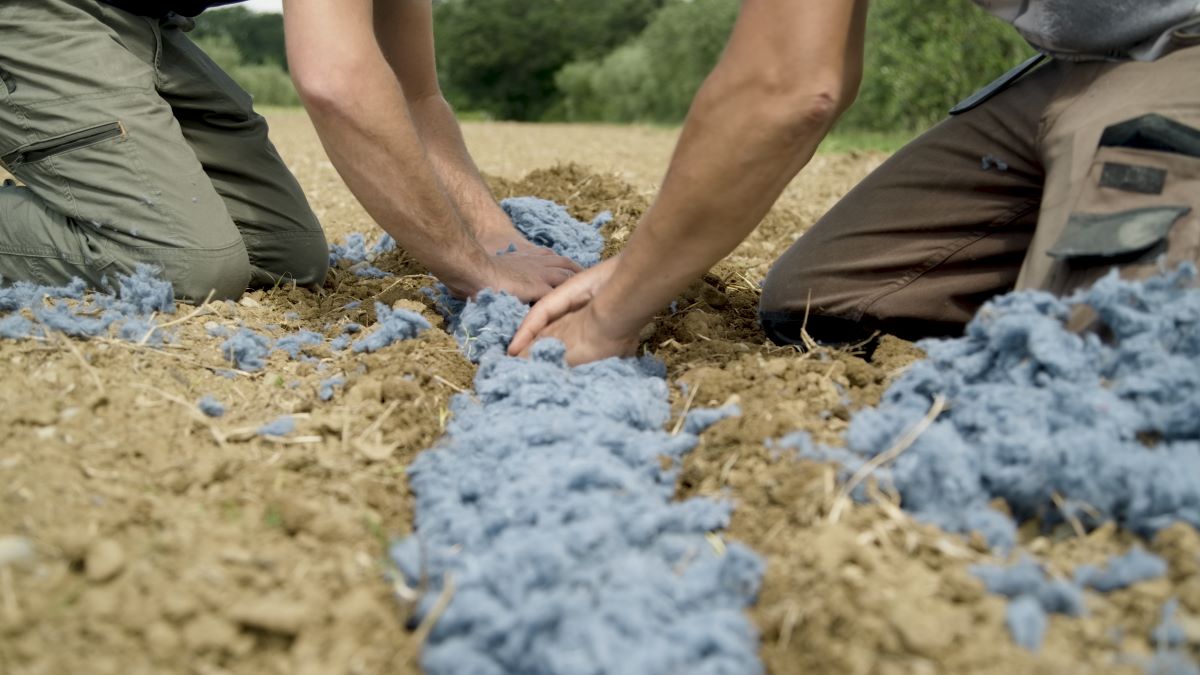
The preferred fibers we utilize include organic and regenerative cotton. GOTS jeans comprise at least 70% organic materials, while denim fabrics are certified by the Organic Content Standard (OCS) if they make up at least 5%. While organic fibers have been recognized and utilized in various industries for many years, the interest in regenerative practices is relatively new within the textile sector. Our denim fabrics are certified by the regenagri® Content Standard when they contain a minimum of 50% regenerative-grown fibers.
Regenerative agriculture aims to improve and restore ecosystems over time, moving beyond sustainability to actively rejuvenate the land. The key elements of the regenagri® Content Standard include:
- Soil health—Achieved through practices such as crop rotation, no-till farming, and composting, these methods enhance soil fertility and structure
- Biodiversity—This encourages a varied ecosystem of plants, animals, and microorganisms, which helps maintain natural balance and resilience
- Carbon sequestration—The focus here is on practices that capture and store carbon in the soil, contributing to the mitigation of climate change
Additionally, the standard ensures that materials are traceable, transparent, and sourced from certified regenerative farms.
We are also committed to improving the use of recycled materials to lessen the environmental impact of sourcing from virgin resources. Our denim fabrics are certified by GRS when they contain at least 20% recycled cotton. Additionally, the Recycled Claim Standard (RCS) certifies each stage of the manufacturing process for denim fabrics that include a minimum of 5% recycled materials. Unlike GRS, RCS does not consider other criteria, such as the social impact of the production process.
Other certifications related to our products include OEKO-TEX® Standard 100, which we received in 1996, and EN 13432, a standard that assesses compostability. While this standard typically applies to packaging, it has also been used to demonstrate the compostable properties of stretch denim fabrics produced using our patented COREVA™ technology.

Candiani’s process-related certifications
We received the BEST4 certification from RINA, which confirms that our integrated management system adheres to quality (ISO 9001), environmental (ISO 14001), safety (ISO 45001), and social accountability (SA 8000) standards.
We received ISO 14001 in 2005. ISO 14001 is an internationally recognized standard for environmental management systems that provides a framework for organizations to design and implement their systems while continuously improving their environmental performance. By following this standard, organizations prove they are taking proactive steps to minimize their carbon footprint, comply with relevant legal requirements, and achieve their environmental objectives. The framework covers various aspects, including resource usage, waste management, monitoring ecological performance, and engaging stakeholders in environmental commitments.
ISO 14001 was followed by SA 8000 in 2010 and ISO 9001 in 2021. Finally, we received ISO 45001 in 2022. This international standard outlines the requirements for an occupational health and safety management system and provides a framework for organizations to manage risks and enhance performance effectively. The standard establishes criteria for elements such as an occupational health and safety policy, objectives, planning, implementation, operation, auditing, and review. Key components include leadership commitment, worker participation, hazard identification and risk assessment, compliance with legal and regulatory requirements, emergency planning, incident investigation, and continual improvement.
We are also dedicated to minimizing the impact of chemicals in the denim manufacturing process. In 2017, we committed to the Zero Discharge of Hazardous Chemicals (ZDHC) program, and two years later, we formalized this commitment by becoming a contributor. The ZDHC initiative bans harmful chemicals from the entire textile production process. Additionally, in 2015, we joined the Detox My Fashion campaign launched by Greenpeace, which aims to encourage the entire fashion industry to eliminate harmful chemicals.
Finally, we received the certificate of completion for the Higg Facility Environmental Module (FEM) verification. This certification evaluates various aspects of a facility’s environmental impact, including:
- Foundational environmental performance: the essential operational practices and management systems that all facilities should implement to identify and prevent critical environmental harm
- Quantitative impact metrics: environmental impact metrics such as greenhouse gas emissions, waste generation, and water resource usage
- Leading practices: planned improvement activities and demonstrated reductions in environmental impact