 Log into your account
 Register




We have just introduced our SS27 fabric collection, showcasing innovative advancements in raw materials and finishing treatments! While the rising temperatures can be challenging for the denim industry, we’re embracing the opportunity to create lighter, summer-friendly fabrics with new fiber blends and advanced manufacturing techniques. Let’s explore how!
Our SS27 fabric collection focuses on fibers and colors
In our SS27 fabric collection, we prioritize improving our fibers, starting with regenerative cotton. We were the first manufacturers in the industry to invest in regenerative cotton and champion its cultivation worldwide. We genuinely believe this sustainable approach is not only scalable but can profoundly benefit our environment by restoring soil health and revitalizing ecosystems. We’re also amplifying our use of recycled cotton, incorporating both post-industrial and post-consumer fibers. This commitment helps reduce textile waste and lessens the demand for new materials.
However, summer is becoming increasingly challenging for denim fabrics due to rising temperatures, prompting the industry to explore new, alternative solutions beyond traditional denim. In response, our SS27 denim collection features lightweight linen-blended denim to keep you fresh. Additionally, warmer weather often inspires a shift in colors. We have addressed this by using special dyes and finishing treatments, offering a range from classic ecru, the natural color of cotton, to sophisticated sulfur-beige shades, all while celebrating the enduring charm of indigo and the authentic character of denim.
What’s linen-blended denim?
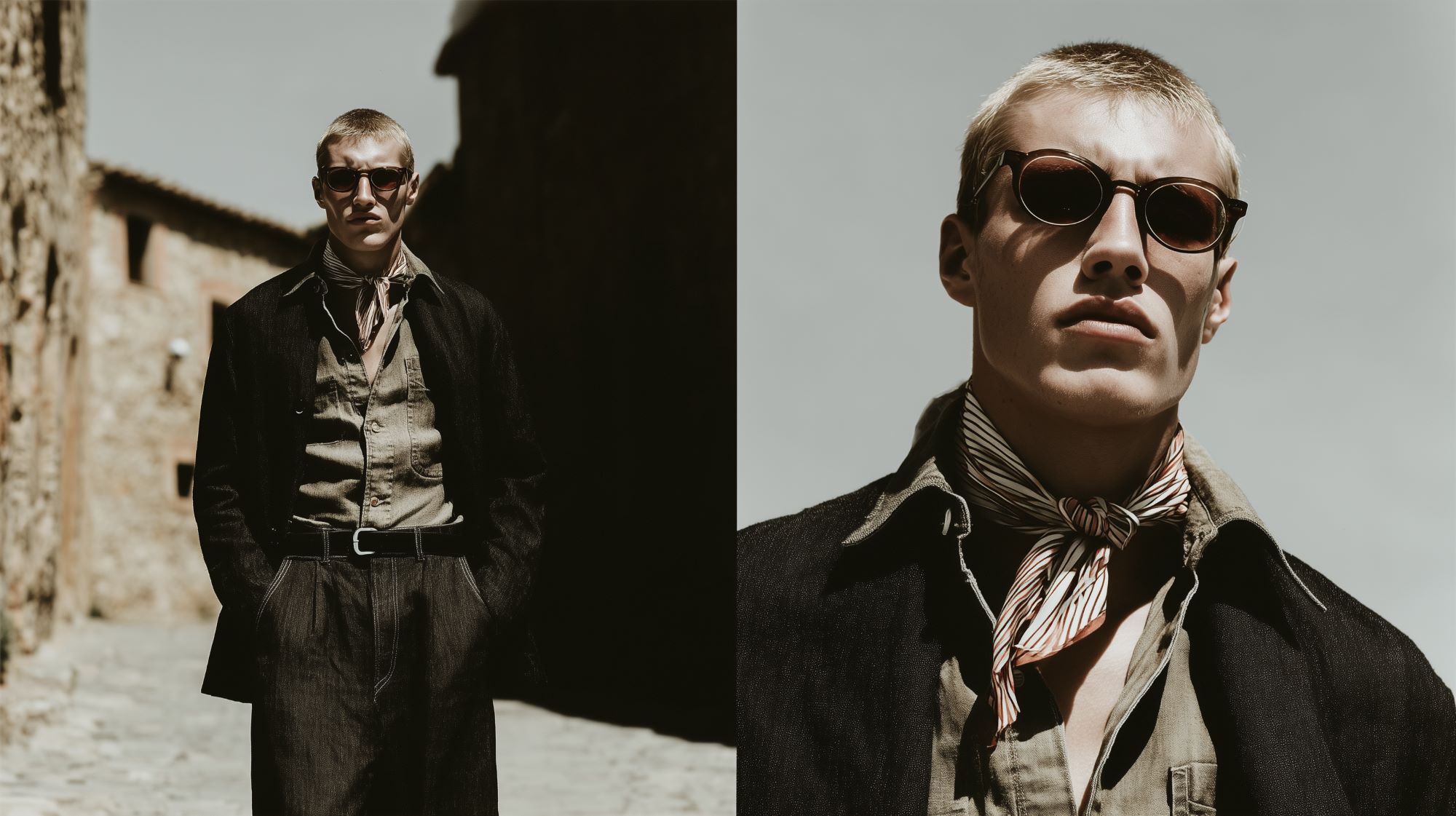
Our linen-blended denim collection features a lightweight blend of linen and cotton, making it a refreshing choice for summer comfort. Linen-blended denim perfectly combines the strength and durability of traditional denim with the lightweight freshness of linen, providing enhanced comfort and softness during the warmest months.
All our linen-blended denim fabrics are made in Europe, utilizing a blend of linen fibers sourced from France and regenerative cotton from Greece and Spain, ensuring proximity and traceability. This collection includes both open-weave and compact constructions with a natural ring effect, all designed to achieve an authentic denim appearance. The color palette includes classic dark and medium indigo shades, ecru (the natural color of cotton), and a sophisticated sulfur-beige.
Benefits of linen
Even though linen is lightweight, it is both long-lasting and durable. Over time, it becomes more comfortable and softer, providing ease and gentle care for sensitive skin. Additionally, linen has a naturally bright appearance that doesn’t fade.
Linen is also highly hygienic, hypoallergenic, and odor-resistant. As a breathable natural fiber, it effectively regulates temperature and absorbs excess moisture, helping to eliminate bacteria and other harmful microorganisms. This is why linen is considered one of the cleanest fibers available.
Finally, linen fibers require minimal irrigation and are produced through a zero-waste process, making them an eco-friendly and low-impact choice.
Linen is the processed flax fiber. According to Textile Exchange, 70% of the flax used to produce fibers in 2024 was cultivated in Europe, with France being the largest producer.
How to make a bright summer look
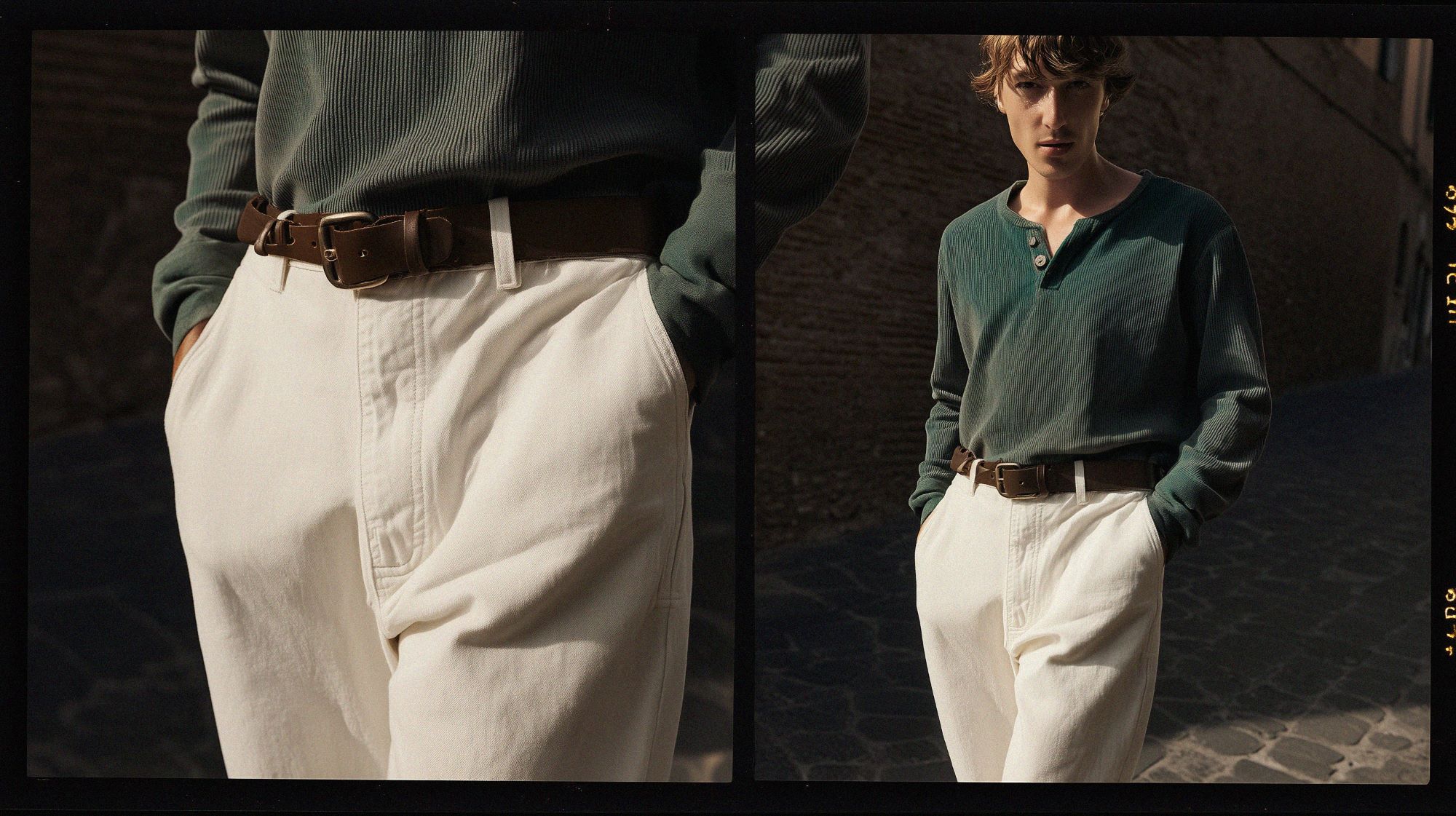
Our SS27 fabric collection features innovative dyeing and finishing treatments developed through some of our most successful research and development efforts. Our unique foam coloring technique integrates fabric dye to create an unconventional, rich hue that enhances the fabric’s shine, making it perfect for a bright summer look. In our coating treatment, a color layer is applied to the fabric, allowing for effects such as glossy, metallic, or waxed textures.
The collection includes a variety of fabrics made with regenerative cotton and dyed in different colors, including blue and black, with a plated aesthetic that offers a natural hand feel, a sophisticated sulfur-beige shade, a contemporary sage hue, and a classic blue navy color with a worn-out appearance.
Color trends in denim
While indigo in various shades remains a classic favorite in the denim industry, recent years have seen the emergence of different colors. Current trends in jeans emphasize that sophisticated dark blue and black shades are essential in any wardrobe. However, summer often calls for lighter shades, whether in indigo or other hues, to create a casual, relaxed, and fresh vibe.
Warm weather typically inspires the use of bright, vibrant colors that uplift your spirit and make you shine during summer evenings, whether you are strolling by the seaside or enjoying time in the city.
Additionally, colors like beige, green, khaki, and chocolate have recently gained popularity in denim fashion. These hues offer a valuable alternative for those looking to step away from traditional denim while still enjoying comfort and versatility, suitable for both summer and colder seasons.
Find out more about regenerative cotton
Regenerative agriculture lacks a universal definition, but it generally focuses on restoring the land’s natural functions by improving soil health and rebalancing ecosystems through tailored practices. Its primary goal is to enhance soil health, which helps store CO2 and supports nutrient cycles, aiding in climate change mitigation. Benefits also include improved watersheds, increased biodiversity, higher yields, and reduced costs. Common practices include cover cropping, crop rotation, and minimal tillage, adapting to specific soil types and climates.
We believe that regenerative farming may gain a larger market share than other farming methods due to its flexible, farmer-friendly standards. This is why we have decided to pioneer regenerative cotton in the denim industry and have steadily increased its use in our fabric collections. However, it’s important to note that different standards are usually not in competition with one another and can be combined to enhance their positive impact.
Our regenerative cotton is certified by regenagri®. This standard evaluates on-farm data to support continuous improvement, maximizing the benefits of regenerative practices while ensuring the health of the land and the community. Additionally, we are enhancing our use of European cotton for two main reasons. First, it allows us to shorten our cotton supply chain, thereby minimizing its carbon footprint through lower greenhouse gas emissions. This also reduces complexity and the risk of false claims. Second, the European Union has some of the strictest standards regarding the use of chemicals and GMOs, further ensuring that our cotton has a low environmental impact.