
 Log into your account
 Register

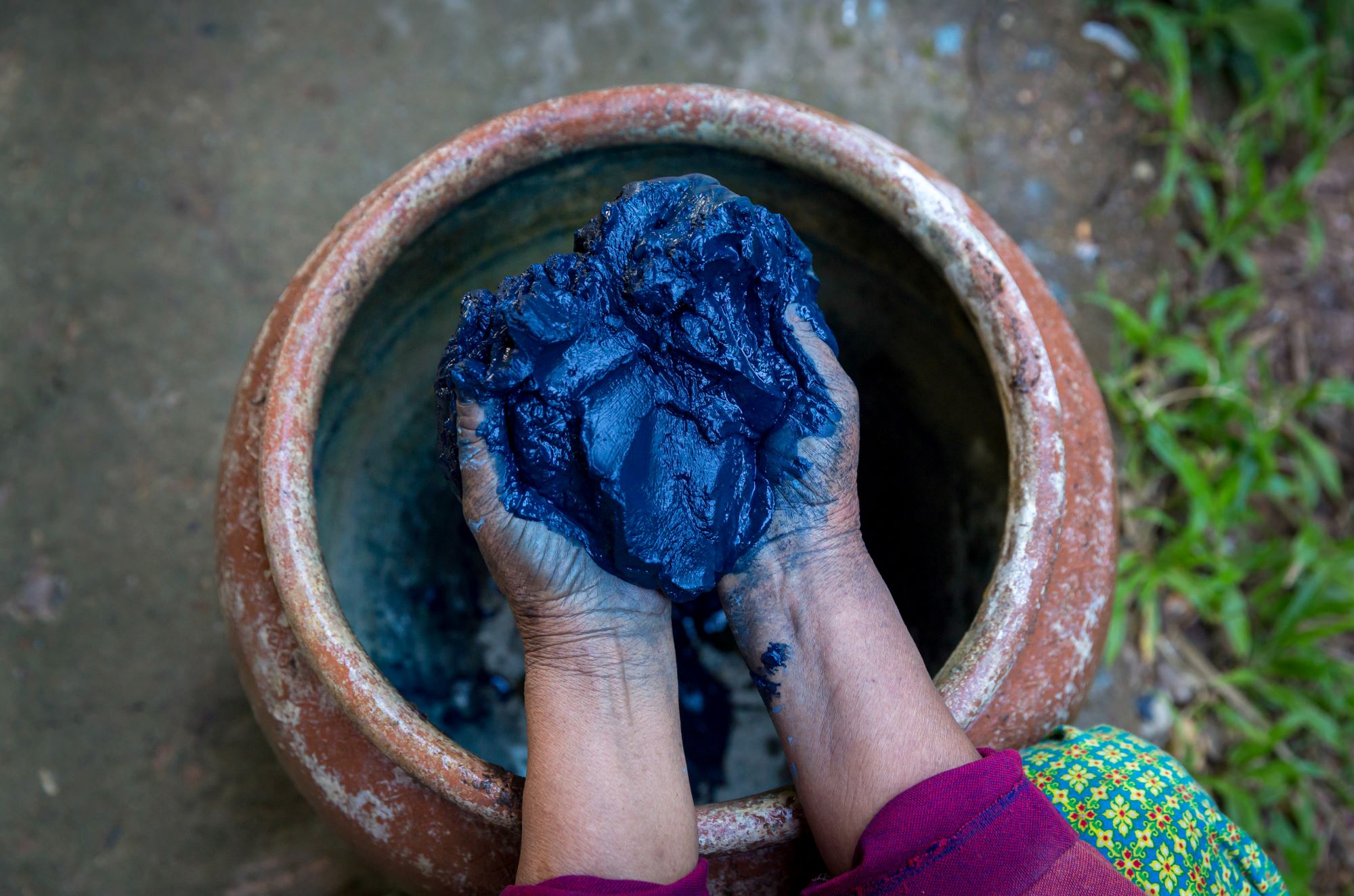


Few colors have shaped human history as profoundly as deep blue. For millennia, indigo has enchanted cultures worldwide, infusing textiles with rich hues and symbolizing status. But what is natural indigo, and why is it making a vibrant comeback today? This article specifically explores the captivating journey of natural indigo, a plant-based dye with a rich history and environmental benefits. From the sun-kissed Indigofera plants to the artisans who craft the iconic blue pigment, natural indigo connects the past to a sustainable future in fashion.
What is natural indigo?
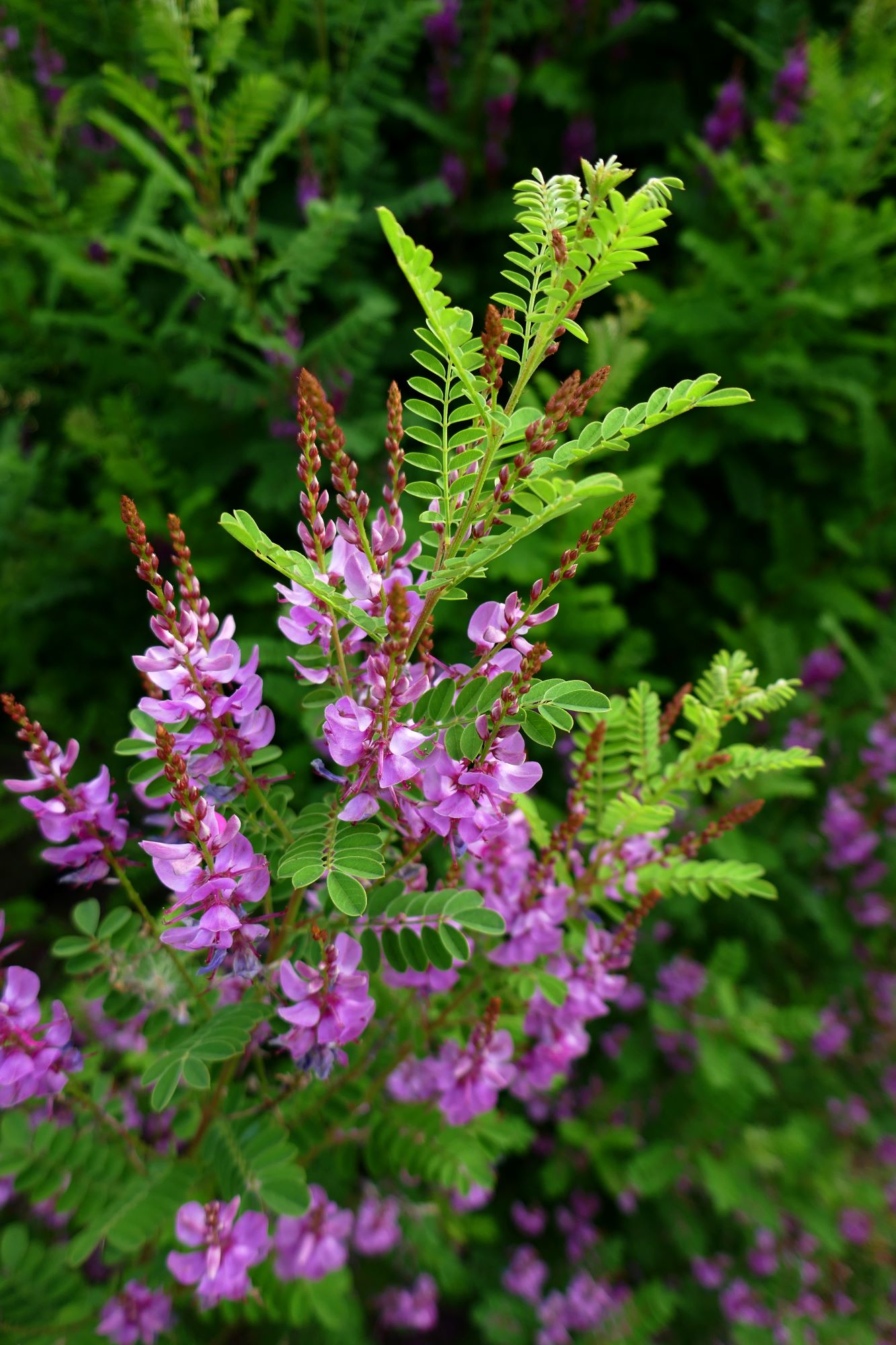
Natural indigo is a plant-based dye that has been used for centuries to create deep blue shades, particularly in textiles like denim. It is primarily extracted from plants such as Indigofera tinctoria, which is native to India, and Indigofera suffruticosa, found in the Americas. Before the advent of synthetic dyes, nearly all indigo was sourced from Indigofera plants. The process involves harvesting the plant leaves, soaking and fermenting them, and then separating the indigo pigment, which is subsequently dried and transformed into a powder or paste for dyeing.
Plants in the Indigofera genus belong to the legume family and consist of over 750 species. They thrive in tropical climates, can grow taller than 1.8 meters, and are characterized by oval leaves that resemble feathers. The Swedish botanist Carl Linnaeus officially named the Indigofera genus in his 1753 work, “Species Plantarum,” though many civilizations worldwide had been using indigo for thousands of years prior to this classification.
The ancient history of dyeing
The history of dyeing is a captivating subject that dates back to prehistoric times. Humans have been coloring textiles for more than 6,000 years, utilizing natural sources such as plants, minerals, and insects.
The ancient Egyptians excelled in producing red, blue, and yellow dyes, which they applied to linen, an essential material in their burial rituals. Meanwhile, the people of Mesopotamia used indigo and madder and developed early techniques for mordanting, a process that fixes dyes to fabrics. In China, artisans pioneered silk dyeing, often creating vibrant reds and yellows from plant roots and flowers. The Greeks and Romans are notably recognized for Tyrian purple, a dye that became a symbol of imperial power; due to its labor-intensive production, it was a luxury only the elite could afford, requiring thousands of sea snails to produce just one gram of dye.
The history of indigo dye is global, extending from Asia to the Americas. The term “indigo” comes from the Latin word “indicum,” which means “Indian.” This reflects the early European imports of indigo pigments from the area. Pliny the Elder specifically mentioned indigo as a product from India; however, it remained a luxury item mainly traded by Arab merchants for centuries.
Interestingly, the earliest evidence of indigo-dyed fabrics was found in Huaca Prieta, Peru, and dates back over 6,000 years. The Incas cultivated indigo for dyeing textiles, while the Mayans created “Maya Blue” by mixing fermented indigo leaves with clay. The Aztecs also used indigo to dye cherished fabrics, including the cloak of the emperor.
How it’s made
The indigo pigment, known as indigotin, is found in the leaves of Indigofera plants. When these plants mature, their leaves are harvested—typically by hand—and soaked in water to ferment. This fermentation process activates enzymes that break down a compound called indican into indoxyl, resulting in a yellow-green liquid, but not blue just yet!
Next, the liquid is drained and aerated by stirring, splashing, or beating to expose it to oxygen. This exposure causes the indoxyl to transform into indigotin, the blue pigment. You will observe the liquid changing from greenish-yellow to a deep blue as the pigment forms. Eventually, the blue pigment settles at the bottom, where it is collected, filtered, and pressed into cakes or powder.
The dry indigo pigment is insoluble in water, so dyers need to prepare it in a vat with a reducing agent. Historically, this has included substances like urine, but nowadays, plant-based fermentation or chemical reducers are more common. This process converts the indigo into a soluble form called leuco-indigo. When fabric is dipped into this yellowish-green liquid and then pulled out, it reacts with oxygen and turns blue.
The process of extracting indigo from Indigofera leaves may appear simple, but it is actually complex and labor-intensive. In the late 19th century, German chemist Adolf von Baeyer synthesized indigo, winning the Nobel Prize in Chemistry in 1905 for his work. His efforts revolutionized the indigo industry, making the dye more accessible and contributing to a significant decline in Indigofera plantations worldwide.
Environmental advantages
Ancient dyeing techniques have laid the foundation for modern textile dyeing. Many natural dyes are currently being rediscovered as part of the sustainability movement, which seeks to reduce the use of synthetic chemicals in fashion, including natural indigo.
Natural indigo is biodegradable and derived from renewable sources. The Indigofera plants used to produce indigo are particularly well-suited for regenerative agriculture. These plants can sequester carbon in the soil and fix nitrogen from the atmosphere, improving soil quality and contributing to climate change mitigation, key objectives of regenerative agriculture.
Furthermore, Indigofera serves as an excellent rotational crop, which is a fundamental practice in regenerative farming. Crop rotation involves planting different types of crops in the same field during various seasons or years rather than repeatedly cultivating the same crop. This practice offers numerous benefits:
- Soil health: different crops utilize and replenish various nutrients. For instance, legumes add nitrogen to the soil, benefiting later crops such as wheat or corn that require high nitrogen levels
- Pest and disease control: many pests and diseases are specialized to specific plants. Rotating crops disrupts their life cycles, reducing their populations
- Weed management: changing crops can help break established weed patterns
- Better yields: overall, healthier soil and reduced pest pressures lead to improved harvests over time
The future of green denim
Natural indigo produces a rich, deep blue color with a unique, natural variation that is often seen as less uniform compared to synthetic indigo. For many years, this irregularity led the denim industry to deem this sustainable denim dye unsuitable for large-scale fabric production. However, as the fashion world increasingly emphasizes sustainability, authenticity, and transparency, natural indigo is set to take center stage in the future of denim.
Consumers are becoming more aware of the environmental impact of synthetic products, leading to a revival of artisanal craftsmanship. Natural indigo embodies centuries of cultural heritage, from Japanese aizome to Indian indigo vats. Many brands and designers are embracing this artisanal narrative, offering a plant-based denim tint that is not just a product but a piece of living tradition.
Modern advancements in biotechnology, regenerative farming, and vat preparation are also making natural indigo more scalable and consistent. This development paves the way for larger-scale production while maintaining sustainable practices. Therefore, the future of indigo denim is not solely about revisiting traditional methods; it’s about melding ancient wisdom with innovative techniques to create jeans that are beautiful, meaningful, and better for the planet.