 Log into your account
 Register




One of our primary 2026 priorities is to improve the fibers we use. This includes not only the quality of our raw materials but also their impact on the planet and the communities involved in cultivating, producing, processing, and ultimately wearing these fibers. Cotton is the most crucial ingredient in the denim industry, which is why our efforts are primarily concentrated on it. Let’s explore how we are addressing this issue.
How cotton impacts our planet
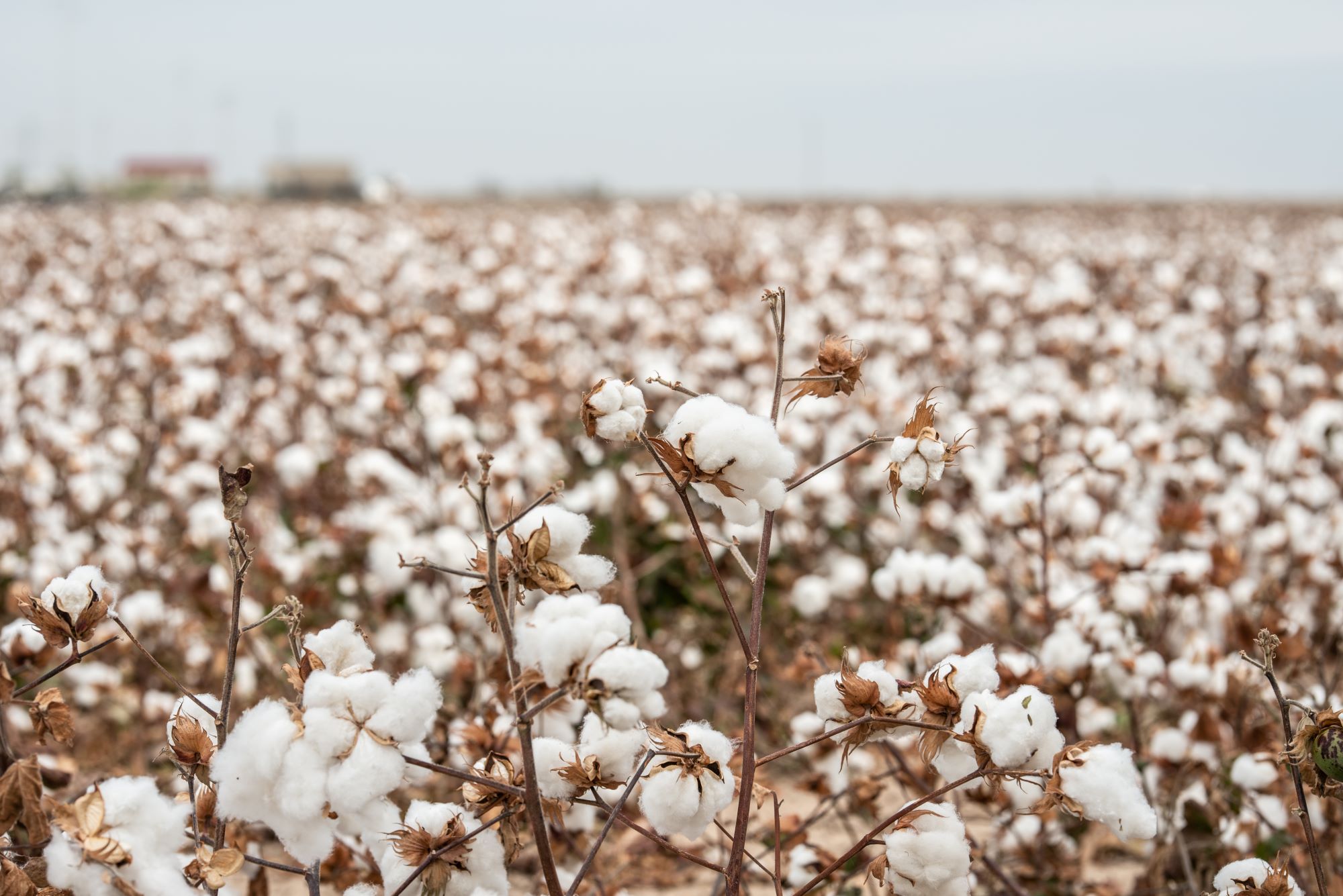
Cotton is the most widely used natural fiber in the world. According to the United Nations, 2.5% of all arable land is dedicated to cotton cultivation, which requires an annual input of 200,000 tons of pesticides and 8 million tons of fertilizers. These amounts represent 16% and 4% of the total pesticides and fertilizers used globally, respectively. Intensive agriculture aims to maximize soil yields by intensifying and mechanizing farming operations, often relying on insecticides and pesticides that pose an extinction risk to 40% of insect species.
In addition to harming wildlife, intensive agriculture has several negative consequences, including air, water, and soil pollution; widespread deforestation; the emergence of new pests; the destruction of biodiversity and natural habitats; and soil erosion and depletion. It also increases the risk of flooding.
To counter these issues, more environmentally friendly farming techniques have emerged in recent years, such as regenerative and organic methods. According to the 2025 Textile Exchange report, 34% of the cotton produced between 2023 and 2024 was grown under programs promoting responsible practices. This includes the Better Cotton and other similar initiatives (23%) and the regenagri® program (4%). Furthermore, only about 1% of the cotton produced in 2024 was recycled.
Our commitment toward a regenerative and regenerated future of denim
The data we have just reviewed highlights the importance of reducing the environmental impact of cotton cultivation. For years, we have been committed to supporting responsible farming initiatives, and in 2026, we have decided to strengthen this commitment even further. We have begun a transition to source only regenerative cotton fibers and yarns by the end of the year. However, we will retain a portion of organic cotton in our offerings and continue to focus on increasing the use of recycled (regenerated) cotton through partnerships that specialize in collecting and respinning these fibers.
In 2021, we became the first denim producers to obtain the regenagri® Chain of Custody certification. This textile standard is designed for organizations involved in the sale, purchase, processing, or production of regenagri® certified materials. It requires certification of the entire supply chain, from farmers to the final product, ensuring full traceability. Products certified under the regenagri® standard must contain at least 40% regenerative fibers.
We chose to collaborate with regenagri® because it was the first program to take concrete action in support of regenerative agriculture. We value the robustness of its standards, the third-party verification systems, and the strong traceability they provide. Additionally, this initiative promotes continuous improvement rather than maintaining the status quo, offering a comprehensive solution for farms and organizations looking to adopt the standard while tailoring it to their specific needs.
The benefits of regenerative agriculture
Organic agriculture primarily emphasizes processes, while regenerative farming is defined by its outcomes. The main objective of regenerative farming is to restore the planet’s natural functions, enhance soil health, and rebalance ecosystems. Its practices may vary across different regions, taking into account soil properties, biological conditions, and climate. Therefore, we believe regenerative agriculture has the potential to be scalable, leading to significant environmental benefits and financial stability for everyone involved.
Though specific farming practices may vary by region, common methods include using cover crops to protect and enrich the soil, practicing crop rotation to maintain or improve soil fertility, and minimizing or eliminating mechanical tillage to preserve beneficial microorganisms essential for soil health.
Healthy soils help reduce erosion, require less water, and withstand droughts and floods better. They also store more CO2 underground, thereby improving yields for farmers. Additionally, stronger and healthier plants are better equipped to resist weeds and pests and require less chemical fertilizer. These benefits contribute to greater biodiversity, increased financial profitability, reduced greenhouse gas emissions, mitigation of climate change, and improvements in hydrogen, carbon, and nutrient cycles.
If you want to learn more, check out our Cotton Evolution page.