
 Log into your account
 Register

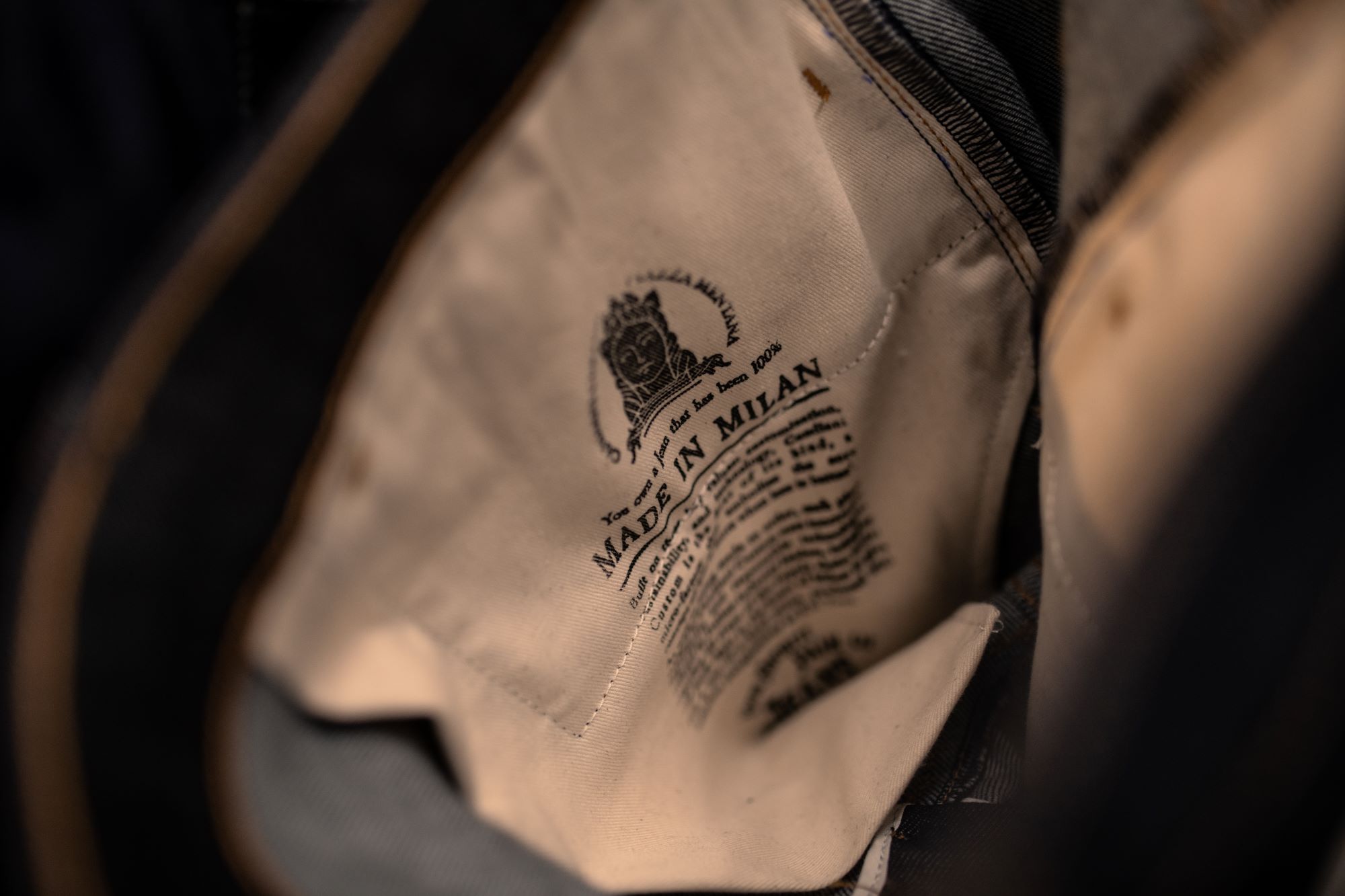


The textile industry has undergone a significant transformation in recent decades. Yet, made-in-Italy denim continues to symbolize quality and craftsmanship. Italian textile manufacturing is still viewed globally as a benchmark for culture, elegance, creativity, sophisticated taste, and meticulous attention to detail—qualities that are hard to find elsewhere. This industry builds on a century-long heritage while also addressing modern challenges.
History of Italian mills
Italy has been a significant player in cotton textile manufacturing for centuries. When cotton became widely available in Europe around a thousand years ago, Venice and Genoa emerged as key ports for its imports. Venetian merchants traded high-quality cotton to support refined urban production, while lesser quality cotton from Turkey, Sicily, and Malta arrived in Genoa to support larger rural manufacturing for everyday textiles. One popular fabric was fustian. While Milan and Cremona dominated the production of the finest qualities, various rural hubs in Lombardy, Piedmont, and Liguria began to manufacture more accessible yet durable fustian for a broader population.
Some of these rural textile centers had been established by Genoese merchants, who exported their fabrics from the Ligurian port across Europe. These products gained popularity in England, and some were re-exported across transatlantic routes. Genoa became renowned for exporting heavy fustian made from cotton, dyed with indigo imported in large quantities after Vasco da Gama opened a new sea route to India in 1498. This is where “bleu de Gênes,” which later evolved into “blue jeans” in England and then in the United States, originated. Thus, we consider Genoese fustian to be the closest predecessor of modern denim.
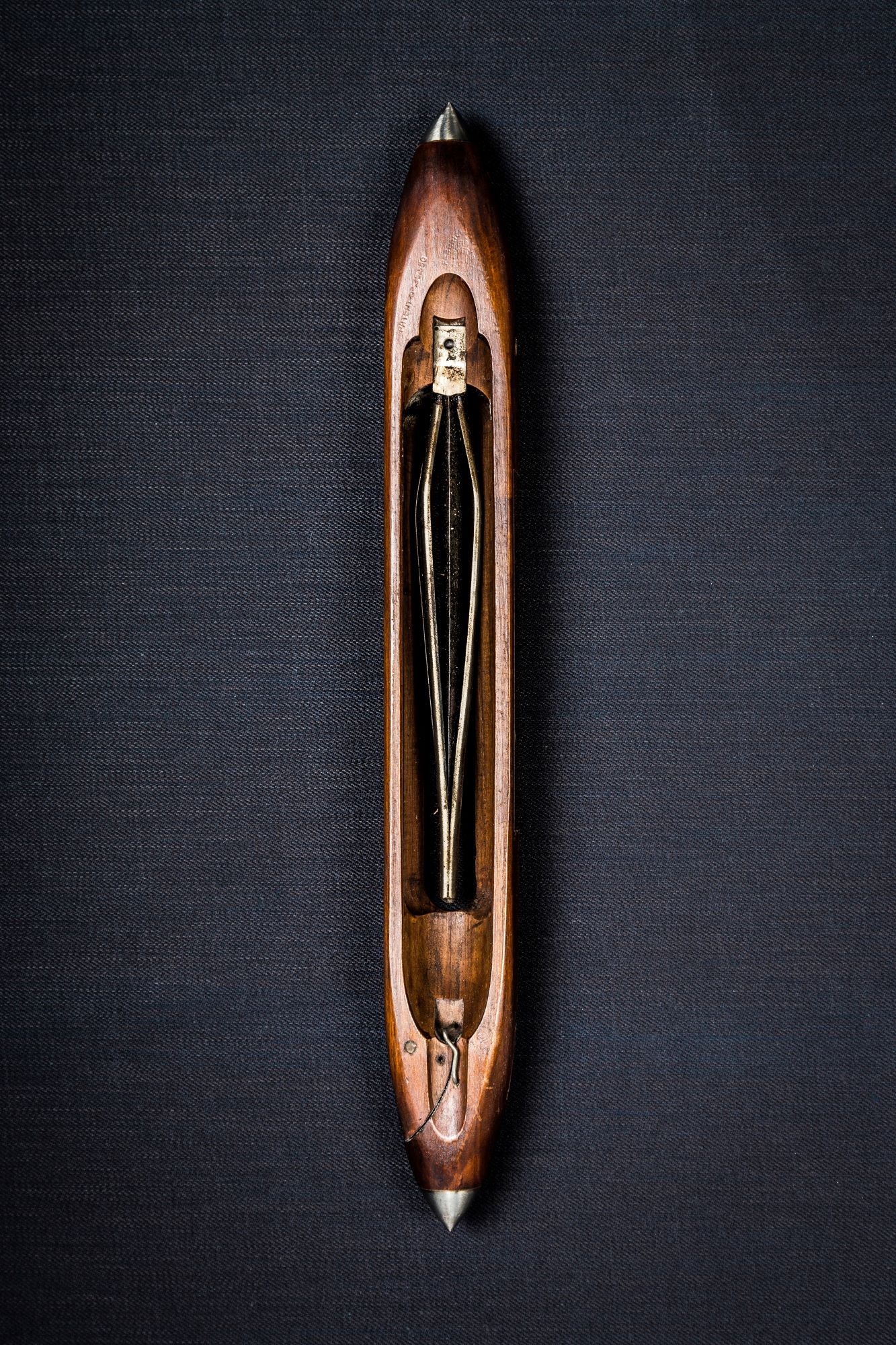
The textile industry played a crucial role during the Industrial Revolution across Europe, driven by John Kay’s invention of the flying shuttle in 1733, which significantly sped up production. In Italy, the sector also expanded with the establishment of modern industrial factories that began to replace traditional tailoring workshops. These factories focused on specialized labor, quality control, and increased productivity. This transformation reached its peak after World War II with the rise of ready-to-wear production. Today, Italian textile excellence continues to draw from this rich legacy while adapting to contemporary needs, and the Italian denim industry makes no exception.
Innovation and sustainability
According to the report “Italy Textile Manufacturing Industry” by Mordor Intelligence, the Italian textile manufacturing market was valued at $30.32 billion in 2025 and is expected to reach $36.64 billion by 2031. These figures suggest that while the industry does not grow as quickly as other sectors, it remains competitive due to the high added value of its products and the gradual integration of circular economy principles. The key to the industry’s resilience lies in its transition from a volume-based model to one focused on quality, innovation, and sustainability.
While Italy is often seen as a country that emphasizes heritage—an important pillar of its identity—it is also an innovation hub. This is evidenced by the number of patent applications submitted to the European Patent Office, totaling 4,767 in 2025. Italy ranked 10th worldwide and 4th in the European Union for patent applications.
The increasing focus on sustainability is also expected to drive innovation, as these two aspects are now intertwined. The EU’s Strategy for Sustainable and Circular Textiles aims to transition the sector to a circular economy for a cleaner, more competitive Europe. This strategy is designed to encourage innovation and stimulate economic growth in the European textile industry, potentially creating up to 700,000 new jobs in the EU by 2030.
It is important to remember that a product’s origin does not automatically guarantee it was produced ethically or responsibly. However, some regions enforce strict regulations to minimize the environmental and social impacts of production. According to the Global Rights Index 2025, Europe is ranked as the least repressive region for workers. Additionally, the coordinated strategies that institutions are implementing for the textile industry include establishing design requirements, enhancing traceability, ensuring accountability throughout the entire product life cycle, restricting textile waste exports, and promoting circular business models.

Humana People to People Italia’s headquarters.
Luxury fashion partnerships
According to Euratex (2026), Italy is the leading contributor to the textile industry within the European Union, renowned for its creativity and quality. Market analysis shows that the fashion and apparel segment accounted for 48.35% of the Italian textile market in 2025, highlighting its critical role as a global hub for premium and luxury products.
The term “premium” refers to the price that consumers are willing to pay for products that provide superior qualities compared to others. However, it does not necessarily equate to luxury. The premium denim industry emerged in the 1980s, a time when jeans began to symbolize status and were even regarded as luxury items. As a result, these two definitions can often be confused.
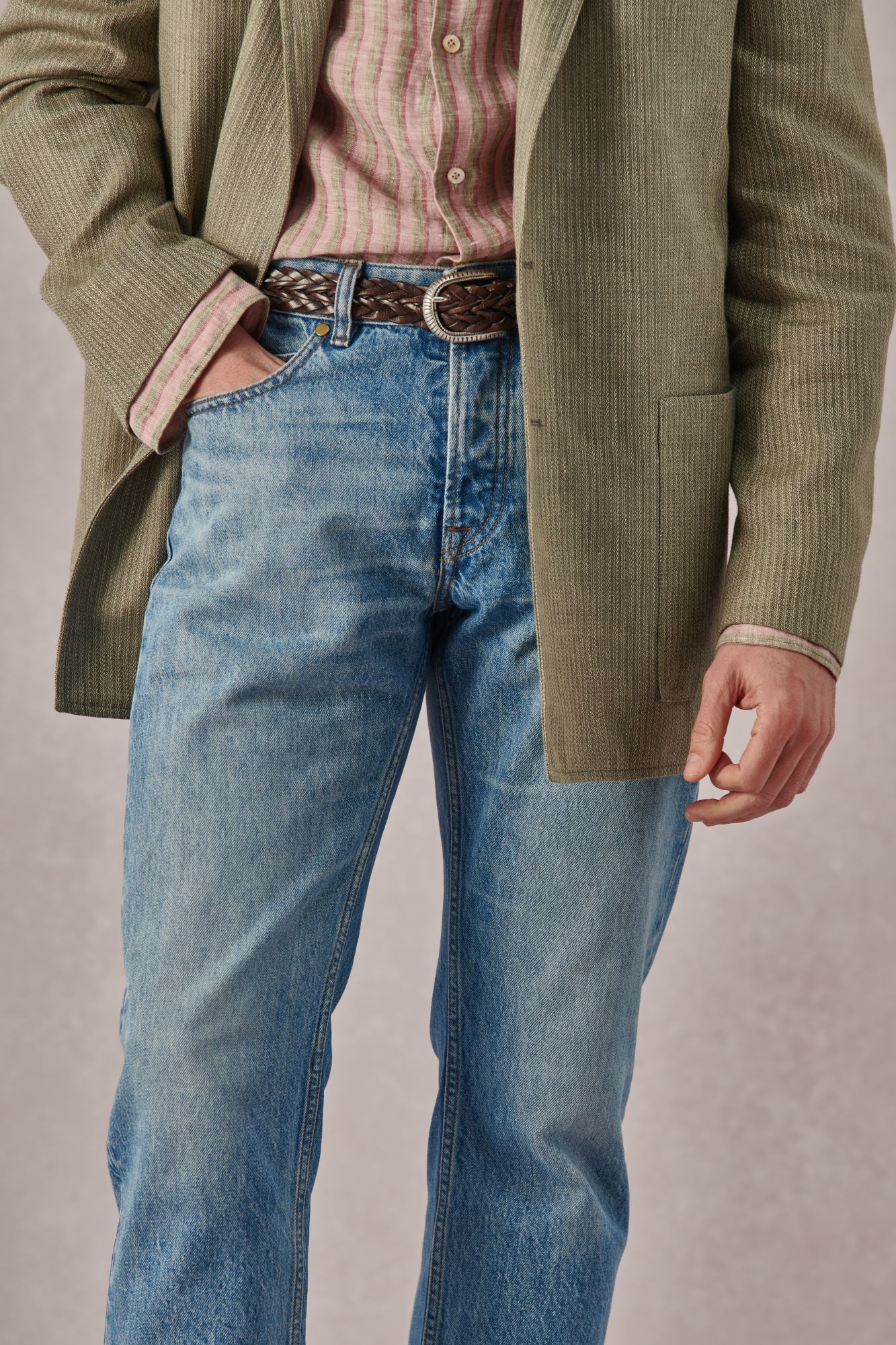
While the fashion industry is largely driven by low prices today, Italian textiles, including made-in-Italy denim, offer a compelling narrative. They embody craftsmanship, attention to detail, and premium quality, which can enhance the value and reputation of brands and designers.
Global reputation
Many people are beginning to question the real value behind fashion products, especially since consumers now have access to similar styles at various price points. However, surveys show that Italy’s reputation for craftsmanship and premium textile manufacturing remains strong. The “Made in Italy” label continues to represent a rich culture and exceptional craftsmanship.
According to a new report, “Il bello della moda,” from the Camera Nazionale della Moda Italiana (CNMI) and McKinsey, this cultural significance is more important than the perceived quality of the products. Furthermore, the fashion industry in Italy accounts for 5% of the country’s industrial output. It creates five times as many jobs as other key sectors of the Italian economy. Notably, the percentage of international students in Italian fashion schools is six times higher than the national average.
One of the unique characteristics of the Italian textile industry is its historical division into specialized districts, supported by well-connected networks of small and medium-sized companies. Examples of these districts include Biella, known for its wool fabrics; Como, famous for silk; and Prato, recognized for textile recycling. This system allows for great production flexibility and a rapid response to the fast-paced demand cycles in today’s market. According to CNMI-McKinsey, the textile industry benefits from a supply chain that includes these specialized districts, small and medium-sized enterprises, and a collective expertise spanning 47 provinces.
The Italian denim segment is also diverse, with specialized districts located in different regions. For instance, Veneto is often regarded as the crown jewel of Italian denim, housing many well-known jeans brands. Marche is home to numerous garment manufacturers that specialize in luxury and premium jeans. Lombardy, our base, has a strong legacy in producing high-quality denim, as well as shirting, silk, and wool fabrics.