 Log into your account
 Register



When was denim invented? Where did jeans come from? Who is the inventor of denim jeans? If these questions have sparked your curiosity, you’re in for a treat! The history of blue jeans is an exciting journey that stretches over a thousand years and spans the globe. Join us as we dive into the timeline of blue jeans, uncovering the fascinating past of this cherished garment and exploring what the future holds for it!
Before jeans: cotton twills and fustian
Between the 8th and 11th centuries, cotton cultivation really took off across the Islamic world, making it more accessible and affordable in Europe. Italy emerged as a key player in the cotton trade, with ports like Venice and Genoa leading the charge. By around 1300, cotton manufacturing in Northern Italy was booming.
Cities like Milan and Cremona became known for their high-quality fustian, while Chieri focused on producing a sturdy, budget-friendly blue fustian dyed with local woad. This fabric was popular because it met the everyday needs of a large population, with about 6,000 to 7,000 bales exported annually through Genoa. Some of this fustian likely found its way to sailors and port workers in the Ligurian capital, who used it for everything from covering goods to constructing sails.
In France, a similar woad-dyed fustian known as Serge de Nîmes was made, which is actually where the term “denim” comes from. It’s worth noting that while modern denim has a 3x1 weave with blue-dyed warp yarn, traditional fustian typically featured a 2x1 weave with dyed weft. However, different cities had their unique methods of making fustian, and the fabrics could be crafted from a mix of cotton, wool, hemp, or linen in various colors.
Venice relied on imports of top-notch cotton to meet its limited fine urban production. In contrast, Genoa supported rural manufacturing by importing more affordable cotton from Turkey, Sicily, and Malta. The Genoese merchants capitalized on this cotton to develop weaving districts in Piedmont and Liguria, which became renowned for producing sturdy, durable, and convenient fabrics.

The birth of blue jeans
In the 16th century, Italian fabrics began to gain popularity beyond the Alps, in Spain and, notably, England. During this period, heavy fustian fabrics from the Genoese region became the preferred choice for durable everyday products. This is when the terms “jean” or “jeans” started appearing in English inventories to identify fustian imported from Genoa.
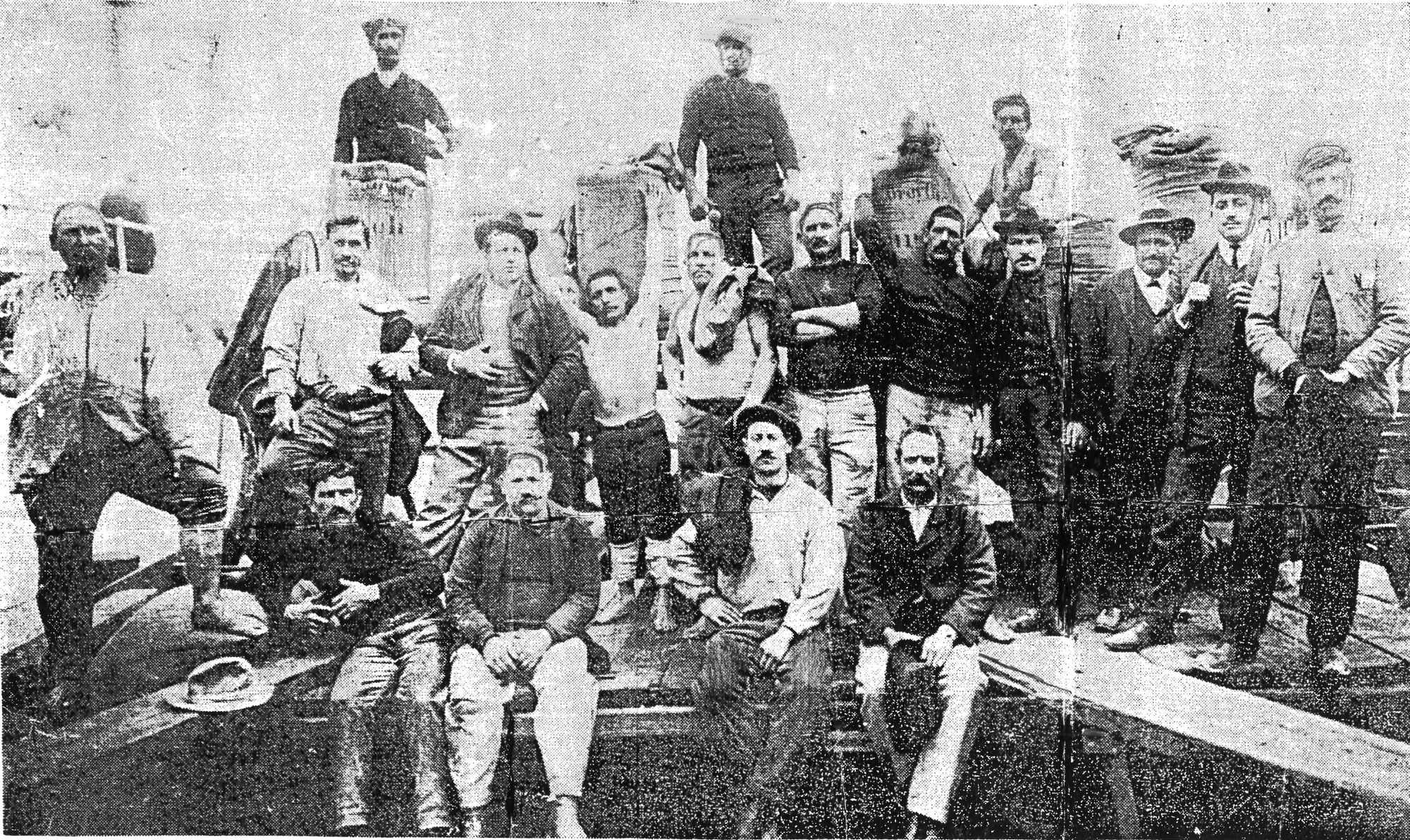
Genoese fustian was crafted using cotton yarns, and its distinctive feature was an indigo-dyed warp. The new maritime route opened by Vasco da Gama in 1498 had facilitated the import of indigo, which had proved to be better suited for cotton than the traditional woad. As a result, sailors and dock workers began to adopt this sturdy fustian for their workwear as well, finding also that its blue color was advantageous for concealing stains. This fabric is often regarded as the true precursor to modern jeans, with the term “blue jeans” deriving from “bleu de Gênes,” which means “blue of Genoa”—a nod to both its characteristic hue and origin.
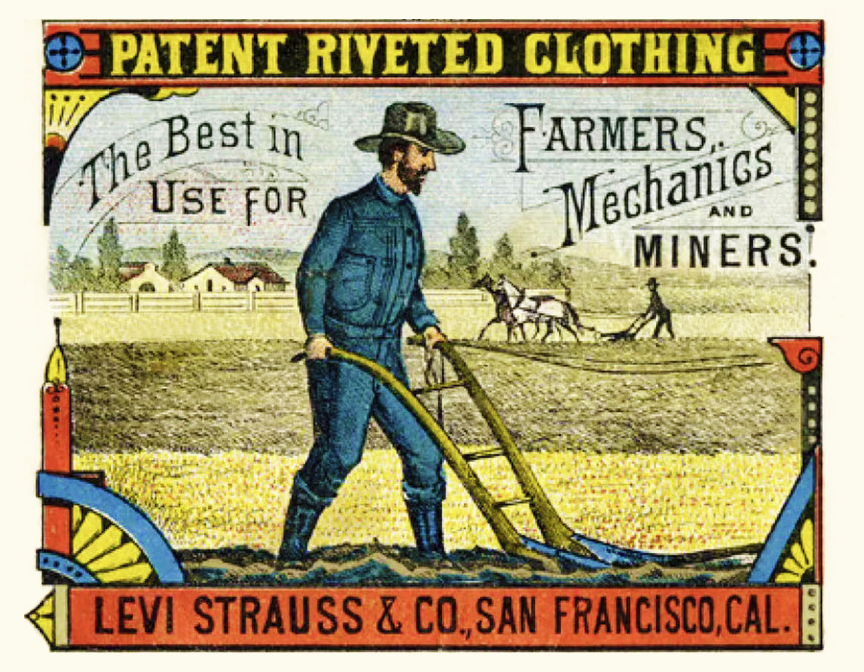
The fustian fabrics imported by Spain and England were partially re-exported on transatlantic routes. In the United States, they were sold by entrepreneur Levi Strauss to tailor Jacob Davis. Davis had the clever idea of reinforcing high-stress areas of the work pants for a woodcutter with copper rivets, which led to widespread popularity among workers during the Gold Rush era.
In pursuit of securing a patent for his innovative design, Davis approached Strauss for financial support. On May 20, 1873, they received U.S. Patent No. 139,121 for “Improvements in Fastening Pocket Openings,” marking the official birth of modern blue jeans. Initially, these pants were referred to as “waist overalls” or simply “overalls,” and the term “jeans” did not come into use until later. Today, we commonly use “jeans” to describe the garment, while “denim” refers specifically to the fabric itself.
Workwear, rebellion, and youth culture
By the end of the 1800s, jeans had become a staple for many U.S. blue-collar workers, such as miners, farmers, and cowboys, ultimately representing the American dream. They were even adopted by key parts of U.S. society that emphasized progress and discipline in the late 19th and early 20th centuries, particularly the railroads and the military.
The impact of World War II was a game-changer for jeans, transforming how they were viewed both in the U.S. and around the world. With men off fighting, women stepped into roles traditionally held by men, adopting their clothing, and denim became a symbol of their empowerment. This transition was famously captured in the image of Rosie the Riveter, who inspired women with her motto, “We Can Do It!” Plus, soldiers in liberated areas often wore denim, mainly off-duty, which helped it gain popularity in Europe and the Pacific, where their clothes were associated with freedom and progress. Finally, military surplus, including denim pieces, entered everyday civilian life when the war ended.
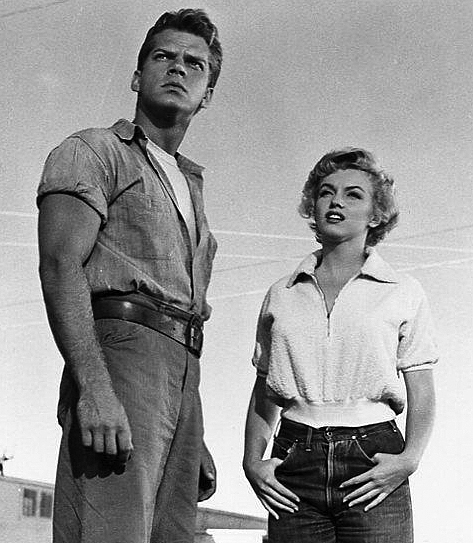
Hollywood significantly influenced this shift too. As early as the 1930s, film stars like Gary Cooper, Ginger Rogers, and Carole Lombard were seen in jeans. A notable moment came in 1939 when John Wayne showcased Levi’s® 501® jeans in “Stagecoach.” However, it wasn’t until the 1950s that jeans became symbolic for younger generations looking to break away from traditional middle-class norms, which still relegated jeans to work attire. Icons like Marlon Brando in “The Wild One” and James Dean in “Rebel Without a Cause” wore jeans, as did music legends like Elvis Presley, Bob Dylan, Jimi Hendrix, Janis Joplin, and The Rolling Stones. Even Marilyn Monroe was seen in jeans on and off set.
By the 1960s, jeans had truly taken off, becoming common sights at significant events like Woodstock in ’69, civil rights marches, and Vietnam War protests. They came to symbolize equality, rebellion against materialism, and a means of self-expression.
Premium denim and stretch innovation
The 1970s and 1980s marked a further significant shift in the denim industry, as innovative designers began to redefine the place of jeans in society. In 1976, Calvin Klein made history by being the first to feature jeans on the runway. However, it was Adriano Goldschmied who earned the title of the godfather of denim for his visionary approach, recognizing that jeans could transform from a basic garment into a powerful symbol of culture, identity, and innovation, particularly as consumers became willing to pay more for high-quality items.
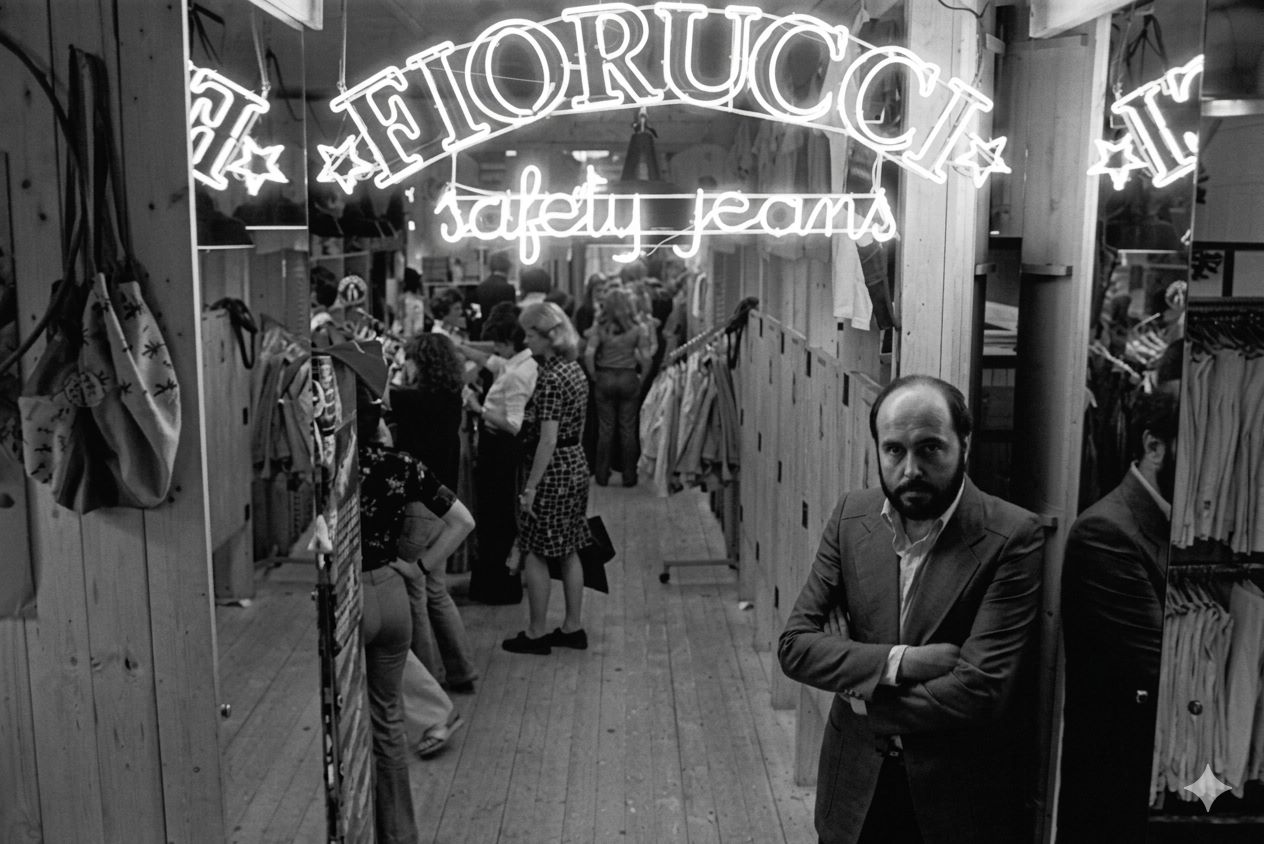
During this period, designers like Elio Fiorucci and Peter Golding were pioneers in introducing stretch jeans. They utilized denim fabrics that combined cotton with elastane, a development that emerged in the 1970s. This new stretch denim allowed for more fitted styles for women while maintaining comfort. In 1978, Golding launched stretch jeans in his Chelsea, London store, which became a popular destination for fashion icons like Twiggy and David Bowie. Fiorucci, on the other hand, was inspired by the sight of women on the beaches of Ibiza, emerging from the sea in wet flare jeans that hugged their bodies. Collaborating with designer Mario Morelli, Fiorucci reimagined the cut and utilized stretch denim to create a new fit that quickly became a fashion staple for women in the 1980s.
As consumer preferences shifted toward new designers rather than traditional denim labels, brands like Jordache and Marithé + François Girbaud capitalized on this trend. They introduced designer jeans, prominently displaying their names on patches as a mark of distinction and investing heavily in marketing. Consequently, these designer jeans emerged as a status symbol throughout the 1980s.
Sustainability enters the denim story
Sustainability has become a significant topic in the denim and textile industries, given their considerable effects on the environment and communities. The European Union’s Strategy for Sustainable and Circular Textiles notes that textile consumption is the fourth-largest contributor to environmental and climate impacts, after food, housing, and mobility. It is also the third-largest area for water and land consumption, and the fifth-largest for primary raw material use and greenhouse gas emissions. Additionally, the European Parliament notes that global textile production is responsible for around 20% of clean water pollution.
Interestingly, it’s estimated that 80% of a product’s environmental impact is determined during the design phase. This insight highlights why modern sustainable jeans should embody the most classic trait of fustian and traditional denim workwear: durability. It’s essential that clothing is made to last to mitigate the industry’s environmental impact and reduce demand for new apparel.
At the same time, innovative technologies are now emerging in the sector to support more responsible production. These advancements focus on using recycled and biodegradable materials and low-energy, low-water, and low-chemical manufacturing processes. This blend of traditional craftsmanship with sustainable innovation showcases how the denim industry is evolving while respecting its roots.

Why the future of jeans depends on materials and traceability
The need for a more sustainable textile industry is growing, driven by a mix of consumer awareness, pressing environmental concerns, the undeniable evidence of our excess apparel production and waste, and evolving regulations. In response, the European Union is taking significant steps, including:
- Establishing design standards that promote longevity, ease of repair, and recyclability for textiles.
- Launching a Digital Product Passport that provides detailed information about the origin, material composition, environmental impact, and repair options for textiles.
- Tackling the issue of microplastics released unintentionally from synthetic textiles.
- Implementing mandatory Extended Producer Responsibility regulations for the textile sector.
- Restricting the export of textile waste.
- Encouraging circular business models that focus on reuse and repair.
In the jeans industry, material choice is crucial due to its heavy reliance on water, chemicals, and primarily cotton. This means that the production of jeans should begin with preferred agricultural practices that support environmental health, soil quality, and biodiversity. It should also involve technologies that minimize water usage, eliminate harmful chemicals, and use eco-friendly materials.
By enhancing the sustainability of their denim production processes, manufacturers can also improve product traceability. Traceability is key to maintaining transparency about sourcing practices and labor standards while also reducing the risk of greenwashing. Knowing the exact materials, dyes, and synthetic blends in jeans is essential for effective recycling, promoting circular business models, and allowing consumers to make informed choices about what they wear.