
 Log into your account
 Register

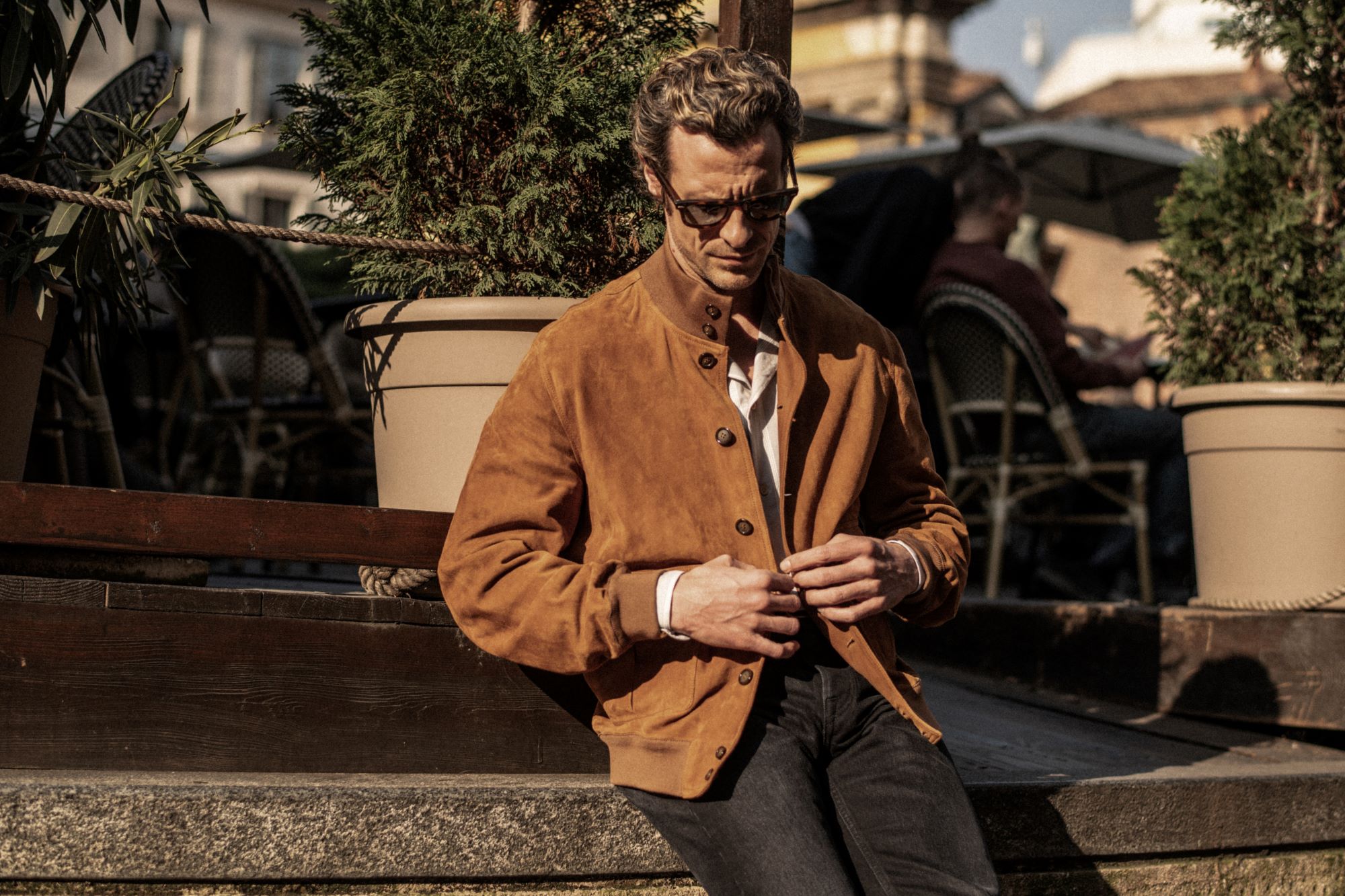


The fashion industry is undergoing a significant transformation, with innovation and sustainability taking the lead over creative design. This shift is particularly evident in denim, where there’s a strong sense of nostalgia as classic jeans features make a comeback. However, the pressing challenges of climate change, technological advancements, and changing consumer demands are prompting the industry to reconsider its purpose and impact. Let’s explore how this evolution is unfolding.
New denim fabrics
Currently, there are two contrasting trends in denim fabrics that are likely to persist in the next seasons. On the one hand, we see a strong interest in denim heritage, with a revival of selvedge denim, rigid materials, and dark indigo shades. On the other side, global warming is creating challenges for the denim industry, as traditional denim fabrics could feel heavy and uncomfortable against the skin in rising temperatures.
As climate conditions evolve, there’s an increasing demand for lightweight denim fabrics, which can be made from cotton or blends like cotton and linen. These cotton-linen blends are usually more breathable than 100% cotton denim and offer a more comfortable fit, as they are softer from the very first day and can feel smoother around the waist and legs. Blends of cotton and wool are expected to be popular denim trends in winter 2026.
Denim is generally considered heavyweight when it weighs more than 16 ounces. Denim weight is measured in ounces per square yard and depends on the thickness and tightness of the yarns, which in turn are influenced by the weight of the fibers. Interestingly, the weight standard was originally established by Levi’s®, which chose 14 ounces as its ideal weight for jeans. This made them durable enough for tough jobs while still comfortable enough for all-day wear. Nowadays, jeans have evolved beyond workwear, and the most common weight is around 12 or 13 ounces, with lightweight denim typically under 12 ounces.
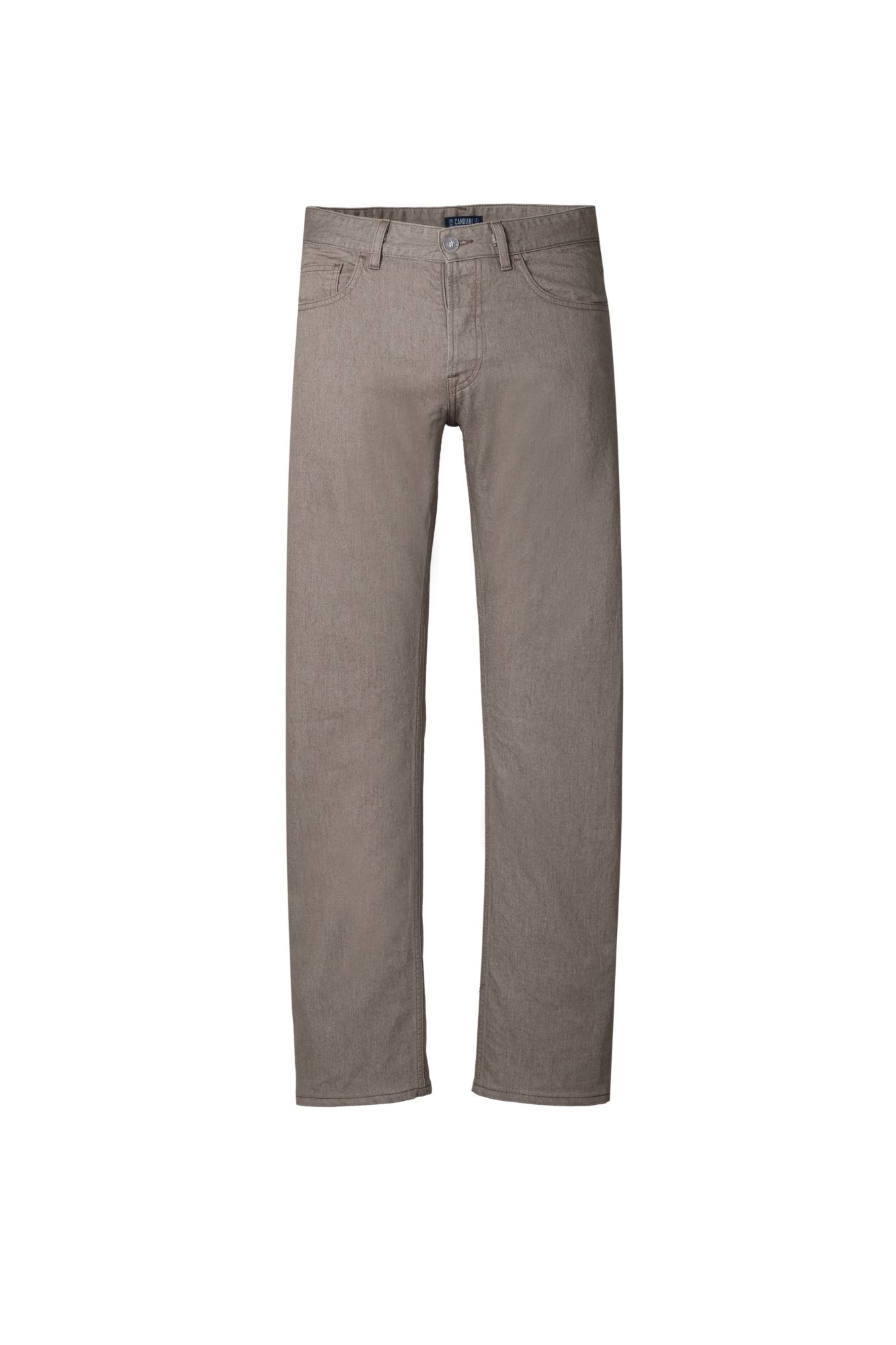
Plus, as the warmer months approach, fashion often shifts away from traditional dark denim. In response, we are seeing a rise not only in classic light-washed indigo jeans but also in soft pastel colors, warm khaki tones, fresher green hues, and ecru, the natural color of cotton.
Sustainable innovation
Denim trends today go beyond looks and designs; they now encompass the industry’s environmental impact. While many sustainable innovations focus on improving manufacturing processes to reduce water and chemical usage, some changes are more visible to consumers, particularly in how the final products look.
One significant area of innovation is in garment finishing techniques, which give jeans their desired aesthetic after they’ve been cut and sewn. This process, along with dyeing, is traditionally heavy on water and chemicals. Recently, technologies like laser and ozone treatments have gained popularity. These methods can effectively create a worn-in, aged look while minimizing water and harmful chemical use, thereby reducing potential environmental impacts and enhancing worker safety by reducing their exposure to hazardous substances.
Consumer interest in sustainable fiber options has also surged. People are now aware of the consequences of conventional agriculture and seek materials with a lower environmental and social impact than conventional cotton. Examples include regenerative and organic fibers. Plus, some advancements have been made in stretch fibers derived from leftovers, as well as in biodegradable and compostable options. Finally, textile recycling has become a hot topic. However, it’s worth noting that only around 1% of discarded textiles are currently recycled into new fibers, according to the European Environment Agency. Additionally, Textile Exchange reports that only about 1% of cotton fibers produced in 2024 were recycled.
Changing jeans fits
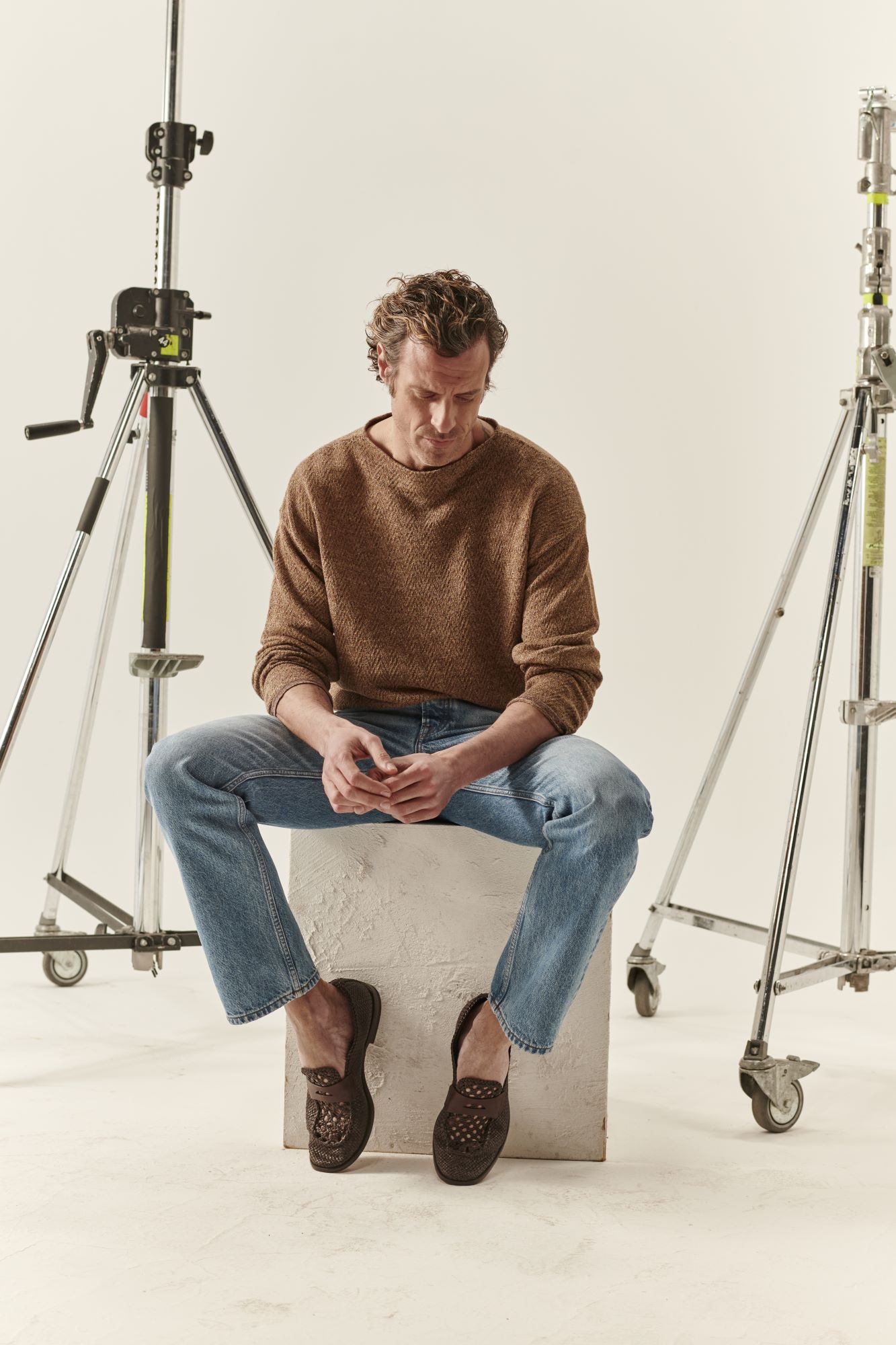
Jeans fashion trends have seen a fascinating evolution over the years. It all began with the classic 5-pocket regular fit that served the working class, and since then, we’ve journeyed through various styles. The 1960s brought us cigarette jeans; the 1970s introduced flares; the 1980s gave rise to mom jeans; the 1990s favored bootcuts; and then skinny jeans took over in the 2000s. Today, it’s exciting to note that there isn’t just one denim trend dominating the scene; rather, there’s a diverse range that caters to different tastes, blending nostalgia with fresh ideas.
For Gen Z, comfort remains a priority, leading to a preference for baggy and wide-leg jeans. However, we’re also seeing a revival of early-2000s denim industry trends, like skinny jeans and low-rise cuts, but with modern updates. In the past, low-rise jeans were predominantly skinny, but now we’re likely to see similar cuts applied to a variety of silhouettes, such as bootcut and slouchy jeans. The new form-fitting styles may not be as tight as traditional skinny jeans but will fall somewhere between skinny and slim fits and usually have a higher waist than their Y2K cousins.
Double denim is another trend that has been making a cyclical comeback in the denim scene recently. You can create a sleek look with tone-on-tone dark shades, or for a more relaxed vibe, pair light-washed denim for a Western-inspired look. Mixing different hues and washes allows for more creative styling options.
Finally, timeless fits are a go-to choice for anyone looking to maintain a classic style. Although official statistics are lacking, various market research suggests that in 2025, regular-fit jeans held a significant market share, estimated between 22% and 24%. This versatile and comfortable style can easily accommodate different body types and be dressed up or down, making it suitable for a variety of occasions.
Future fashion trends
The fashion landscape is currently undergoing significant changes, driven by both technological advancements and shifting consumer preferences. We have already seen that, unlike in the past, where a single dominant trend defined the industry, we now see a blend of styles coexisting. On one hand, there’s minimalism, which emphasizes quality over quantity and focuses on creating fewer, durable pieces. On the other hand, maximalism thrives with its bold colors, intricate patterns, and layered looks.
Amidst this mix, creativity seems to be wrestling with a bit of a crisis. With so many designs already explored and nostalgia often taking the spotlight, there’s yet vast potential for the industry to rethink its purpose, starting with the sustainable practices mentioned above. They are becoming essential rather than optional, moving beyond niche markets and appealing to a broader audience. The materials are evolving as well, providing more responsible alternatives that align with modern values.
New technologies, especially those powered by AI, are expected to drive transformative changes in fashion. These tools can enhance efficiency, inspire new creative directions, minimize errors, predict trends, optimize supply chains, assist with prototyping, develop pricing strategies, and manage inventories more effectively. Personalization is set to play a crucial role in the near future, thanks to AI tools that enable consumers to find their perfect fit and co-create items by selecting aspects like fabrics, colors, and hardware.