 Log into your account
 Register



When denim was primarily just workwear, its aesthetic took a back seat. The focus was on durability to handle tough jobs, and dark colors kept the look professional. Fast forward to today, and the game has completely shifted! Brands and designers now grapple with the challenge of merging the classic denim traits with modern consumers’ desire for comfy, stylish jeans. So, this brings us to a straightforward yet essential question: how to get a good wash on jeans? Let’s dive into our denim wash guide!
What a denim wash really is
When you think of jeans, the classic indigo color probably comes to mind. However, if you glance at the current blue denim available, you might notice that it’s not quite that deep blue anymore.
Jeans used to be made from raw denim, which meant the fabric was taken almost directly from the loom to the store. The nature of indigo dye doesn’t allow it to fully penetrate cotton fibers, so some of the dye remains on the surface. This leads to fading over time, creating unique patterns based on how the jeans are worn. Common features include fading around the front pockets (known as whiskers) and honeycomb effects behind the knees that appear when you bend your knees.
This natural wear-and-fade process takes time and is easiest to achieve when people own just a few pairs of jeans and wear them frequently. So, it was common when jeans were originally durable workwear, designed to withstand tough daily use. However, as jeans transitioned into leisurewear, brands recognized that many consumers preferred the look of faded denim but were no longer accustomed to, or open to, letting it develop naturally. They also acknowledged that traditional raw denim could feel stiff and uncomfortable, requiring time to soften and conform to the body.
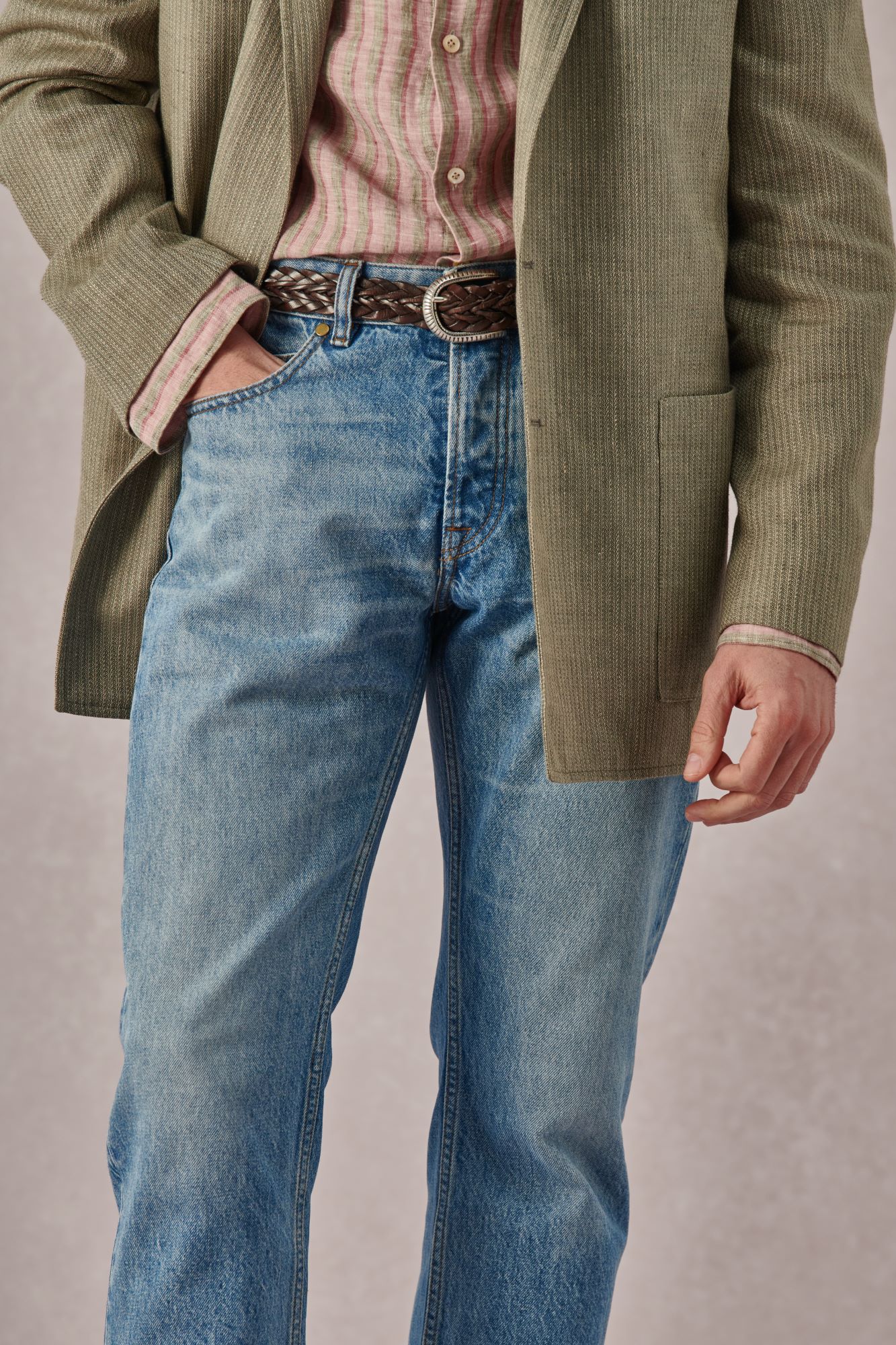
Consequently, various methods were created to modify jeans for this new purpose. These methods often involve different types of jeans washes that strip away the top layer of indigo, resulting in a lighter, softer fabric from day one. As trends evolved, new treatments were introduced to meet changing consumer preferences, and modern technologies have now been adopted in the finishing process to achieve the desired appearance while also addressing the industry’s environmental impact.
Rinse wash: clean and minimal
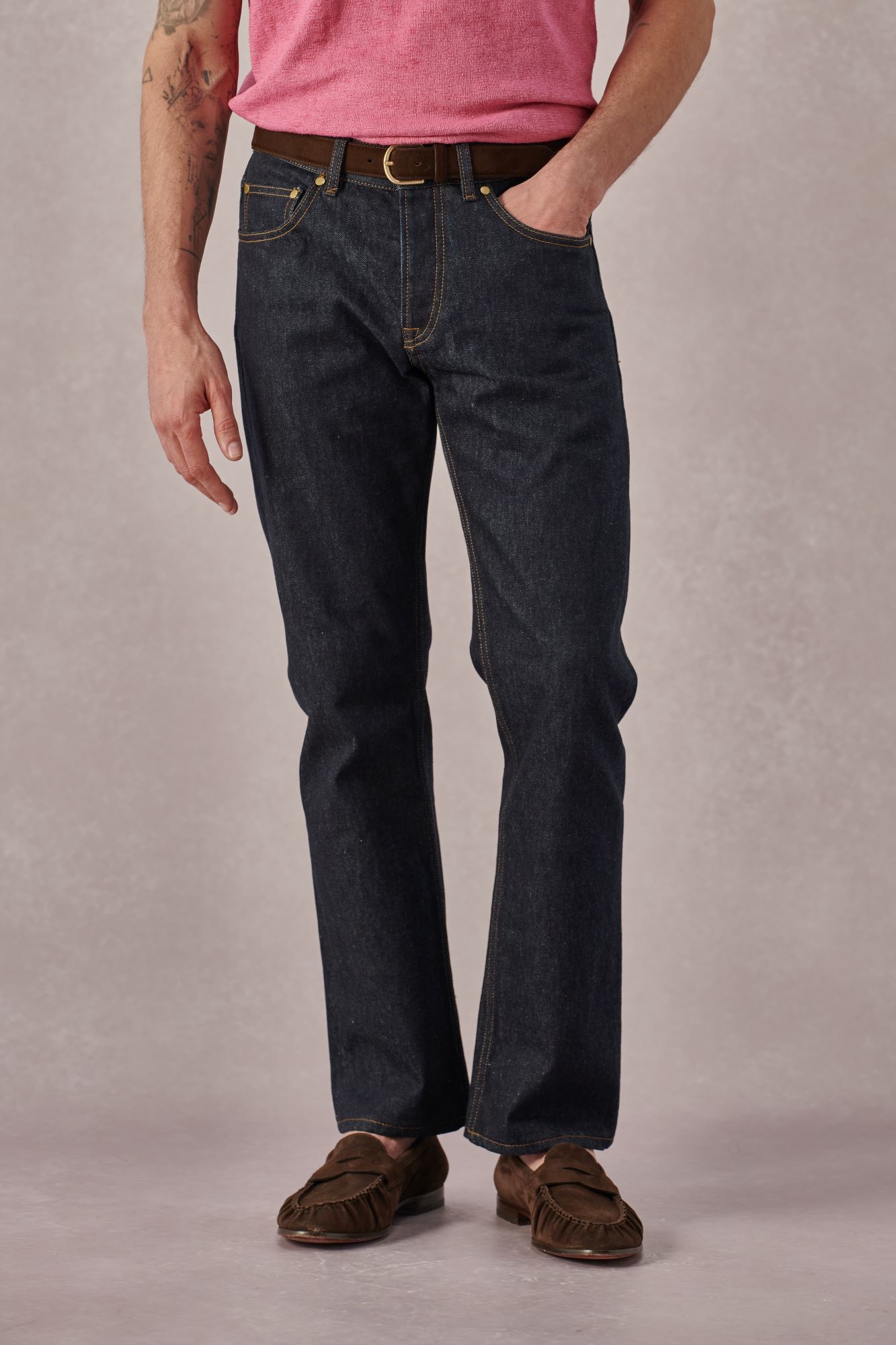
Rinse denim is a great option for those seeking comfortable jeans that still maintain an authentic look. The treatment, which uses water and softeners, gently removes excess starch that can cause jeans to feel stiff. This results in a softer texture, providing a more comfortable wearing experience right from the very beginning. Additionally, rinse denim keeps a deep, dark color that resembles raw denim, as it isn’t subjected to harsh fading. Still, it bleeds significantly less blue during initial wears and washes at home.
For those who appreciate how jeans develop their unique character and fading over time but find raw denim too rough against the skin, rinse denim strikes the perfect balance. Plus, raw denim requires the most careful attention when washed at home, as it can shrink and lose some indigo during the first domestic washes. While rinse denim still needs gentle care, the initial industrial wash alleviates many of these concerns. That’s why it’s always a good idea to follow our guidelines for washing denim at home to keep it in great shape.
Stone and enzyme washes
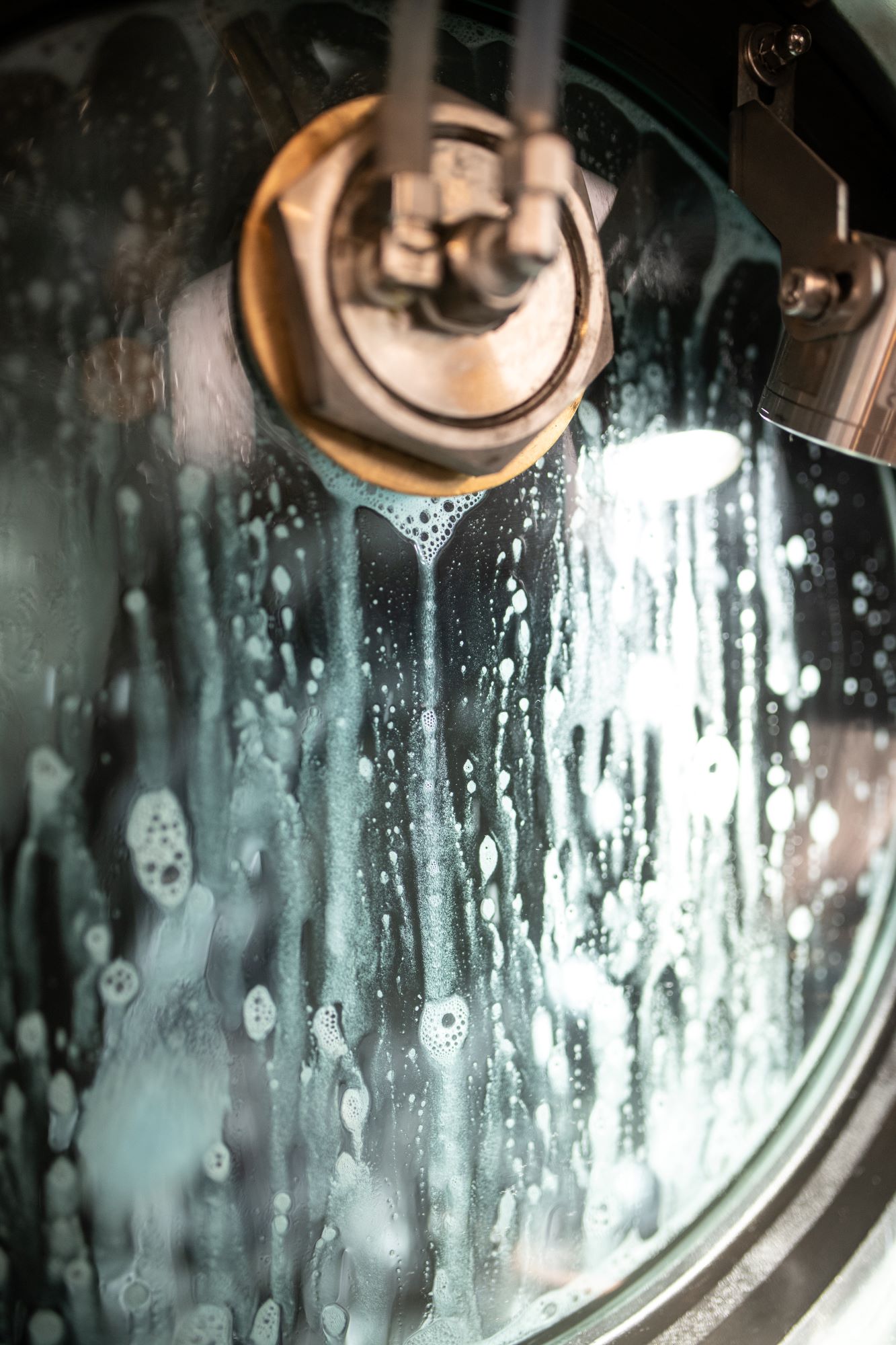
Stone washing is a widely used technique in the denim industry. It involves placing pumice stones in the washing machine alongside jeans, which helps to abrade the fabric and remove some layers of indigo dye. This process creates a worn-in, vintage look that simulates the natural aging of denim and also softens the fabric.
Although stone-washed jeans gained immense popularity in the 1980s, the technique probably has roots dating back a few decades. Many individuals and companies have claimed to have invented the process. Still, it’s generally accepted that Marithé + François Girbaud played a significant role in industrializing it. Notably, the Rifle Jeans Company patented the method in Italy in 1986, combining pumice with chlorine for an acid-washed effect that defined the era.
As an alternative to stone washing, enzyme-washed denim has emerged, employing a similar process. In this case, cellulase enzymes are used to fade and soften the fabric during the washing phase. This technique was introduced in Europe in 1989 in response to growing environmental concerns about stone washing and stricter regulations on environmental practices.
The environmental effects of stone washing extend far beyond just mining, water usage, and carbon emissions. For instance, traditional pumice stones break down quickly, resulting in a muddy waste that is considered hazardous and needs careful, costly disposal. Moreover, the dust left behind in washing machines could pose health risks to workers.
Vintage effects and abrasion
Over the years, there has been a growing interest in vintage fashion, particularly in recreating those well-worn looks with noticeable abrasions, excessive fading, and even ripped sections. Traditionally, achieving this aesthetic involved manual techniques that required both physical and chemical abrasion of dyed denim, a process that was incredibly time-consuming and labor-intensive. Not only did these methods require significant effort, but they also involved harmful chemicals, raising significant concerns about worker health and the broader environment.
Among the hazardous dry processing techniques commonly used are sandblasting and potassium permanganate treatments. Sandblasting entails using high-speed air mixed with very fine sand particles to wear down the fabric. On the other hand, potassium permanganate is typically sprayed onto the fabric to bleach certain areas, creating the whiskers that mimic the fades of regular wear.
Laser finishing and lower-impact alternatives
In the previous paragraphs, we already discussed how traditional textile processing techniques can be hazardous to both human health and the environment, particularly when proper safety measures are lacking. Harmful chemicals may come into contact with workers or could be released into wastewater and the surrounding environment. To address these concerns, safer and more eco-friendly technologies have emerged.
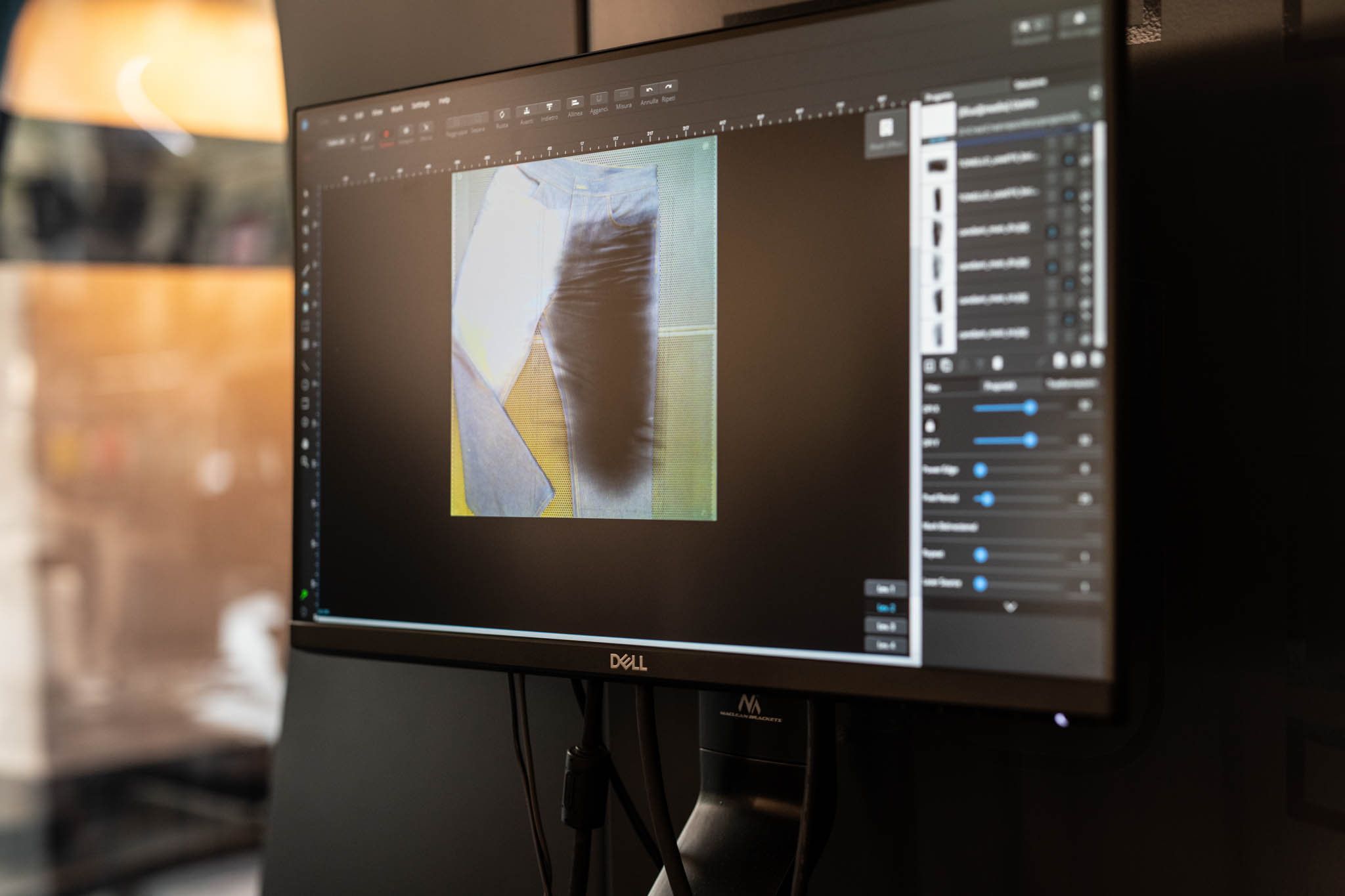
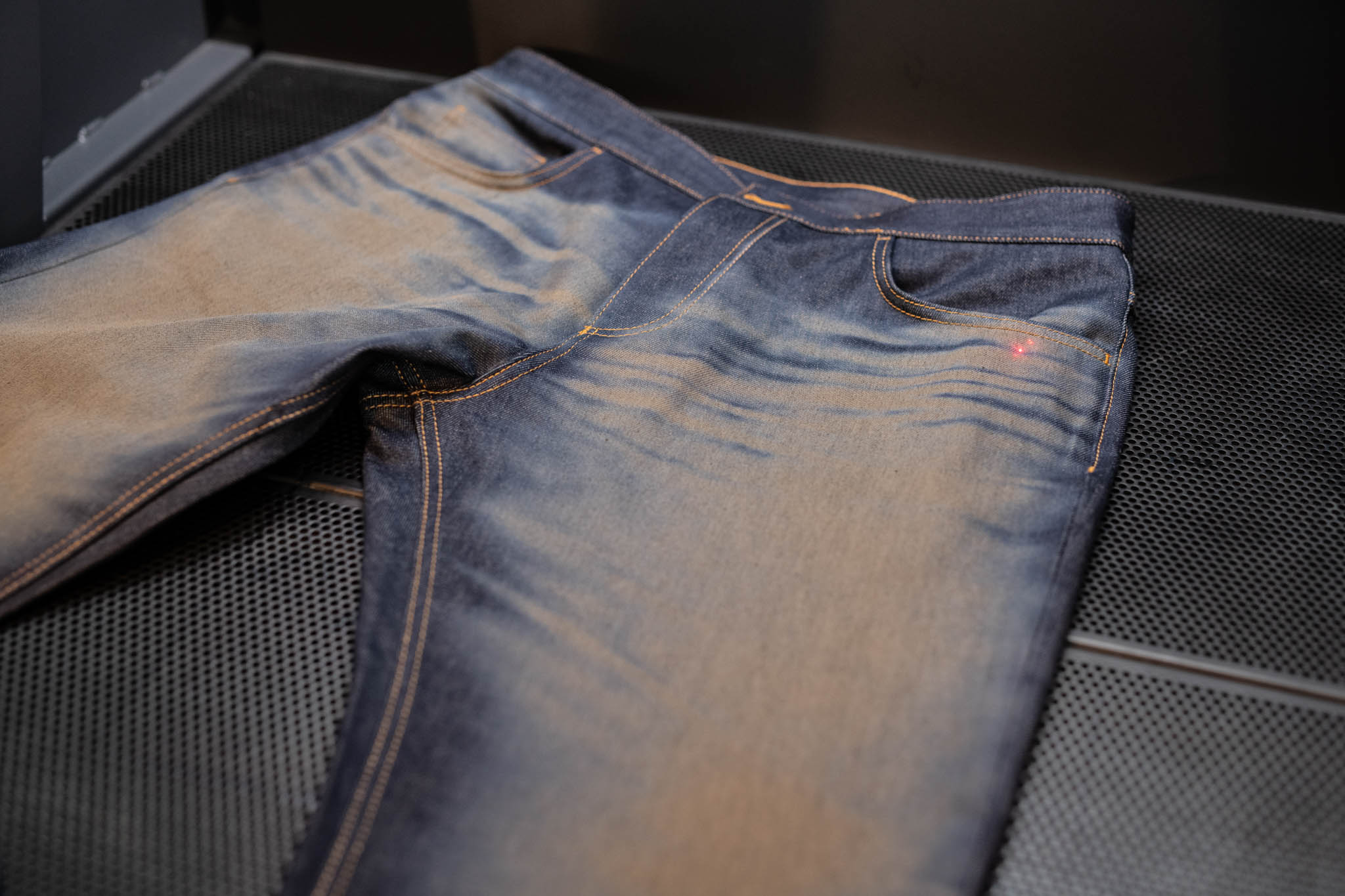
One method we already explored is enzyme washing. Another significant innovation in garment finishing is laser treatment. This technique effectively replicates the natural aging and wear of denim while reducing the need for manual scratching. Laser treatment allows for precise fading in designated areas and facilitates the creation of high-definition designs with intricate details. Additionally, lasers can precisely control flame intensity to gently vaporize the top layers of indigo, offering flexibility in finishing. This method can work as a standalone process or in combination with traditional washing, depending on the desired effect.
Ozone technology is also gaining popularity for fading denim. It uses ozone gas instead of water-based harmful chemicals, reducing water and chemical consumption and wastewater pollution.
How washing affects fabric hand feel and durability
Garment finishing treatments play a significant role in how fabrics feel and can impact their durability if not executed correctly. Washing fabrics, especially denim, typically makes them more flexible right from the start, as softeners are also used to enhance initial comfort.
However, abrasive treatments like stone washing can potentially shorten the lifespan of jeans if not managed carefully. These processes can scratch the fabric’s surface, weakening the cotton fibers and making the denim more prone to tearing over time. Similarly, aggressive dry finishing treatments that scrape or burn denim can reduce yarn density and leave some areas of the fabric thinner and more pliable, increasing the risk of tearing in heavily distressed areas.
It’s important to remember that since denim entered mainstream fashion, there have been significant advances in textile innovation. This progress enables the creation of premium jeans that not only look great but also perform well, offering durability alongside style. High-quality materials and technological advancements help strike a balance between the benefits and drawbacks of finishing treatments. Additionally, as denim is no longer just workwear, we can appreciate the flexibility and comfort of washed denim without worrying too much about it tearing during daily activities.