
 Log into your account
 Register

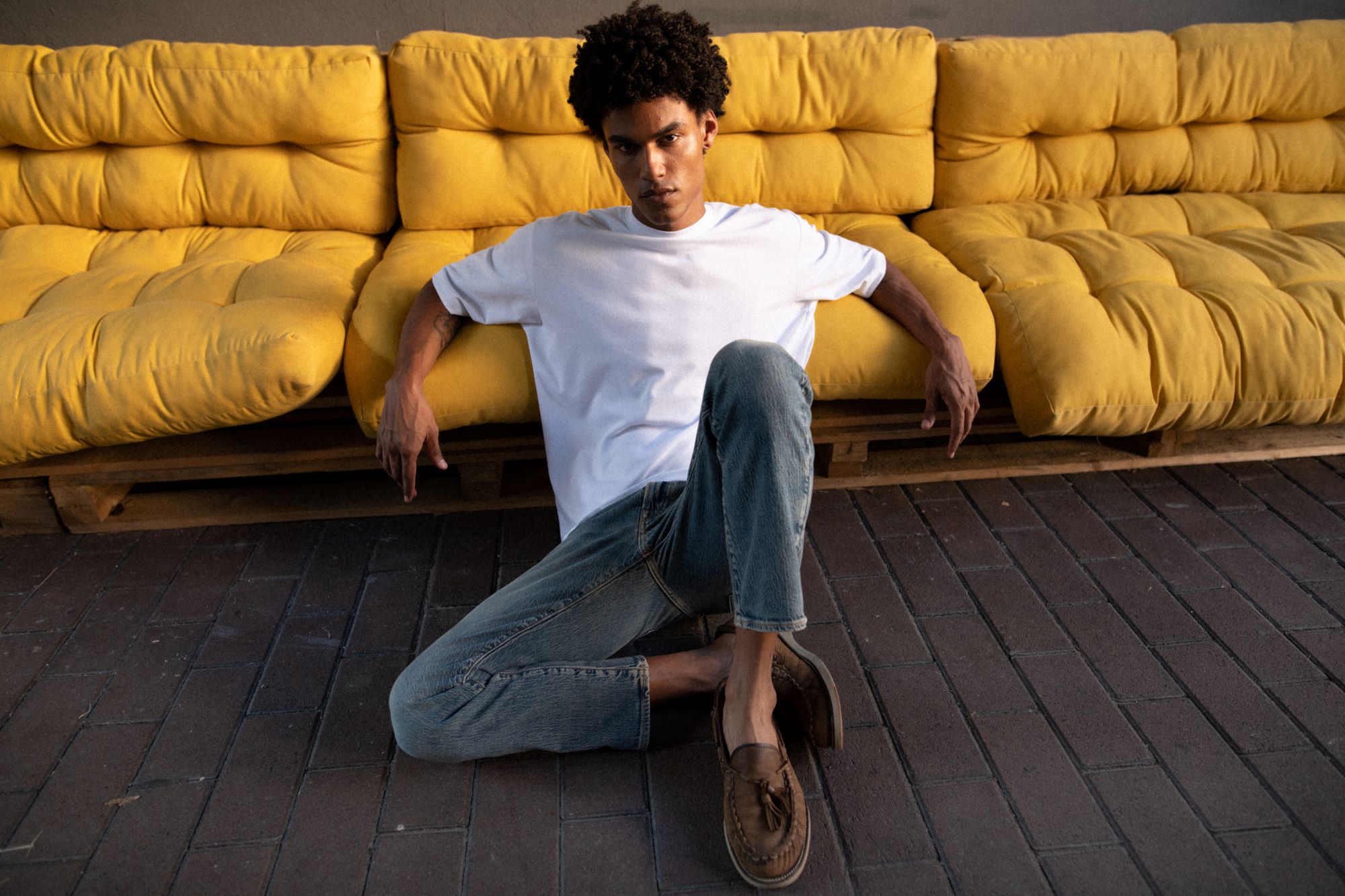


Straight fit jeans or slim-fit jeans: that is the question. But do you really have to choose? While we often gravitate towards styles we know well, denim is an excellent fabric for experimentation. It allows you to play with different fits, washes, colors, fiber blends, and weights. Let’s take a closer look at what you need to know about these two popular styles.
What straight-fit jeans mean
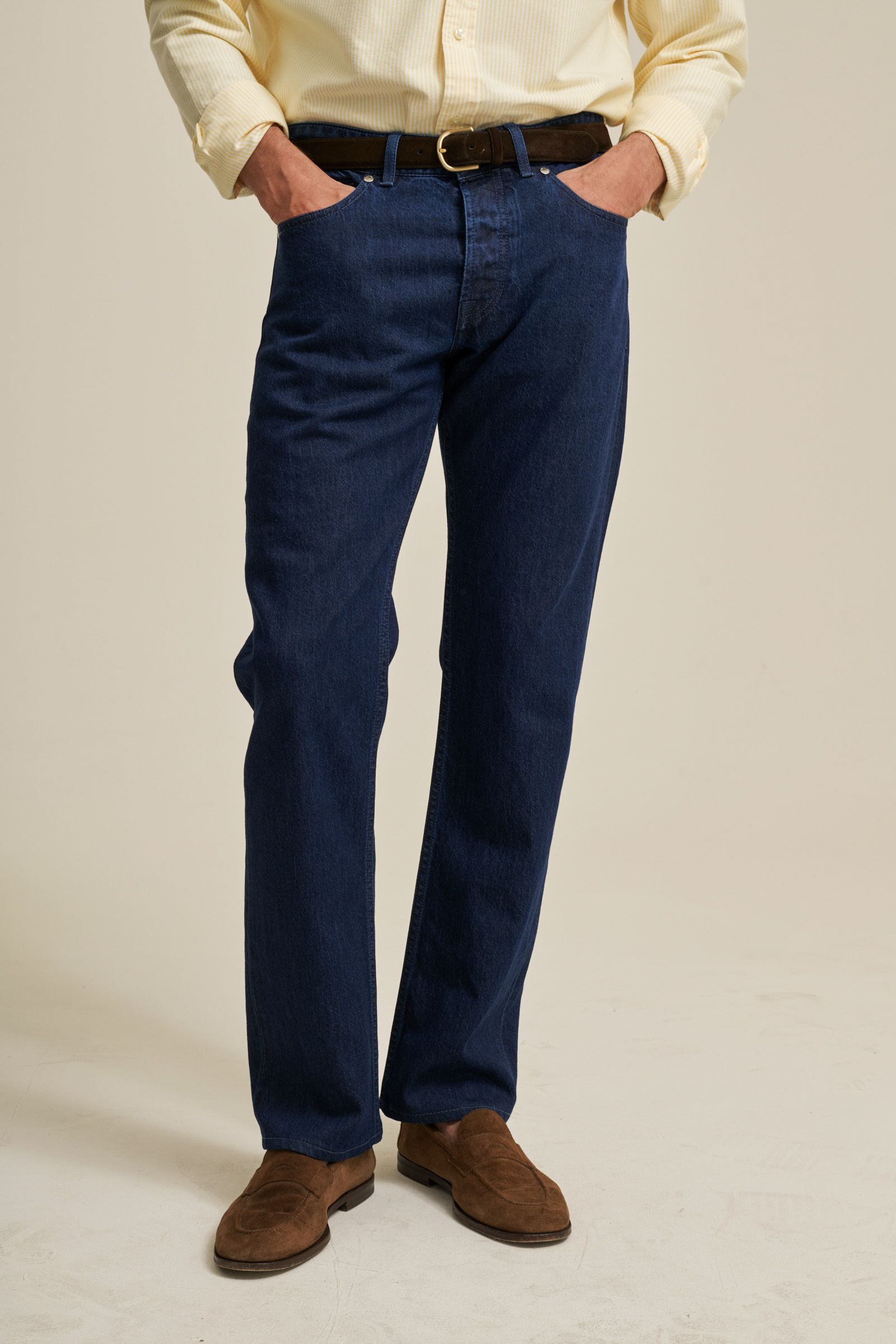
Straight-fit jeans are a classic staple that have stood the test of time since their inception in 1873. This style directly descends from the original blue jeans created by Jacob Davis and Levi Strauss, designed for hardworking individuals like miners and cowboys during the Gold Rush era.
Straight-fit and regular-fit jeans are generally the same. However, some brands and designers design the latter to have a subtle taper toward the ankle. Interestingly, recent market research shows that regular-fit jeans still made up about 22% to 24% of the denim market in 2025.
What makes straight-fit jeans so appealing is their consistent width from hip to ankle, which provides both comfort and ease of movement while also creating a clean, polished look. They are incredibly versatile, flattering a wide range of body types, and working well with various styling options. Additionally, you can find them in both rigid and stretch denim materials, catering to different personal preferences. Whether dressing up or down, straight-fit jeans are a reliable choice that can adapt to any wardrobe.
What slim-fit jeans mean
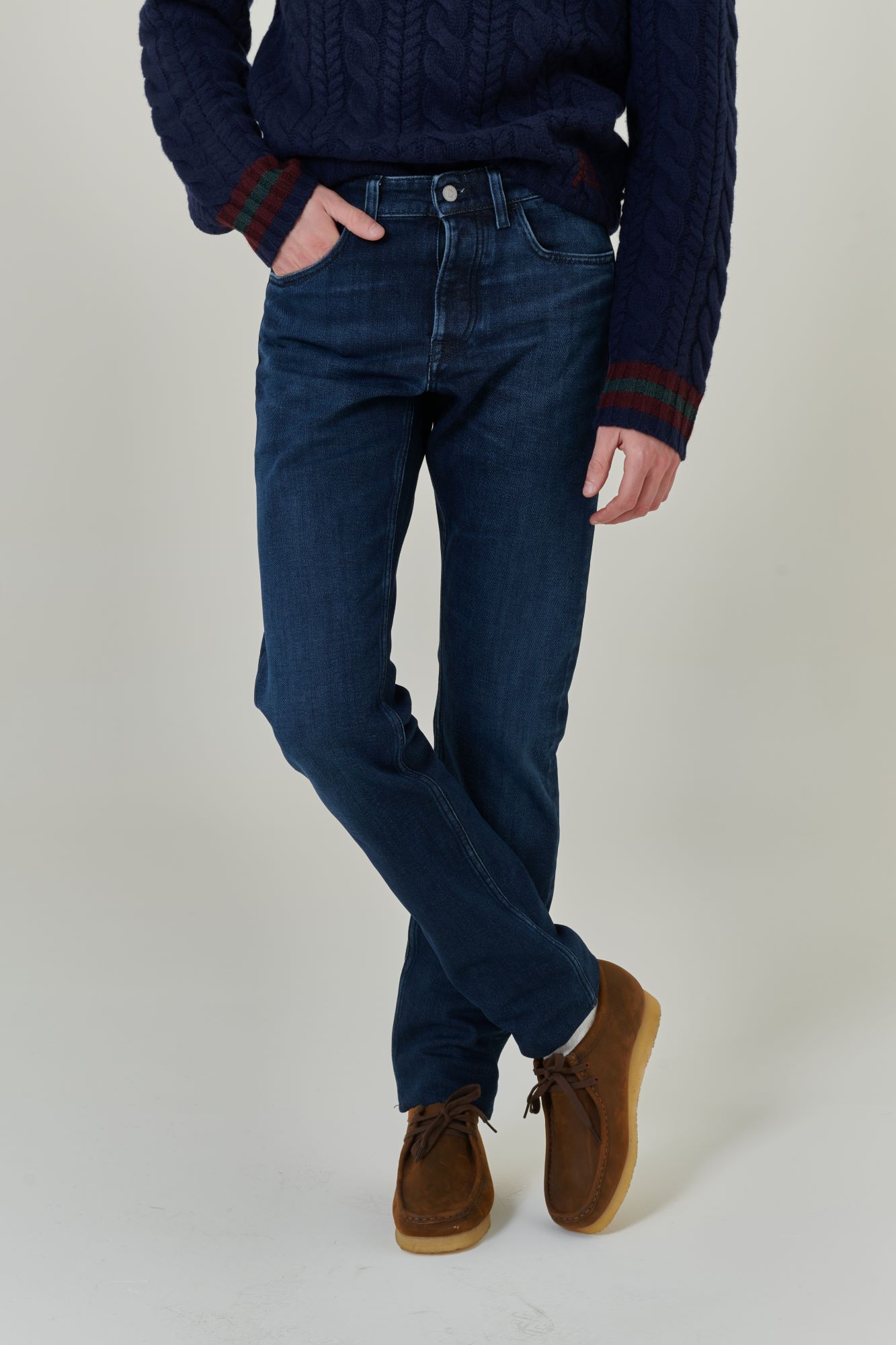
Slim-fit jeans are a great option if you’re looking for a style that comfortably hugs the body without being overly tight. They feature a narrower cut through the thighs and calves, striking a nice balance between skinny and straight-fit styles. It smoothly follows the natural shape of your body, tapering gently from the knee to the ankle. While they work best for a lean build, their versatile design makes them suitable for a variety of body shapes, especially when styled with a high waist, which helps enhance your figure for a flattering look.
Most slim-fit jeans are crafted from comfort-stretch denim. This material can stretch up to 20% beyond its original size and bounce back, helping keep your jeans from sagging at the knees and other stress areas. Plus, comfort-stretch denim ensures softness and easy movement. However, it’s crucial to invest in high-quality jeans, as not all stretch fabrics are created equal. Conventional elastic fibers tend to be less durable than cotton and may wear out more quickly, causing your jeans to lose their shape over time if not cared for properly.
Shape and silhouette comparison
When it comes to jeans, understanding the differences in fit can make a big impact on how you look and feel. Straight-fit jeans have a consistent width from the hips to the ankles, creating a classic silhouette. On the other hand, slim-fit jeans are a bit more form-fitting; they hug your body nicely without being as tight as skinny jeans, and they taper down towards the ankles.
Many people opt for slim-fit jeans because they can really flatter your figure. But if you’re aiming for a specific look, there are a few more factors to consider. One key element is the rise of jeans, which affects where they sit on your waist. High-waisted jeans are great for creating an elongated look, while mid-rise options can accentuate your waist. If you’re going for a low-waisted style, keep in mind that it tends to draw attention to the hips.
Color is another important factor. Darker jeans can help elongate your figure and often give off a more sophisticated vibe, while lighter washes can make your hips look wider and feel more casual.
Comfort and mobility differences
When it comes to choosing comfortable denim, there’s a lot more to think about than just how they fit. In general, styles with a wider leg and a slouchy fit tend to be more comfortable than their slimmer counterparts. Still, the latter are often made from stretch denim, which offers a nice blend of softness, flexibility, and comfort right from the start. However, it’s worth noting that rigid denim made from natural fibers without synthetic materials can offer better breathability. This is because the elastane in stretch denim might trap heat, reducing airflow.
Denim weight is another important comfort factor. While there isn’t a strict classification for denim weight, Levi’s® had set the standard at 14 ounces for its workwear, balancing durability with ease of movement. Today, denim typically weighs around 12 to 13 ounces, reflecting changes in its use. If you’re looking for lightweight denim, it typically weighs under 12 ounces, while heavyweight denim weighs over 16 ounces. Generally, lighter denim feels softer and more breathable, whereas heavier denim can sometimes feel stiff and restrictive.
The type of wash also influences how comfortable a pair of jeans feels. Raw denim is untreated and gives off a vintage vibe, but tends to be stiffer and rougher. In contrast, washed denim is processed to create a softer feel and a more broken-in look, making it comfortable from the get-go. While raw denim will eventually mold to your body and become more comfortable over time, it does require a bit of a breaking-in period that some may find daunting.
Why fabric stretch changes the fit
Cotton has a bit of natural stretch, but it often falls short of achieving sleek silhouettes. This is pretty much why stretch jeans became a game-changer when they hit the scene in the late ‘70s—especially for women who were on the lookout for jeans that hugged the body while still being comfy.
The trick is that cotton is blended with elastane (also known as Lycra or spandex), a synthetic fiber famous for its stretchiness. This lightweight material finds its way into all kinds of clothing, from swimwear to denim, allowing for snug fits without sacrificing comfort. In fact, it can stretch up to five times its original length and bounce back without losing any of its elasticity.
Stretch denim not only helps create flattering designs that enhance your shape, but also offers other perks. You can find everything from skinny to wide-leg options, enjoy softness right from the first wear, and rest assured that the fit will hold up over time.
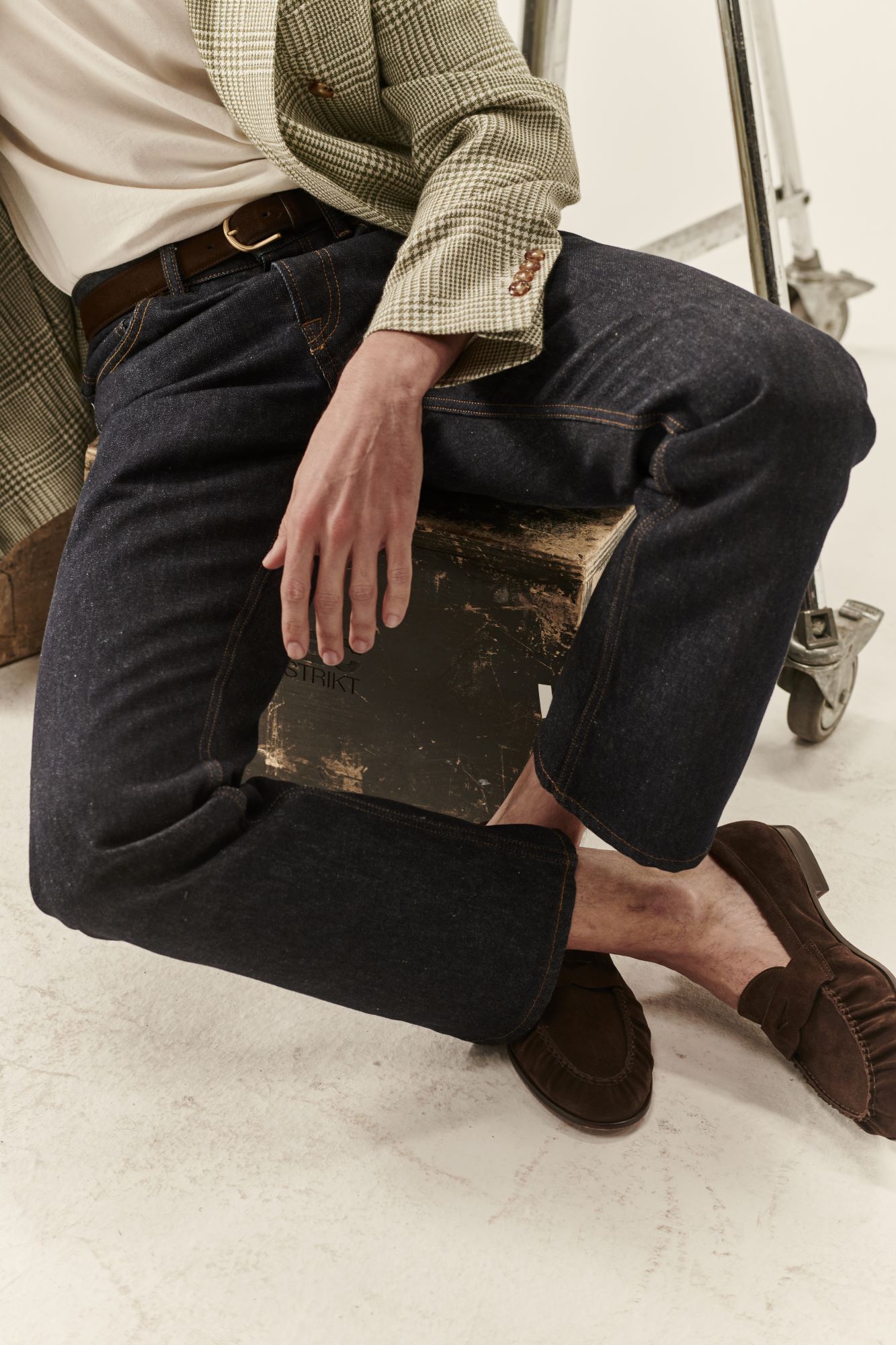
Before stretch denim came to our wardrobes, denim was only rigid. While “rigid” might sound like a downside, it just means those fabrics don’t contain any elastic fibers. Typically made from 100% cotton, these jeans can now also be made from blends of materials like linen, wool, or even hemp for added benefits.
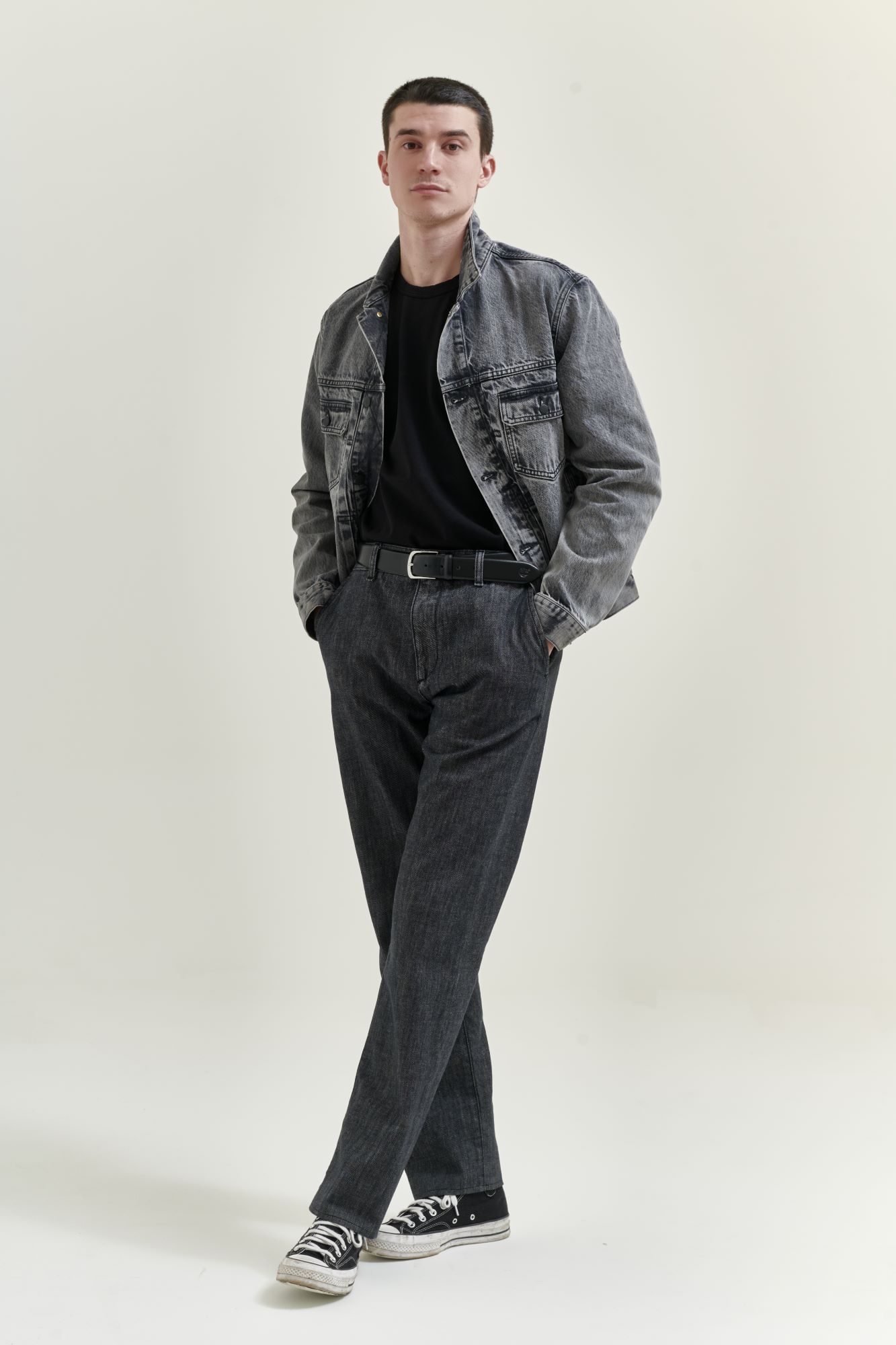
Which fit works best for different wardrobes
When it comes to choosing between straight-fit and slim-fit jeans, there’s no one-size-fits-all answer. The right style really depends on what makes you feel comfortable and aligns with your personal style.
Straight-fit jeans are a classic choice that offers versatility. They strike a nice balance—being neither too loose nor too tight. This makes them perfect for a relaxed look, but they can also be dressed up for more formal occasions. Darker shades tend to lend a more polished vibe, whereas lighter washes have a casual feel. The great thing about straight-fit jeans is that they can be paired with a range of tops and accessories. Whether you opt for boots, sneakers, or loafers, you have plenty of options to complete your outfit.
On the other hand, slim-fit jeans offer a more tailored look. The trend has shifted from the overly fitted styles of the early 2000s to more contemporary interpretations. Nowadays, these jeans can be styled with oversized tops or layered pieces to create a well-rounded outfit. They can transition from day to night easily, whether you’re wearing heels for a dressier look or keeping it casual with sneakers. For a chic touch, pair them with ankle boots or loafers, depending on the season, or tuck them into stylish riding or moto boots for a modern edge.
Find out more in our jeans fit guide.