 Log into your account
 Register



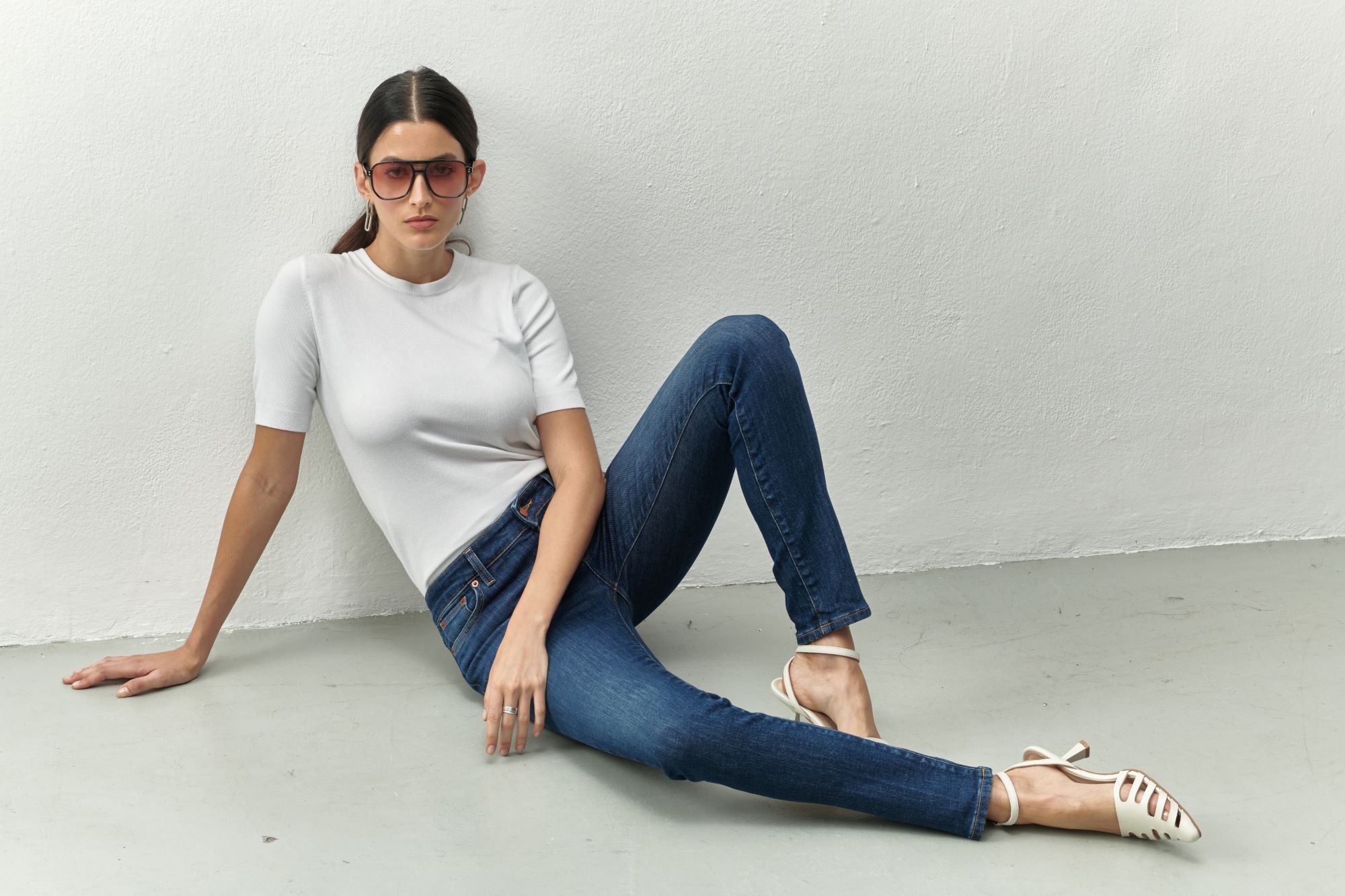
Skinny pants have been around for nearly 2,000 years! Can you believe it? While we often associate them with the Y2K styles that people either love or hate (there’s really no in-between), the 18th-century French aristocracy was crazy about form-fitting pants. Additionally, the punk rock rebellion of the 1970s brought them into the spotlight. Let’s explore the cultural and social factors that have influenced this enduring fashion trend, tracing its evolution, impact across generations, and relevance in contemporary fashion.
The rise of skinny jeans
Skinny pants have a rich history spanning centuries. Northern German tribes wore tight trousers in the 4th century, and 18th-century aristocrats donned high-waisted breeches. The modern rise of tight jeans began in the 1950s with cigarette jeans favored by icons like James Dean and Elvis Presley, symbolizing rock ‘n’ roll and countercultures. The Beatnik movement also embraced slimmer pants, with actresses like Audrey Hepburn and Brigitte Bardot further popularizing high-waisted styles.
In the 1960s, the UK Mod subculture showcased slim-fit trousers paired with tailored jackets, transitioning from counterculture to mainstream fashion, influenced by figures such as Doris Day and The Beatles. The 1970s saw the emergence of cigarette jeans, responding to disco culture, while the punk era of the 1980s embraced even tighter styles.
Innovations in the late 1970s and early ’80s introduced stretch denim, enabling comfortable, form-fitting jeans that became wardrobe staples. By the early 2000s, skinny jeans gained prominence, particularly among the emo subculture, influenced by designer Hedi Slimane.
The trend shifted in the 2010s with the rise of high-waisted mom jeans, reflecting a preference for comfort. Today, baggy and wide-leg jeans dominate Gen Z fashion, with a subtle reintroduction of skinny jeans in recent fashion shows. It will be interesting to see how styles evolve for Gen Alpha.
FAQ: Are skinny jeans out of fashion?
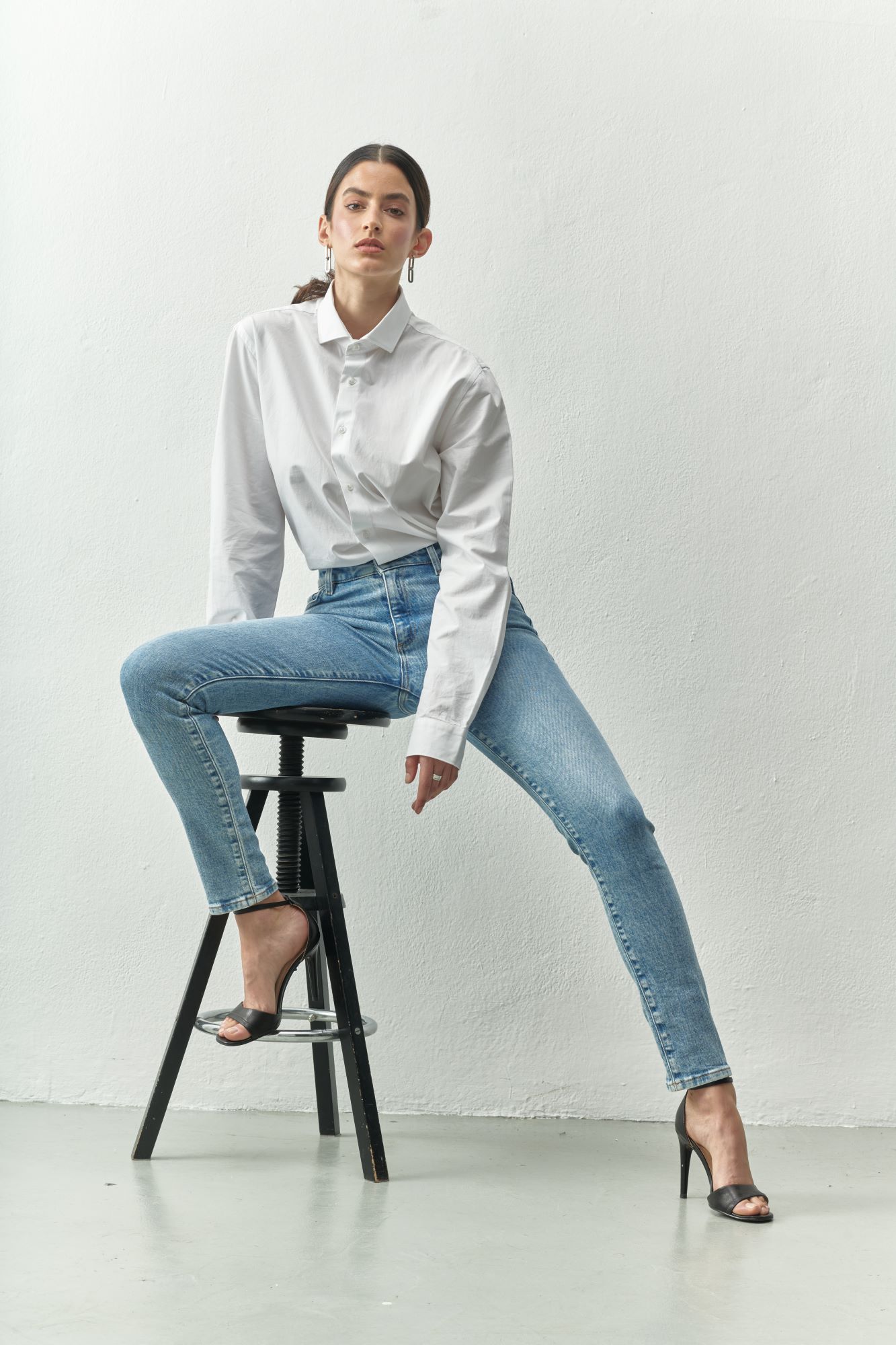
Gen Z has shifted the fashion narrative, moving away from skinny jeans and embracing a looser fit. This transition was notably highlighted on TikTok, where they playfully criticized Millennials for their preference for skinny jeans. As a result, a growing trend toward wide-leg jeans has emerged, marking a departure from what some consider outdated styles.
The preference for looser fits reflects not only a desire for differentiation from previous generations but also a commitment to inclusivity and body positivity. Interestingly, this trend was amplified during the COVID-19 pandemic, as many people opted for more comfortable clothing while staying at home.
Data from the consumer research company Circana revealed that sales of women’s jeans in the U.S. declined by 3% in the year ending September 2023. Of this decrease, $8 out of every $10 lost was due to the fading popularity of skinny jeans. Nevertheless, skinny jeans accounted for 30% of total jeans sales, indicating they continue to have a place in the market.
Recent denim trends showcase a strong inclination toward wide-leg jeans, yet there is an exciting openness to diverse styles today. Unlike the past—when dominant cultures often overshadowed subcultures—fashion now encourages exploration and creativity. Many are drawing inspiration from vintage trends, allowing individuals to select styles that resonate with them personally. Moreover, we’re witnessing a revival of Y2K-inspired fashion. For instance, Kendrick Lamar has been spotted wearing bootcut jeans, a style that predates skinny jeans. Given fashion’s cyclical nature, it’s entirely plausible that skinny jeans could re-emerge as a trendy option. Lila Moss, inspired by her fashionable mother, already appears to be tapping into this potential resurgence.
Modern alternatives to skinny jeans
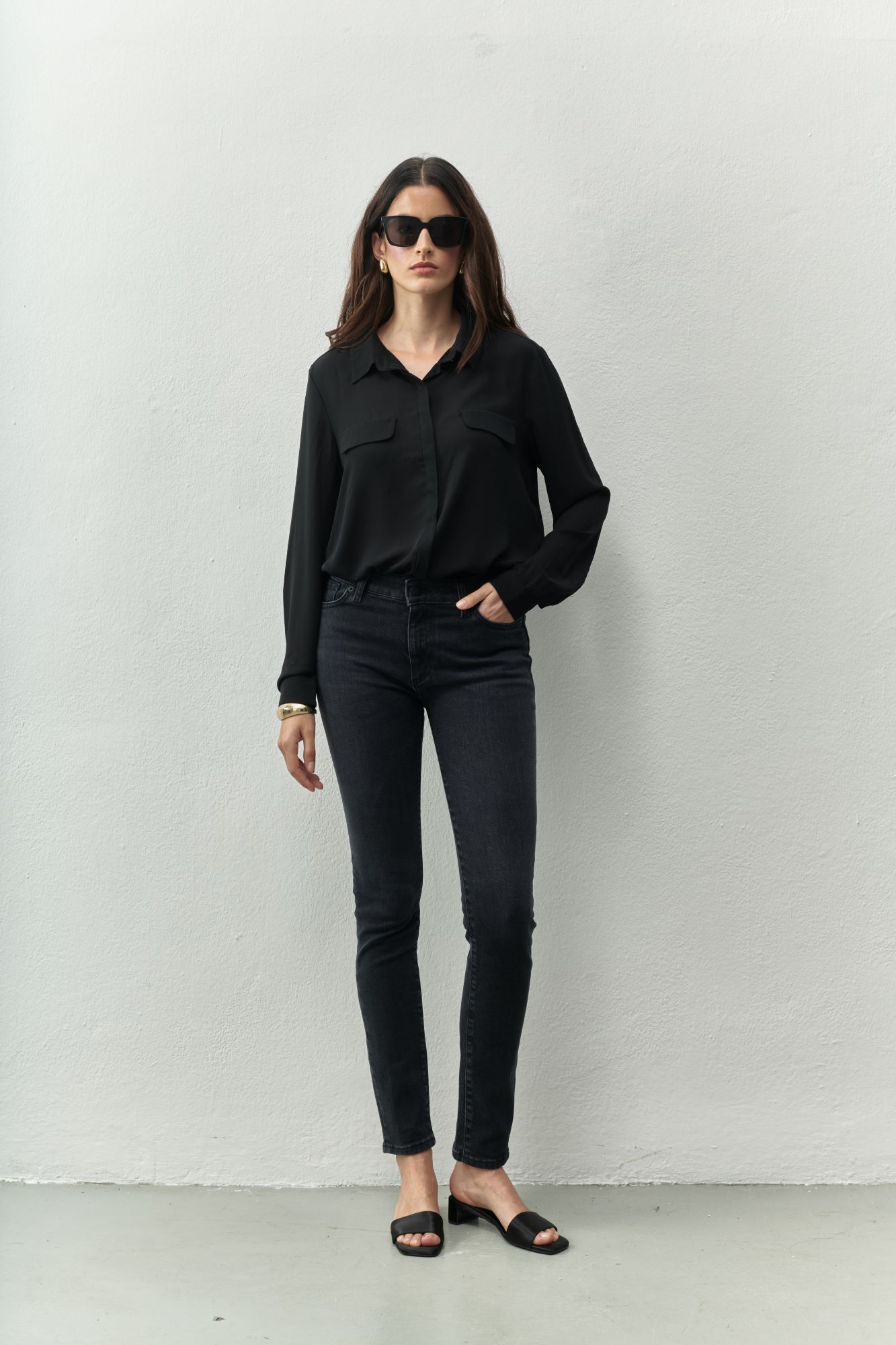
When it comes to choosing jeans, the options are plentiful, allowing you to find the perfect fit that aligns with your taste and style. If the tight-fitting jeans of your teenage years no longer appeal to you, there are many great alternatives that strike a balance between comfort and style.
Slim-fit jeans offer an excellent compromise between skinnier styles and more relaxed options. They are designed to enhance your body’s shape while providing comfort, contouring the hips and calves without restricting the ankles. This style allows for greater freedom of movement, making it suitable for a variety of body types. Consider high-waisted versions to create a streamlined silhouette. In 2026, we are also witnessing an interesting comeback of cigarette jeans, which emerged in the 1980s and were particularly popular in the following decade.
If you feel that form-fitting jeans aren’t quite right for you anymore but are hesitating to go completely loose, straight-leg and regular-fit jeans might be the perfect solution. These versatile cuts provide a comfortable fit that includes different shapes and styles without being overly wide. Additionally, mom jeans offer a high-waisted option that combines a relaxed fit through the hips and thighs, channeling a comfortable, 90s-inspired aesthetic.
Lastly, flared jeans are making a fashionable comeback. They fit snugly through the hips and thighs before gradually widening at the knees and toward the ankles. If you’re looking for a subtler option, bootcut jeans offer a more understated style without the dramatic flair of bell-bottoms while still incorporating a touch of retro appeal to your look.
Skinny vs slim vs straight jeans
| Skinny fit | Slim fit | Straight fit |
| It’s the tightest style that fits your body shape like a second skin. | It fits the body well without being constrictive, even as it narrows toward the ankle. | The leg extends straight from the hips to the ankles, maintaining a consistent width throughout. |
| It typically needs to be made from super-stretch denim. | It’s often made with comfort-stretch denim. | It can be made with any denim fabric. |
| It’s best for lean frames or for those who want to show off their exact body shape. | It’s ideal for lean builds but is more versatile than skinny jeans, making it suitable for other body types as well. | It suits almost any body type. |
| It enhances the body shape. | It strikes a great balance between the restrictive nature of skinny jeans and the relaxed fit of straight-leg jeans for a polished look. | It has a relaxed yet clean, timeless look. |
2026 update
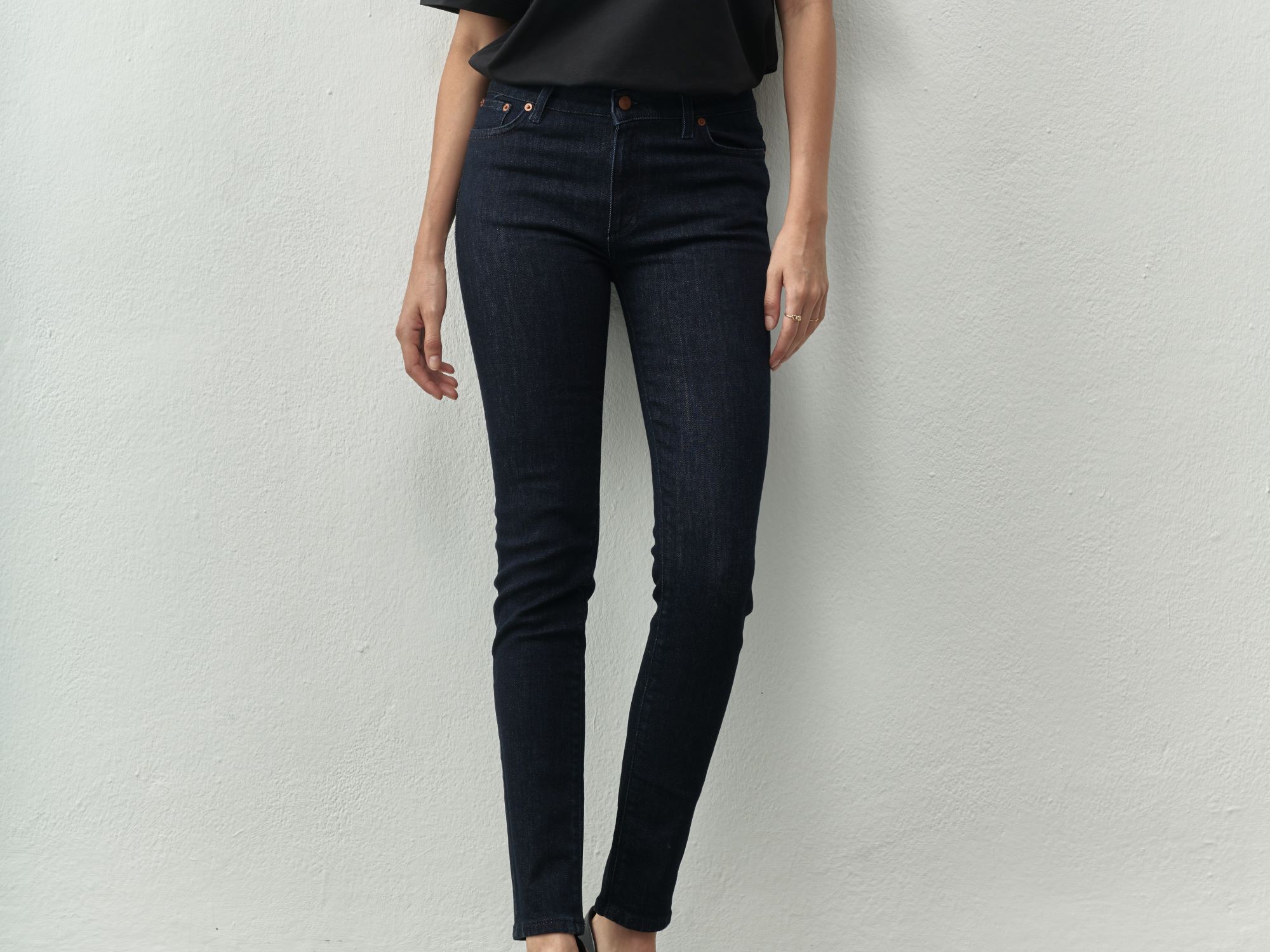
It’s official: skinny jeans are making a comeback. However, the new versions are typically not as tight as their 2000s counterparts. Instead, they fall somewhere between skinny and slim fits. Imagine a form-fitting style inspired by straight-leg designs, slightly looser at the ankle, and often subtly flared to feel less restrictive, more wearable, and less intimidating than the ultra-tight versions of the past. Additionally, the waist is usually higher than the cuts that were popular two decades ago.
While skinny jeans fit into the nostalgia trend that has inspired brands and designers recently—evoking a more carefree time when this style signified self-confidence and character—they are not meant to replicate the 2000s exactly. Instead, they aim to update the attitude with a more contemporary taste. Feel free to pair them with oversized tops or romantic accessories to create contrast and distance from the snug, often divisive millennial outfits we both love and hate.
How to wear skinny jeans
If you want to wear skinny jeans but don’t want to look like you just jumped out of a 2010 high school party, you can play with proportions and incorporate heavier volumes. This approach is key to making skinny jeans look contemporary and even chic in 2026.
To achieve this, avoid fitted T-shirts, flannel shirts, and cropped tops. Instead, choose oversized jackets, sculptural blazers, and soft blouses. Layering can also help you mix fitted and oversized garments effectively. Footwear is essential for updating your skinny jeans style, so steer clear of teenage sneakers. Opt for knee-high boots, such as moto or riding styles, or choose pointed-toe ankle boots, loafers, or kitten heels for a polished yet effortless look.