 Log into your account
 Register

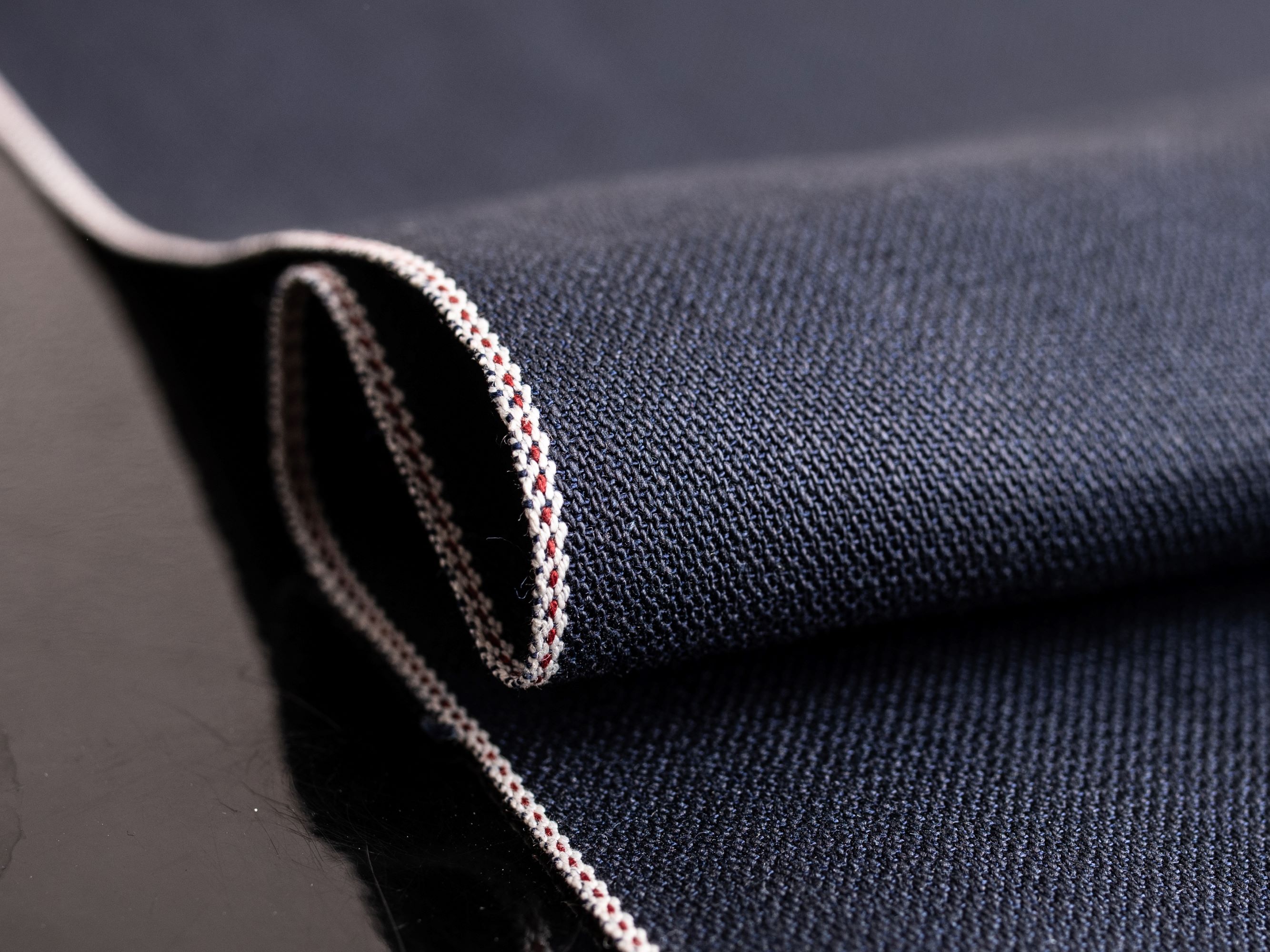


Broken twill is an alternative denim weaving technique that offers several advantages. Originally introduced for functional purposes, such as preventing leg twisting and enhancing durability, this weave has now entered the premium denim market as a stylish alternative to classic twills. From cowboy workwear to high-end jeans, broken twill is gaining recognition for its unique properties.
What’s twill weave?
Denim is typically woven using a twill weave, which creates diagonal lines that give the fabric its distinctive appearance and texture. This diagonal pattern is formed by interlacing threads at a 90-degree angle on the loom. The most common type of denim weave is 3x1 twill, which means there are three warp yarns for every weft yarn on the front of the fabric. In this fabric structure, each weft yarn goes over one warp yarn before passing under the next three warp yarns. The warp yarns are usually dyed, while the weft yarns remain in their natural color. This is why the front of denim fabrics is conventionally blue, while the inside appears white.
Although denim is generally a twill fabric, not all twill fabrics are denim. This weaving technique is versatile and can be used for various other fabrics, primarily in clothing and home textiles, due to its key features. Twill fabrics are typically durable because the way the threads are interlaced makes them resistant to wear; however, they also offer a certain degree of flexibility and drape, making them suitable for a wide range of garments and applications.
The differences among right-hand, left-hand, and broken twill weaves
Right-hand twill is the most common denim pattern and is traditionally associated with Levi’s®. In this type of twill, also known as Z-twill, the diagonal lines run from the bottom left to the top right on the fabric’s front, typically resulting in a smoother, flatter surface. Over time, various other weaving techniques have been developed to achieve distinct aesthetics and functional performance, each with its own unique history.
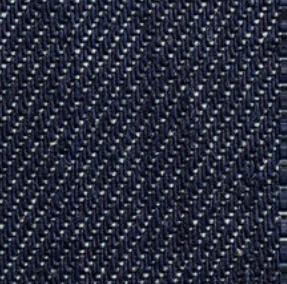
While right-hand twill is synonymous with Levi’s®, the other two early denim brands opted for different patterns: Lee® is known for its left-hand twill, and Wrangler® is recognized for its broken twill. Left-hand twill fabrics are woven in the opposite direction of right-hand twill, with the lines running from the bottom right to the top left. This type is also referred to as S-twill. Left-hand twill fabrics tend to be softer after wear and wash than their right-hand twill counterparts, and they may also fade differently, often showing more vertical fading.
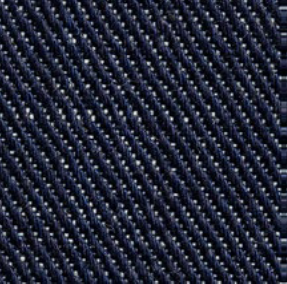
In 1964, Wrangler® introduced broken-twill denim fabrics to prevent leg twisting. In a broken twill weave, the diagonal lines do not consistently slant in one direction; instead, they alternate at regular intervals along the fabric. This creates a zig-zag pattern that is most noticeable on the inside of your jeans.
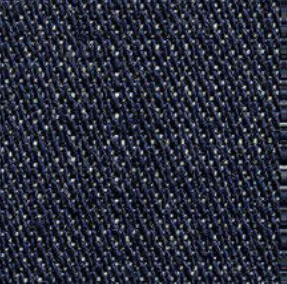
How it reduces leg twist and increases comfort
Broken twill was introduced by Wrangler® for functional reasons and to further enhance the durability of jeans, which is why it is closely associated with workwear denim. The Wrangler® brand was originally created for ranchers, cowboys, and others living the classic Western lifestyle. In particular, broken twill was designed to make horse riding easier and more comfortable. It was hence developed for rugged ranch use and ultimately became a hallmark of cowboy clothing.
Although both right- and left-hand twill weaving techniques produced durable fabrics, some vintage jeans had a problem: they could twist or skew after multiple wears and washes because the fibers tended to spiral in one direction. This twisting issue did not cause jeans to fall apart. Still, it did distort their fit and shape, affecting comfort and usability. In contrast, broken twill offers a balanced construction that preserves the jeans’ original shape by alternating the fibers’ diagonal direction. Additionally, it gives the denim a distinctive look and feel.
Broken twill today
Today, the leg-twisting problem is addressed through a finishing process called skewing, which prevents distortion and helps all jeans maintain their original shape over time, regardless of the twill direction. This means that choosing a specific twill over the others is entirely up to you and your personal tastes and preferences.
Broken twill is relatively rare compared to other denim weaving techniques. It is often chosen for heavyweight fabrics because it typically has a softer hand feel, enhancing comfort. Nowadays, heavyweight fabrics are uncommon since denim no longer needs to serve as durable workwear; the focus has shifted to comfort for everyday wear. However, some heritage denim enthusiasts still appreciate these fabrics because they are connected to denim tradition and its authentic aesthetic, especially as they fade with wear. As a result, broken twill can be an excellent option for those seeking authenticity and durability, combined with a high level of quality and refinement.