
 Log into your account
 Register

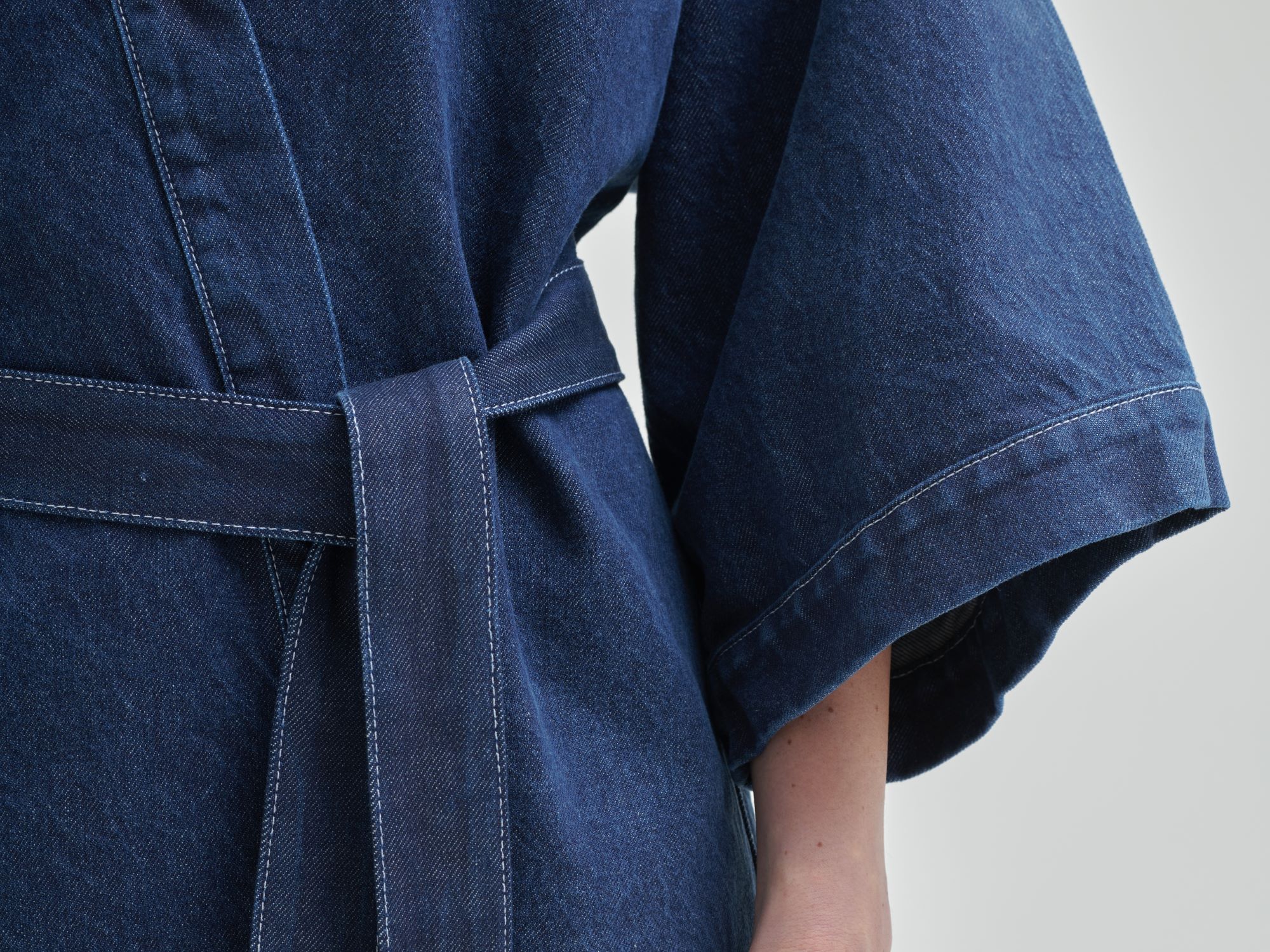


From the royal garments of ancient empires to today’s most sustainable fashion innovations, indigo dye has played a significant role in history. Used for millennia across various civilizations, indigo’s story spans continents, trade routes, and advancements in chemistry. Once a symbol of power and prosperity, this deep blue pigment has made a vibrant comeback in a modern context: natural, traceable, and climate-conscious. At Candiani Denim Store, we honor this rich legacy with a groundbreaking capsule collection dyed using plant-based indigo cultivated through regenerative agriculture. By merging timeless aesthetics with forward-thinking practices, we celebrate indigo’s enduring legacy—now cleaner, bolder, and more authentic than ever.

Indigo across empires: from ancient dye to synthetic revolution
The history of indigo dye is rich and spans the globe from Asia to the Americas. For millennia, various civilizations have used the fermented leaves of Indigofera plants to produce vibrant blue dyes. The term “indigo” comes from the Latin “indicum,” meaning “Indian,” reflecting the early European importation of these plants from India. However, the earliest evidence of indigo-dyed fabrics was found in Huaca Prieta, Peru, dating back over 6,000 years.
The Incas cultivated indigo for dyeing textiles, while the Mayans created “Maya Blue” by mixing fermented indigo leaves with clay. The Aztecs used it to dye prized fabrics, including the emperor’s cloak. Indigo was also used as a pigment in ancient Egypt and China around 3000 BC. The Romans recognized its value through the writings of Pliny the Elder, although it remained a luxury item traded by Arab merchants.
In the Medieval period, Europeans relied on local woad for blue dye due to the challenges of importing indigo. This changed in 1498 when Vasco da Gama discovered a new sea route to India, making indigo more accessible and popular due to its superior dyeing capabilities for fibers such as cotton and flax.
When the Spanish arrived in the Americas, they saw an opportunity in the large-scale cultivation of Indigofera plants to replace Portugal’s role in the indigo trade. By the 16th century, much indigo was being imported to Europe from Guatemala, and the French and English expanded its cultivation in the Caribbean, often using enslaved African and Indigenous labor. In North America, indigo became the second-most important crop in South Carolina after rice.
The late 19th century brought a revolution with synthetic indigo, which made blue dyes even more accessible and almost completely replaced the natural ones. German chemist Adolf von Baeyer began synthesizing indigo in 1865 and received the Nobel Prize in Chemistry in 1905 for his work.
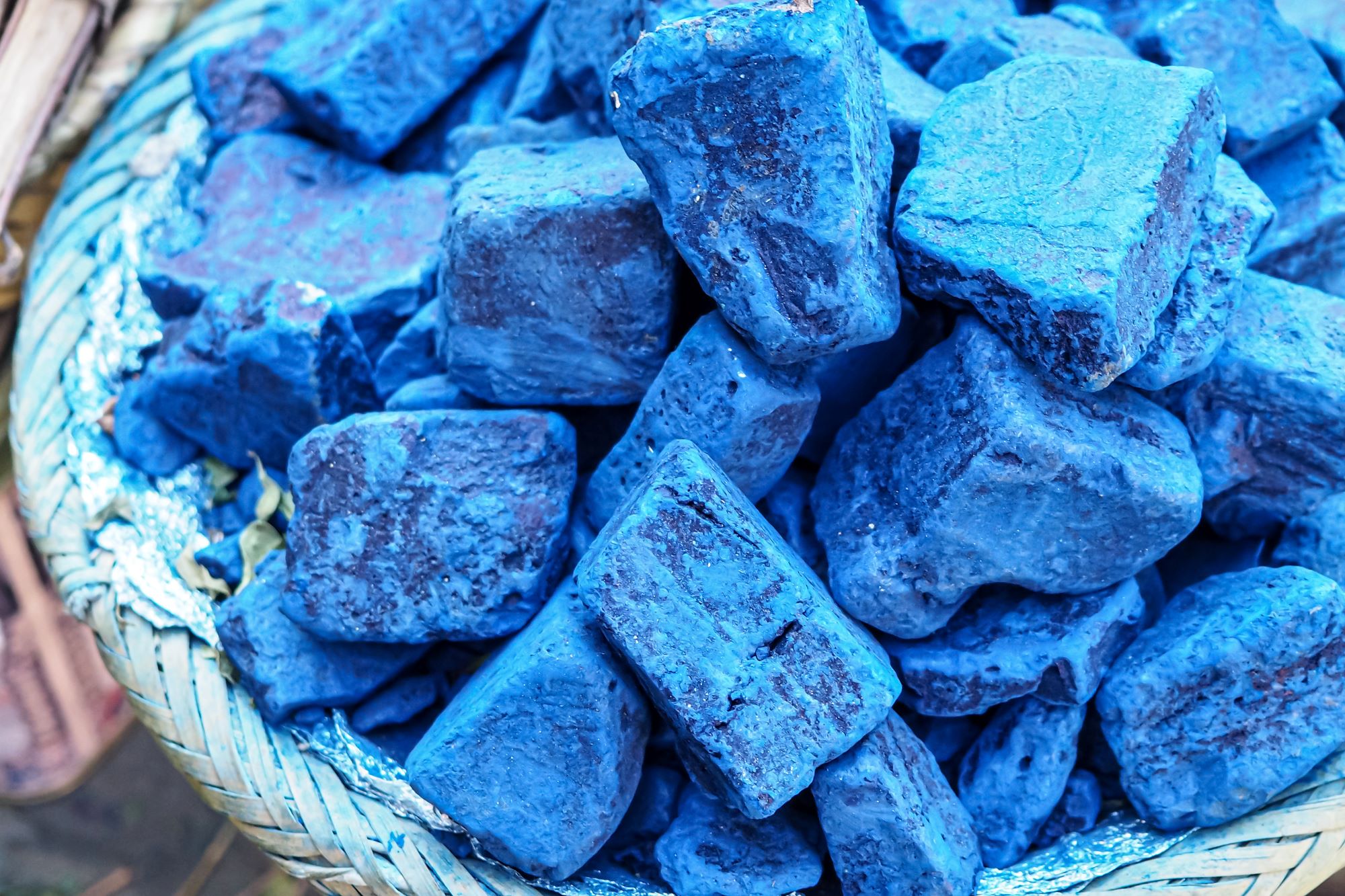
Candiani’s natural indigo denim fabrics
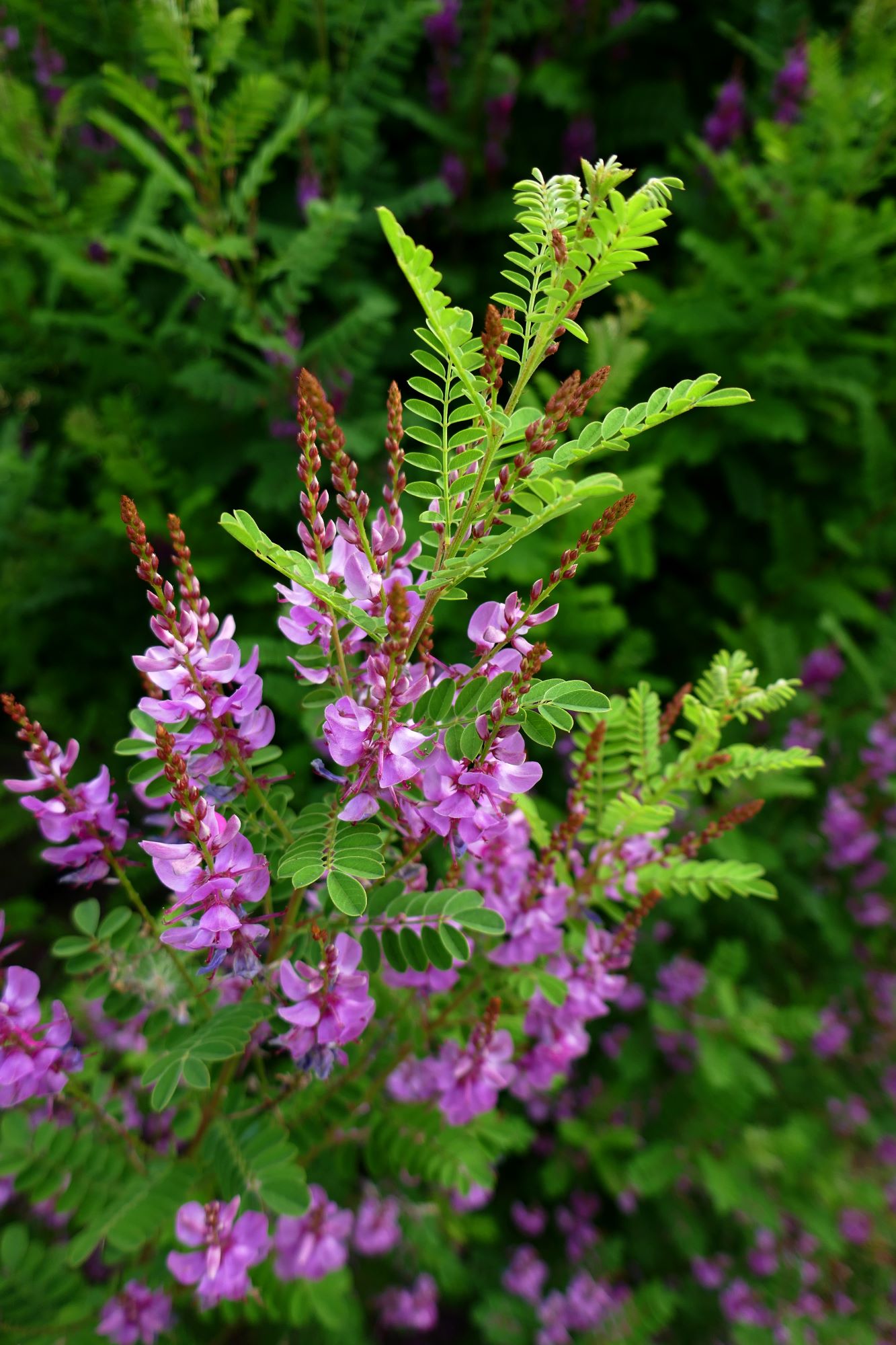
Our natural indigo collection was developed in partnership with Stony Creek Colors, utilizing natural indigo sourced from their farms in Tennessee. Stony Creek cultivates high-value Indigofera as a regenerative rotational crop. Indigo is a legume that helps capture carbon in the soil and fixes atmospheric nitrogen, thereby improving soil quality. The primary goal is to provide a traceable, 100% plant-based dye that enhances farm ecosystems while addressing climate change in the fashion industry. This is achieved by harnessing the power of nature to replace synthetic, petrochemical-derived colorants. Thanks to Archroma’s innovative reduction process, this natural indigo is optimized for industrial production, resulting in superior performance during the dyeing process and richer color saturation.
Regenerative crops are grown using regenerative agriculture methods, which have no universal definition and can vary depending on specific farming contexts. A key characteristic of regenerative agriculture is its strong focus on improving soil health. Healthy soil can help combat climate change by storing CO2 underground and enhancing the cycles of hydrogen, carbon, and nutrients. The aim of regenerative agriculture is to create a significant overall positive impact, with a focus on outcomes rather than processes.
Regenerative farming practices are inherently farmer-friendly, as they are tailored to specific needs, soil types, and climate conditions. Crop rotation is a common practice that helps maintain or improve soil fertility. Other popular methods include cover cropping, which protects and enriches the soil, and minimal or no tillage, which avoids disturbing microorganisms through mechanical soil agitation.
Candiani Denim Store launches an exclusive natural indigo capsule collection
Natural indigo is often deemed unsuitable for large-scale production due to the challenges of consistently achieving the same shade across different fabrics. However, it creates vibrant, authentic, and bold tones—along with refined nuances—that synthetic dyes simply cannot replicate.
With this in mind, we have created an exclusive capsule collection for the Candiani Denim Store, located at Piazza Mentana 3, Milan. This collection is designed to help you embrace the upcoming warmer months without sacrificing style or the authenticity of true denim.
Jorts are an excellent option for those seeking denim shorts that are not too short. They strike a balance between classic denim shorts and full-length jeans, making them increasingly popular for their comfort, practicality, and versatility. Their style is suitable for both urban routines and summer beach getaways.

On the other hand, the jinbei is one of our past season’s bestsellers and is part of our customizable clothing line. The product is now crafted from natural indigo denim fabrics, featuring darker and more vintage washes. You can choose to add pockets to your jinbei—whether customizable or not, with Japan-inspired, laser-engraved designs created to make each piece unique—embroider your initials, or include a belt. This way, you can create a denim look that is truly one-of-a-kind and tailored to your preferences!