
 Log into your account
 Register

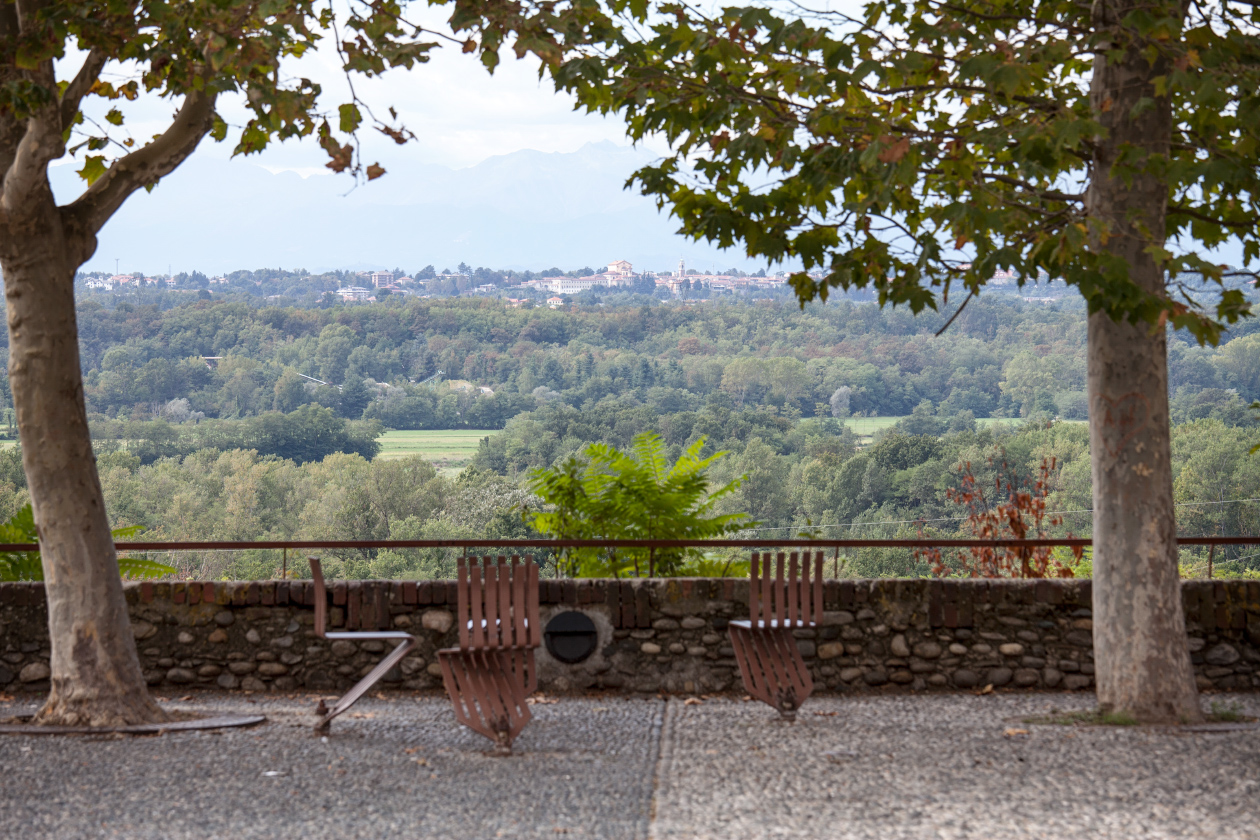


On April 16th, the traveling historical-documentary exhibition “Chiare Tracce” was inaugurated to celebrate the 50th anniversary of the Lombard Park of the Ticino Valley. We are proud to sponsor this initiative, which is dedicated to our territory and its community, an integral part of Candiani’s identity since its founding. The exhibition will be open to visitors at Casa Giacobbe in Magenta until May 4th.
Why an exhibition about Ticino Park?
This traveling exhibition, which will soon be hosted at other locations on different dates, was developed from the rich archive of Cascina del Guado, a cultural and artistic landmark of the entire region. It features twelve panels showcasing unpublished documents and original works that trace the Park’s history, beginning with the ideas, passion, and love for the land that inspired its creation.
The Lombard Park of the Ticino Valley is the first regional park established in Italy, and it symbolizes a significant shift in collective consciousness that occurred in the second half of the last century. Today, the Park’s mission is more relevant than ever as the search for balance between humanity and nature takes center stage in global discussions.
The climate crisis is increasingly evident, with compromised ecosystems influencing temperatures, disrupting water cycles, and causing more intense and devastating weather events. Therefore, analyzing, exploring, and engaging in dialogue about these issues is essential to finding effective, shared, and long-term solutions to our current urgent challenges.
A bit of history
The exhibition provides a detailed overview of the history of Ticino Park, which began in 1967 in Pavia. A group of passionate individuals dedicated to protecting the territory from increasing industrialization, pollution, and illegal development initiated various efforts to raise community awareness. Their goal was to foster a new sensitivity towards environmental preservation and the delicate balance of ecosystems.
An impressive mobilization took place during this time, leading to the collection of thousands of signatures in support of the Giornale della Lombardia’s proposal for a citizens’ bill to establish the Park. On December 5, 1973, the Lombardy Regional Council approved the creation of the Lombard Park of the Ticino Valley through Law No. 133.
Today, Ticino Park includes 50 institutions, comprising 47 municipalities, the Metropolitan City of Milan, and the Provinces of Pavia and Varese, with which it maintains ongoing dialogue. Continuous engagement with the Lombardy Region is also crucial, as interaction and collaboration are essential for finding solutions that promote development opportunities while safeguarding the environment, landscape, and natural resources. This approach seeks to include individuals, creating a harmonious habitat and promoting sustainable land use.
The territory and its inhabitants
Ticino Park is situated within Italy’s most developed industrial triangle, an area that boasts over 500,000 residents, tens of thousands of businesses, an intercontinental airport, a thermoelectric power plant, three highways, and a dense network of roads. Despite this significant urbanization, nearly 55% of the Park’s territory is comprised of agricultural land, 22% is covered by forests, 3% consists of a hydrographic network, and only 20% is urbanized.
Additionally, Ticino Park is the largest protected river area in Europe, spanning an impressive 92,000 hectares. The waters of the river and its associated canals are the Park’s most valuable assets, serving as essential components of local ecosystems and stretching over 110 kilometers.
The Park’s uniqueness also lies in its remarkable biodiversity. It is home to more than 20,000 hectares of forests and other vital habitats, including heathlands, which feature rare and even locally extinct trees and flowers. In total, Ticino Park supports 6,832 species: 4,028 belonging to the animal kingdom, 1,284 to the plant kingdom, 1,420 fungi species, and 100 protozoa.
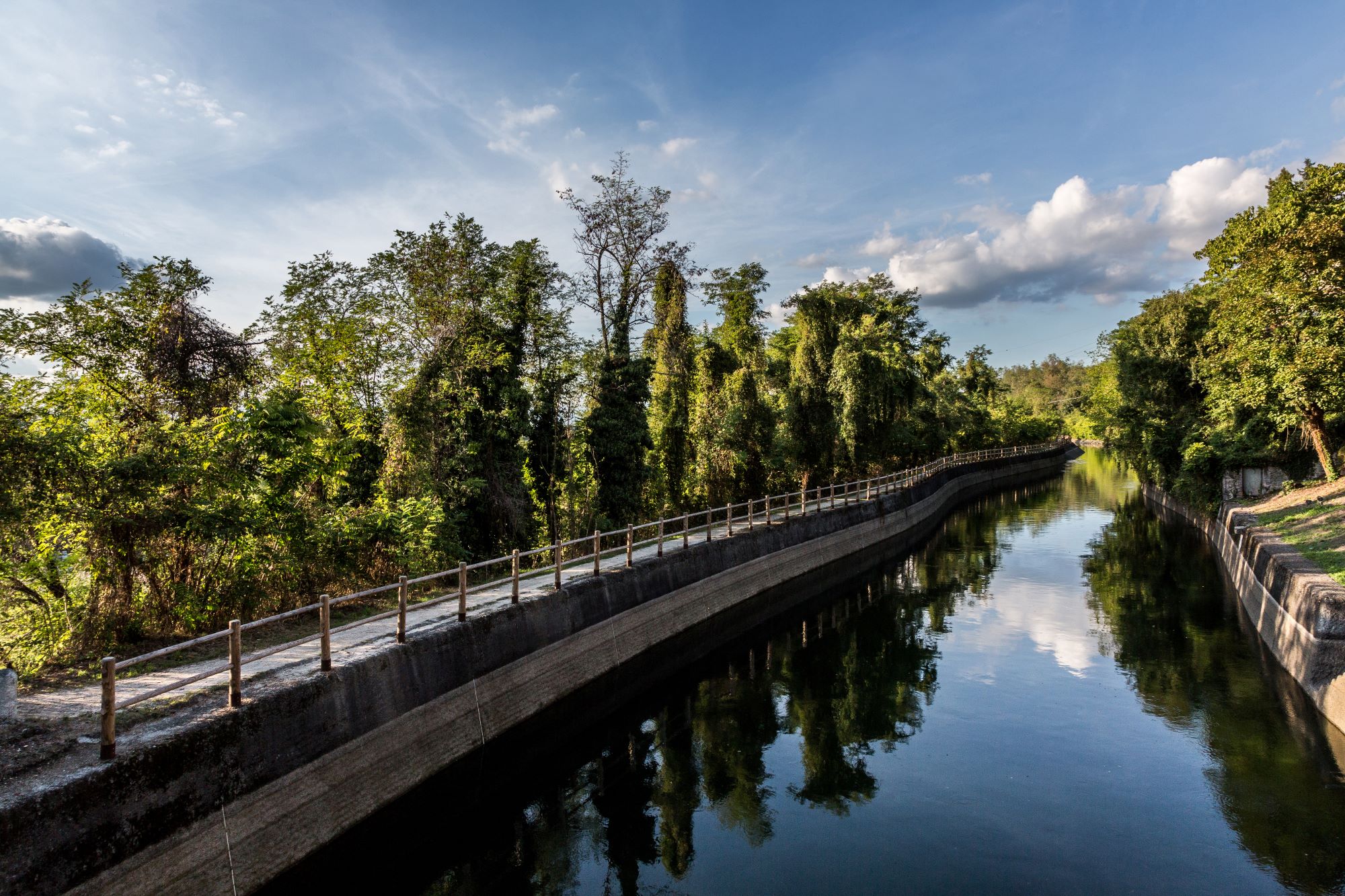
Guado Officine Creative dal 1969
Cascina del Guado is an integral part of Ticino Park. In 1969, artist Daniele Oppi settled at Cascina del Guado (officially named “Guado Officine Creative dal 1969”) in Robecchetto con Induno. There, he founded Comune del Guado, a cooperative that became a hub of cultural activity, attracting notable figures such as Mogol, Lucio Battisti, and Ernesto Treccani.
The histories of Cascina del Guado and Ticino Park have been closely intertwined from the beginning. Oppi played a crucial role in creating a network of local newspapers aimed at urging decision-makers to implement serious and effective environmental policies. These policies were designed to address urgent calls for protection, preservation, and actions to improve the present and secure the future.
Since 2006, his son Francesco has continued the mission inspired by his father’s community. In 2011, Guado Officine Creative dal 1969 was recognized by the Lombardy Region as a significant center and landmark of contemporary art in Lombardy. Furthermore, it has been listed as Luogo del Cuore FAI since 2020.
The archive, which was collected by Daniele and Francesco Oppi over decades of meticulous research, comprises a diverse database of over 14,000 documents. This collection includes books, magazines, newspapers, posters, artistic objects, manuscripts, and a vast array of correspondence covering a wide range of topics. This archive has enabled the Lombard Park of the Ticino Valley to trace the footsteps of those who came before us and to rediscover the principles, aspirations, and values that have always characterized the Park: not only the protection of biodiversity and the environment but also the safeguarding of an entire community that has been networking and working toward a common goal for over five decades.
Candiani and Ticino Park
During the opening ceremony of the “Chiare Tracce” exhibition, Alberto Candiani highlighted the significant role that Ticino Park has played in shaping Candiani into the company it is today. He mentioned that human beings and companies evolve primarily due to their surrounding environment, and for Candiani, operating within a protected area is a source of great pride.
Initially, the strict regulations appeared to be challenging obstacles, but they turned out to be a wonderful opportunity to make our made-in-Italy products even more distinctive and local. This environment has supported our natural inclination to improve both our processes and products. We take pride in having embarked on this long journey, which has positioned us as one of the leaders in our market for sustainable innovation, largely thanks to the area in which we are located.
Finally, Alberto also pointed out the interesting dual meaning of the Italian word “guado.” It refers not only to the point where a river can be crossed but also to the plant that historically served as the only alternative to indigo for dyeing fabrics blue, i.e., woad. This plant was used in Italy and France to dye fustian, the predecessor of modern denim, blue before indigo became widely used. This connection further links Candiani to Cascina del Guado and, consequently, to Ticino Park!
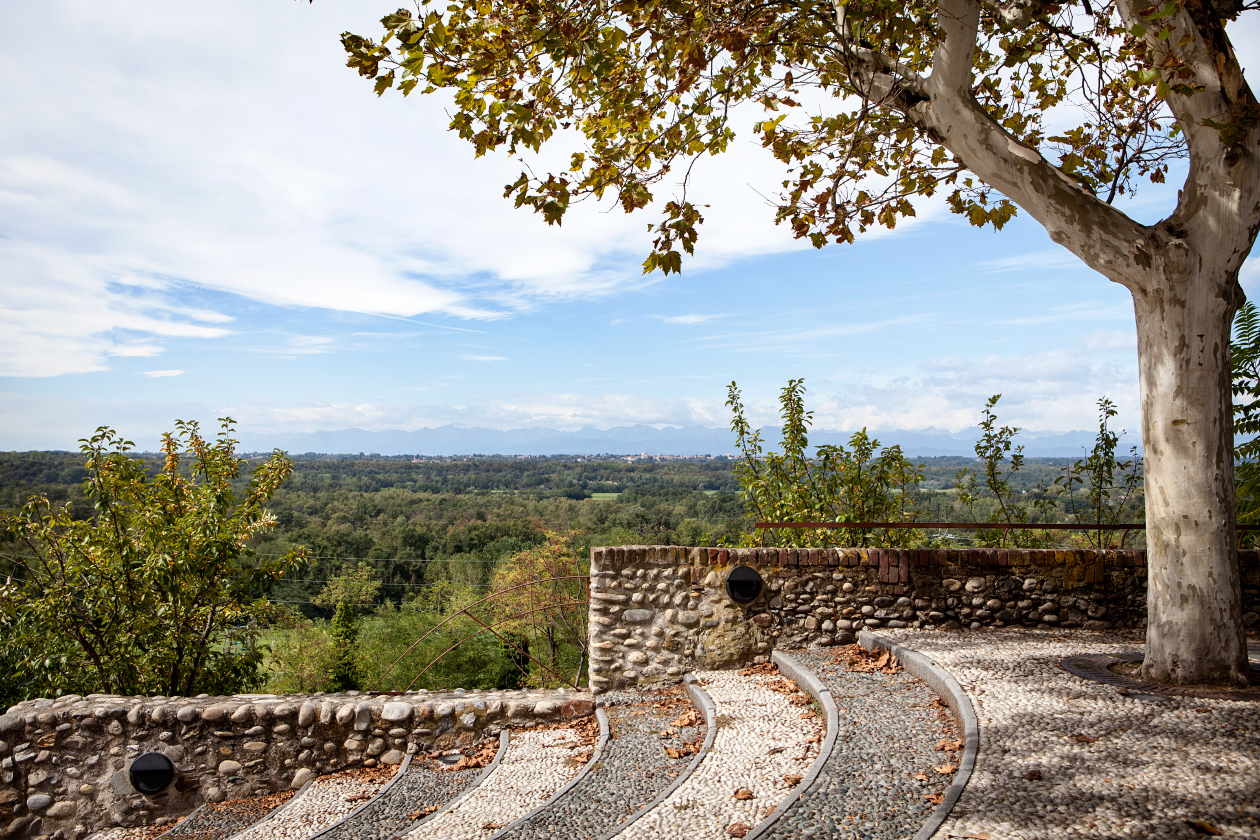
Would you like to learn more about the history of the Park and its territory, and discover fascinating facts about its inhabitants and the activities it offers? Visit “Chiare Tracce”!
From April 16 to May 4, 2025
At Casa Giacobbe, Via IV Giugno 80, Magenta
Open on weekdays from 9:30 AM to 1:00 PM and from 5:00 PM to 7:00 PM; open from 11:00 AM to 5:00 PM on Saturdays and public holidays
Free admission