 Log into your account
 Register

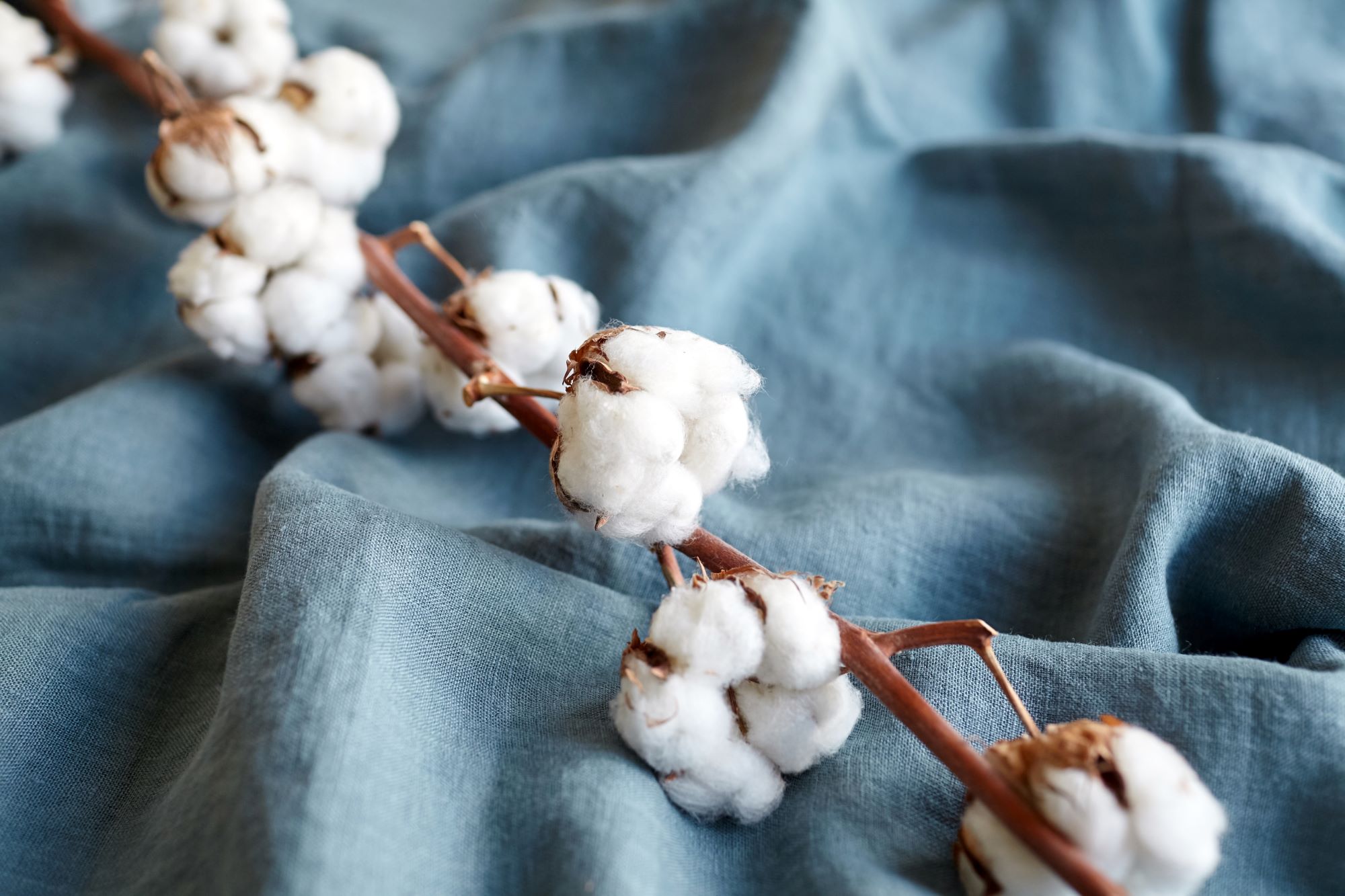


Cotton is the world’s most popular natural fiber, known and cultivated for thousands of years. It has enabled the creation of a wide range of fabrics that remain common in our everyday lives. Among these, our beloved denim stands out as a material that symbolizes resilience and style, transforming the way entire generations dress. Let’s explore how this extraordinary, simple, and versatile plant has become a silent protagonist in the fashion industry, particularly in the realm of jeans.
What’s cotton?
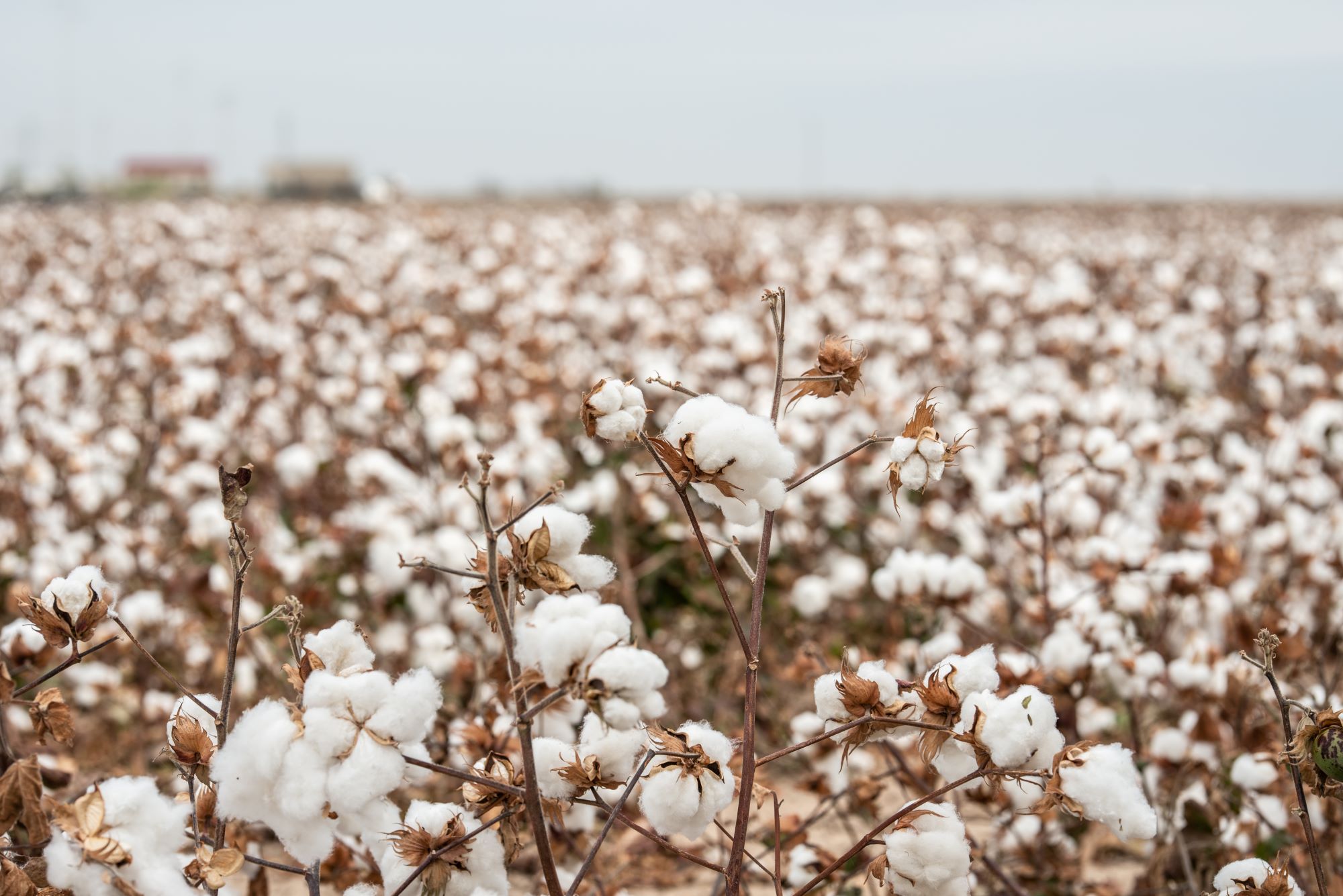
According to the Textile Exchange, cotton accounted for 22% of global fiber production in 2021 and is grown in approximately 70 countries with hot climates. These areas experience alternating periods of high humidity and dryness, which are essential for the maturation of the cotton plant. The fibers are derived from the hairy covering of the seeds of the Gossypium genus and are made up almost entirely of cellulose.
Cotton has a long history, having been known in Asia and South America since ancient times. It made its way to Europe after the year 1000 A.D., brought by the Saracens to Sicily. Its availability significantly increased following the discovery of America, as the establishment of plantations in British and French colonies in the southern United States greatly facilitated its import. The climate and soil in this region are particularly favorable for cotton cultivation.
As a renewable raw material, cotton can be harvested continuously without threatening its future availability, as long as its usage does not exceed its natural renewal rate. Additionally, being a plant-derived product, cotton is naturally biodegradable.
Benefits of cotton fabrics
While cotton is used in many sectors, the most common application that easily comes to mind is in textiles and fashion. Cotton can indeed be used to create a wide variety of fabrics, ranging from light and delicate to heavy and durable. This versatility makes cotton suitable for various applications, including baby clothing, home textiles, and medical products. Additionally, cotton can be easily printed, dyed, and finished in many ways, allowing for diverse designs.
Cotton fibers are also strong and resistant to wear and tear, as well as shrinking, which allows textiles to last longer. Durable products are cost-effective for consumers and beneficial to the environment in the long run, as they require less frequent replacement and help reduce waste.
As regards comfort, cotton is soft, breathable, lightweight, and naturally stretchy, providing freedom of movement. It can be used all year round thanks to its insulating properties, trapping air between the fabric and the wearer’s skin, which helps regulate temperature.
Cotton fabrics can naturally absorb moisture from the skin, ensuring that the wearer feels dry and cool during any activity. According to the International Forum for Cotton Promotion, cotton can absorb up to 20% of its weight in liquid before feeling damp. Moreover, cotton naturally resists unpleasant odors, allowing you to feel comfortable and fresh for longer periods, while also reducing the need to wash items frequently. Its breathability helps prevent the build-up of bacteria, which can lead to foul smells. One of the most appreciated benefit of cotton are its hypoallergenic properties, which make it a popular choice for those with sensitive skin.
Finally, cotton fabrics are generally easy to care for and can be machine-washed, although care may vary depending on the specific garment. It’s important to check the care label for instructions to ensure longevity.
Which are cotton fabrics?
While cotton offers various benefits across its fabric types, each type has distinct features. Let’s explore the main ones.
Denim
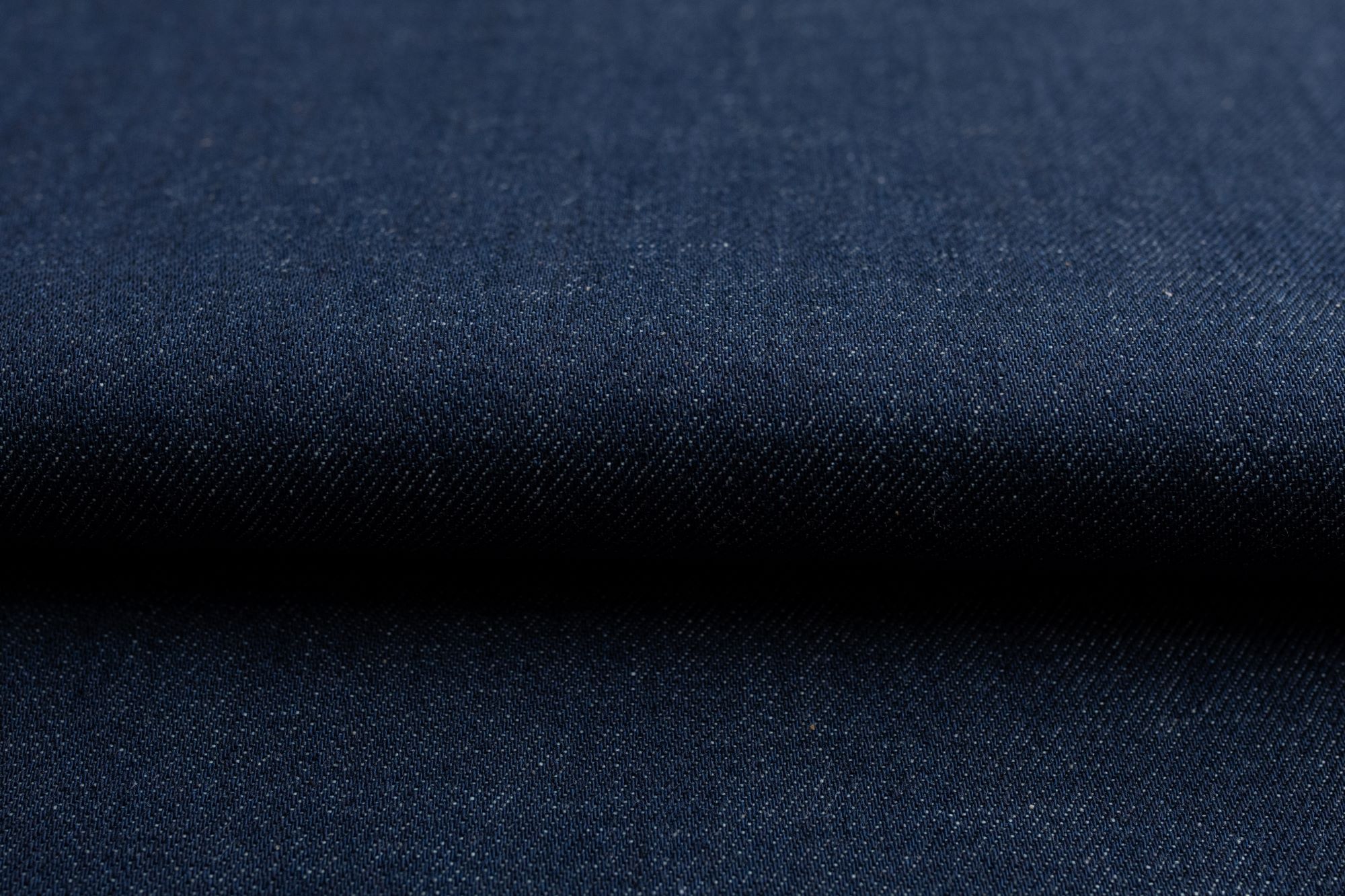
We can’t help but start with our beloved denim, the fabric used in jeans. Denim is a durable material made from cotton or cotton-blended twill. It is created by weaving traditionally white weft yarns with indigo-dyed warp yarns, resulting in a distinctive diagonal pattern. The typical denim construction, known as 3x1, means that there are three warp yarns for every one weft yarn. The denim we know today has evolved from Genoese fustian.
Fustian
Fustian was particularly common in Medieval Europe due to its strength and reasonable price. At that time, it was typically made from a blend of cotton and wool, linen, or hemp, and featured either a plain (1:1 ratio) or diagonal weave, similar to modern denim. Each city had its own manufacturing rules for fustian, which is why we say that denim originated from Genoese fustian, made from cotton with an indigo-dyed warp. Today, fustian is primarily made from cotton or wool and is woven in a 3- or 4-twill pattern. It has a velvety texture on the outside and a more uniform surface than corduroy, which is characterized by its vertical veins in relief.
Popeline (poplin)
The term “popeline”, or “poplin,” comes from French and refers to a lightweight fabric that can be made from various materials, including silk or wool. However, the most common type is cotton poplin. In this fabric, the weft yarns are thinner than the warp yarns, creating a tightly woven structure. As a result, poplin is a smooth and compact fabric that is both durable and somewhat delicate. This versatility makes poplin suitable for a wide range of applications, including summer dresses and elegant shirts.
Batiste (cambric)
Batiste, also known as cambric, is a lightweight and soft fabric characterized by a plain weave. The yarns used for the weft and warp are tightly woven, creating a smooth, shiny surface that is nearly semitransparent. Despite its delicate appearance, batiste is durable and resistant to wear and tear. Additionally, it can feature a satin weft for an even more lustrous finish. Cotton batiste is one of the most common variations of this fabric.
Piqué (marcella)
Piqué, also known as marcella, is primarily used for sportswear and linen. It typically features a textured pattern that creates shapes such as squares and diamonds, giving the fabric a quilted appearance. While cotton piqué is the original and most common type of fabric, it can also be made from other fibers, including synthetic ones.
Seersucker
Cotton seersucker is a traditional summer fabric known for its softness and lightweight qualities. It features a unique weft that combines dense and more flexible yarns, resulting in its characteristic creased stripes, which typically alternate between white and a different color. Interestingly, it was originally made from a blend of cotton and silk. When wet, the cotton yarns naturally shrank, while the silk yarns did not, creating the fabric’s distinctive creased appearance.
Voile
The name of this fabric originates from the French word for “veil.” Voile is a very lightweight, thin, and semitransparent material that has a smooth, shiny appearance and a soft texture. Despite its delicate look, the yarns in voile are twisted to create a high torsion rate, which gives it added durability. Although cotton voile is the most common type, this fabric can also be made from synthetic fibers.
Muslin
Muslin is a lightweight and airy fabric characterized by a plain weave and a sparse weft, made from thin yarns. The name “muslin” comes from Mosul, a city in Iraq. While cotton muslin is the traditional type, there are now versions made from wool and linen as well. India was a major producer of muslin, and it has been traded in England since the 17th century for a variety of uses, including clothing and curtains.
Ottoman
Ottoman is a type of ribbed fabric that is recognizable by its wide, flat horizontal ribs, which are slightly spaced apart. Ribbed fabrics, in general, are characterized by their three-dimensional surface, featuring raised transverse or longitudinal ribs that provide strength and durability. While cotton ottoman is a common variety, this fabric can also be made from other materials such as silk, wool, or rayon. The name “ottoman” is derived from the Ottoman Empire, which housed many textile workshops that produced fine fabrics.
Satin and sateen
Satin is a smooth, lustrous fabric made from natural fibers like silk or synthetic fibers such as polyester or nylon. Its history is closely associated with that of silk; it originated in China, likely between the late 10th and 12th centuries, and made its way to Europe through the Silk Road during the Middle Ages. Sateen, on the other hand, is a type of satin that is made from cotton. While the look and feel of the two fabrics are similar due to the weaving process, cotton sateen is less glossy and more durable compared to traditional satin.