 Log into your account
 Register

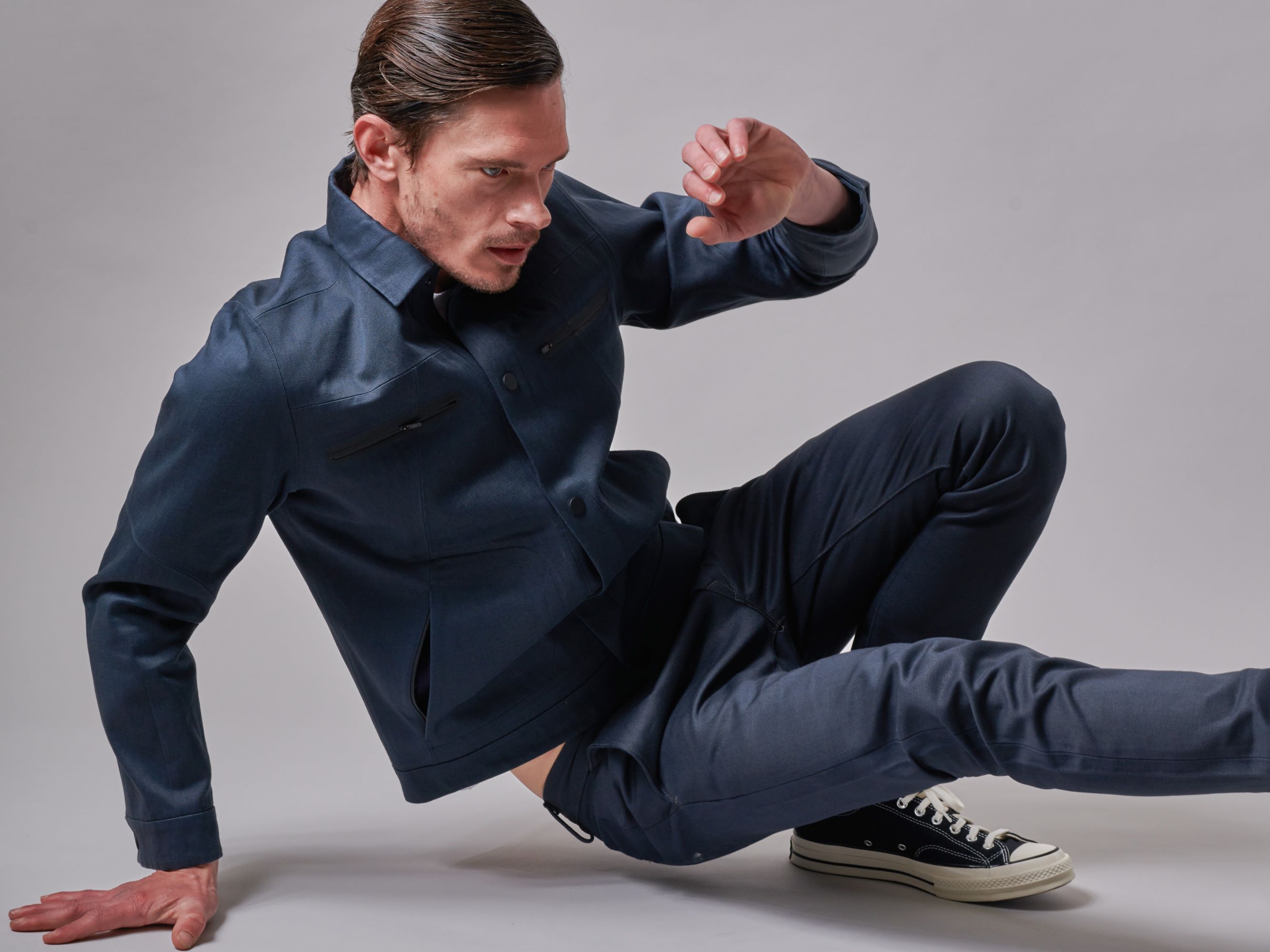


Denim has long been celebrated as a robust and sturdy fabric, perfect for creating hard-wearing workwear. Its durability, resistance to wear, and ability to mask dirt and stains make it a practical choice for anyone on the go. While traditional 100% cotton denim is renowned for its longevity—some might say it can last a lifetime—the evolution of denim into the realms of casual attire and high fashion has sparked a newfound interest in a variety of denim fabrics. Nowadays, alternative materials are being incorporated into this beloved textile, expanding the possibilities for both style and comfort. Recently, there has also been a growing interest in integrating technical textile advancements into denim.
What are technical fabrics?
Technical fabrics are specifically engineered to provide various functional properties, including UV protection, breathability, lightness, flexibility, liquid absorption, water resistance, insulation, and flame resistance, among others. These advanced features set them apart from traditional textiles, which focus primarily on aesthetics.
These fabrics are utilized in a wide range of applications, such as outerwear, workwear, sports equipment, safety gear, medical textiles, tents, and industrial purposes. The creation of technical fabrics involves the use of specialized materials and manufacturing processes, which often include synthetic fibers, coatings, laminates, and membranes.
Performance denim characteristics
Performance denim incorporates alternative materials blended with cotton to create a fabric that enhances comfort and protection during various activities. It may also involve various treatments to make fabrics water-resistant, enhance their thermal comfort, and improve their antimicrobial properties.
For instance, cotton can be blended with elastic materials to enhance stretch performance and reduce rigidity. Additionally, denim can be treated with substances that offer extra benefits to jeans. Finally, denim can be seam-taped, padded, or fitted with waterproof internal membranes to provide protection and insulation against weather elements.
Performance denim is, hence, an excellent choice for any active lifestyle, whether you’re enjoying a relaxing walk in nature, traveling around the world, or riding a scooter through urban traffic to get to work every day.
At Candiani, we are committed to innovating the denim industry. We believe that performance denim should not only outperform conventional denim but also minimize its environmental impact. That’s why we incorporate our latest sustainable innovations into performance denim and collaborate with like-minded companies to create progressive, low-impact, and high-quality products.
Stretch denim
When we think of performance denim, stretch denim immediately stands out. Introduced in the late 1970s, stretch denim revolutionized the market by combining cotton with elastane, a lightweight synthetic fiber known for its elastic capabilities. This blend is essential for creating garments that not only fit like a glove but also allow for freedom of movement.
Stretch denim quickly became popular among women as it allowed for the creation of more feminine and fitted jeans, enhancing their body shape. However, it also offers comfort, softness, and freedom of movement for everyone, which stands in contrast to traditional rigid denim, often known for its stiff and rough feel against the skin.
Premium stretch denim is one of Candiani’s signature products. In the 1980s, our stretch fabrics laid the groundwork for the burgeoning Los Angeles premium denim industry, thanks to their ability to seamlessly blend elastic performance with authentic aesthetics.
However, conventional stretch denim has significant environmental drawbacks due to the presence of synthetic elastic materials that do not decompose naturally and release pollutants. When garments reach the end of their life cycle, these synthetic fibers are often discarded in landfills or incinerated. Additionally, they can be released into the environment through washing and general wear and tear.
According to data from the United Nations Environment Programme (UNEP) in 2020, approximately 9% of the annual microplastics found in oceans come from microfibers shed by synthetic textiles. The UNEP also reports that around 60% of all clothing contains synthetic materials.
Over the last decade, we have been actively working on finding alternative solutions to traditional stretch denim to reduce its environmental impact. ReLast represents our initial step toward developing low-impact stretch denim. It incorporates an exclusive pre-consumer recycled elastomer made from leftovers of the elastane production process.
The use of this pre-consumer recycled elastomer does not compromise the properties of conventional stretch denim; it guarantees advanced stretch performance and a snug fit that retains its shape over time. Additionally, ReLast helps reduce waste in the textile industry, which is one of its primary challenges.
Following ReLast, we introduced ReSolve stretch denim, which has no negative environmental impact. It features a custom-made elastomer that breaks down in the environment without releasing harmful materials.
Finally, our efforts to create low-impact stretch denim have led to the development of the patented COREVA™ technology, which is truly groundbreaking. COREVA™ replaces conventional synthetic elastic fibers with natural rubber, resulting in the world’s first plastic-free and compostable stretch denim.
COREVA™ fabrics maintain the traditional premium quality of Candiani’s stretch fabrics, ensuring the same level of elastic performance, softness, and aesthetic appeal, along with additional benefits. Tests have shown that when COREVA™ fabrics reach the end of their life, they can decompose into compost under the right conditions. They break down in less than six months without releasing harmful substances into the soil and can even support plant germination and growth.

GRAPHITO
Our graphene-based GRAPHITO fabrics qualify as performance denim. Graphene is prized in the textile industry due to its numerous advantages: it is strong and durable, increasing the fabric’s resistance to wear and tear; it is lightweight and flexible, which allows for the creation of lightweight textiles; it acts as a thermal conductor, enhancing thermal comfort; it is moisture-wicking, which improves comfort in sportswear; and it possesses antimicrobial properties, resulting in fresher and cleaner clothing.
Our GRAPHITO denim is impregnated with G+® Graphene Plus, the purest form of graphene, patented by Directa Plus. It is produced through a waste-free process that transforms every gram of graphite into a gram of G+® without the use of chemicals or solvents. As a result, G+® is certified as safe, skin-friendly, non-toxic, and non-cytotoxic.
G+® provides thermal comfort throughout the year. Tests have shown that jeans infused with G+® maintain a lower skin temperature while achieving a higher external surface temperature. This indicates improved heat dissipation and enhanced thermal comfort for the wearer.
Additionally, G+® improves the antiviral and antibacterial properties of denim, allowing wearers to wash their jeans less frequently than conventional pairs. This leads to decreased water and energy consumption, as well as lower CO2 emissions associated with household washing.
The bacteriostatic properties of G+® are finally enhanced by our patented Kitotex® technology, which replaces traditionally used synthetic PVA with a bio-based material during the sizing process. Kitotex® boasts excellent binding and film-forming properties, significantly improving the color fullness of indigo-dyed yarns and enhancing the overall aesthetics with a polished look and feel.
Water-Repellent and Warm Denim
A broad category of technical fabrics includes water-repellent textiles. Traditionally, while denim is functional and durable, it is not the best choice for the coldest season, as it may not provide enough warmth and lacks comfort and protection from rain and other environmental factors.
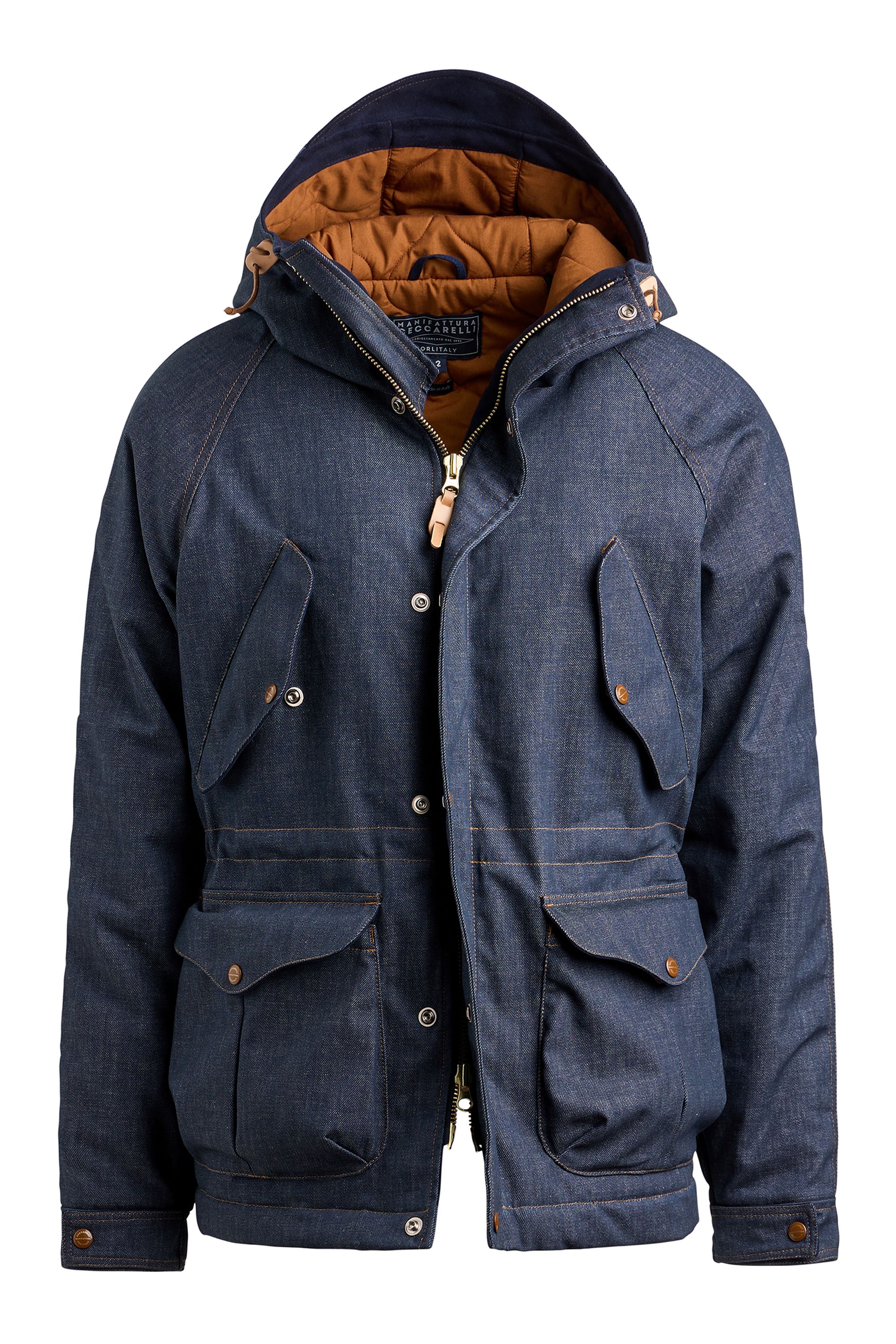
Manifattura Ceccarelli is known for reinterpreting classic outerwear with a contemporary twist and sees denim as a perfect fabric for blending tradition with sustainable innovation. This is why they partnered with Candiani and Halley Stevensons to create a collection of jackets made from water-repellent denim while preserving the traditional features and authentic aesthetics of this fabric.
The internal components of Manifattura Ceccarelli’s garments are made with exclusive materials, such as pure wool padding from sheep raised in Italy, 90% wool fur, and 100% cotton tartan fabric lining, all designed to make the jackets warm and comfortable.