
 Log into your account
 Register



Fashion is one of the most valued industries in our country, recognized globally for its tradition, quality, and innovation, with Milan serving as its symbol. Today, the Lombard capital is regarded as the Italian fashion capital and hosts one of the most important fashion weeks in the world. However, the relationship between Milan and fashion was only solidified in the 1970s, and the reason for this connection is anything but romantic: it stemmed from the presence of major Italian textile and apparel producers. Let’s explore how the industry has evolved in our country since World War II.
Italian fashion after World War II: from manufacturing centers to international success
In the 1950s, Italian fashion began to gain international recognition, and its success grew rapidly in the following decades, largely thanks to the work of influential designers like Giorgio Armani, Valentino Garavani, Gianni Versace, Krizia, Ottavio and Rosita Missoni, Gianfranco Ferré, and Elio Fiorucci, among others.
During this period, Rome was a central hub for both haute couture and the film industry, attracting many Hollywood stars who came to work with renowned filmmakers like Federico Fellini, as well as to shop in the city center.
At that time, there was no single capital of Italian fashion because various manufacturing centers had historically specialized in the production of specific items. For instance, Florence was known for leather goods, Biella for silk, and Naples for tailored clothing. Cities like Milan, Florence, and Rome hosted dedicated exhibitions showcasing their fashion industries.
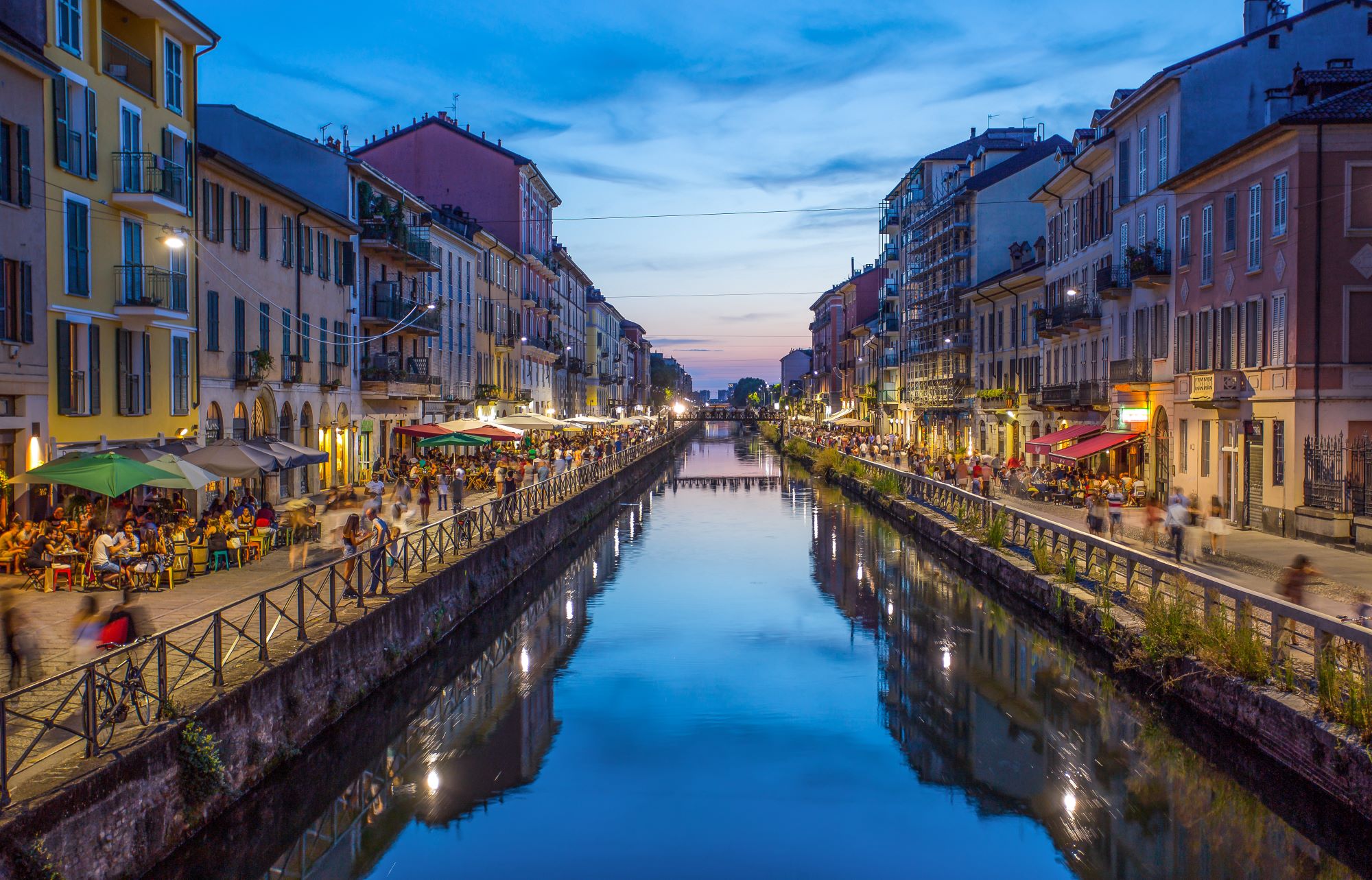
Florence, 1951: how Giovanni Battista Giorgini organized the first Italian fashion show
Everything changed on February 12, 1951, when entrepreneur Giovanni Battista Giorgini, known as the “father of Italian fashion,” organized the first fashion show in Italy at Villa Torrigiani in Florence. He drew inspiration from the 1943 New York Press Week. Eleanor Lambert, the PR Director at the New York Dress Institute, had conceived the idea for this inaugural fashion week due to the impossibility of traveling to Paris, which at that time dominated the global fashion scene, during the war. The primary goal of the event was to showcase collections, import textiles and clothing, and support local manufacturers.
Giorgini recognized that fashion could serve as a powerful tool to reshape Italy’s image in the eyes of the world after World War II. Initially, he intended to organize an Italian haute couture show in the United States, but when the B. Altman & Co. department store declined due to high costs, he decided to host the event at his own venue.
February 12 was not a random date; it fell just after the Paris fashion shows, when the international press and buyers were already in Europe. Renowned designers such as Emilio Pucci, Salvatore Ferragamo, and the Fontana sisters, along with the emerging Valentino Garavani, participated in this “first Italian haute couture show.”
Although Italian fashion week relocated to Milan two decades later, Florence remains a significant city in the industry. Since 1972, it has hosted Pitti Uomo, one of the world’s leading events for men’s fashion. Rome also continues to be a focal point for Italian fashion, hosting a week dedicated to haute couture, featuring tailor-made clothing and the finest fabrics and treatments.
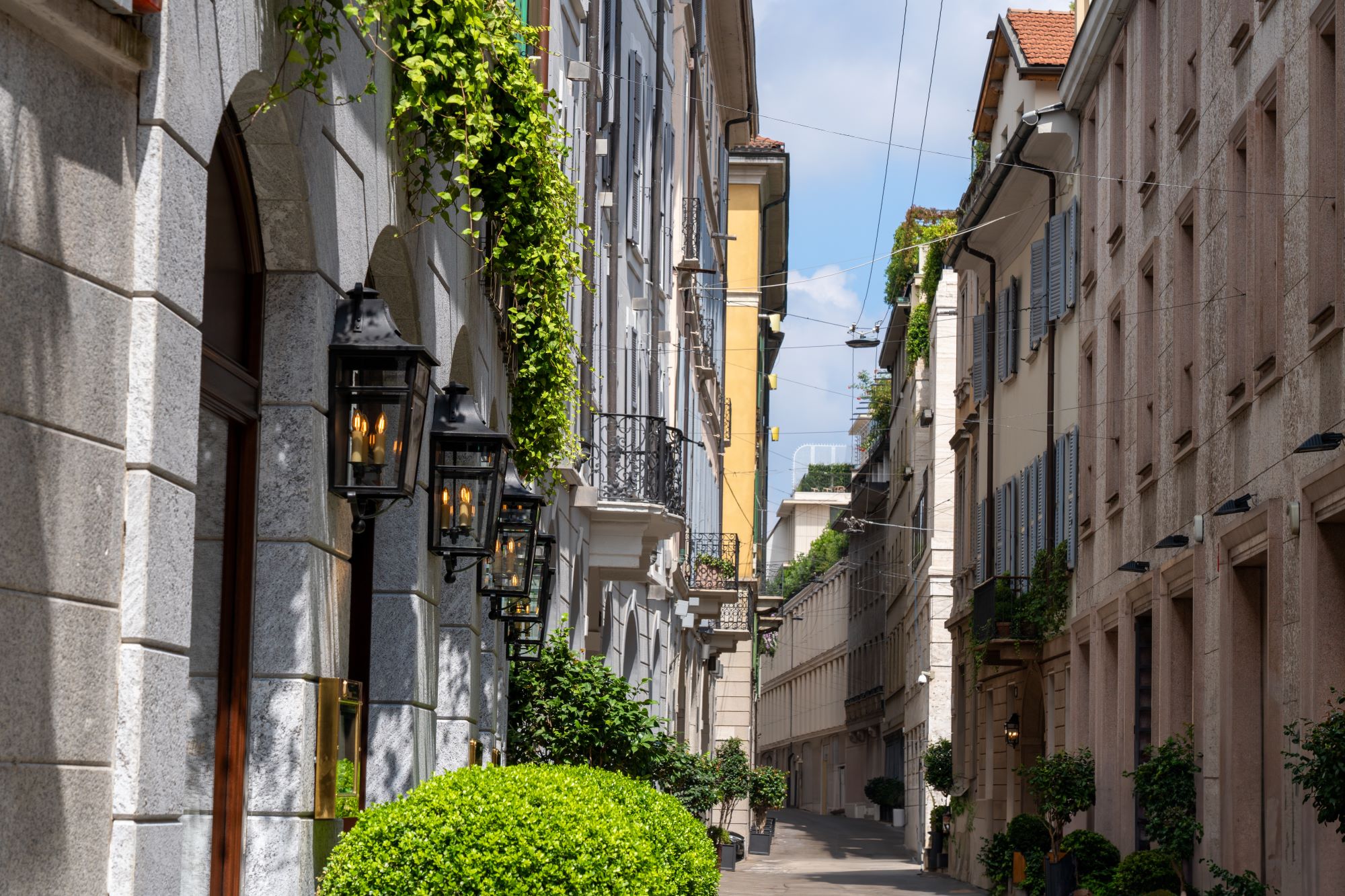
How Lombard textile manufacturers made Milan the Italian fashion capital
Milan became a significant center for fashion at the end of the 1950s. In 1958, the Union Chamber of Fashion was established, now known as the National Chamber of Fashion. This organization serves as a type of association for companies in the industry. The choice of Lombardy as the location was strategic, as many textile manufacturers were based there. In 1962, Vogue Italia began its publication in Milan. The presence of leading Italian editors also contributed to the city’s success during a time when fashion was evolving into a cultural product, and Milan had the necessary resources to promote it effectively.
However, the fashion industry and the methods of apparel production experienced a fundamental shift in the 1970s, moving from tailor-made clothing to the “prêt-à-porter” or ready-to-wear concept. Once again, many manufacturers were located in Lombardy, the most industrialized region in Italy.
In 1975, designer Walter Albini, one of the first to embrace this new fashion concept, relocated his fashion show from Florence to Milan. This pivotal decision led to the establishment of Milan Fashion Week and featured a complete collection that included his designs for shoes, accessories, and bags. Four out of the five production companies for his line were based in Lombardy, making the move to Milan a convenient option. The following year, many prominent Italian designers followed Albini’s lead, including names such as Giorgio Armani, Krizia, Gianni Versace, and Franco Moschino. They also relocated their headquarters to Milan.
Today, approximately 40 cities around the world host fashion weeks, but the most renowned locations, where the most prestigious international names showcase their work, remain Milan, Paris, London, and New York.
Candiani and Milan, a lasting bond and a parallel evolution
Candiani, founded in 1938 in Robecchetto con Induno near Milan, has closely followed the entire evolution of Italian fashion, evolving in parallel. Originally a producer of workwear fabrics, we have transitioned to premium denim and collaborated with renowned brands such as Armani, Prada, Etro, Dolce & Gabbana, Trussardi, Loro Piana, Zegna, Valentino, Gucci, Versace, Off-White, Heron Preston, and Palm Angels. To work with these prestigious names, it is essential to stay ahead in style proposals, consistently maintain high quality, and innovate fabrics not only to meet designers’ demands but also to anticipate them.
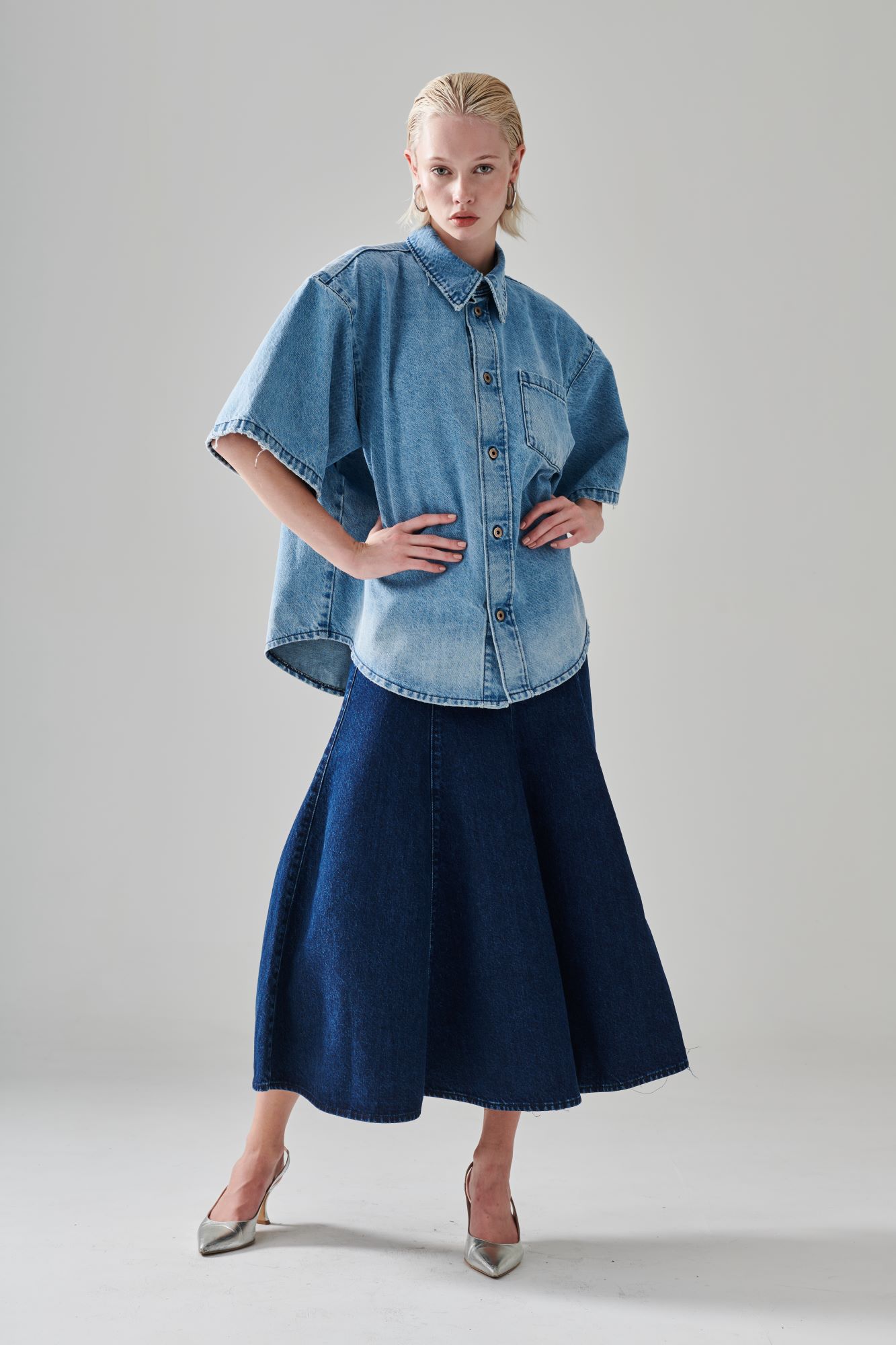
Milan Fashion Week SS 2026: many debuts for the novelty factor
The Spring-Summer 2026 Milan Fashion Week, the first without Giorgio Armani, is coming to an end. Interestingly, both industry professionals and the general public seem more captivated by the attendees and their outfits than by the fashion shows themselves. Who could forget Meryl Streep dressed as Miranda Presley and Stanley Tucci at Dolce & Gabbana? However, this season’s Milan Fashion Week was notable for a significant number of debuts.
The prevailing idea is now that novelty drives public interest. This includes the first fashion show of a brand or a change in creative direction. As fashion has evolved into a form of entertainment, it increasingly demands something new to pique curiosity.
In recent years, creative directors have taken center stage, while established fashion houses have shifted away from their traditional approaches and now operate like a continuous transfer market for directors: for example, Pierpaolo Piccioli recently left Valentino to join Balenciaga, while Alessandro Michele took over at Valentino following a long tenure at Gucci.
Among the highly anticipated debuts in September 2025 on the Milanese runways and at private events were Demna for Gucci, Louise Trotter for Bottega Veneta, Simone Bellotti for Jil Sander, and Dario Vitale for Versace, marking Donatella’s departure from creative direction after 28 years. Additionally, several new brands gained significant attention, including Knwls, Dhruv Kapoor, Pierre-Louis Mascia, and Victor Hart. What can we expect to see in Paris next week? We can’t wait to know!