 Log into your account
 Register




If you’ve ever wondered what makes a pair of jeans ethical, this sustainable denim guide is a great place to start. Behind every garment lies a chain of choices—where cotton is grown, how fabrics are dyed, and who makes it. Ethical denim brings awareness to these choices. It means fair labor, reduced water and chemical use, and a commitment to circularity. Ultimately, it’s about wearing jeans that look good, feel good, and do good—for both people and the planet.
What makes denim ethical?
Answering the question of what constitutes ethical denim is complex, as it involves several factors beyond just production methods. However, ethical denim prioritizes environmental responsibility and fair labor practices.
Here are some key factors to consider:
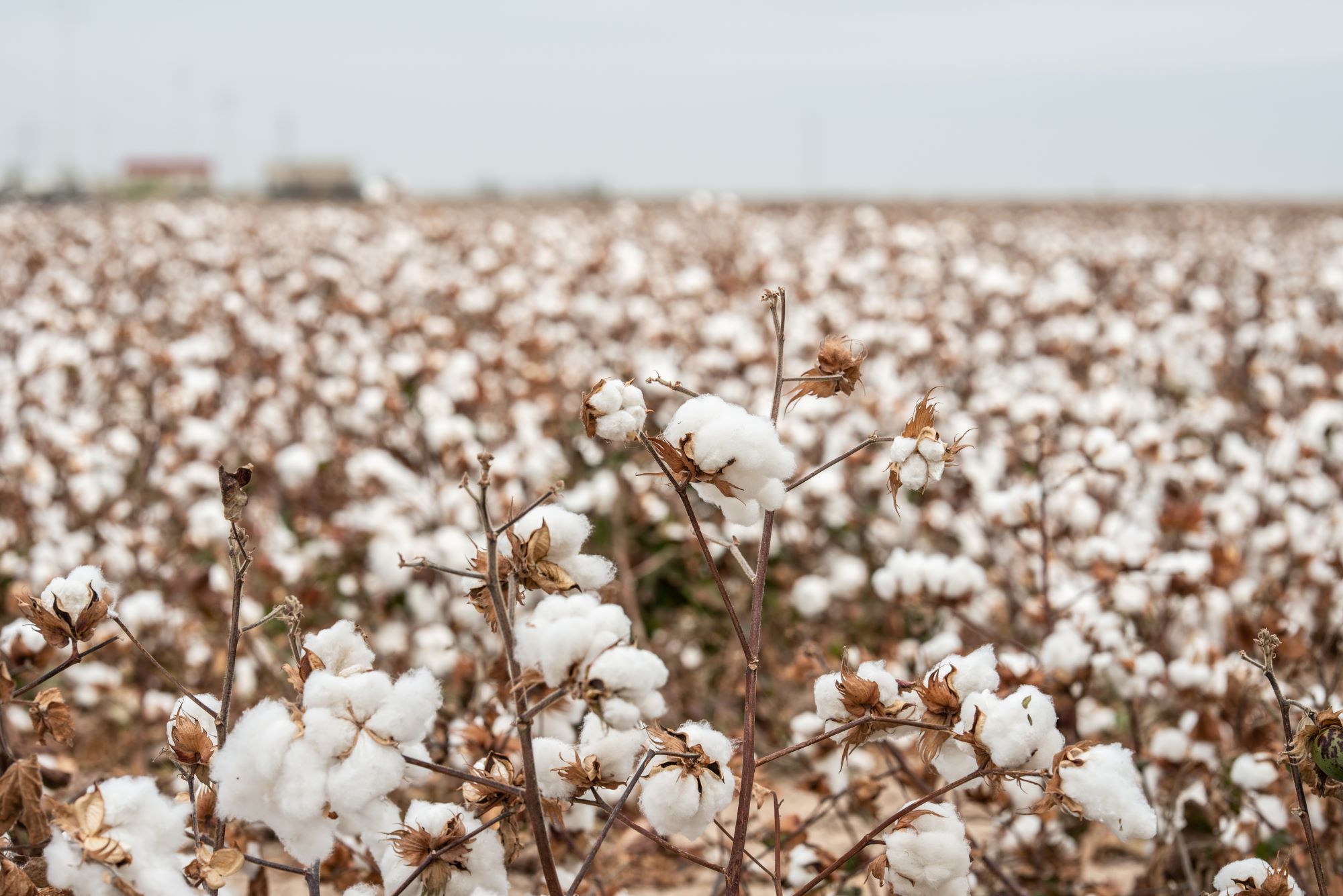
- Sourcing of raw materials: sourcing raw materials as close to the production site as possible lowers their carbon footprint. Additionally, selecting preferred fibers can significantly reduce environmental impact compared to conventional options.
- Water, chemical, and energy savings: using technology and equipment that minimize resource consumption or substitute hazardous chemicals with safer alternatives reduces the denim industry’s carbon footprint and mitigates the risk of harmful substances being released into the environment. This approach should also be applied to the finishing process of jeans, which often involves industrial laundering to achieve the desired aesthetic and feel.
- Waste management: minimizing waste generated at every stage of the jeans’ lifecycle is essential. Any waste produced should be reused or recycled whenever possible, and ultimately disposed of responsibly.
- Workers’ rights and working conditions: workers should receive fair wages and work in safe, healthy environments for reasonable hours.
Overproduction also poses a significant challenge. Simply adhering to strict environmental and social standards in production is not enough; manufacturers and brands must also avoid overproduction, as surplus fabrics contribute to the vast amount of textile waste generated globally.
After denim is manufactured, selling products as close to their production site as possible can reduce transportation emissions. To promote sustainability, denim should be durable to extend garment lifespan and reduce the need for frequent replacements. Finally, we must consider the end-of-life phase for denim. Utilizing recyclable, biodegradable, or compostable materials gives denim a new life, reducing the demand for new raw materials and minimizing textile waste, in line with the principles of a circular economy.

Certifications to look for
If you’re wondering how to buy ethical jeans, start by checking for certifications. Many certifications exist today to ensure that products and processes comply with specific environmental and social standards.
Look for certifications related to raw materials, such as organic, regenerative, or recycled cotton. The most recognized certification for organic cotton is the Global Organic Textile Standard (GOTS), which requires that at least 70% of the fibers are organic and that strict environmental and social criteria are met throughout the supply chain. Similarly, the Global Recycled Standard (GRS) verifies that products are made from recycled materials, ensuring transparency and traceability in the recycling process while addressing environmental and social standards. For regenerative cotton, we choose to work with regenagri®, which focuses on farming practices that prioritize soil health, biodiversity, carbon sequestration, and community well-being.
The OEKO-TEX® Standard 100 is another important certification that guarantees textiles do not contain harmful substances. This certification applies to all production stages, from raw materials to finished products, ensuring the absence of substances that could be hazardous to human health. Products bearing this certification are safe for consumers.
Additionally, check whether a company holds certifications such as ISO 9001 (quality), ISO 14001 (environmental), ISO 45001 (safety), and SA 8000 (social accountability). ISO 14001 helps organizations enhance their environmental performance and manage resources effectively. SA 8000 emphasizes social responsibility and ethical working conditions, aiming to improve labor practices in global supply chains by addressing issues such as child labor and forced labor, particularly in regions with weak labor rights protections. ISO 9001 ensures manufacturers maintain defined processes for producing high-quality goods, which is essential for textile companies looking to improve customer satisfaction. ISO 45001 focuses on occupational health and safety, guiding organizations in risk management and continuous improvement.
Why supply chain matters
The lack of traceability and transparency in the fashion supply chain is a major challenge in our industry, as ethical denim cannot exist without them. With numerous suppliers and operations often shifted to low-cost countries, understanding the full supply chain becomes difficult. Long, complex chains filled with intermediaries make it hard to track products.
Traceability plays a vital role in addressing social, environmental, and economic issues. Its key benefits include:
- Quality assurance, ensuring high product standards
- Identification of labor issues, promoting fair practices
- Monitoring environmental impacts to enhance sustainability
- Building consumer trust and loyalty through commitment to transparency
- Strengthening supplier relationships for improved efficiency
- Aiding regulatory compliance
Reestablishing shorter supply chains can enhance traceability and transparency by reducing complexity, increasing visibility, fostering stronger producer-consumer relationships, and facilitating the implementation of tracking technologies. Short supply chains emphasize close proximity between producers and consumers. This closeness is both geographical, which helps reduce the carbon footprint of products, and pertains to a limited number of intermediaries. This setup minimizes the risk of miscommunication and ensures high quality through comprehensive oversight.
Why Candiani makes the cut
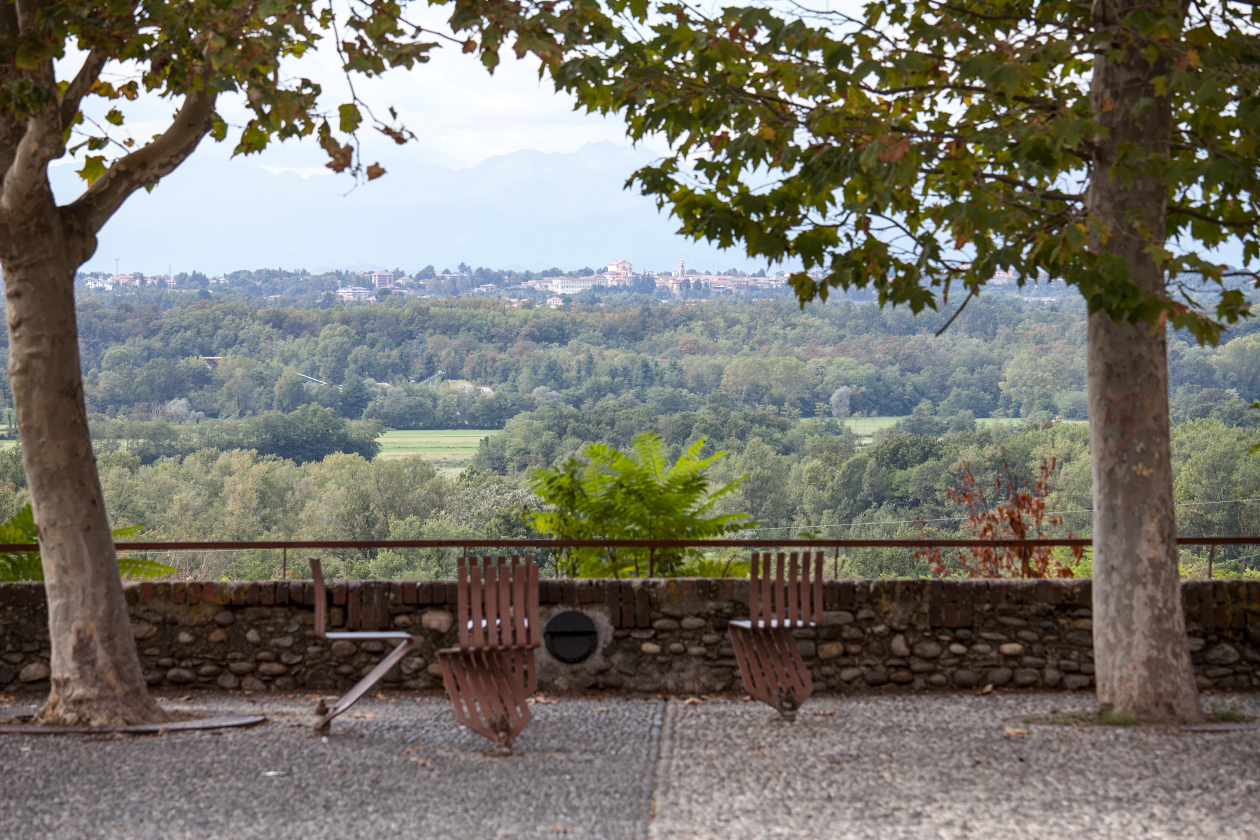
We are deeply committed to reducing the environmental impact of the denim industry. Our manufacturing process is guided by the 3R approach: reduce, reuse, and recycle. This philosophy has been integral to our operations since it was initially viewed as a means of industrial efficiency and has now become a hallmark of sustainability. Furthermore, since our location became Italy’s first natural protected area, Parco del Ticino, in 1974, we have significantly increased our investments and efforts to safeguard the environment, its wildlife, and our community.
In addition to our made-in-Italy production, innovation and sustainability are core values for us. We consistently strive to improve our products for people and the planet, without compromising aesthetics or performance. We actively validate the impact of our advancements through rigorous testing and certifications. Furthermore, we prioritize traceability and transparency by collaborating with trusted partners and suppliers who share our principles, and we openly communicate the details of our supply chain.
Our innovations primarily target the B2B sector, focusing on enhancing manufacturing processes and improving our fabrics. However, the ultimate consumers—those who wear our denim—are equally important to us. That’s why, a few years ago, we ventured into the B2C market with Candiani Custom, which aims to bring our denim production approach to jeans production. This initiative is designed to help a wider audience appreciate the value of our fabrics and encourage them to seek out brands that use our denim worldwide.
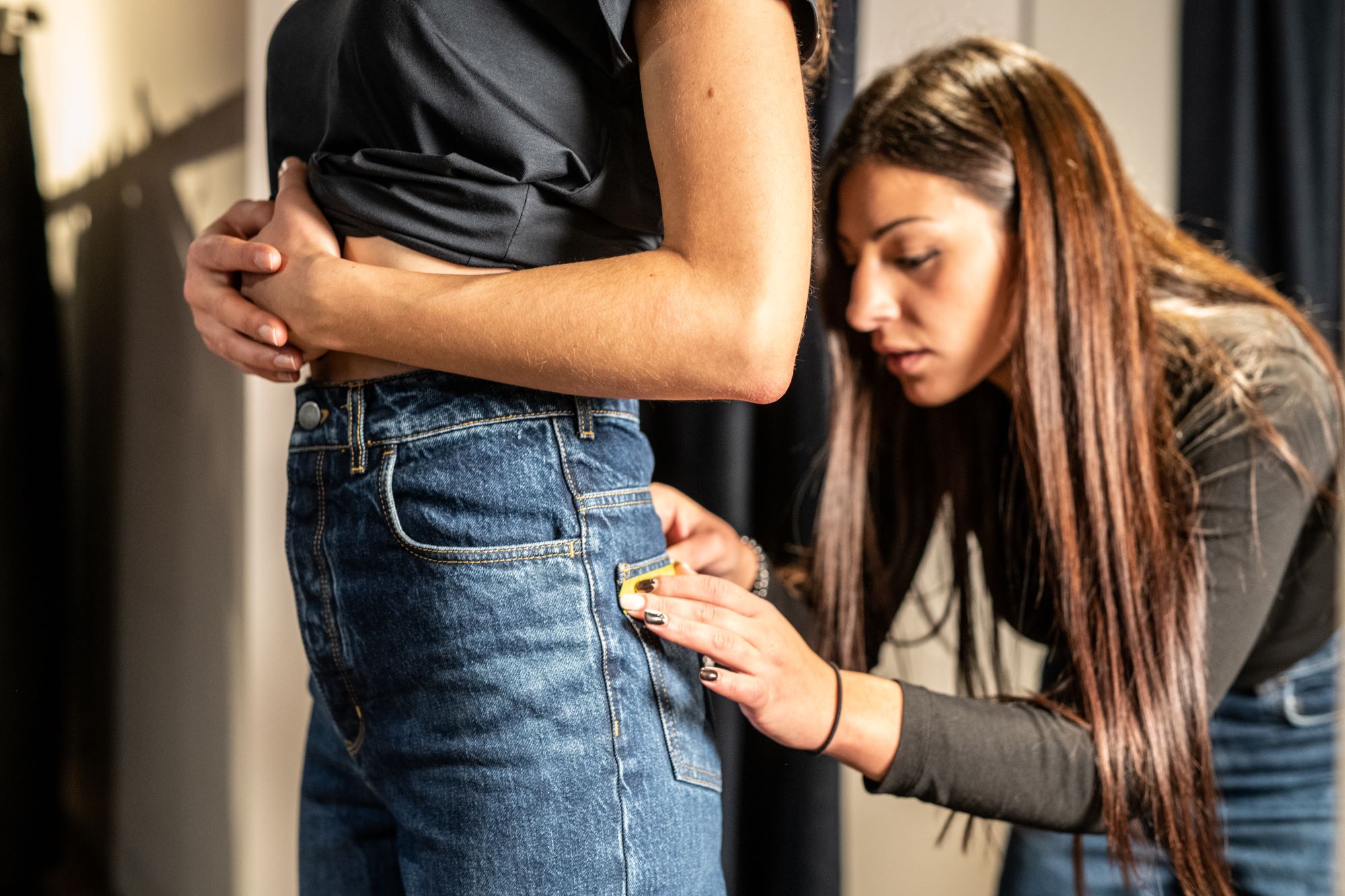
Candiani Custom is the first urban micro-factory dedicated to producing made-to-measure jeans, located in the heart of Milan. Our garments are created on demand to eliminate overproduction and deadstock, and they are consumed close to where they are made. Additionally, all machinery and materials—whether recycled, recyclable, biodegradable, or compostable—used in the production of our jeans come from trusted Italian companies. This guarantees traceability, transparency, and a short supply chain of just 238 kilometers.