 Log into your account
 Register



The topic of how to wash jeans remains widely discussed in 2025. While some people still recommend putting them in the freezer (which can help kill bacteria but doesn't replace washing), it's important to note that you don't have to completely avoid water to clean denim. Instead, you should follow some best practices. Read on to discover the best way to clean your denim.
Should you wash jeans?
Washing jeans largely depends on personal habits and preferences, but a good general guideline is to wash them sparingly and infrequently. Unless they have visible spots or begin to smell, they typically do not require cleaning. This is especially true for raw denim, which hasn’t been washed in an industrial laundry environment and comes almost straight from the loom to your closet.
Denim is a unique fabric for several reasons, especially due to its rich heritage. The original denim, which was used at the end of the 19th century to create durable workwear, was untreated and raw. As it was worn over the years for hard labor, the indigo dye would naturally fade with use, influenced by specific activities. This created a vintage aesthetic that made each pair of jeans distinctive.
However, this natural fading process diminished as jeans transitioned from pure workwear to a fashionable item. Jeans became just another garment in people’s closets, and few had the time to wait for the indigo to fade naturally to achieve the beloved denim look. Consequently, brands began to expedite this process through industrial washing, which removes indigo from jeans and other denim garments after they have been cut and sewn. This method creates vintage and worn effects while also making the fabric softer and more comfortable to the touch.
Best practices for cleaning denim
When the time comes to wash your jeans, there are some best practices you can follow to maintain their appearance. Start by preparing a clean basin for hand-washing them, and follow these simple tips for washing jeans.
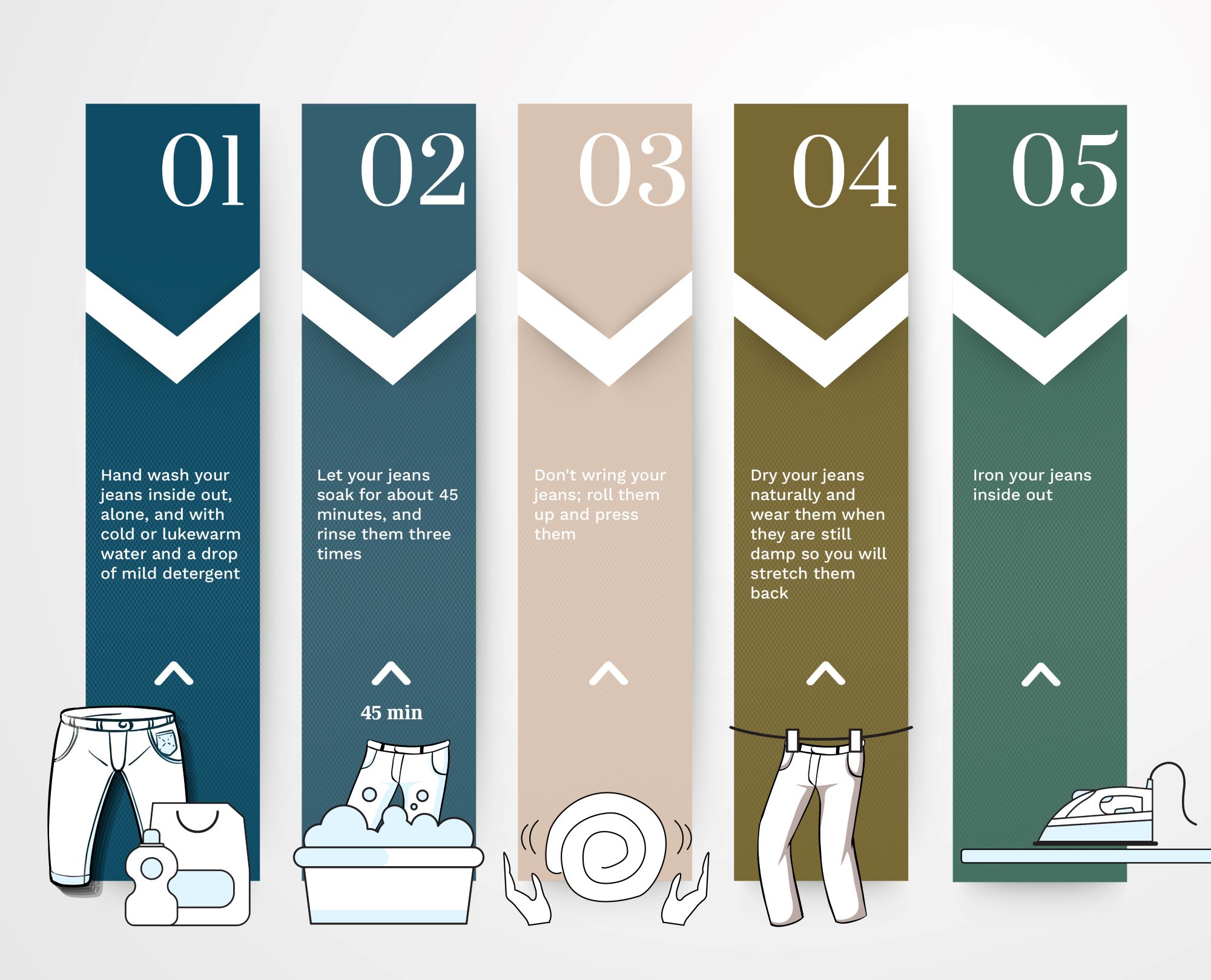
First, fill your basin with cold or lukewarm water. Be mindful not to use too much detergent, as this can actually make your jeans dirtier. Turn the jeans inside out to protect the color, then fully submerge them in water and let them soak for 45 to 60 minutes. It’s normal for your jeans to bleed some indigo during their first few washes, so don’t be alarmed if the water turns a slightly darker color. Alternatively, you can soak your jeans in a basin with vinegar and a small amount of fabric softener for a few minutes, then gently brush them to remove dead skin cells. After soaking, rinse your jeans twice or thrice with clean water to remove all dirt and detergent.
An innovative and sustainable method for cleaning denim involves using ozone, which prevents indigo from fading and conserves water. We employ ozone to clean jeans at our Candiani Custom micro-factory in Milan. If you live nearby, feel free to stop by; we’ll be happy to take care of your denim!
Washing machine vs. hand washing
The unique nature of jeans requires hand washing. While tossing garments into a washing machine is often easier, denim needs a gentler approach. Machine washing can cause jeans to shrink and lose their color unnaturally and uniformly. However, there are some important differences between raw and pre-washed denim. While raw denim should always be hand-washed, pre-washed denim can be machine-washed cautiously. To protect the color of your jeans, turn them inside out before washing them. Ensure that you close all zippers and buttons to help maintain their shape. Use a mild detergent and cold water, and select the gentlest cycle on your washing machine to prevent fabric damage.
Additionally, we must consider the environmental impact of frequent domestic machine washing. According to the “Levi Strauss & Co Life Cycle Assessment 2015,” Europeans typically wash their jeans every 2.5 wears. This results in the consumption of approximately 659 liters of water, 61.2 kilowatt-hours of energy, and 11.17 kilograms of CO2 emissions for home washing. Levi’s® suggests that if you wear your jeans at least ten times before washing them, their environmental footprint linked to domestic washes can potentially decrease by up to 75%.
How to dry and store your jeans
Drying your jeans correctly is just as important as washing them properly. After washing, remove excess water by rolling your jeans up and pressing them—avoid wringing them out. Instead of using a dryer, let your jeans air dry. If possible, hang or lay them outside in a shaded area to allow fresh air to circulate, or you can let them drip while hanging in the shower or on a towel.
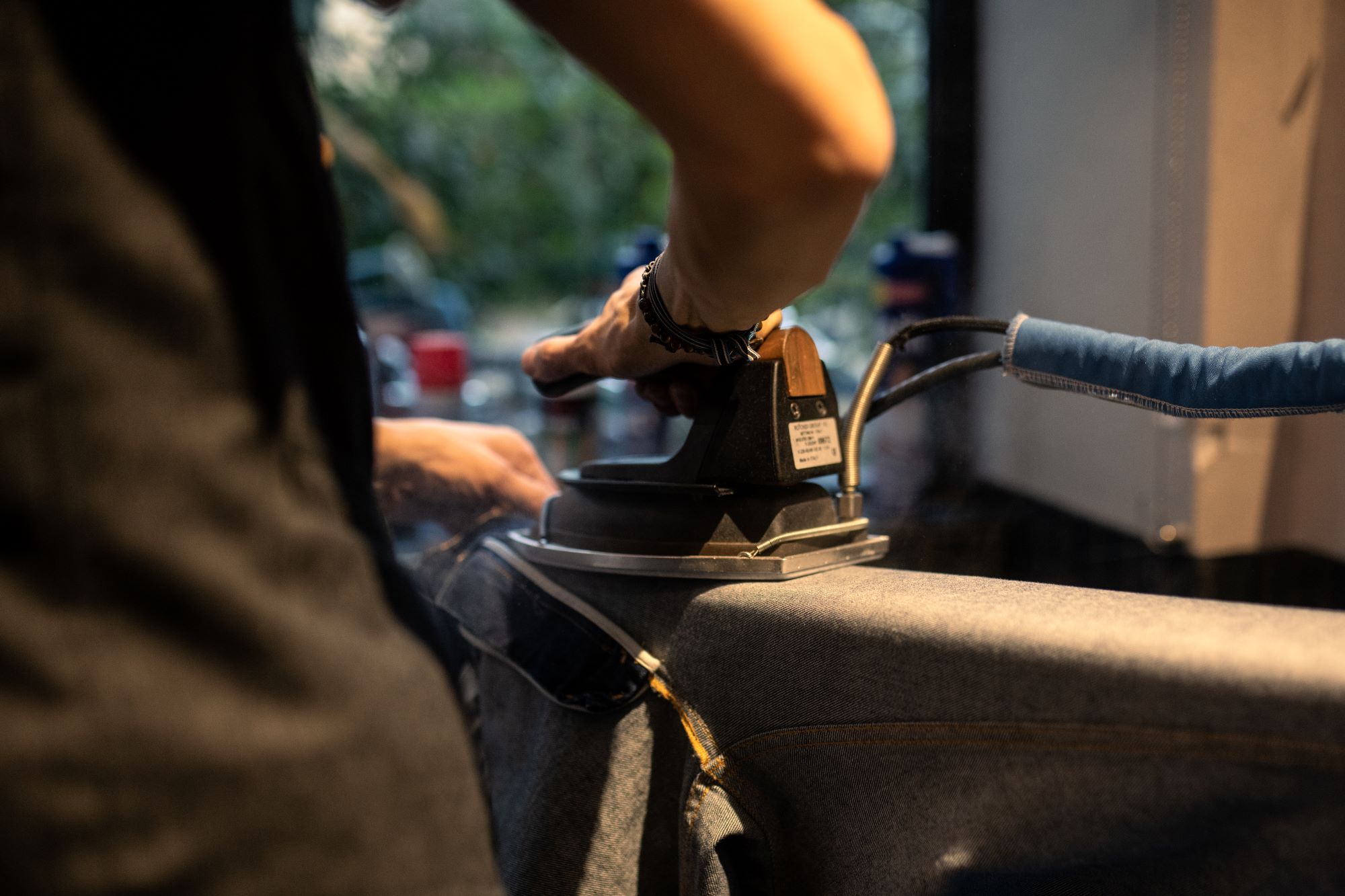
Next, put your jeans back on while they are still damp. This will help them stretch back to their original fit after washing. Please note that rigid denim may shrink slightly after the initial wash. Once they are mostly dry, iron your jeans inside out. A good approach is to start with the pocket lining, move on to one leg at a time, and finish with the waistband. For 100% cotton denim, use a high-heat setting with steam; for stretch denim, set your iron to a cooler temperature. You may also want to place a cloth over your jeans to protect the fabric while ironing.
Finally, proper storage techniques are essential for maintaining the quality of your jeans. Because jeans are durable, you can store them either by hanging or folding them, depending on your preference. For best results, fold your jeans along the seams to help maintain a crisp appearance. However, due to the thick fabric, folding is unlikely to create noticeable creases. If you prefer to hang your jeans, simply fold them over a hanger for an effective storage solution.