 Log into your account
 Register




Italy is renowned for its fashion, and although people are increasingly questioning the origins of their clothing, the “Made in Italy” label still carries a legacy of artisanal quality and an appreciation for elegance that is difficult to find elsewhere. The denim industry is no exception, showcasing a rich heritage of creativity and innovation that continues to be valued by many experts in the field.
Italy’s role in the denim supply chain
The true predecessor of modern denim originated in Italy, drawing on the medieval fustian tradition, which was woven in regions such as Lombardy, Piedmont, and, eventually, Liguria. From the bustling port of Genoa, this fabric was exported across Europe and to the United States, where it evolved into the garment we recognize today.
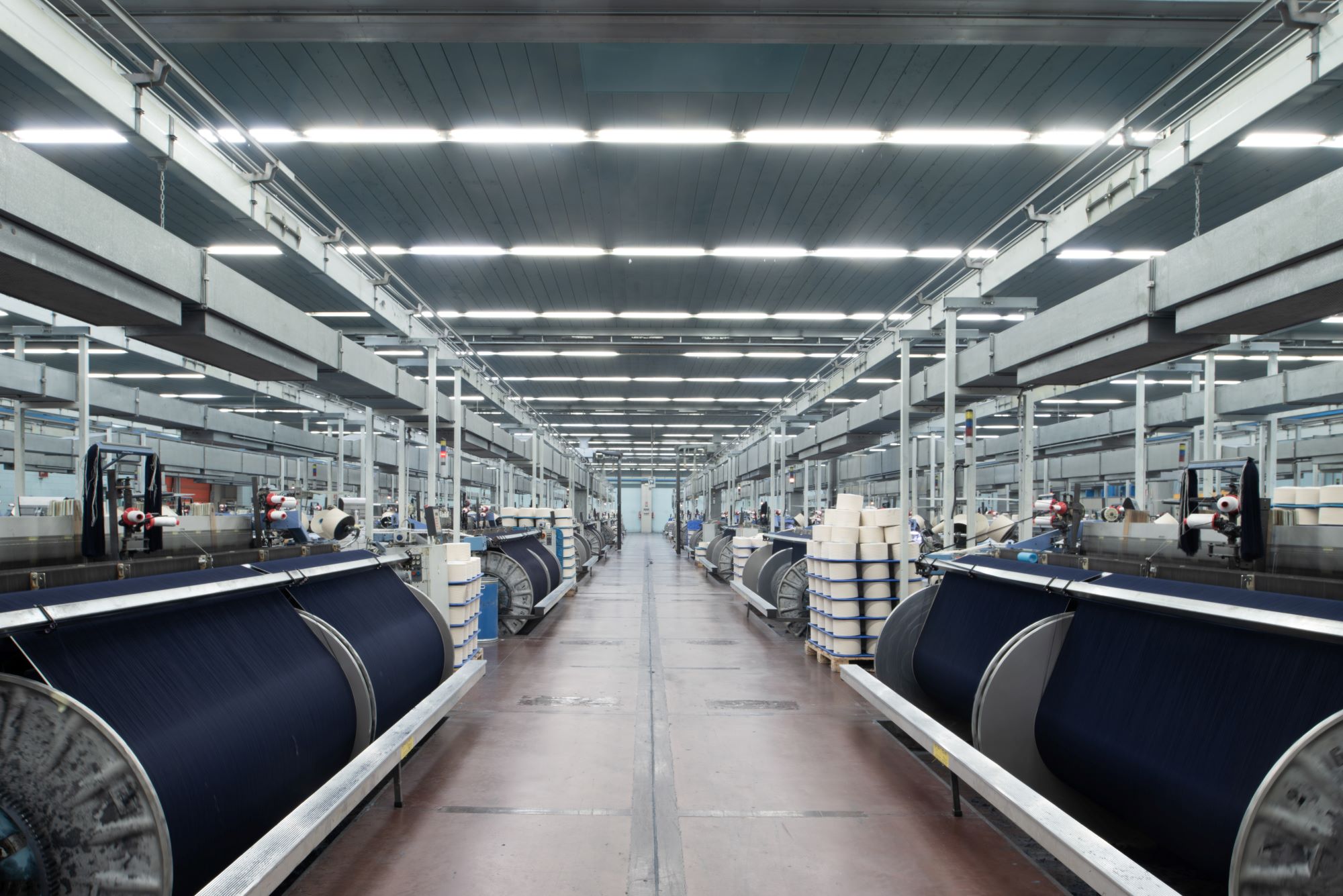
While denim production has largely shifted to the East over the last few decades, Italy still boasts a long-standing tradition of manufacturing denim, alongside a rich textile heritage across various fields, such as silk production in Como and wool production in Biella. According to Euratex, Italy is the largest contributor to the textile and clothing industry in the European Union.
Interestingly, Italy’s denim market can still handle a wide range of production steps, from fabric creation to jean finishing. The most famous denim district is likely located in Veneto, where many renowned Italian jeans brands are based. However, the Marche region also hosts a significant textile district with numerous garment manufacturers specializing in sewing jeans for third parties, and Lombardy, home to Candiani, has a strong legacy in denim fabric production.
Made in Italy and premium fabric perception
As many consumers begin to question the true value of the luxury industry, the “Made in Italy” label continues to symbolize a culture and a manufacturing approach that transcends mere product origin. In the fashion industry, it represents a rich heritage of craftsmanship, creativity, and sophisticated taste, embodying excellence rooted in quality, passion for elegance, and attention to detail rather than simply in high prices. However, this perception extends beyond fashion to other sectors, particularly food.
The “Made in Italy” narrative in the fashion industry began to take shape after World War II, as Italy gained recognition for its unique style and craftsmanship in luxury clothing and accessories. Giovanni Battista Giorgini, often referred to as the “father of Italian fashion,” was among the first to recognize that fashion could be a powerful tool for reshaping Italy’s image following the devastation of the war.
On February 12, 1951, Giorgini organized the first Italian fashion show at Villa Torrigiani in Florence, inviting international buyers and press who were already in Europe for the previous week’s Paris fashion shows. At that time, Paris dominated the fashion scene, but during the 1950s and 1960s, Italian producers also began exporting high-quality goods to international markets, solidifying Italy’s position as a leading global player in the fashion industry.

Innovation beyond heritage
Heritage is often the first thing that comes to mind when considering Italian textile production. A key feature of Italian textile manufacturing is indeed the transmission of skills from one generation to the next, typically within a specific region. This practice ensures consistency and helps preserve traditional knowledge. However, each new generation has the opportunity to introduce innovative elements that align with contemporary trends. As a result, age-old techniques are frequently combined with modern technologies.
In 2025, Italian companies and inventors submitted 4,767 patent applications to the European Patent Office. Italy ranked 10th worldwide and 4th in the European Union in patent applications. This data demonstrates that our country not only draws from its rich heritage but is also brimming with fresh ideas.
Additionally, the EU’s Strategy for Sustainable and Circular Textiles, which aims to transition to a circular economy for a cleaner, more competitive Europe, is intended to foster innovation and stimulate economic growth in the European textile sector to meet its objectives. According to the European Parliament, this shift could create as many as 700,000 new jobs in the EU by 2030.
Sustainability as a market driver
In today’s world, where environmental and social challenges are more pressing than ever, true innovation can only be achieved through sustainability. According to the European Environment Agency, textile consumption in the EU in 2020 generated the third-highest impacts on water and land use, as well as the fifth-highest levels of raw material consumption and greenhouse gas emissions. Globally, the textile sector is the third-largest employer; in 2020, nearly 13 million full-time equivalent jobs in the supply chain supported the production of clothing, textiles, and footwear consumed only within the EU-27. However, most of this production occurs in Asia, where low production costs often compromise workers’ health and safety.
Once considered a niche-market concern, sustainability has now become a significant issue for a wider audience. It is also increasingly mandated by evolving European legislation. Europe has some of the strictest laws globally regarding environmental and social responsibility. According to the Global Rights Index 2025, Europe is the least repressive region for workers. Additionally, institutions are implementing a coordinated strategy for the textile industry to establish design requirements, enhance traceability, hold producers accountable across the entire product life cycle, restrict the export of textile waste, and promote circular business models. However, it’s important to remember that a “Made in Italy” label and similar claims do not guarantee sustainability, as a product’s origin alone is not enough to ensure it was produced ethically or responsibly.
Italy has a long history of adopting similar responsible practices, such as textile recycling, with specialized hubs dedicated to giving new life to fibers and fabrics that would otherwise become waste. While these efforts were initially focused on industrial efficiency, they now align with the EU’s goal of minimizing incineration and landfill use. Despite this potential, however, only about 1% of the material in clothing is recycled into new garments, according to the European Commission and other official EU sources.
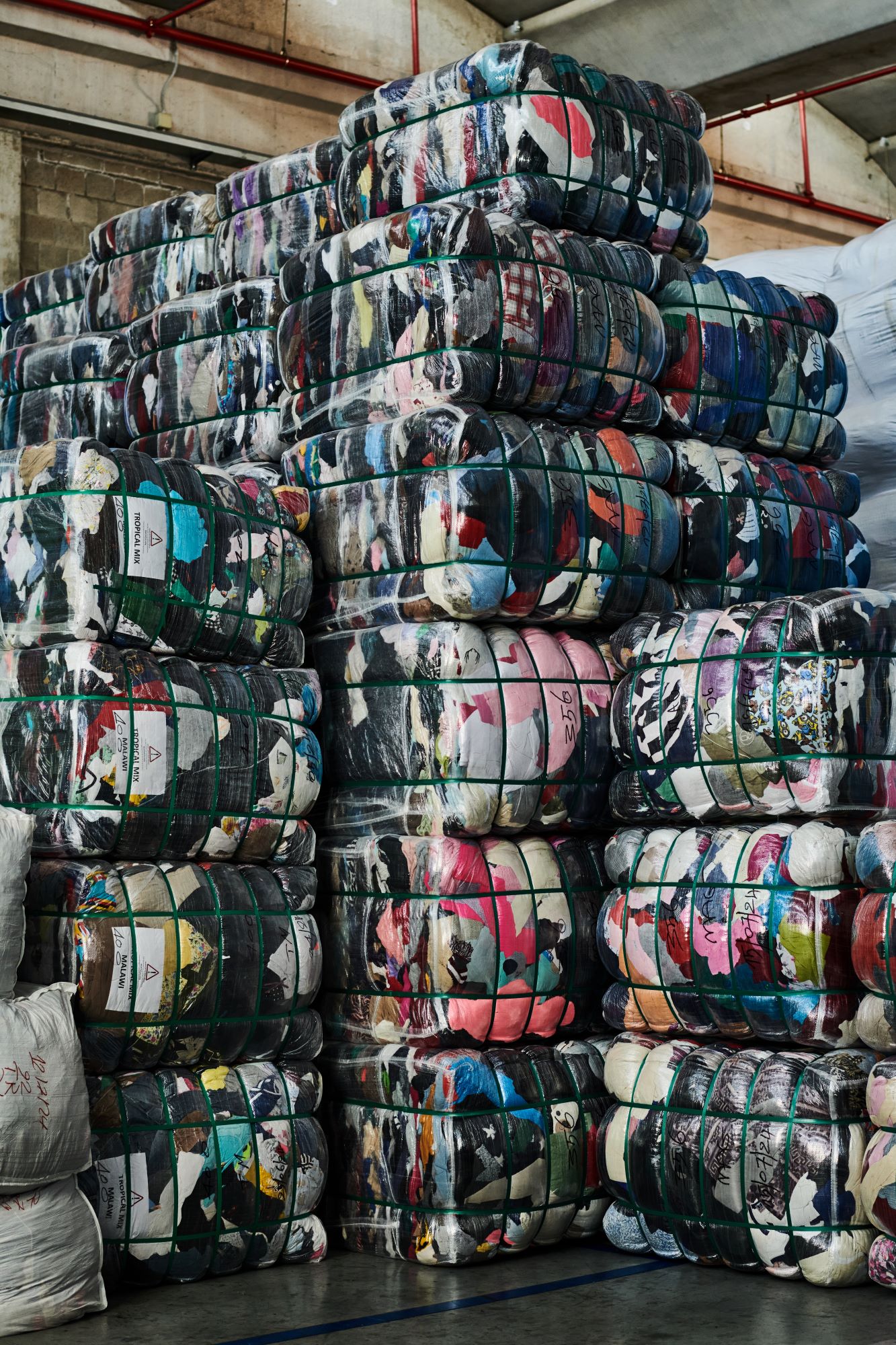
Humana People to People Italia’s headquarters.
Why fashion brands source Italian denim
In an industry that is primarily driven by price, attention to detail, craftsmanship, and ethical practices are often overlooked. However, Italian denim offers a compelling narrative. This story is rooted in heritage, knowledge passed down through generations, and innovation, beginning in the 16th century with the bustling port of Genoa and the clothing worn by sailors and port workers, and progressing to the runways of Milan, the fashion capital of Italy, home to some of the world’s most renowned haute couture brands.
Today, Italy’s premium denim is recognized worldwide for its exceptional quality, deep-rooted heritage, and innovative manufacturing techniques. This reputation extends beyond denim to the entire Italian textile industry. “Made in Italy” denim has become a symbol of luxury and quality, enhancing the value and reputation of the final garment through the superior craftsmanship often associated with Italian manufacturers. Furthermore, as we have seen in the previous paragraphs, many brands and designers prefer Italian fabrics because they are produced in a region that meets stringent social and environmental standards and is also highly innovative.
One of the strengths of the Italian manufacturing system is also the presence of specialized districts where key players often collaborate. This integrated ecosystem, based on proximity, allows brands to transition from concept to finished product more quickly than in more global hubs and provides greater flexibility for adjustments if needed. Additionally, local sourcing facilitates rapid issue resolution and reduces reliance on fragmented international supply chains.
How Italian denim can compete globally
Nowadays, manufacturers worldwide often compete by offering the lowest prices; however, research indicates that Italy’s reputation for craftsmanship and premium textile manufacturing remains strong, and these qualities are increasingly associated with innovation and sustainable practices. That’s why Italian denim should continue to emphasize its traditional values.
While price-based production models typically require high volumes and significant standardization—since setting up production lines is one of the most costly steps in the process—alternative manufacturing systems can offer greater customization and flexibility. This is especially true when these systems utilize short supply chains involving only a few players located close to one another.
Additionally, the EU’s Strategy for Sustainable and Circular Textiles highlights that textile consumption has, on average, the fourth-highest environmental and climate impact, following food, housing, and mobility. To address this issue, the strategy emphasizes that “fast fashion is out of fashion.” The European Commission’s vision for textiles by 2030 aims to ensure that all textile products sold in the EU market are durable, repairable, recyclable, largely made from recycled fibers, free of hazardous substances, and produced with respect for social rights and the environment. This initiative should help establish a more competitive, resilient, and innovative sector in the region.
Immediate institutional action cannot be delayed any longer, as Euratex highlights. The textile sector has experienced negative results in all key areas—production, turnover, and employment—for the third consecutive year in 2025, indicating a persistent decline in competitiveness across Europe. However, Europe cannot afford to lose its textile industry and its long-standing heritage. This industry extends beyond fashion to support other essential value chains, including healthcare, defense, mobility, construction, and agriculture, and is integral to European identity and craftsmanship.