 Log into your account
 Register



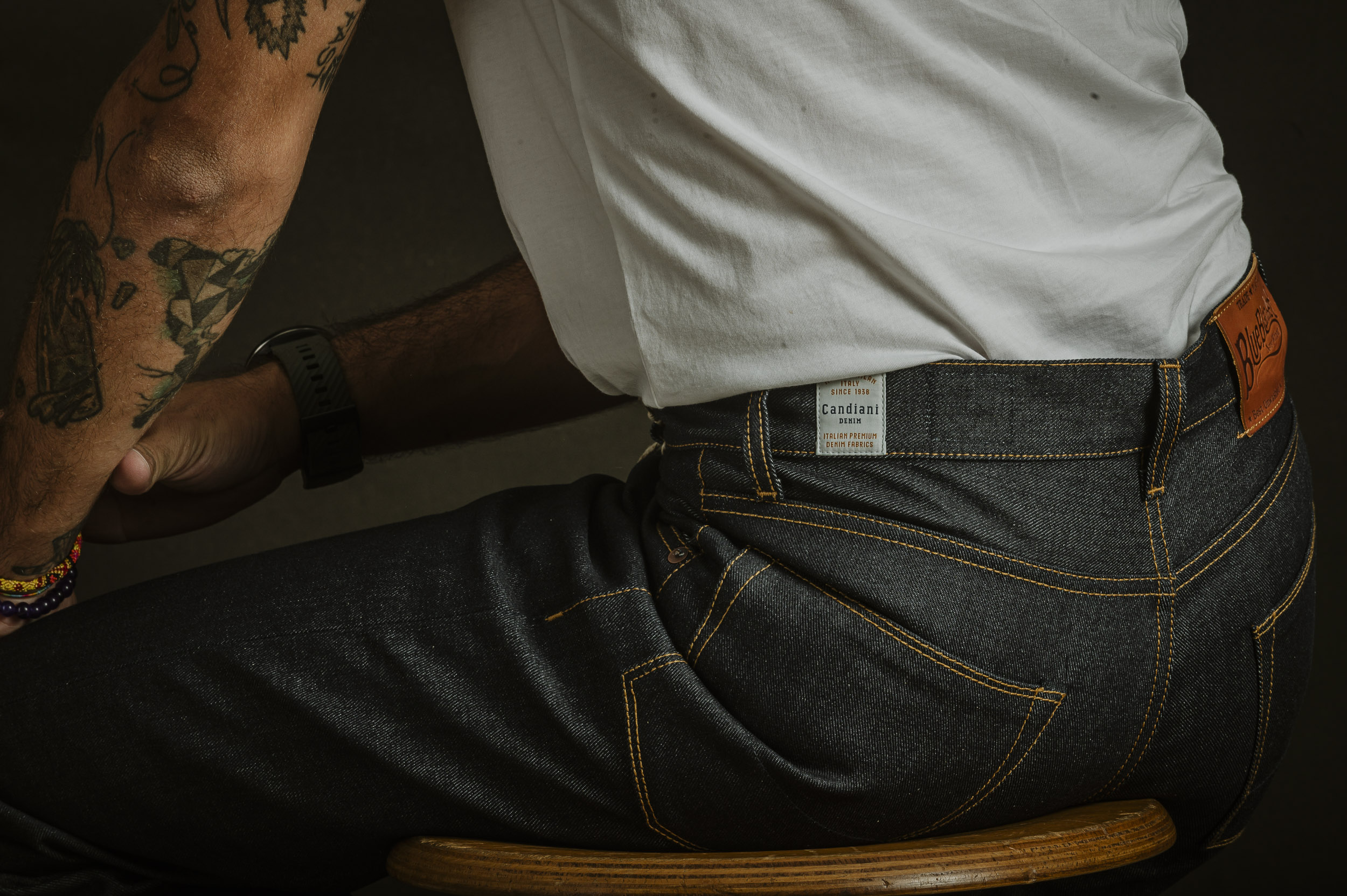
You may have heard the staggering claim that it takes around 10,000 liters of water to produce just one pair of jeans. This eye-opening statistic was actually a marketing ploy by a company that created a waterless fabric printing technology for polyester. To promote their innovation, they kicked off a blog that positioned water conservation as the cornerstone of a sustainable future, boldly claiming that synthetics are more eco-friendly than the notorious water-guzzling cotton, a staple material for jeans. While the 10,000-liter figure is certainly exaggerated, we can't ignore the significant environmental toll the production of jeans can take. From water and energy consumption to the impact of chemicals in the manufacturing process, jeans can leave a hefty footprint when production methods lack the necessary sustainability practices.
The environmental impact of jeans production
The environmental impact of jeans production is influenced by various factors, with three key elements to consider initially: cotton, hazardous chemicals, and transportation. Cotton requires substantial water for cultivation, although it’s actually a drought-resistant crop that thrives in hot conditions, even during dry spells. Its overall environmental impact can vary based on factors such as geography, seed variety, and soil type. Notably, a lifecycle assessment of Levi’s® 501® jeans reveals that growing the cotton fibers for a single pair of jeans requires approximately 2,565 liters of water.
Additionally, since the 1950s, conventional farming methods have prioritized increased productivity through monocultures and mechanized equipment. Unfortunately, these practices harm biodiversity and kill crucial pollinators like bees, butterflies, and birds. As a result, farmers increasingly rely on pesticides and herbicides to maintain crop yields. This form of agriculture is one of the planet’s most polluting industries. Bees pollinate about 80% of crops, while native specialist pollinators are often even more effective. However, monocultures, habitat loss, pesticides, and diseases severely threaten all pollinators. In the U.S., nearly 40% of bees die each year, and about one-third of bees in the European Union face a similar fate.
Denim dyeing and finishing processes also require significant water usage, but their environmental impact largely stems from the traditional application of hazardous chemicals. According to the European Parliament, these processes in the entire textile industry contribute to approximately 20% of global water pollution, primarily when such substances are not managed correctly and enter our rivers, lakes, and oceans.

Additionally, the data on greenhouse gas emissions within the fashion industry highlights an important challenge we must address. The United Nations estimates that the sector is responsible for about 10% of global emissions—surpassing the combined emissions from international flights and maritime shipping. As already mentioned, these emissions result from a variety of factors that extend beyond manufacturing, including transportation. We must acknowledge that, over recent decades, production has increasingly shifted to countries with lower costs and more permissive regulations, often located far from the end consumers of apparel and accessories.
Sustainable materials in denim
Preferred cotton fibers offer a promising solution to address the challenges posed by conventional industrial agriculture. These fibers are associated with improved environmental and social outcomes, and the farming practices employed to cultivate them can positively influence soil health, water conservation, and biodiversity. Building a supply chain that prioritizes direct and long-term relationships is essential for sustaining these benefits.
Preferred cotton fibers encompass a variety of options, including organic, regenerative, recycled cotton, and Better Cotton. Notably, organic cotton production saw a remarkable 37% increase in 2020/2021 compared to the prior season; however, certified organic cotton accounts for only 1.4% of global production. While the advantages of organic cotton are clear, the adoption rate among growers has faced some challenges, such as transitioning difficulties, managing weeds, navigating complex chain of custody requirements, and changes in yield and fiber quality.
Though not universally defined, regenerative agriculture presents a flexible and farmer-friendly alternative that may even exceed the benefits of organic practices. According to Textile Exchange, this approach harmonizes with natural ecosystems, recognizing the importance of interconnected and mutually beneficial relationships. Importantly, it acknowledges that Indigenous and Native peoples have practiced these sustainable methods for centuries. Regenerative agriculture also emphasizes social justice and takes a holistic, place-based, outcome-focused approach rather than adhering to a rigid checklist of practices.
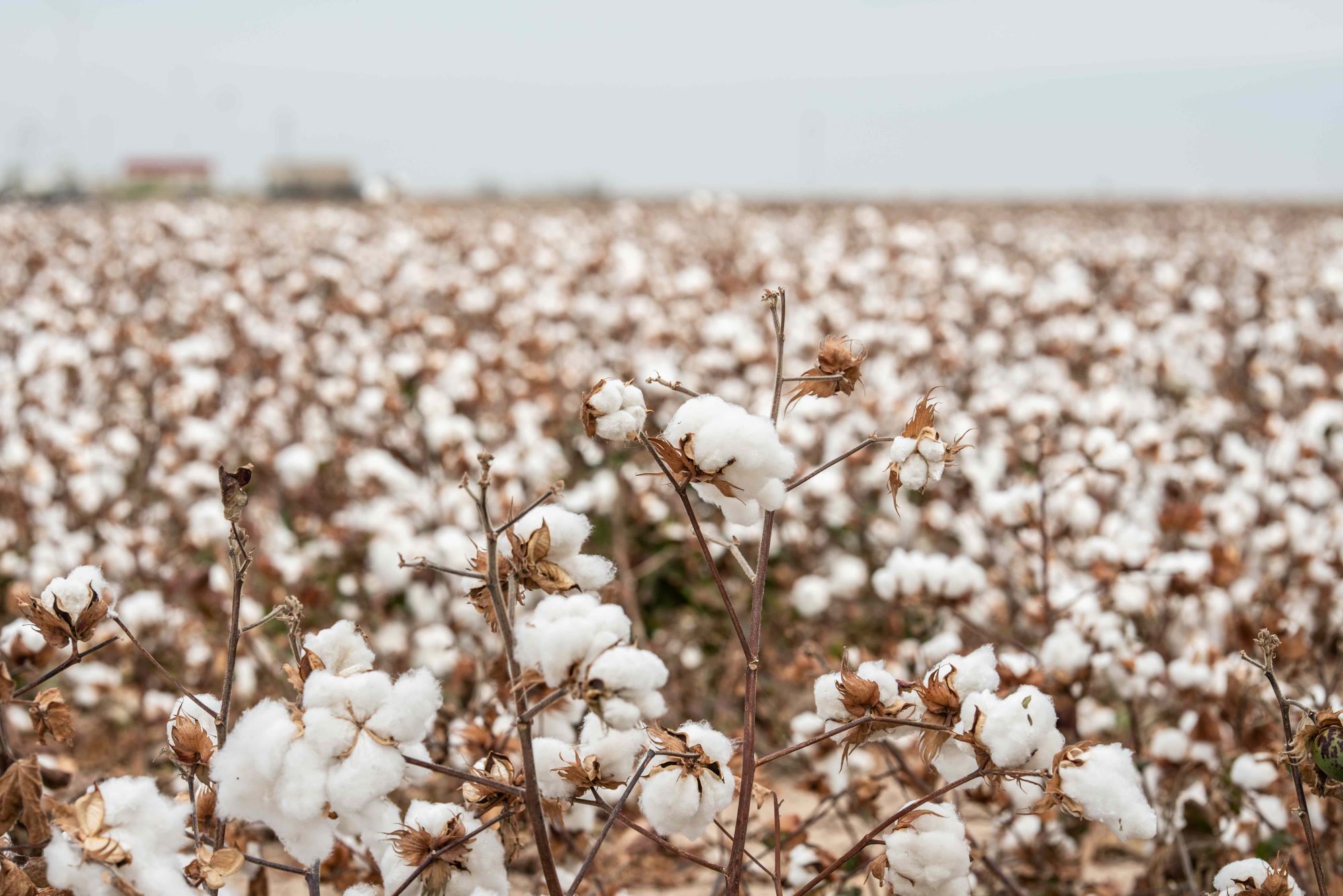
Better Cotton is the largest global initiative dedicated to advancing a sustainable future for cotton. A non-profit organization with a diverse governance structure, it promotes better standards for cotton cultivation across 22 countries. Key objectives include reducing the adverse effects of crop protection methods, enhancing water stewardship, fostering soil health, increasing biodiversity, ensuring responsible land use, maintaining fiber quality, promoting decent working conditions, and implementing effective management systems.
Recycled cotton is sourced from various types of textiles, including post-industrial, pre-consumer, and post-consumer materials. As reported by Textile Exchange in 2023, sustainable cotton production had a notable presence, constituting 29% of the global market, but recycled cotton made up only about 1% of total cotton production. While expanding the market share of recycled fibers is challenging—evidenced by a slight decline from 8.5% in 2021 to 7.9% in 2022, primarily due to technological constraints and the economic viability of virgin synthetic fibers—there remains an opportunity for growth. Currently, less than 1% of fibers come from recycled textiles, in contrast to the 7.3% of recycled polyester sourced from plastic bottles.
Moreover, there is great potential for innovation in denim production through the blending of cotton with other sustainable materials. A promising addition is hemp, a resilient fiber that can be cultivated without pesticides, herbicides, or fungicides and requires roughly half the amount of water as cotton.
Candiani Denim and sustainability
We are dedicated to advancing sustainability in our industry by enhancing processes and products alike. Our journey begins with the cotton seed, where we partnered with Gowan Seed Company to develop our innovative Blue Seed cotton. This non-GMO hybrid combines the exceptional quality of extra-long-staple cotton with the strength of Upland cotton, utilizing a concept known as heterosis or hybrid vigor. This means that the resulting plant exhibits characteristics that surpass the sum of those of its parent varieties. Furthermore, Blue Seed cotton shows increased resilience in the fields, requiring less water and fewer chemicals, and allows us to direct resources effectively to farmers, ensuring a fully traceable supply chain.
On the process front, we are excited about our latest innovation, Sound Dye. This cutting-edge technology employs ultrasound to generate microbubbles that implode, creating shock waves that effectively eliminate excess indigo.
Additionally, our dyeing process incorporates our patented Kitotex® technology, which replaces petroleum-based PVA (polyvinyl alcohol) with chitosan—an environmentally friendly, non-toxic, and biodegradable alternative derived from chitin from renewable sources; we specifically use fungal chitin from Aspergillus niger. This change not only minimizes environmental harm but also helps combat greenhouse gas emissions.
At the product level, we are actively working on enhancing recycling initiatives and creating sustainable stretch denim. By integrating both post-industrial and post-consumer recycled materials into our fabrics, we aim to significantly reduce waste, lessen reliance on virgin resources, and promote a circular economy.
Addressing the challenges associated with stretch denim at the end of its lifecycle, we have begun to lessen its environmental impact by first using pre-consumer recycled elastomers sourced from the elastane production process and subsequently utilizing a custom-made stretch elastomer that is free from harmful substances. This ensures a neutral impact on the environment.
One of our most remarkable achievements in this realm is our patented COREVA™ technology, which allows us to produce the world’s first microplastic-free and compostable stretch denim. This innovative product maintains the high performance of our elastic fabrics while proving to be environmentally friendly—its offcuts can even enhance plant growth and germination.
Lastly, we are committed to improving proximity within our industry. By collaborating with trusted local partners, we aim to reduce the carbon footprint of our operations and increase the traceability and transparency of our supply chain. Notable examples include:
- Our PCR (post-consumer recycled) program, developed in collaboration with Humana People to People Italia and Filatura Astro, revitalizes worn-out jeans through a local recycling project within a 60 km radius
- GRAPHITO, created with Directa Plus, located just 50 km from our mill, features graphene-based denim offering antimicrobial properties, odor neutrality, and enhanced thermal comfort
- Candiani Custom, developed with ten Italian partners within a 238 km radius, represents the first urban micro-factory for producing tailored jeans using a direct-to-manufacturer model
We also collaborate with various premium and luxury brands to bring our textile innovations to a wide consumer audience. Many brands are currently committed to reducing the industry’s environmental impact by choosing responsible materials and suppliers. When selecting jeans or denim items, check for our labels or hangtags to ensure they are made with Candiani’s fabrics.
Furthermore, to determine if a denim brand is sustainable, you can consider the following:
- Look for specific, concrete evidence of sustainability efforts. Avoid brands that use vague terms or make misleading claims
- Prioritize traceability and transparency. Support brands that disclose where their materials are sourced and provide reliable information about their environmental and social impact as well as their sustainability initiatives
- Seek out certifications for preferred fibers, environmentally and socially responsible processing, fair wages, and safe working conditions