 Log into your account
 Register



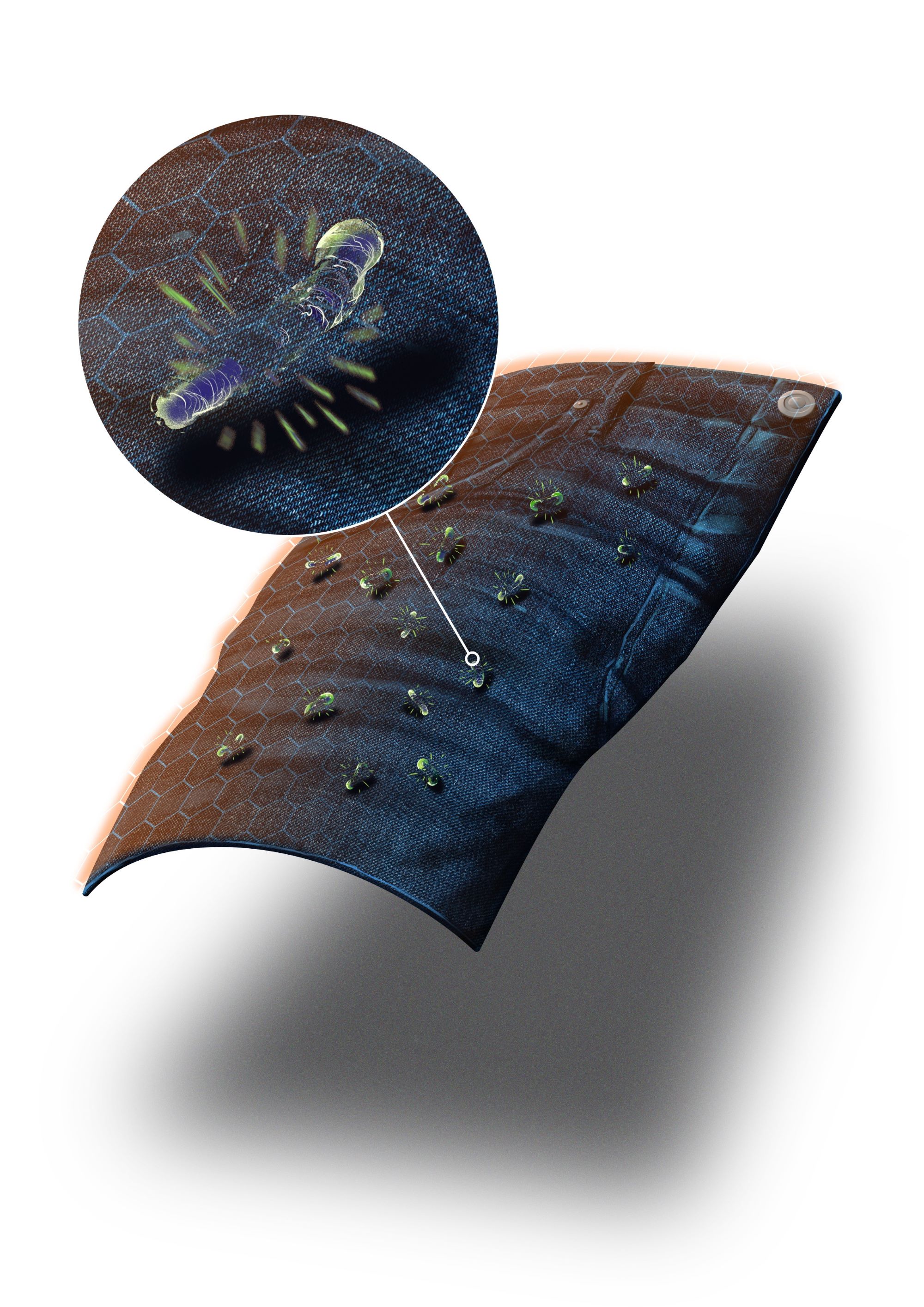
The growing awareness of microplastics in our water, air, and land—and their detrimental effects on people, animals, and the planet—is driving industries, including fashion, to take decisive action. We are leading the way by replacing harmful materials with biodegradable and compostable alternatives. At Candiani, we are proud to be committed to producing microplastic-free denim, ensuring that these materials are eliminated at every stage of the manufacturing process and in the final product.
The silent threat: plastic pollution is choking our planet
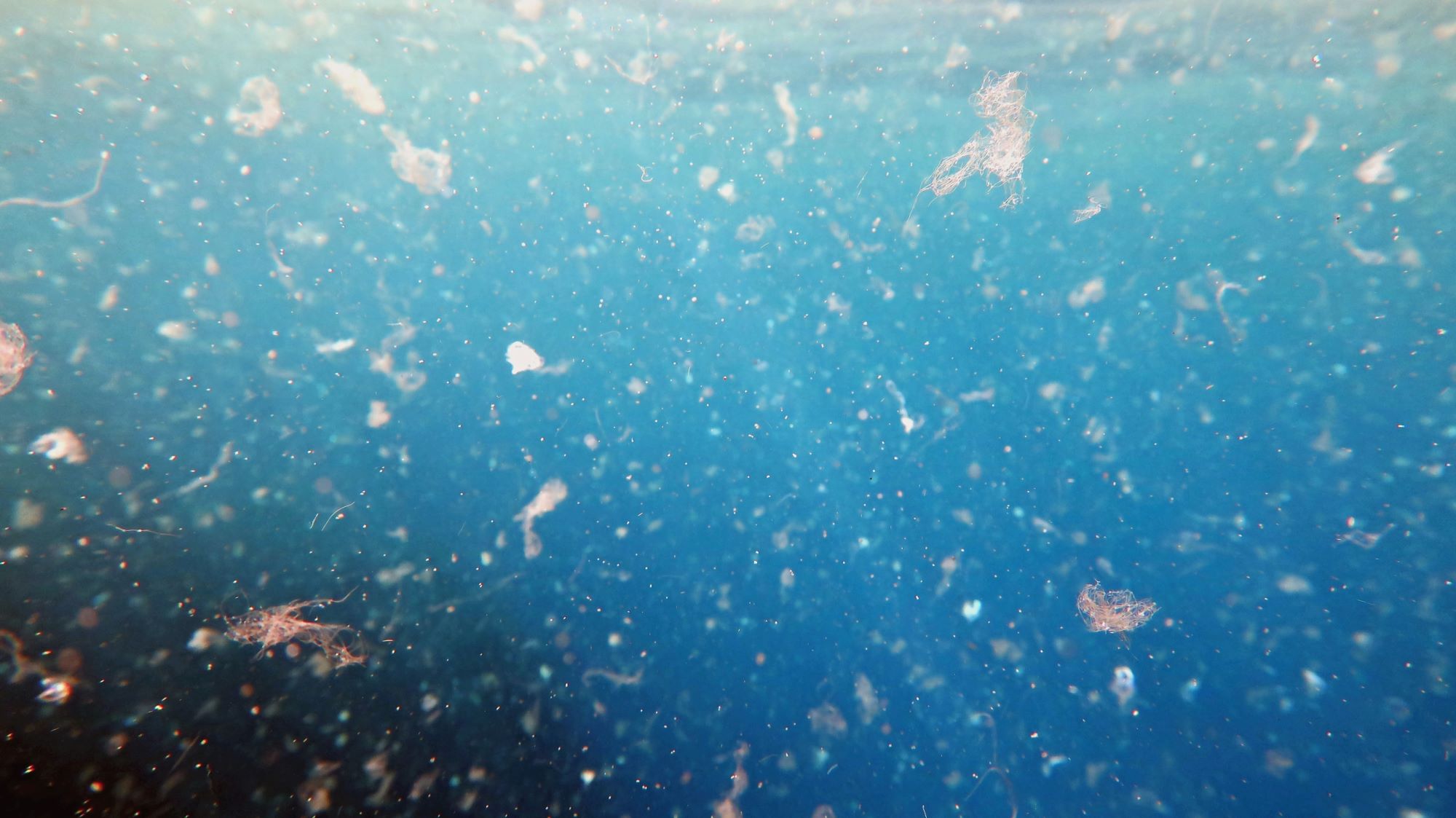
Microplastics are defined as particles smaller than 5 mm, composed of synthetic polymers, and available in various shapes and colors, according to the Joint Group of Experts on the Scientific Aspects of Marine Environmental Protection (GESAMP). Microplastics can enter the environment in two ways: they can be released directly (primary microplastics), or they can be formed from larger plastic items that break down into smaller fragments due to factors such as sunlight, wind, and waves (secondary microplastics).
The United Nations Environment Programme (UNEP) reports that over 430 million tonnes of plastic are produced every year, with two-thirds of this comprising short-lived products that quickly become waste.
While the long-term effects of microplastic pollution are still largely unclear, there is growing concern about its impact on the environment and human health. Microplastics are consumed by various organisms, entering the food chain from plankton to fish, larger marine mammals, land animals, and ultimately humans. Additionally, airborne particles can be inhaled, while microplastics in water and beverages can be ingested, and the skin can absorb them as well.
According to UNEP, microplastics ingested by animals or absorbed by plants can lead to toxic and mechanical effects. These may result in issues such as reduced food intake, suffocation, behavioral changes, and genetic alterations. Humans are also at risk of health problems linked to microplastics, which may include changes to genetics, brain development, and respiration rates.
A publication by Yonsei University College of Medicine in 2023 adds that when microplastics shrink to sizes smaller than 1 micrometer and become nanoplastics, they can bypass the primary tissue barrier in the body. These tiny particles can then penetrate capillary blood vessels and disperse throughout the bloodstream, spreading across the body.
Finally, microplastics pose a significant environmental challenge due to their persistence, mobility, and the difficulty of removing them from the ecosystem. Unlike natural fibers that decompose over time with no harmful effects, microplastics can last for hundreds of years and tend to accumulate. All the plastic that has been produced in human history is still present on our planet. It may also carry chemicals added during the manufacturing process, which can leach into oceans or enter the bloodstream of animals that ingest them.
The problem with microplastics in fashion
Some microplastics are intentionally produced and can enter the environment, while others are created from the wear and tear of products. This includes microfibers shed during the use and washing of synthetic textiles such as nylon, acrylic, and polyester.
Although often overlooked, plastic is prevalent in our textiles. A report by Fibershed indicates that polyester production surged by nearly 900% from 1980 to 2014. According to UNEP, approximately 60% of all clothing contains plastic.
Synthetic fibers are often preferred because they are versatile, flexible, and inexpensive. Additionally, they are not influenced by seasonal changes or adverse weather conditions that can affect farmers, as is the case with natural fibers like cotton and wool.
The heavy reliance on synthetic materials has caused microplastics to be recently found everywhere, from the depths of the ocean to glaciers in Antarctica. The Ellen MacArthur Foundation reports that synthetic textiles contribute to a global discharge of between 0.2 and 0.5 million tonnes of microplastics into the oceans each year. In 2020, UNEP estimated that around 9% of the microplastics released into the oceans annually come from synthetic textiles.
Our microplastic-free denim
Smithsonian Magazine recently reported that new research reveals a single pair of jeans can shed an average of 56,000 microfibers during washing. These jeans often contain microplastics, primarily derived from the synthetic yarns used to enhance their elasticity. Additionally, threads, buttons, zippers, pocket linings, and many adornments used to sew jeans are often made of plastic.
As stretch denim is one of Candiani’s signature products, we have been actively seeking alternatives to conventional fossil fuel-based yarns. Our journey to minimize the environmental impact of stretch denim began with ReLast, which is made from pre-consumer recycled stretch yarns. We continued with ReSolve, a fabric that has a neutral effect on the planet as it contains no toxic materials.
Finally, our patented COREVA™ technology is the real breakthrough in the stretch denim industry, enabling us to create the world’s first microplastic-free and compostable stretch denim while maintaining the performance characteristics of our traditional elastic fabrics. Tests have shown that COREVA™ denim has no harmful effects on the environment, and its offcuts can even be used to grow plants and enhance their germination.
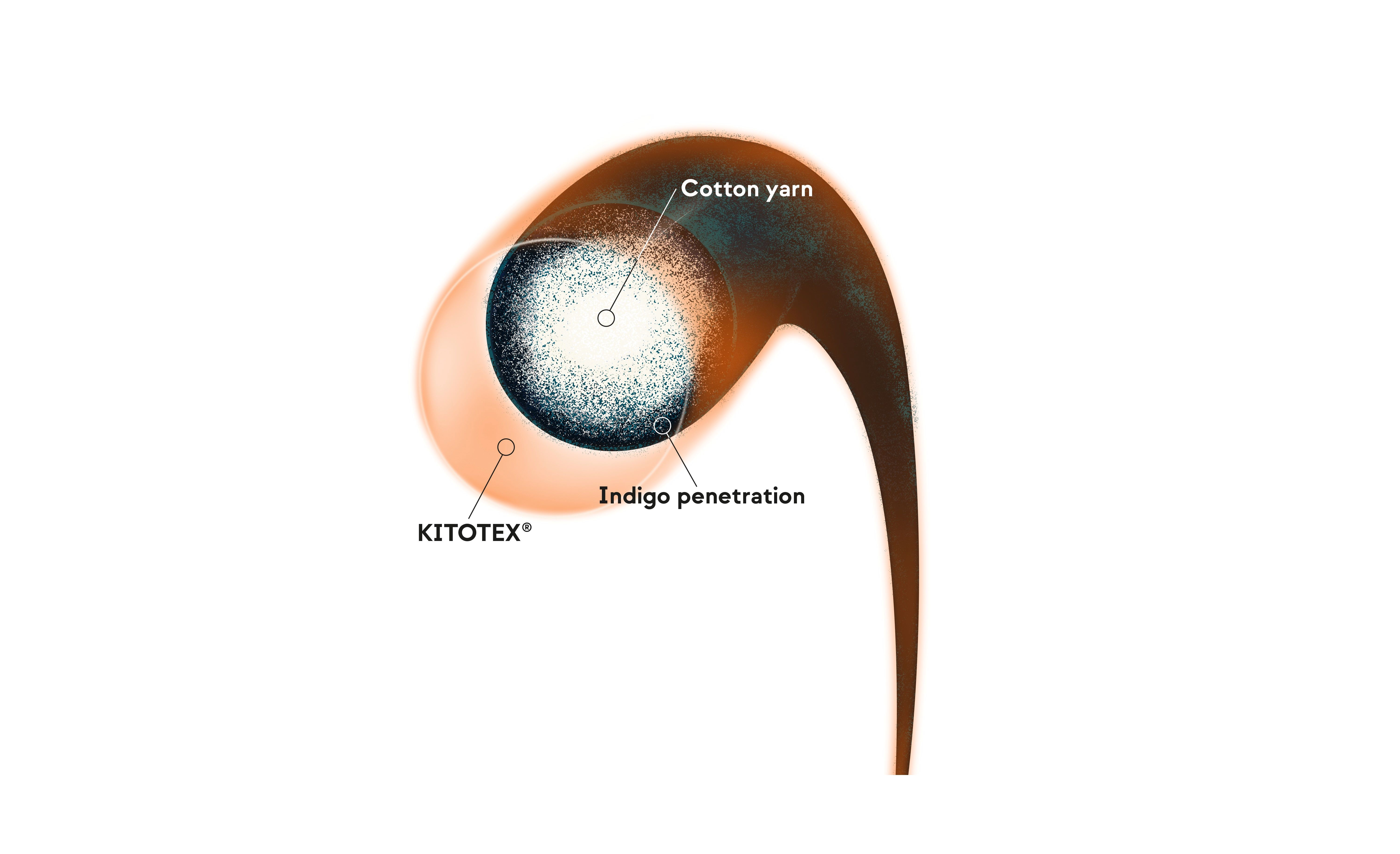
However, microplastics can also be present in the manufacturing process. To address this, we utilize another innovative technology called Kitotex®, which completely removes PVA from the dyeing process and can be applied to all types of denim fabric.
Learn more about PVA
PVA, or Polyvinyl Alcohol, is a versatile, petroleum-based plastic polymer that plays a significant role in our daily lives. It’s commonly found in a variety of products, from food packaging to dishwasher and laundry pods. In the textile industry, PVA is utilized as a sizing agent after the dyeing process.
PVA is able to dissolve in water and biodegrade, but only under specific conditions. Research published in the International Journal of Environmental Research and Public Health has shown that 75% of PVA persists in the environment after being washed away in laundry and dishwashing machines. This is mainly due to the limitations of current treatment facilities in biodegrading PVA completely. Each US citizen is consequently estimated to consume between 0.101 and 0.549 grams of PVA daily.
It’s also important to recognize that while PVA is classified as a low-hazard substance, its breakdown can still release greenhouse gases into the atmosphere, contributing to climate change.
Let’s delve into Kitotex®
Kitotex® is our patented sizing technology that replaces PVA with chitosan, a smart, non-toxic, and biodegradable material. Chitosan is derived from chitin, which is the most common natural polymer in the world after cellulose. It can be sourced from various renewable materials such as insects, crustaceans, algae, and fungi. We exclusively use fungal chitosan from Aspergillus niger.
Chitosan is utilized in a variety of industries, including food, pharmaceuticals, cosmetics, and biotechnology, primarily due to its binding and film-forming properties. However, our Kitotex® technology offers several additional benefits:
- Chitosan aids in cleaning wastewater by removing pollutants and heavy metals.
- It breaks down organic matter, reducing the amount of sludge that needs to be extracted from sewage systems.
- Chitosan acts as a coagulant, helping to flocculate suspended particles, making them easier to remove.
- Chitosan possesses bacteriostatic properties, meaning it inhibits the growth and reproduction of bacteria and can disrupt their cell membranes.
- This technology enhances color saturation, improving the aesthetics of denim.