 Log into your account
 Register



What started as a game-changer for fit and comfort is now facing a critical re-evaluation. Elastane transformed denim, giving it an appealing stretch that made jeans more flattering and comfortable. However, this innovation has also brought a wave of environmental concerns, including microplastic pollution and hurdles in recycling efforts. But there’s a silver lining on the horizon! Innovative materials like COREVA™ are stepping in to offer natural stretch without the environmental baggage of synthetics. As we look to the future, it seems the denim industry may be ready to embrace a new chapter—one that lets go of elastane and prioritizes both style and sustainability.
Why remove elastane?
Elastane is a lightweight, petroleum-based synthetic fiber developed in the late 1950s to give clothing elastic properties. It is commonly used in various garments to create comfortable, form-fitting designs. In the late 1970s, elastane was introduced to the denim industry, allowing for the production of tighter jeans that enhance the body’s shape without feeling overly constricting, ultimately making them more feminine and appealing.
However, elastane also comes with significant environmental concerns. Its manufacturing process is both energy- and chemical-intensive, and the finished fiber can remain in the environment for centuries, releasing harmful materials as it decomposes. Additionally, elastane is difficult to separate from cotton, complicating the recycling of denim and leading to an accumulation of garments in landfills over time.
Another issue with elastane is that it can shed microplastics during wear and washing. According to the United Nations Environment Programme (UNEP), around 60% of all clothing is made from synthetic materials, and approximately 9% of the microplastics found in oceans each year come from microfibers released by these textiles.
In terms of durability and performance, elastane typically wears out faster than cotton due to its weaker structure. Over time, elastane fibers can lose their elasticity, resulting in baggy knees and sagging waistbands, ultimately shortening the garment’s lifespan, especially in low-quality apparel. These problems can be mitigated with premium denim, which is made from high-quality materials that provide superior performance while maintaining an authentic aesthetic.
The birth of COREVA™
Alberto Candiani had a groundbreaking idea for natural stretch denim while at a local delicatessen. He noticed an unusual elastic string used to wrap a hanging salami. Upon discovering that this stretch material was entirely natural, he began to explore how to incorporate something similar into the denim industry. After five years of intensive research and development, the COREVA™ technology was created.
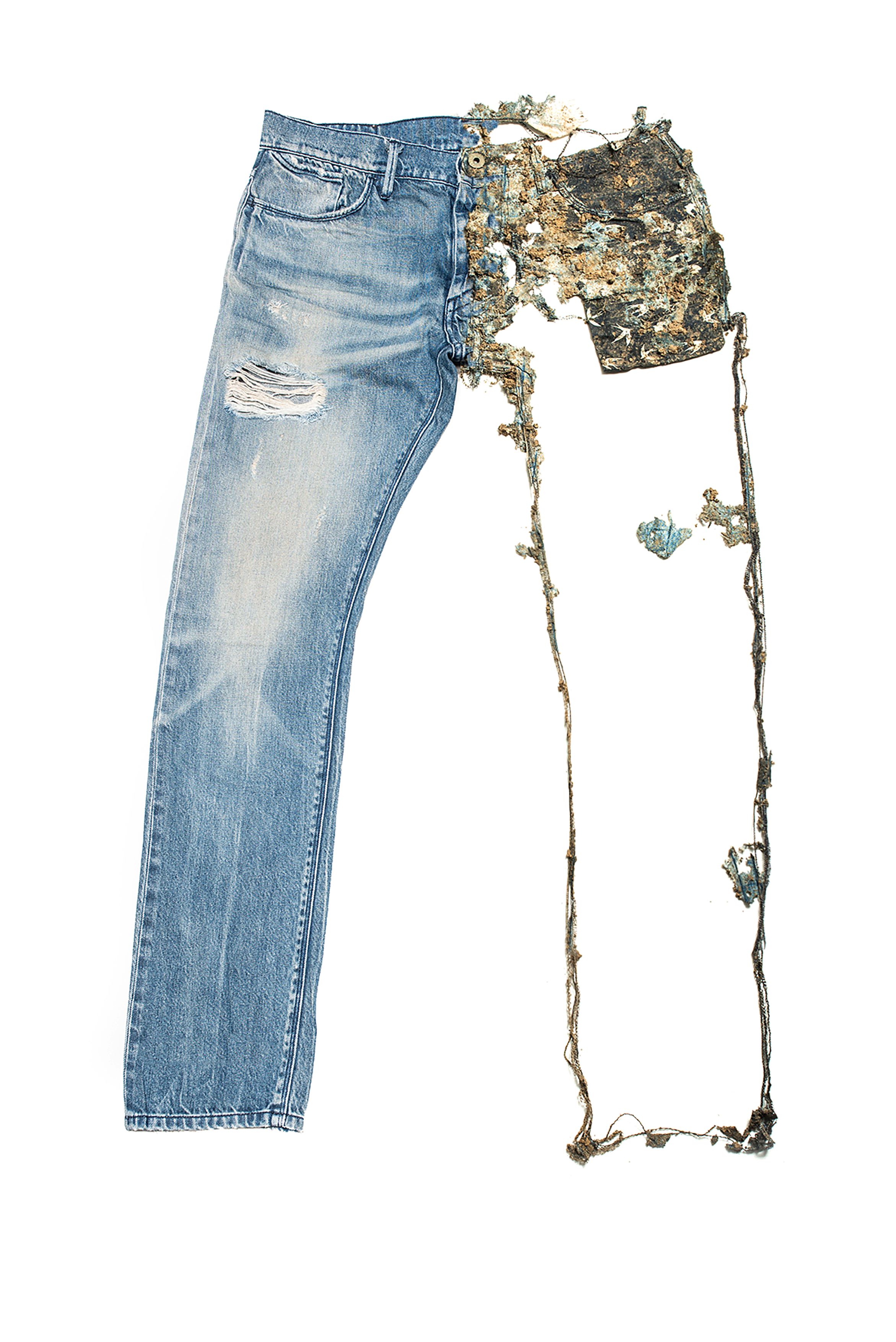
Our COREVA™ patent enables the production of stretch, elastane-free jeans by substituting conventional elastic yarns with natural rubber. This plastic-free COREVA™ denim can decompose under the right conditions, returning to nature and supporting plant germination and growth, effectively closing the loop in a circular model.
In recognition of its innovation, the COREVA™ technology received Positive Luxury’s Innovation of the Year and Drapers’ Sustainable Textile Innovation awards in 2020. Additionally, in 2023, it was honored with The Groundbreaker Award by the Italian National Chamber of Fashion.

How it performs
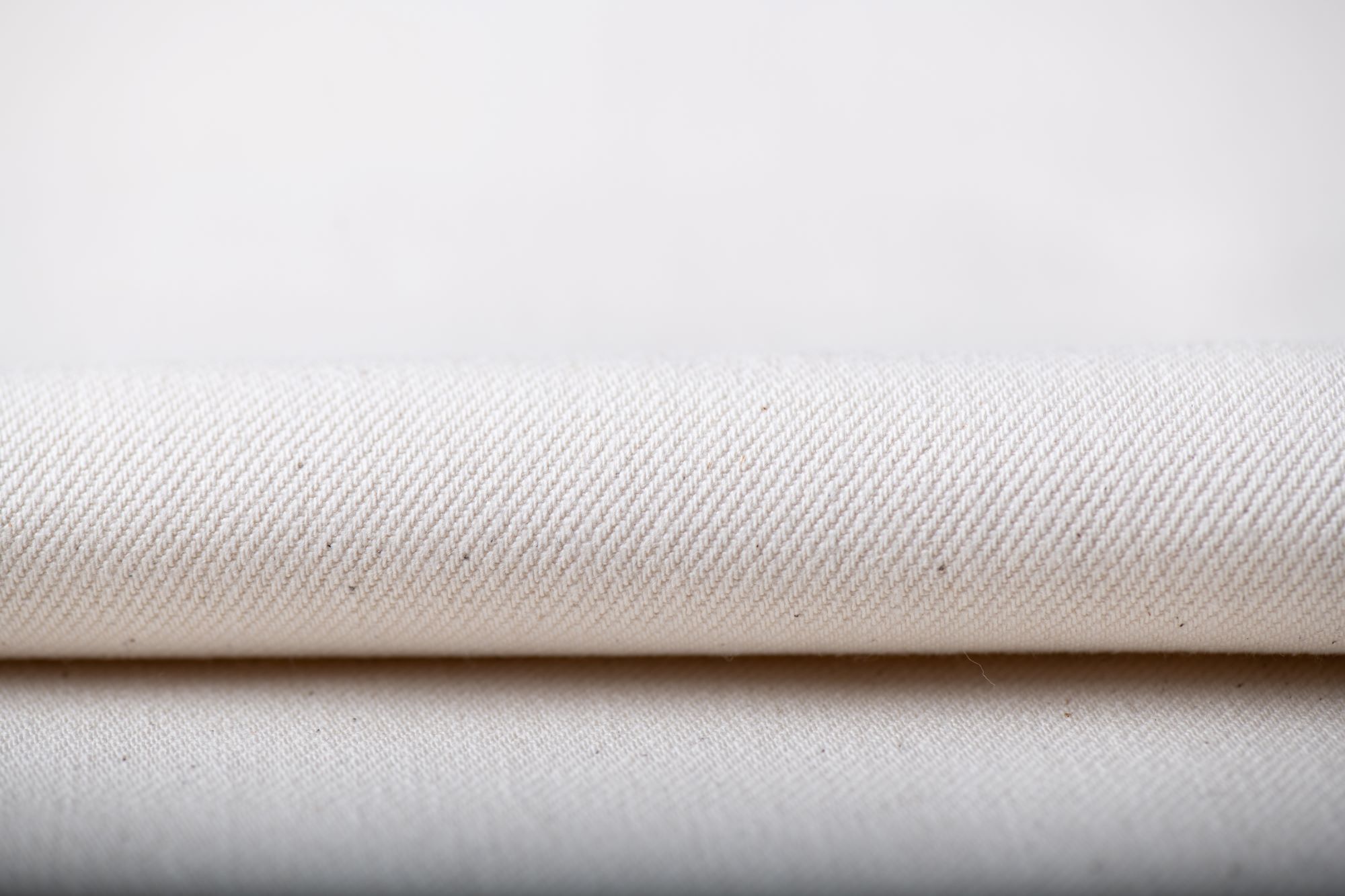
COREVA™ fabric combines the exceptional elasticity, softness, and aesthetic appeal that you expect from Candiani’s traditional stretch denim, along with the benefits of conventional elastic denim fabrics and unparalleled natural comfort.
As discussed earlier, stretch denim was primarily introduced to create more flattering jeans, but it also offers outstanding comfort, freedom of movement, and a soft feel against the skin. This type of denim is versatile, accommodating a wide range of styles, and suitable for any body type.
Moreover, stretch denim quickly recovers after use and washing, returning to its original shape without deforming. It maintains a sleek and polished look throughout the day, effectively reducing the annoyance of baggy knees that can occur with rigid denim.
Sustainability benefits
We have tested COREVA™ denim to demonstrate its environmental benefits. Under the right conditions, COREVA™ fabrics can break down without causing harmful effects on the environment. In fact, they can transform into compost at the end of their useful life, which supports plant growth and germination.
We began our research in a laboratory with Innovhub, testing COREVA™ samples according to the methods outlined in ISO 16929:2019 and EN 13432:2000 Annex E/AC:2005. The results showed that 98.1% of the original mass decomposed after 12 weeks. Additionally, a compost ecotoxicity test was conducted using mung bean and barley seeds planted in the COREVA™ compost. The seeds germinated and grew successfully without any inhibitory effects on the plants.
Next, we took COREVA™ into a real agricultural setting by partnering with the Rodale Institute California Organic Center. We used COREVA™ fabric scraps to cultivate our proprietary Blue Seed cotton, observing the impact of denim scraps on soil health and plant growth. The year-long study revealed no adverse effects on the soil; rather, it indicated enhanced soil respiration and consistent moisture levels.
Finally, we returned to our home country to continue our exploration and collaborated with Quintosapore, an innovative farming project located in Umbria. Our goal was to grow a beloved Italian staple, tomatoes, in a field enriched with COREVA™ offcuts. The soil was tested by the Italian chemistry lab Ars Chimica Laboratorio Chimico before, during, and after the tomato growth period. The tests compared the soil conditions with and without COREVA™ to identify any changes in chemical composition, heavy metals, colorants, and overall soil health. All parameters were consistent with the original results, confirming that the addition of COREVA™ did not significantly alter the soil's natural chemical composition. Additionally, the farmers at Quintosapore observed similar moisture levels in the soil, which aligned with the findings from the previous experiment.
Next-generation circular solutions like COREVA™ can hence help address two of the most pressing issues in the fashion industry: microplastic pollution and the significant amount of waste produced. According to EU data, 6.95 million tons of textile waste were generated in the European Union in 2020, which means that, on average, each citizen discarded 16 kg of textiles. Compostable textile waste not only prevents environmental harm and diverts clothing from landfills and incinerators but also provides an opportunity for these materials to have a second life, supporting the growth of new raw materials for future products.