 Log into your account
 Register



As the fashion industry continues to harm the planet, we are dedicated to reducing the impact of one of its most water-, energy-, and chemical-intensive processes: dyeing. Let’s explore the eco-friendly dyeing techniques we have developed and adopted to minimize our environmental footprint, as well as some sustainable indigo alternatives to the most traditional one.
How denim is dyed
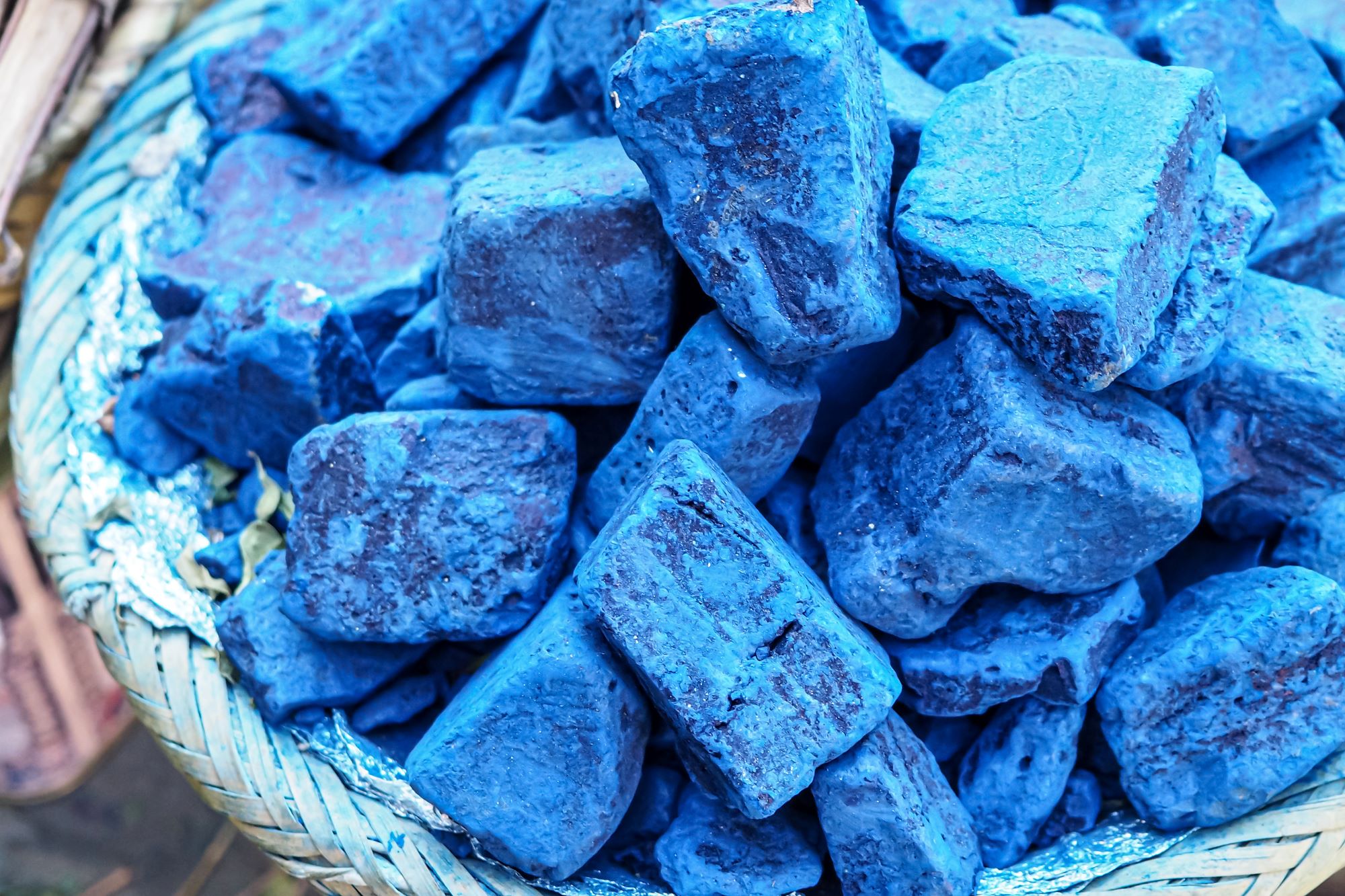
Indigo is the primary dye used in denim production. This pigment has been utilized to dye blue textiles for thousands of years, originally sourced from plants. However, the process remained complex until the invention of synthetic indigo at the end of the 19th century, which simplified dyeing and made it cheaper.
A 2023 study published by the American Chemical Society reports that the denim industry consumes 50,000 tonnes of synthetic indigo annually. However, because indigo is water-insoluble, it requires chemicals to convert it into a soluble dye that can penetrate denim yarns. As a result, the annual dyeing process uses 84,500 tonnes of sodium hydrosulfite and 53,500 tonnes of caustic soda.
Achieving 100% fixation of dyes in denim production is usually not feasible, so it’s crucial to treat the wastewater generated by the industry before it is discharged into the environment. Unfortunately, unfixed dyes are often released into water systems without proper treatment, which can disrupt ecosystems and pose risks to both animal and human health. The study indicates that denim manufacturing produces between 40 and 65 liters of effluent per kilogram of fabric produced.
Why is denim dyed with indigo?
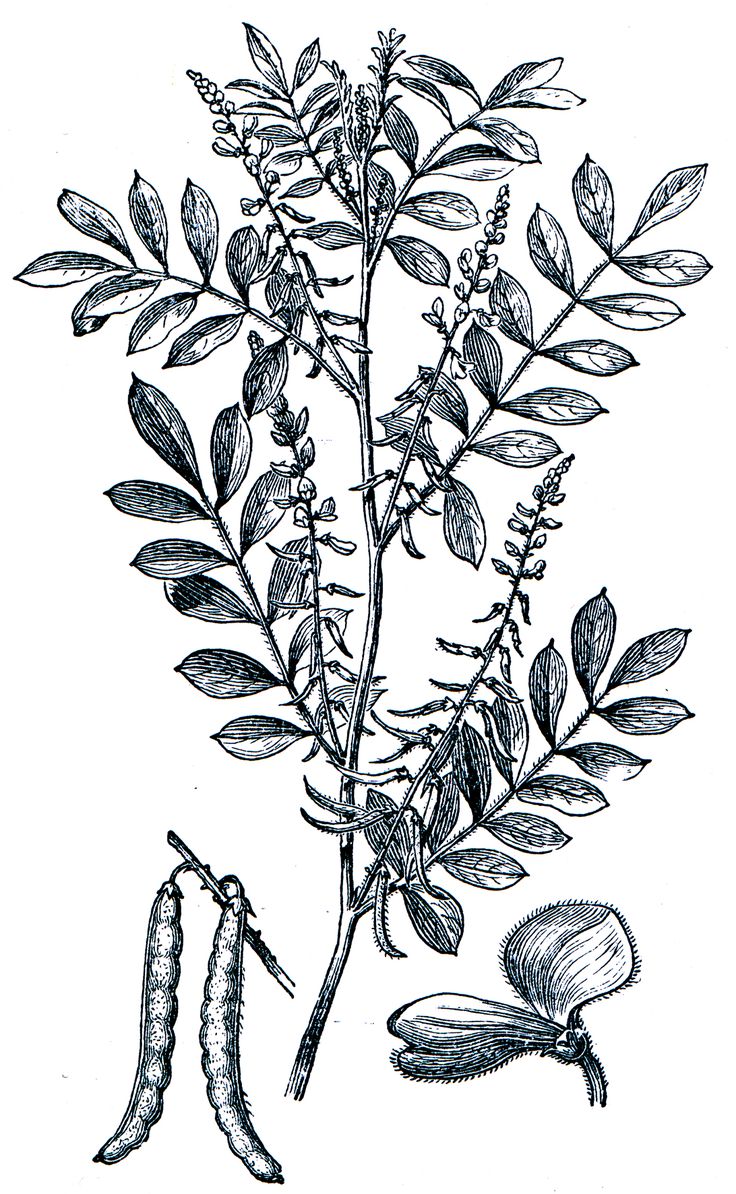
Before synthetic indigo was developed, the dye was extracted from Indigofera plants, which thrive in tropical climates. However, another plant native to Europe, woad, was used during the medieval period to dye blue fabrics. The Cathars living in Southern France were experts in cultivating woad. When they fled persecution by the Catholic Church, which deemed them heretical, starting in 1144, they spread their knowledge to other regions, particularly in what is now Northern Italy, where they found greater tolerance. Woad was especially popular for dyeing fustian, a durable fabric common in medieval Europe, due to its resilience and affordable price.
More than 350 years later, in 1498, Vasco da Gama opened a new sea route to India, facilitating the import of Asian products, including indigo. Although the pigment had been used in the Mediterranean for centuries by ancient Egyptians, Greeks, and Romans, it was initially expensive because it was imported through the Middle East by Arab intermediaries, making it a rare dye for luxury textiles. Over time, indigo gradually replaced local woad because it was better suited to certain fibers, particularly cotton.
During this period, the port of Genoa emerged as one of the most progressive and busiest trading hubs in the world, becoming a key point for Eastern imports. In the 16th century, Genoa traded a specific type of cotton fustian, initially used by sailors and port workers to cover shiploads and make sails. Later, it was adapted to make durable workwear. Because the city had easy access to indigo, it began to be used to dye the warp of fustian. The combination of cotton yarns and indigo-dyed warp made Genoese fustian the true precursor to modern denim. Recognized for its average quality and affordability compared to other European fabrics, this initially seemed like a decline in local manufacturing but ultimately led to its success. The terms “jean” and “jeans” originated from the city’s name, referring to similar fabrics. By the late 19th century, Levi Strauss sold fustian to Jacob Davis, who created reinforced pants for lumberjacks, thus beginning the legend of blue jeans.
How Candiani is reducing the environmental footprint of indigo
You might be wondering if it’s possible to adopt genuine eco-dyeing practices. While creating low-impact jeans requires a collective effort across the industry, it is essential to minimize the dyeing process’s environmental impact. This step is crucial for advancing towards a more responsible fashion model.
Wastewater treatment
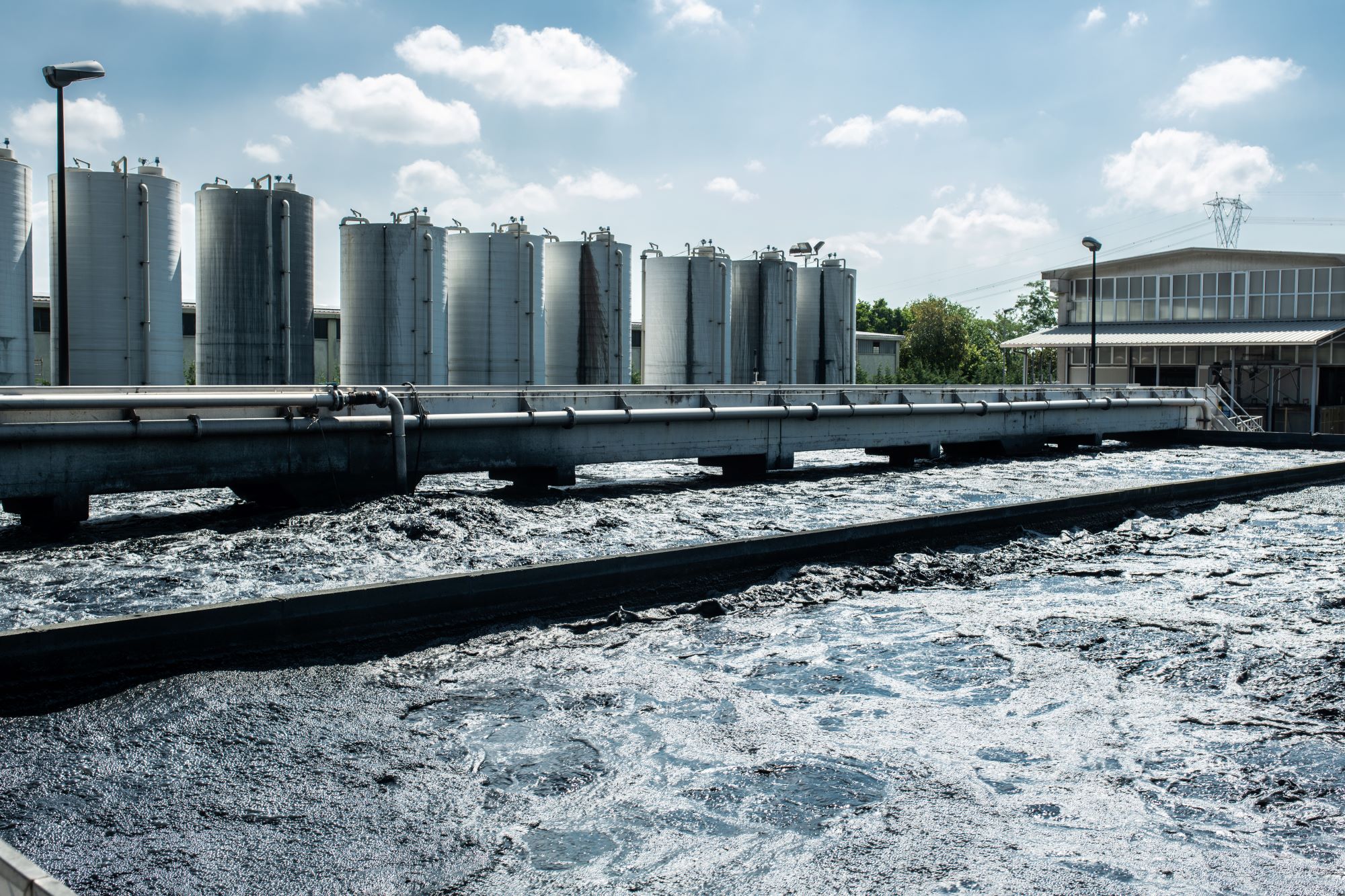
In 2024, our dyeing department accounted for over 32% of the water used in denim fabric production. We ensure that all wastewater is thoroughly treated before being returned to the ecosystem. To meet local regulations, our discharged water undergoes weekly testing, with reports available on a web portal for monitoring and historical reference. Since 2019, all industrial sewage has been sent to an authorized external purifier, eliminating discharges into the public sewer system.
In December 2015, Candiani acquired a 64% stake in the local wastewater treatment plant, Ecologica Naviglio S.p.A. (EN), which treats effluents from eleven textile and tanning operations in the Municipality of Robecchetto con Induno. This partnership supports economic and environmental initiatives and has improved environmental control and reduced operating costs.
At our headquarters, wastewater undergoes pre-treatment and testing before being sent to EN. Since March 2019, we have used a dedicated sewage system to ensure industrial wastewater is treated separately from urban sewage. The managing body of the Integrated Water System sets effluent limits in line with the Robecco sul Naviglio purification plan, with stricter limits for hazardous substances than those set by Legislative Decree no. 152/2006.
Natural and pre-reduced indigo
We are committed to replacing harmful substances with responsible alternatives and adhering to standards like the Zero Discharge of Hazardous Chemicals (ZDHC) program and Greenpeace’s Detox My Fashion campaign.
We use either natural or pre-reduced indigo. Natural indigo, sourced from Stony Creek Colors in Tennessee, comes from cultivated Indigofera plants that improve soil quality while capturing carbon and fixing nitrogen. This method aims to provide a traceable, plant-based dye that combats climate change. Archroma’s innovative reduction process enables industrial production of this natural indigo.
Pre-reduced indigo offers an eco-friendly alternative to conventional indigo powder by reducing the use of sodium hydroxide and sodium hydrosulfite, both of which are critical for bonding indigo to cotton fibers.
Our innovative dyeing technologies
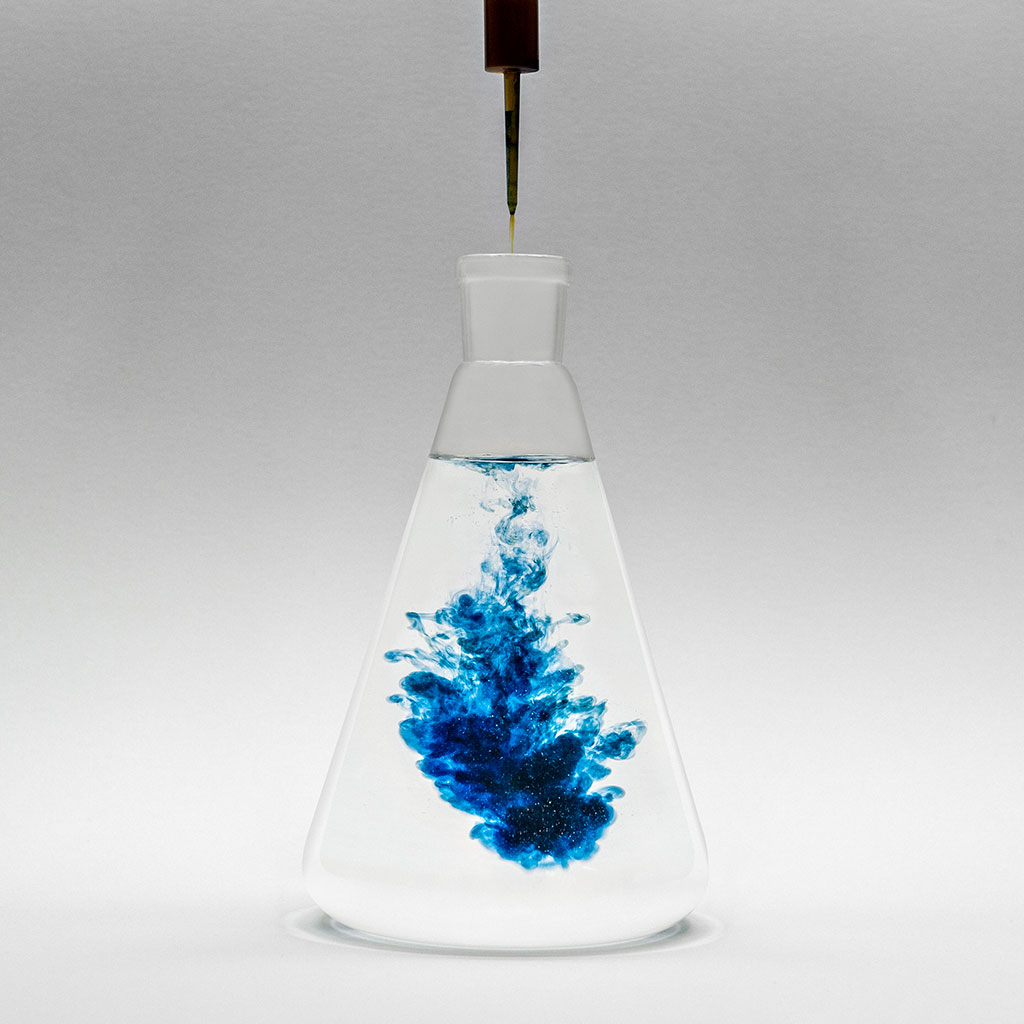
Other innovative technologies introduced in our dyeing process to reduce its impact include:
- Sound Dye employs ultrasound to rinse yarn, generating microbubbles that effectively remove excess unfixed indigo while reducing water consumption.
- N-Denim uses nitrogen to delay oxidation, allowing deeper indigo penetration and reducing dyeing vats from seven to two, while eliminating harmful chemicals like hydro-sulfites.
- Indigo Juice® is designed for premium vintage aesthetics with easier fading, saving significant amounts of water, energy, and chemicals in industrial laundries, especially when combined with Kitotex®.
- Kitotex® replaces polyvinyl alcohol with biodegradable chitosan derived from Aspergillus niger. This non-toxic material aids in wastewater treatment, reduces CO2 emissions, inhibits bacterial growth, and enhances denim color saturation.
If you are interested in learning more about our eco-dyeing practices, you can check our Sustainability Report.