
 Log into your account
 Register

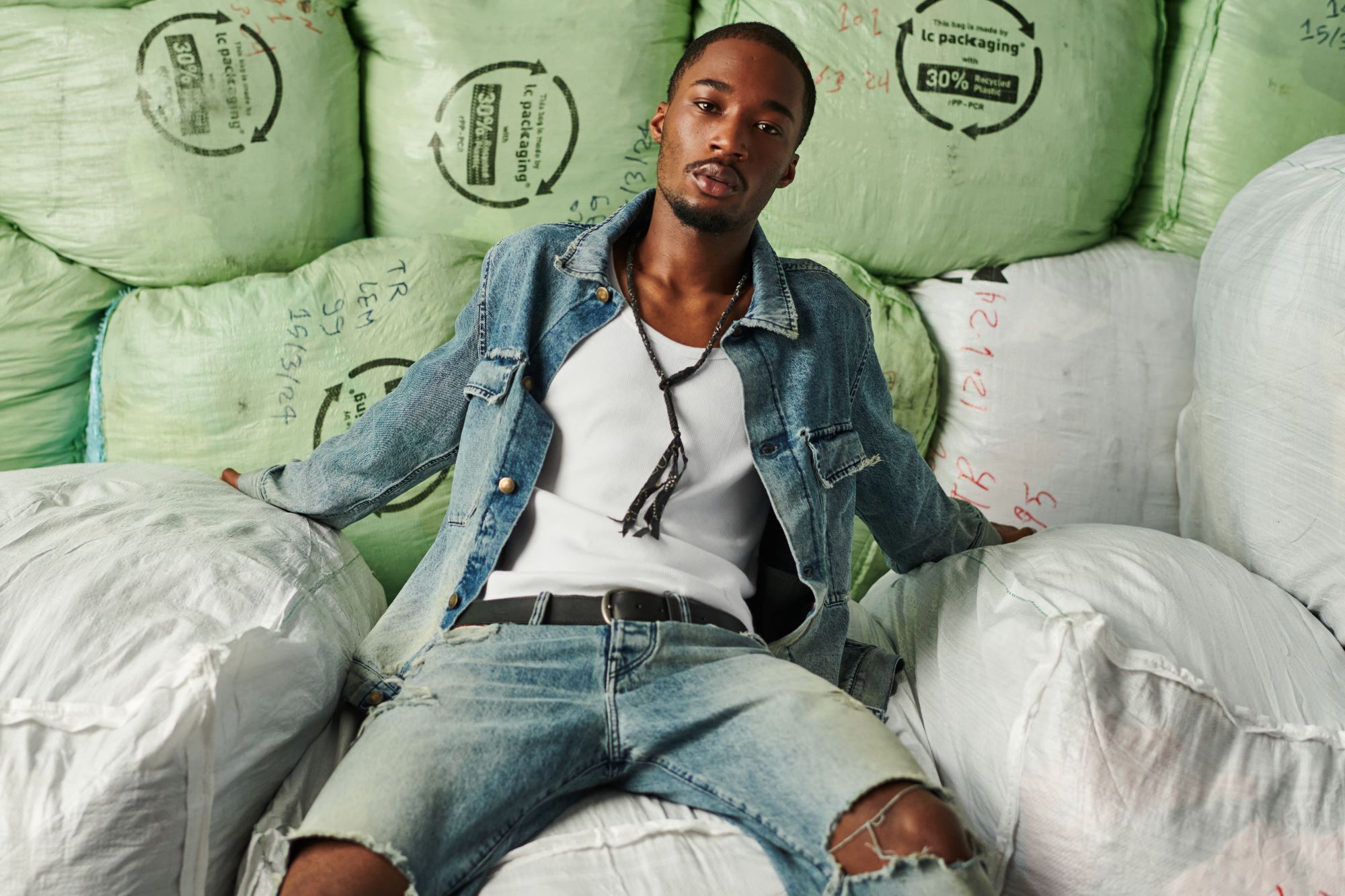


Every year, millions of tons of cotton fabrics are produced—and discarded. Yet, only a tiny fraction ever finds its way back into the production cycle. What if we could turn those old jeans and leftover fabrics into something new? That’s where recycled cotton comes in. By reclaiming fibers from textile waste, the industry can reduce its reliance on virgin materials and take a major step toward a truly circular fashion system.
What is recycled cotton?
Cotton is the most common natural fiber in the world. According to Textile Exchange, cotton represented approximately 19% of the global fiber market in 2024, with about 24.5 million tons produced. Consider that natural fibers made up 24% of the total global market. However, despite the large amount of cotton textiles produced each year and discarded, only 0.3 million tons of recycled cotton were produced in 2024. This indicates that recycled cotton’s market share is roughly 1%.
Recycled cotton, also known as reclaimed or regenerated cotton, can originate from post-industrial, pre-consumer, or post-consumer waste. Post-industrial waste consists of fibers lost during the manufacturing process. Pre-consumer waste includes semi-finished products, cutting scraps, and deadstock. Post-consumer waste refers to garments and other textiles that have been sold and used.
Most of the recycled cotton comes from post-industrial and pre-consumer waste because it is easier to collect and sort by color, fiber composition, and other characteristics. Additionally, the fibers in this waste are typically stronger, enabling the production of higher-quality recycled yarns than with post-consumer materials, which are often weakened by use and handling.
Why it matters for denim
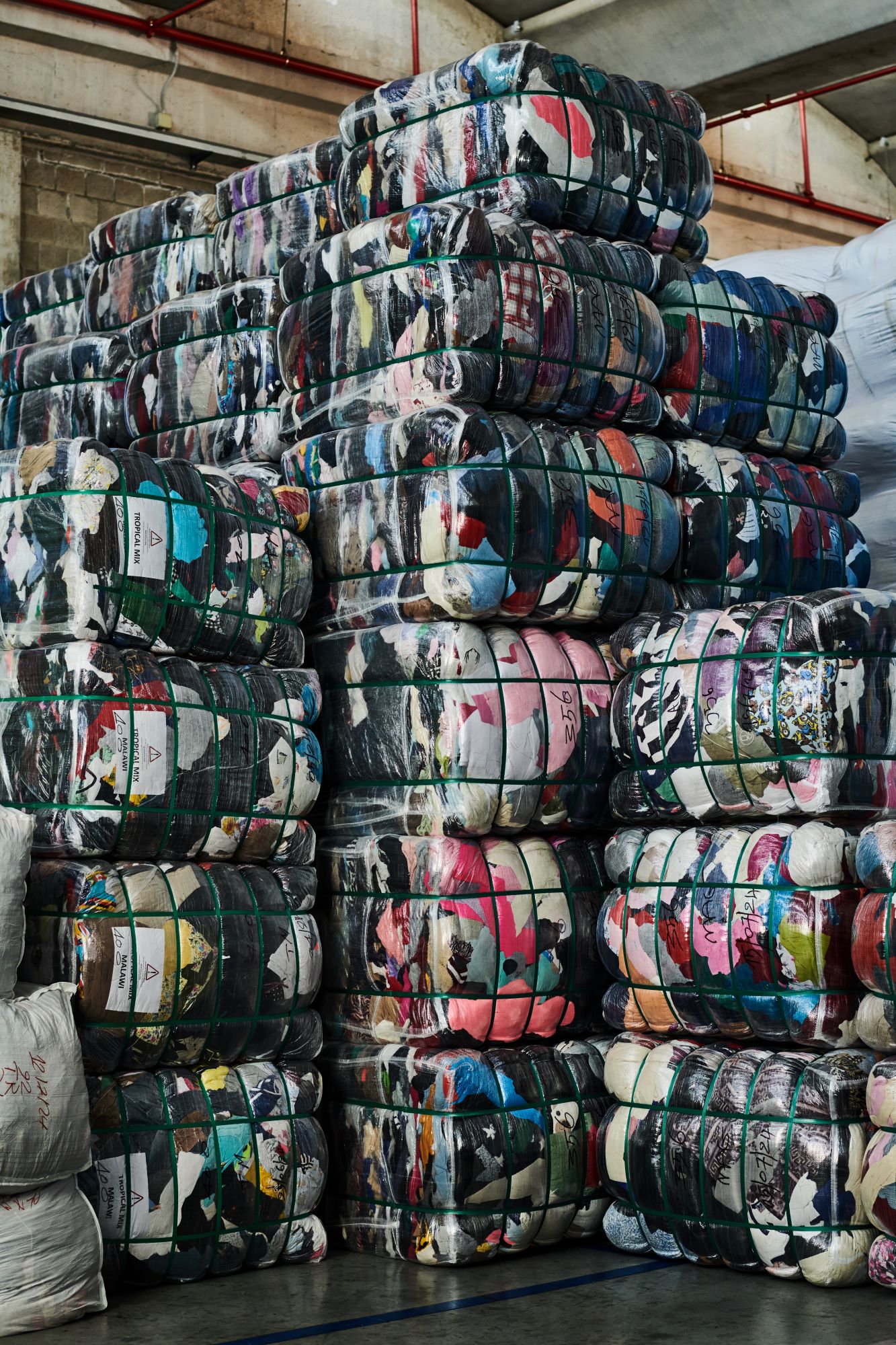
Cotton is the primary ingredient in the denim industry. According to data from Greenpeace, approximately 2 billion pairs of jeans are produced each year, requiring around 1.4 million tons of raw cotton, as Wired calculated. A 2015 paper by Luiken and Bouwhuis indicates that 2.16 million metric tons of denim waste are generated annually. Overall, the Boston Consulting Group (BCG) states that 120 million metric tons of clothing waste were produced in 2024.
Given these figures, it is clear that improving recycling processes in both the denim industry and the broader textile sector is essential. As a result, recycled cotton denim is becoming increasingly popular as a sustainable alternative to help reduce textile waste and lessen the demand for virgin raw materials, in line with other recycled textiles.
Regarding post-consumer waste, recycling 100% cotton denim is much easier than recycling synthetic stretch fabrics because mechanical recycling processes are still prevalent and most effective for mono-fiber textiles. Textiles need to be sorted by color and material, and non-textile components such as metal parts, zippers, and buttons must be removed. The fabrics are then shredded, and the fibers are disentangled and aligned in a carding process before being spun into new yarn.
Candiani’s role in the circular economy
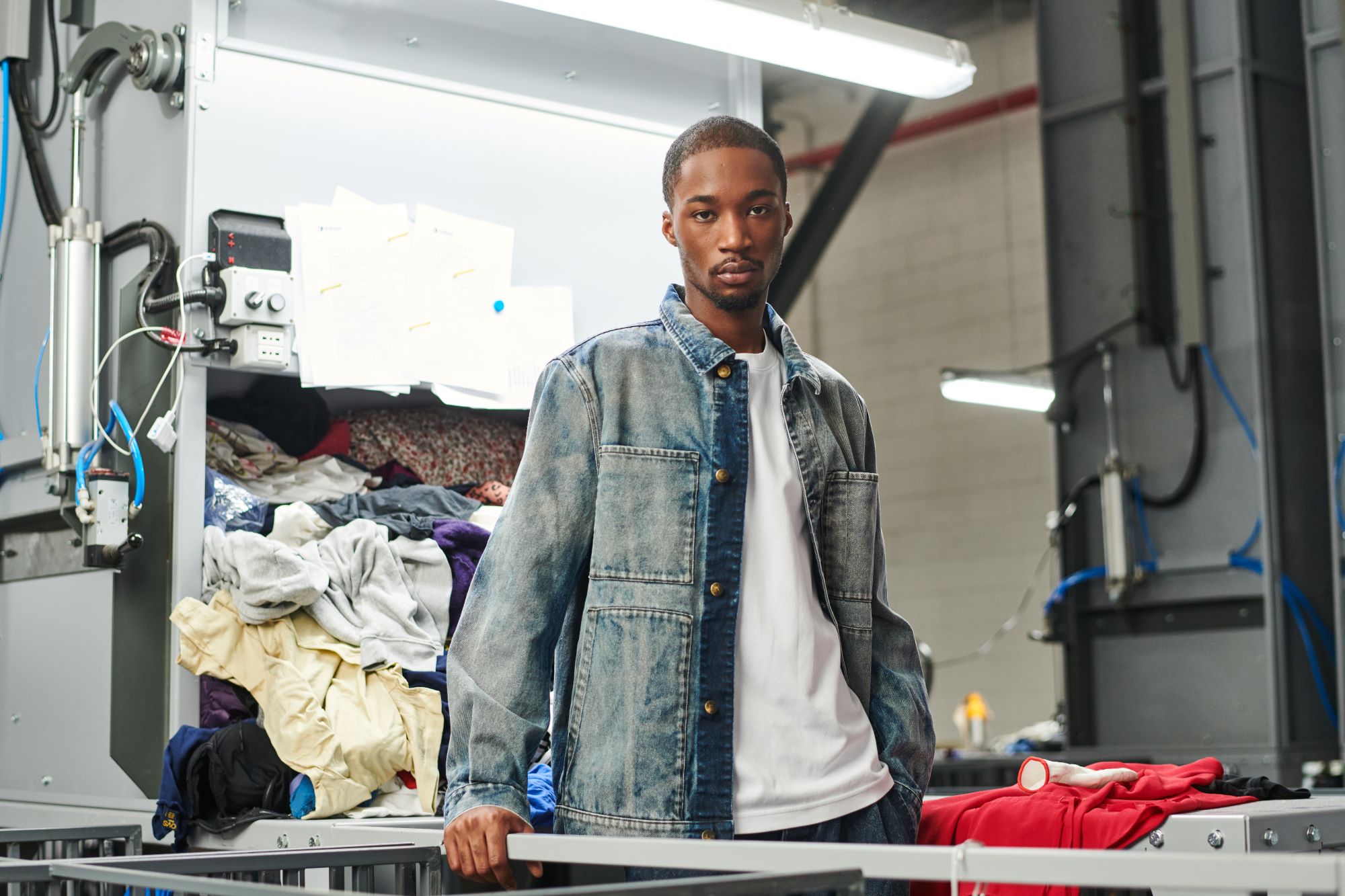
We are dedicated to advancing circular fashion models in two key ways: by using recycled fibers or biodegradable and compostable materials. Our first approach aims to give new life to textile waste, while the second ensures that products can return to nature with a neutral or even positive environmental impact.
We employ both post-industrial and post-consumer recycled (PCR) fibers. The first type originates from the inevitable waste generated in our manufacturing facility, while our PCR denim fabrics are produced through a unique, virtuous program based on four pillars:
- Proximity: the recycling process takes place within a 60 km radius, thanks to two trusted partners. This minimizes the carbon footprint of our denim. Humana People of People Italia collects and pre-processes old jeans, while Filatura Astro shreds them into fiber to create the recycled yarns we incorporate into our fabrics.
- Traceability: every step of the process is traceable, including the supply chain of our proprietary Blue Seed virgin cotton, which we use to enhance the performance of PCR fibers.
- Circularity: textile waste is transformed into new premium denim fabrics.
- Quality: our PCR denim benefits from the exceptional qualities of Blue Seed cotton, providing strength, durability, and a superior hand-feel to recycled fibers.
Unlike PCR cotton, which is too weak due to wear and tear and cannot be used to produce 100% recycled denim, we can create fabrics entirely made with post-industrial recycled fibers. We also incorporate them into our most cherished fabrics, transitioning to circular fashion models that align with new European regulations encouraging greater use of recycled materials.
Future of recycled textiles
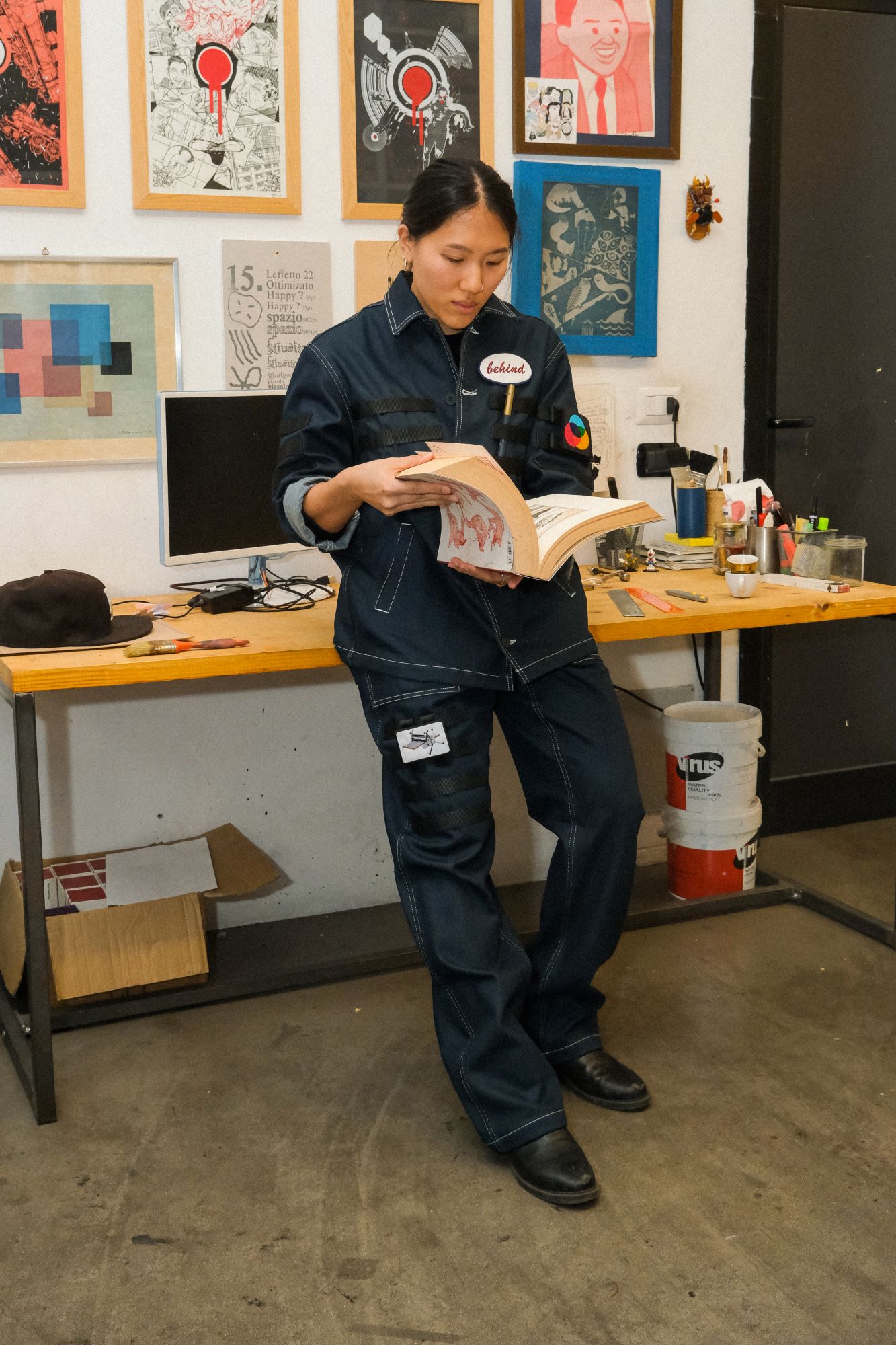
According to BCG, the annual value of textile waste amounts to an estimated $150 billion in raw materials, a value that is currently lost. If just a quarter of these wasted resources were recovered, it could cover the combined annual material expenditures of the world’s 30 largest fashion companies. However, less than 1% of discarded garments are recycled into new textile fibers, making circular fashion fabrics quite rare.
The industry increasingly acknowledges the need for effective actions to address the growing issue of textile waste. At the same time, institutions are working on new regulations to mitigate its impact. Nevertheless, as BCG notes, several barriers hinder the wider adoption of textile recycling programs. The main challenges include:
- Concerns regarding quality, availability, and integration into existing supply chains can make recycled fibers less appealing. Additionally, recycled fibers often cost more than virgin fibers, as production processes have traditionally been optimized for virgin materials.
- Our current textile management infrastructure is not equipped to handle the enormous volume of textile waste generated. Moreover, sorting processes are primarily optimized for resale rather than recycling and rely on manual labor, which struggles to effectively categorize textiles or remove contaminants. This situation is complicated further by consumer confusion, as many people are unaware of the proper disposal methods for garments.
- Most fabrics are composed of blends of different fibers, including both natural and synthetic materials. However, the majority of existing textile recycling systems, which are primarily mechanical, can process only single-material textiles.
As a result, while textile recycling holds significant potential and is becoming an essential issue the industry cannot afford to overlook, it requires innovative, scalable solutions and substantial investments. Effective recycling programs will also necessitate a collaborative commitment from consumers, companies, and institutions to implement proper collection, sorting, and recycling strategies, ultimately promoting the use of recycled raw materials.