
 Log into your account
 Register

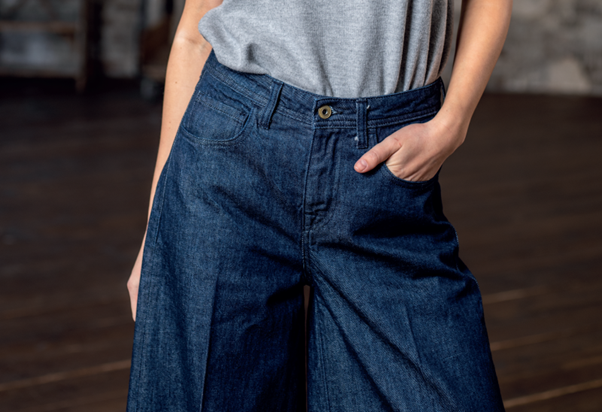


Recycled denim, created from discarded jeans and textile waste, has become an important component in the movement towards a more sustainable future in the fashion industry. Although recycled denim has gained significant popularity, integrating stretch into these recycled fabrics has proven to be a more complex challenge. Traditionally, stretch denim relies on synthetic fibers like elastane, which can hinder its recyclability. However, recent advancements in textile technology have led to the development of recycled stretch denim that offers both comfort and performance without compromising sustainability.
Post-industrial and pre-consumer textile waste: a growing problem
The textile industry is a significant contributor to global waste, with a portion of this waste originating from post-industrial and pre-consumer sources.
Post-industrial textile waste refers to excess materials and byproducts produced during the manufacturing process, which includes fabric scraps, yarn remnants, and defective garments. On the other hand, pre-consumer textile waste consists of unsold or unwanted garments and textiles that are discarded before they reach the consumer market. This can occur due to overproduction, canceled orders, and returns.
According to the European Environment Agency (EEA), post-industrial waste accounts for 17% of total textile waste in the EU, while pre-consumer waste represents just 1%. This indicates that, on average, 82% of the total textile waste in the EU is post-consumer waste, which originates from both household and non-household sources.
Textile waste poses several negative impacts on our planet, including:
- Environmental pollution: textile waste can contaminate water bodies and soil with harmful chemicals
- Landfill congestion: discarded textiles contribute significantly to overcrowded landfills
- Resource depletion: the production of textiles requires substantial amounts of water, energy, and raw materials
In the denim industry, the waste issue becomes particularly concerning, especially with stretch fabrics. Traditionally, stretch denim is made with elastane, a lightweight synthetic fiber derived from petroleum, which provides the fabric with its elastic properties.
The manufacturing process of elastane consumes a considerable amount of energy and involves various chemicals. However, the primary environmental concern is its non-biodegradability. Stretch denim fabrics can last in the environment for centuries due to their inability to decompose naturally. Additionally, textiles containing elastane are often difficult to recycle, which means they are frequently sent to landfills after their useful life, leading to long-term accumulation.
Moreover, petroleum-based fibers contribute to pollution not only when discarded but also through regular use and washing. According to 2020 data from the United Nations Environment Programme (UNEP), around 9% of the microplastics released into oceans every year come from microfibers shed by synthetic textiles. UNEP also reports that approximately 60% of all clothing is made from synthetic materials.
How ReLast is made
The ReLast technology marks our initial step towards creating a stretch denim fabric collection with a lower environmental impact. It features a unique pre-consumer recycled elastomer made from byproducts of the elastane production process. This material is certified by the Global Recycled Standard, ensuring that it contains at least 20% recycled content. The certification also confirms traceability and adherence to social and environmental management practices while imposing chemical restrictions throughout the supply chain.
Moreover, the ReLast collection utilizes our patented Kitotex® technology, which replaces polyvinyl alcohol (PVA) with chitosan as a sizing agent. Unlike PVA, which can release microplastics into the environment if not disposed of properly, chitosan is derived from chitin—we are using fungal chitosan derived from Aspergillus niger—and comes from renewable sources.
Chitosan is biodegradable and non-toxic, offering excellent binding and film-forming properties. It aids in the removal of pollutants and heavy metals from wastewater, breaks down organic matter to reduce sludge accumulation in sewage systems, acts as a coagulant to facilitate the removal of suspended particles, and possesses bacteriostatic properties that inhibit the growth and reproduction of bacteria by disrupting their cell membranes. Additionally, our Kitotex® technology enhances color saturation, improving the overall aesthetics of the denim.
ReLast denim offers all the advantages and high quality of our traditional premium stretch denim fabrics, with added environmental benefits that help reduce textile waste and the amount of microplastics typically found in stretch fabrics. Conventional premium stretch jeans are widely appreciated for several reasons:
- They allow for tighter fits that enhance body shape
- They provide exceptional comfort, offering high freedom of movement and a soft hand feel
- They maintain their snug fit over time and easily return to their original shape after use and washing, minimizing issues like baggy knees and helping to keep a sleek, polished look throughout the day
- They are flexible, versatile, and suitable for a wide range of styles and designs, making them accessible to any body type
The ReLast collection is part of our Re Family. ReLast denim follows the ReGen collection, which features a recycled rigid fabric made from post-industrial cotton waste and TENCEL™ x REFIBRA™—a blend of leftover materials like cotton and wood. The most recent collection we launched after ReLast was ReSolve, which consists of stretch denim fabrics made with a custom elastane that has no negative environmental impact, as it can break down over time without releasing any harmful substances.

Global Recycled Standard
The Global Recycled Standard (GRS) ensures that products contain at least 20% recycled content. It accepts post-industrial, pre-consumer, and post-consumer recycled materials. The primary objectives of the GRS are to standardize definitions of recycled across various applications, verify the recycled content in products, and help brands and consumers make informed purchasing decisions. Additionally, the GRS aims to reduce the harmful impact of production on people and the environment, ensures that products are processed in a more climate-friendly manner, and encourages the incorporation of higher proportions of recycled content in products.
The GRS is promoted by Textile Exchange, a leading non-profit organization dedicated to responsible and sustainable development in the textile industry. This standard recognizes the importance of recycling in fostering sustainable production and consumption models, and it encourages a decrease in the consumption of resources such as virgin raw materials, water, and energy while enhancing the quality of recycled products.
The GRS certification evaluates the composition of products and the content of recycled materials, as well as compliance with environmental and social criteria throughout the production chain. It also ensures traceability of the entire production process and imposes restrictions on the use of chemicals. However, the GRS does not certify the phases of waste collection, sorting, selection, or grouping.
Benefits of recycled stretch
The primary benefit of recycled denim, and recycled textiles in general, is waste reduction, as they help divert textile waste from landfills and incinerators. Additionally, there are several other advantages:
- Reduced environmental impact: recycled denim decreases the demand for virgin cotton, water, and energy, thereby minimizing the ecological footprint of the industry
- Preservation of resources: by repurposing existing materials, recycled denim helps conserve natural resources
- Circular economy: recycled denim supports the principles of a circular economy, where products are designed to be reused, repaired, and recycled
- Enhanced brand image: brands that incorporate recycled denim into their collections can attract eco-conscious consumers and improve their reputation
Overall, recycled stretch fabrics offer performance characteristics similar to those of conventional stretch fabrics, including elasticity, durability, and comfort. Advancements in recycling technology have led to the creation of high-quality recycled stretch fabrics that can be used in various applications. Furthermore, the expansion of recycling programs can create new job opportunities.