
 Log into your account
 Register



The pollution caused by the textile industry is becoming unbearable for our planet, making sustainable innovation in the dyeing process—one of the most impactful areas—a necessity we can no longer ignore. That’s why we are committed to transitioning denim dyeing to a more responsible future by exploring smart materials and water-saving technologies. Let’s look at how.
Why is textile dyeing so polluting?
According to the European Parliament, global textile production is responsible for approximately 20% of clean water pollution. Dyeing is the primary cause, as it is one of the most water- and chemical-intensive steps in manufacturing. This process generates large volumes of wastewater containing harmful additives that are often unregulated. When not properly disposed of, this wastewater can end up in rivers, lakes, and even oceans, negatively impacting the environment, wildlife, and human health. The “Handbook of Textile Effluent Remediation” states that 200 tons of water are used to produce just one ton of fabric throughout the entire process.
Additionally, workers in textile manufacturing come into contact with toxic chemicals, and consumers may also be affected, as garments come into direct contact with the skin. Harmful microfibers can be inhaled or accidentally ingested as well. While dermatitis and other allergic reactions are commonly associated with toxic chemicals in textiles, specific materials can also damage other organs, such as the liver and kidneys, particularly in the presence of heavy metals.
The denim industry, in particular, consumes vast amounts of water and chemicals to fix indigo onto yarns. Experts estimate that 3 to 5 billion denim garments are produced annually, amounting to around 15 billion meters of denim fabric, which requires approximately 66,000 tons of indigo powder. Conventionally, about 7 liters of water are needed to dye one linear meter of denim with indigo.
Smart indigo & eco-dyeing explained
Due to the significant environmental and social impacts of the dyeing process, we have made a major commitment to reduce water and chemical use. We are also replacing harmful substances with more responsible alternatives and have formalized this commitment by adhering to standards and certifications, such as the Zero Discharge of Hazardous Chemicals (ZDHC) program and the Detox My Fashion campaign launched by Greenpeace.
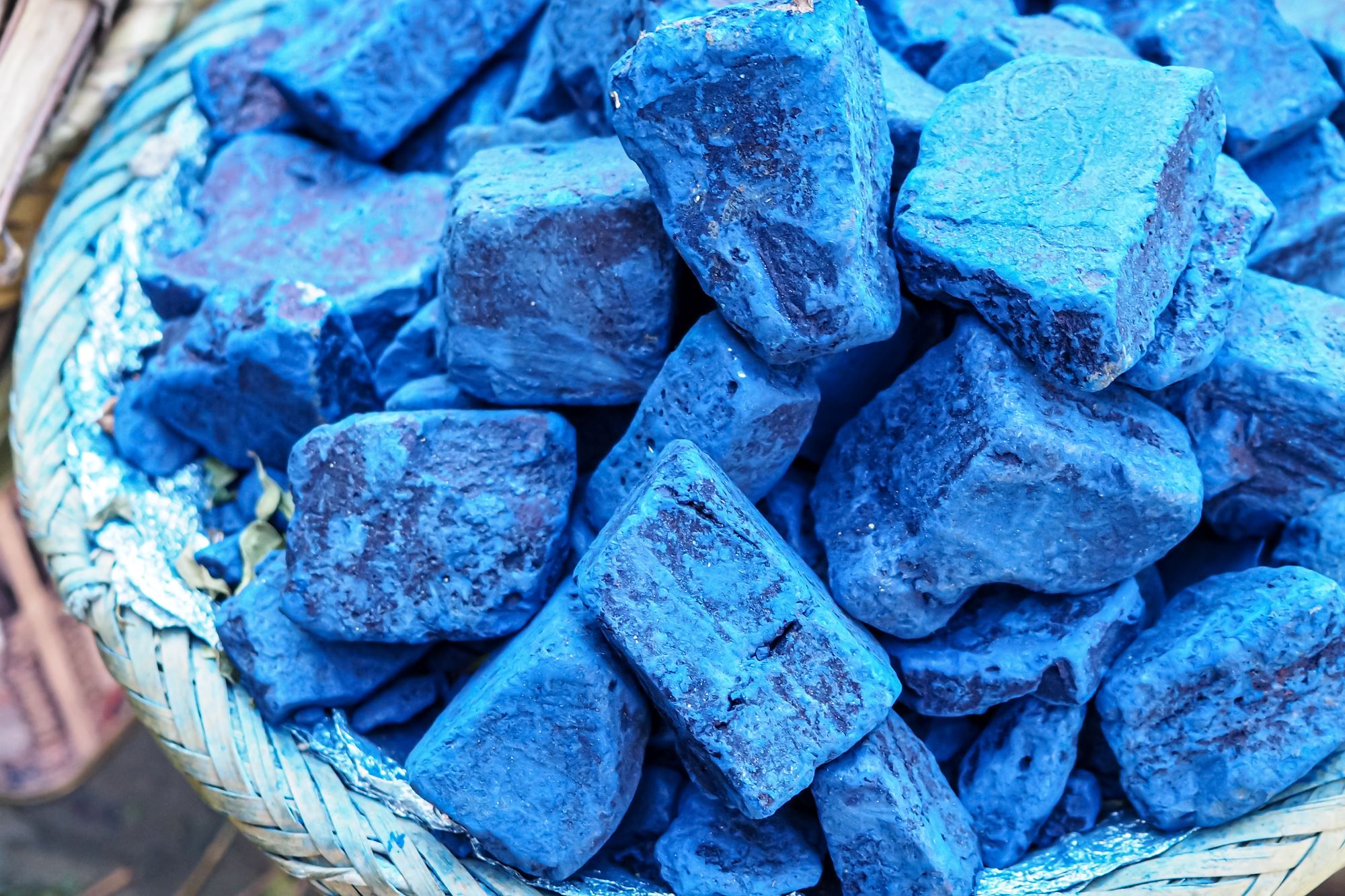
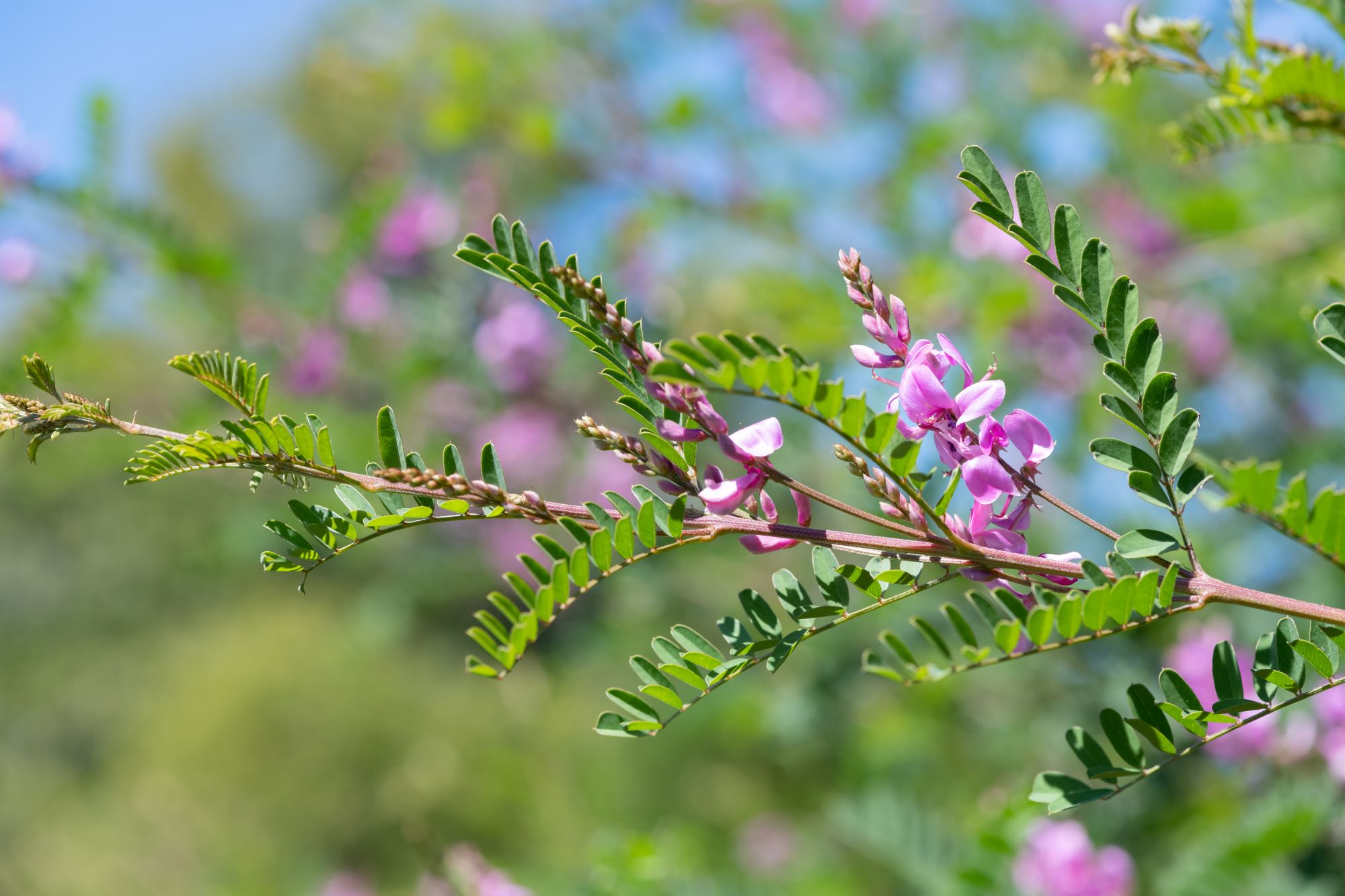
We utilize either natural or pre-reduced indigo. Natural indigo is produced by Stony Creek Colors in Tennessee, where they cultivate Indigofera plants as a regenerative rotational crop. Being legumes, these plants can capture carbon in the soil and fix atmospheric nitrogen, thus improving soil quality. The company’s primary goal is to provide a traceable, 100% plant-based dye that enhances farm ecosystems while addressing climate change, and to harness the power of nature to replace synthetic, petrochemical-derived colorants. Thanks to Archroma’s innovative reduction process, this natural indigo is optimized for industrial production.
Pre-reduced indigo serves as an environmentally conscious alternative to conventional indigo powder. Although it is more expensive, it reduces the use of sodium hydroxide by 52% and sodium hydrosulfite by 63%. Both of these chemicals are necessary for bonding indigo to the cotton fibers.
Our major innovations in denim dyeing
We have recently introduced several innovative technologies and materials into our dyeing process alongside indigo to enhance sustainability.
Sound Dye utilizes ultrasound to rinse the yarn, generating microbubbles that implode to create powerful shock waves. This effectively removes excess unfixed indigo.
N-Denim is a no-fade technology that enhances indigo penetration into the yarn. By using nitrogen to delay oxidation, this method enables deeper dyeing and results in fabrics that retain a clean, fade-resistant appearance. N-Denim reduces the number of dyeing vats from seven to two and eliminates harmful chemicals such as hydrosulfites.
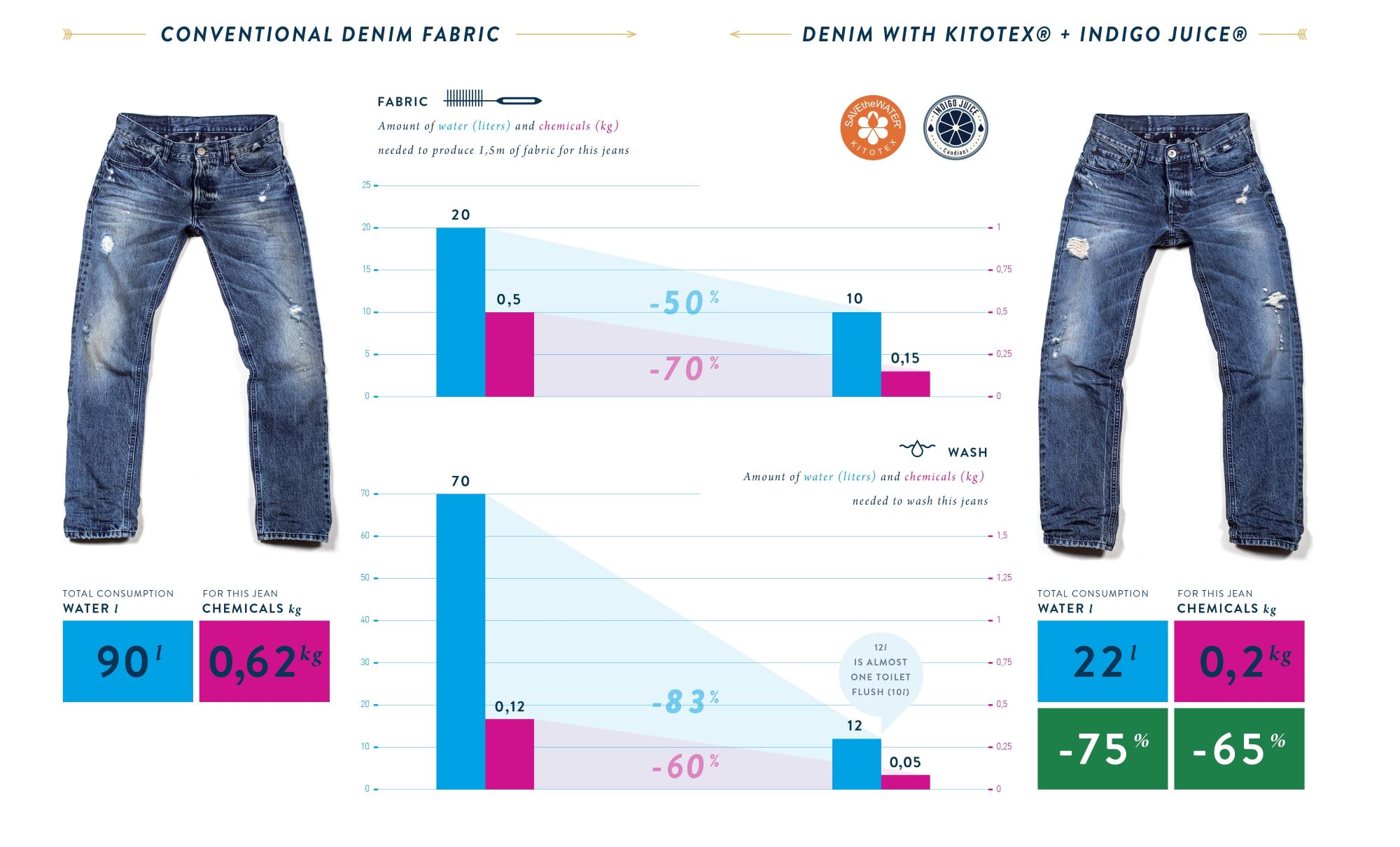
In contrast, Indigo Juice® is a dyeing technology designed to create premium vintage aesthetics with easy fading. It works well with laser and ozone treatments in industrial laundries, keeping the dye on the surface of the yarn. This process allows for substantial savings in water, energy, and chemicals. When combined with Kitotex®, the results are even better. We used our internal management system to compare it to jeans made with conventional methods. Those made with Indigo Juice® and Kitotex® used 75% less water and 65% fewer chemicals throughout production and washing. Notably, the washing process experiences an impressive 83% reduction in water use and 60% in chemical use, thanks to these sustainable dyeing technologies. This information is valid only for this 100% cotton fabric and this specific wash.
About Kitotex® and microplastics
Kitotex® is designed to replace polyvinyl alcohol (PVA), which is commonly used in the sizing process to fix indigo and make the yarn more resistant on the loom. Instead, it uses chitosan, a non-toxic, biodegradable material. While PVA can be biodegradable, it requires specific conditions that most wastewater treatment facilities currently do not provide. Research published in the International Journal of Environmental Research and Public Health indicates that up to 75% of PVA can persist in the environment, contributing to the significant issue of microplastics. According to the United Nations Environment Programme (UNEP), approximately 9% of all microplastics found in the oceans originate from microfibers released by textiles.
Chitosan is derived from chitin, the second-most-common natural polymer in the world. Although it can be sourced from various renewable materials, we exclusively use fungal chitosan derived from Aspergillus niger. Chitosan offers numerous advantages:
- It cleans wastewater by removing pollutants and heavy metals.
- It breaks down organic matter to reduce the volume of sewage sludge.
- It acts as a coagulant, facilitating particle removal.
- It has bacteriostatic properties to inhibit bacterial growth.
- It enhances color saturation, improving the aesthetics of denim.