
 Log into your account
 Register




Supply chain transparency is all about unlocking the story behind the products we use every day. It means that companies openly share accurate and verified details about where and how their materials and products are sourced, made, and delivered. By doing so, they provide insight into the social, environmental, and economic effects of their offerings. This level of transparency not only empowers consumers but also holds businesses accountable, ensuring that they prioritize ethical practices throughout their supply chains.
Traceability of raw materials
Traceability refers to the ability to identify and trace the history, distribution, location, and application of products, parts, materials, and services. This process allows for tracking the movements and transformations of raw materials, as well as the ingredients and finished products throughout the supply chain, from their origin to the end consumer. Traceability plays a vital role in ensuring the responsible sourcing of raw materials, fair labor practices, and the use of eco-friendly production techniques.
In the textile industry, transforming raw materials into finished textiles involves many steps, including sourcing and manufacturing, resulting in a complex and dispersed process with a vague network of partners and limited information.
Traceability is essential for addressing social, environmental, and economic issues:
- Social responsibility: it ensures that workers are treated fairly, that labor rights are respected, and that working conditions are safe and healthy. Additionally, traceability systems monitor the impact of products on local communities, ensuring that there are no social inequalities or human rights violations
- Environmental impact: traceability helps companies identify and manage environmental impacts throughout the supply chain, including greenhouse gas emissions, water consumption, and waste generation
- Economic efficiency: it promotes economically efficient production and distribution models, ensuring that resources are utilized effectively and that stakeholders equitably share the benefits. Furthermore, traceability verifies the economic impact of products and identifies areas for improvement to enhance efficiency and reduce costs. Increased transparency and accountability within the supply chain contribute to consumer loyalty over time and positively influence the reputation of brands and companies
In summary, traceability can significantly improve the lives of workers, promote economic development, reduce poverty, and address environmental challenges. Moreover, it fosters economic sustainability, enhances efficiency, and builds consumer trust in brands and companies.
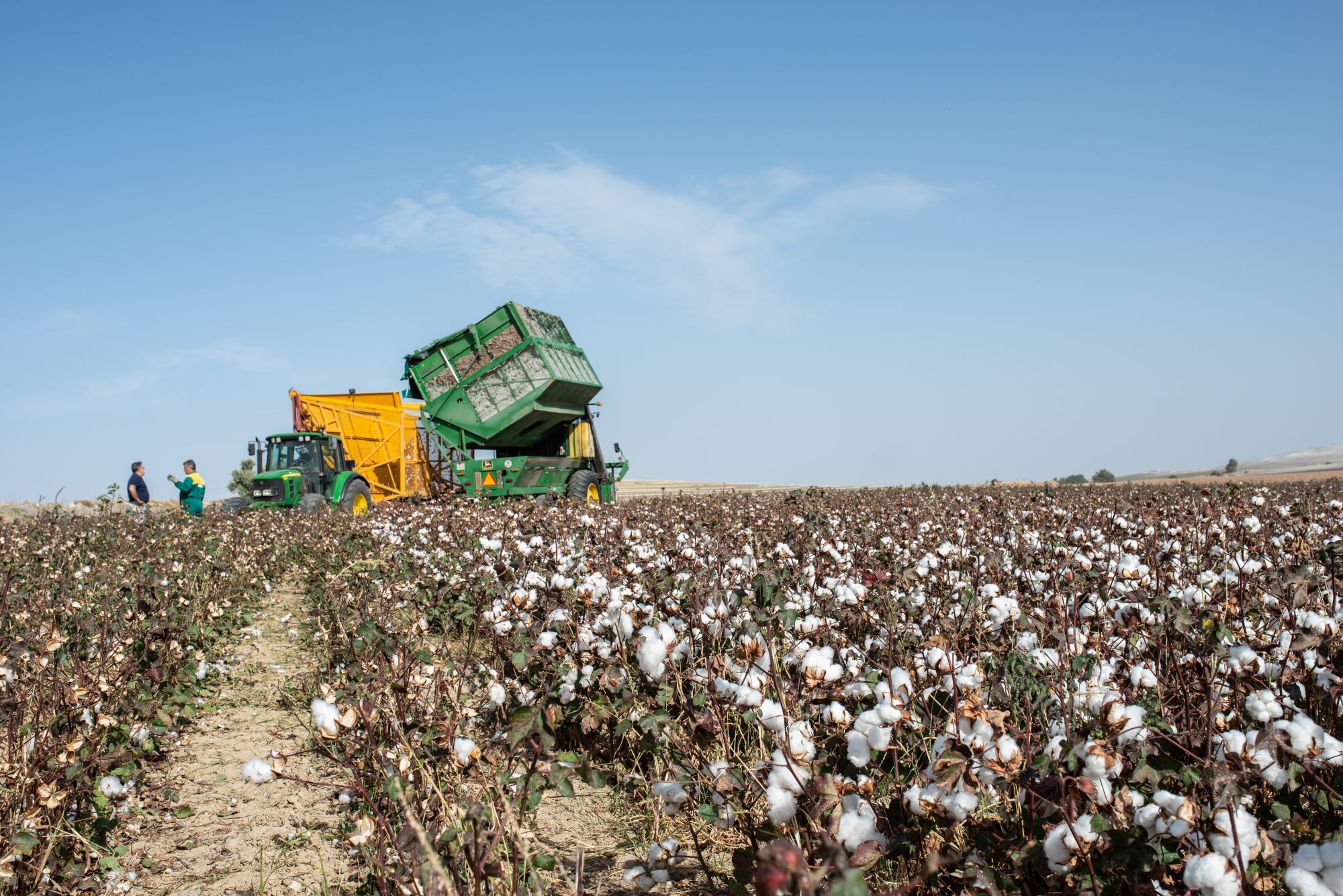
Why is supply chain transparency important?
Traceability leads to transparency, enabling a company to provide clear and accurate information about its supply chain practices to stakeholders. This encompasses details about where and how products are sourced, manufactured, and distributed.
In essence, supply chain transparency means that a business is fully aware of what occurs at every stage of its supply chain and can effectively communicate well-defined, fact-based information about its operations both internally and externally. The benefits of transparency include:
- Quality assurance: brands can maintain strict quality control standards throughout the entire production process, ensuring consumers receive high-quality products that meet their expectations
- Ethical labor practices: potential issues related to labor rights, working conditions, and fair wages can be easily identified and addressed. By understanding where and how products are made, brands can guarantee that workers are treated ethically and fairly
- Environmental sustainability: brands can monitor the environmental impact of their production processes, from raw material-responsible sourcing to the finished product. This awareness allows them to identify areas for improvement in sustainability, such as reducing water and energy consumption, minimizing waste, and utilizing eco-friendly materials
- Consumer trust: consumers are more likely to trust a brand and its products when they know the brand is committed to transparency. This trust builds loyalty, leading to increased customer satisfaction and an enhanced brand reputation
- Stronger supplier relationships: transparent communication and collaboration can strengthen partnerships with suppliers and improve overall efficiency, helping to prevent potential supply chain disruptions
- Regulatory compliance: transparency also aids companies in complying with relevant regulations and standards
Monitoring practices
Monitoring practices are essential for ensuring traceability and transparency, allowing for the sharing of reliable information. These practices may be mandatory to comply with applicable regulations or voluntary to help companies adhere to higher standards.
Key monitoring practices in the textile industry include:
- Third-party audits: independent auditors evaluate factories to ensure compliance with labor, environmental, and social standards. These audits verify working conditions, fair wages, and adherence to ethical codes of conduct. They also assess environmental impact, including chemical usage, water consumption, and waste management
- Traceability systems: implementing robust traceability systems enables brands to track products from raw materials to finished goods. This helps brands identify potential issues, ensure product quality, and verify the authenticity of materials. Blockchain technology can be utilized to create transparent and immutable records of the supply chain
- Social audits: social audits focus on evaluating working conditions, labor practices, and employee well-being. They help identify and address issues such as forced labor, child labor, and discrimination. By improving working conditions, social audits can enhance the reputation of brands
- Environmental audits: environmental audits assess the impact of textile production on the environment, including water usage, energy consumption, and chemical emissions. These audits help identify areas for improvement and promote sustainable practices. By reducing their environmental footprint, brands can contribute to a more sustainable future
- Chemical management: monitoring the use of chemicals throughout the supply chain is crucial for minimizing environmental and health risks. Regular assessments and certifications, such as OEKO-TEX® Standard 100, can help ensure that products are free from harmful substances
The Digital Product Passport
The Digital Product Passport (DPP) will be introduced in the EU to enhance consumer transparency and empower individuals to make more informed purchasing decisions. The DPP will contain comprehensive information about a product’s entire lifecycle, including:
- Product identification: a unique identifier for the product
- Material composition: the materials used in the product’s construction
- Environmental impact: details about the product’s carbon footprint and other environmental effects
- Social impact: information about labor conditions and ethical practices involved in the product’s production
- Durability and repairability: insights into the product’s lifespan and its potential for repair or reuse
- Recycling and disposal instructions: guidance on how to properly dispose of the product at the end of its life
Short supply chains
Short supply chains are an effective way to ensure transparency. In contrast to the long, complex global supply chains we often see today—loaded with intermediaries, contractors, subcontractors, suppliers, and manufacturers that are difficult to trace—short supply chains offer a more straightforward approach. Many production processes have shifted to low-cost countries, where information can be scarce, and distances from the final markets are significant. This is particularly true in the textile industry.
Short supply chains are easier to trace because they involve closer proximity between producers and consumers. Typically, there is a direct or close social relationship between them, with a limited number of intermediaries involved and, therefore, fewer potential points of failure or miscommunication. This geographical closeness, along with fewer suppliers and manufacturers, ensures comprehensive oversight of the supply chain, guaranteeing that products maintain a high level of quality.
Here are some specific reasons why short supply chains are easier to trace:
- Reduced complexity: with fewer suppliers and fewer handoffs between parties, it’s easier to track a product’s journey
- Stronger relationships: shorter supply chains often foster closer relationships between producers and consumers, enhancing communication and collaboration
- Greater visibility: having fewer intermediaries allows for better insight into where products originate and how they are produced
- Easier implementation of traceability systems: shorter supply chains are better suited for implementing technologies like blockchain, which can track products from their origin to the consumer