
 Log into your account
 Register

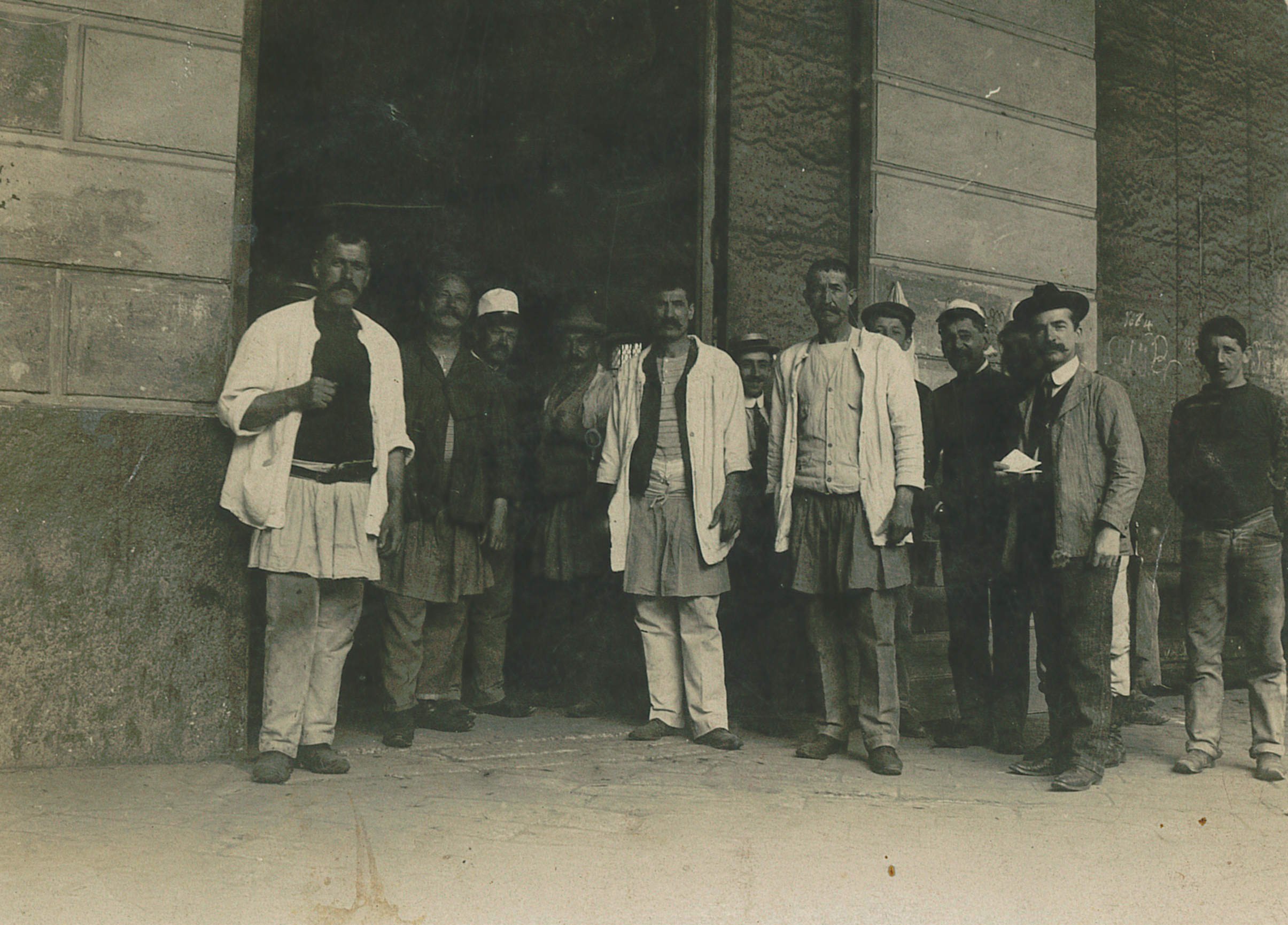


Long before denim became the universal symbol of youth, rebellion, and style, it had humble beginnings rooted in European craftsmanship. Imagine the bustling streets of medieval Italy and France, where skilled weavers were hard at work creating durable blue fabrics using plant-based dyes and mixed fibers. From the lively port of Genoa, renowned for its sturdy materials, to the mills of Nîmes, which would give birth to the world-famous Serge de Nîmes, the evolution of denim is a captivating story of cultural exchange, innovation, and necessity that doesn’t start in America—as many think—and unfolds through centuries, shaped by adventurous sailors, hardworking miners, passionate artisans, and visionary designers. Every stitch tells a story, and even today, denim continues to adapt and reinvent itself, proving that it’s more than just clothing; it’s a symbol of spirit and resilience. Get ready to dive into the fascinating world of denim, where the past and present weave together beautifully!
Origins of jeans
We pride ourselves on our Italian roots in denim and love to share their history! The fabric known as medieval fustian, made from cotton, hemp, and linen, is a direct predecessor of modern denim. Blue-dyed fustian originated in Italy and France around the 12th century and became popular in the following centuries. The blue dye was derived from woad, a plant native to Europe.
A manuscript discovered in 1945 describes the techniques and artistry of fustian. In the 15th century, the city of Chieri in Piedmont competed with the French Nîmes—where the name “denim” comes from, meaning “from Nîmes”—in the production of blue fustian. The renowned Serge de Nîmes was originally a twill fabric dyed with woad, made of wool, and later blended with cotton and hemp. Unlike today’s denim, which features a 3x1 weave with blue-dyed yarn in the warp, fustian has a 2x1 weave with blue-dyed yarn in the weft.
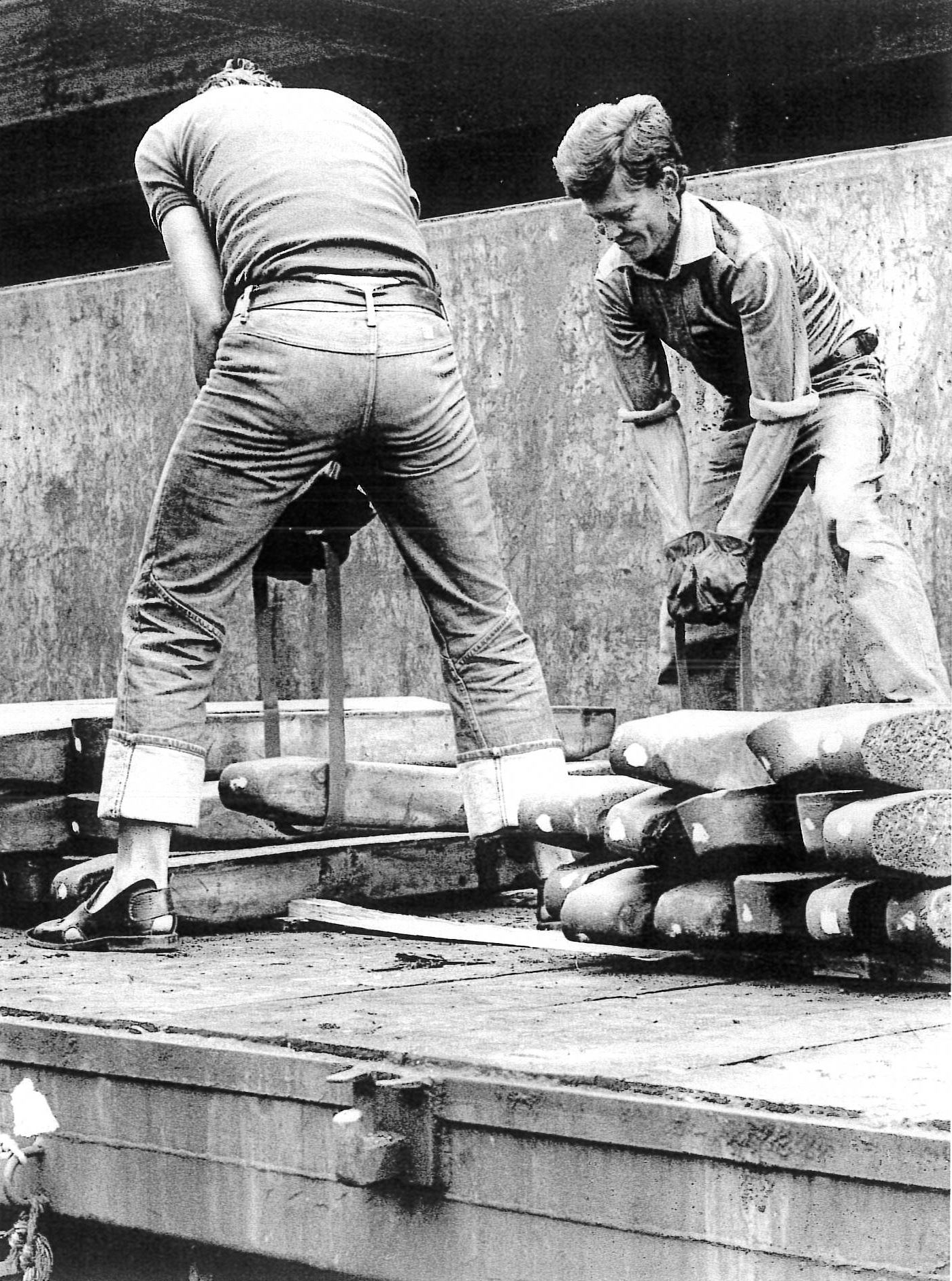
The fabric produced in Chieri was sold to sailors working in the port of Genoa. They initially used it to cover their goods and make sails, and by the 16th century, it became popular for creating durable workwear. The blue color also effectively concealed stains. A new type of fustian began to be produced in Genoa, which became well-known for its strength and affordability. It was made with cotton instead of linen, hemp, or wool, and indigo-dyed yarns were used instead of woad.
From Genoa to jeans
The sea route opened by Vasco da Gama in 1498 facilitated the import of indigo from India. This pigment proved to be more suitable than woad for dyeing fibers like cotton and flax. At that time, Genoa was one of the most important and progressive ports in the world, making it easy to obtain indigo and export products. As a result, Genoese fustian began to emerge among its European competitors.
Since the 12th century, England had played a pivotal role in the European trade of fustian, particularly the varieties produced in Genoa and the German city of Ulm. By the end of the 16th century, the terms “jean” or “jeans,” which sometimes appeared as “jeanes,” “geanes,” or “jeane,” began to be recorded in English inventories to describe the fustian imported from Genoa. It was indeed common to refer to fabrics using a modified version of the name of their city of origin.
Between the 16th and 17th centuries, the demand for beautiful yet inexpensive fabric in England grew significantly, and fustian was recognized as a viable solution. The Genoese fustian was priced slightly higher than that produced in the English region of Lancashire, particularly around Manchester, starting in the 17th century. Still, it was much cheaper than the fustian made in Ulm. Its average quality, combined with a competitive price, contributed to its success, leading to the widespread use of the terms “jean” and “jeans” to refer to similar products.
Denim in the American working class
The United States is the second country that has played a significant role in shaping denim culture. While the increasing production of fabric in Lancashire also contributed to denim’s popularity, a major breakthrough occurred between 1871 and 1873, thanks to the pioneers of modern blue jeans: Levi Strauss and Jacob Davis. Levi Strauss was a German entrepreneur who had moved to California, where he sold denim fabric intended for miners’ workwear. Jacob Davis was a Russian tailor living in Nevada who invented riveted pants in response to a request from a logger’s wife, who needed durable and comfortable trousers for work.
Davis’s innovation of using metal rivets and double seams to reinforce the weakest parts of work pants proved so successful that he needed to collaborate with his fabric supplier, Strauss, to fulfill the growing orders. To support this production, Strauss financed the establishment of a production chain in San Francisco. On May 20, 1873, they patented the first pair of blue jeans—men’s work pants reinforced with rivets at the pockets and other stress points, initially referred to as “overalls.”
These early jeans featured one back pocket, two front pockets, plus a watch pocket, a strap and buckle on the back of the waistband for a snug fit, and buttons for suspenders. Miners, farmers, cowboys, and other laborers in the Wild West adopted these sturdy and practical jeans as essential gear for their daily tasks. As a result, jeans became a hallmark garment during the California Gold Rush and are still closely associated with the American frontier.
The Japanese revival
When denim brands began mass-producing jeans in the 1960s, they compromised on quality and attention to detail. However, meticulous Japanese artisans, who embrace U.S. culture like no one else, played a crucial role in preserving and enhancing the legacy of original jeans through accurate replicas of this iconic garment. As a result, Japan is now recognized as the third key player in the history of jeans, and the Japanese denim tradition is rich, revered, and globally acknowledged for its exceptional craftsmanship, deep cultural roots, and commitment to quality over mass production.
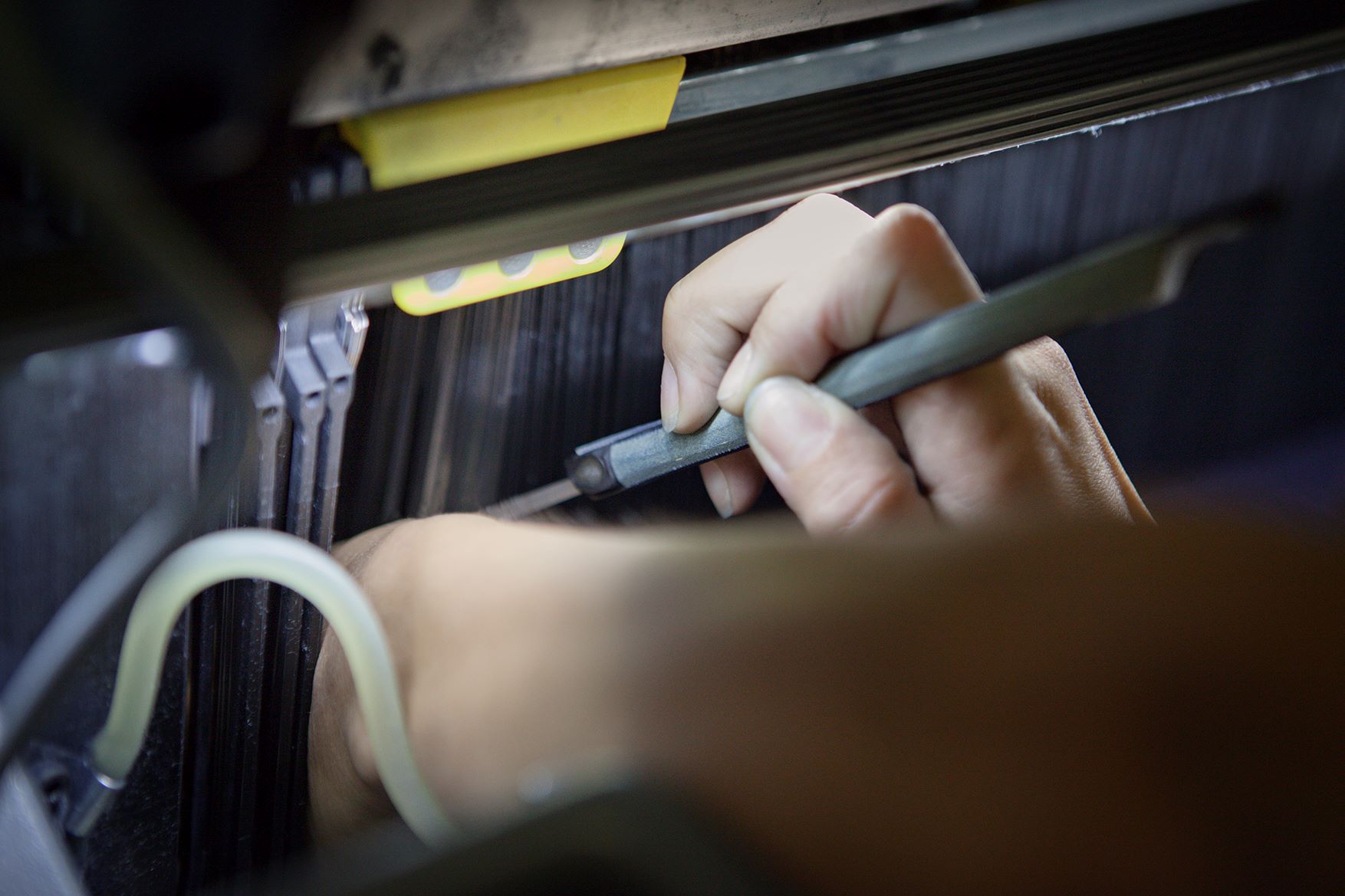
Today, many mills in Japan still use traditional mid-20th-century shuttle looms, particularly in Okayama Prefecture, which is home to the Kojima District, often referred to as the “denim capital” of Japan. These looms produce selvedge denim, characterized by tightly woven edges that create a band—usually white with a colored stitch in the middle. This design prevents the fabric from fraying. Although the production process is slow and labor-intensive, it results in denim that possesses unique character, texture, and durability.
Japanese mills and brands frequently employ slow dyeing techniques that yield rich, deep colors. Fading patterns are highly valued and considered a mark of authentic wear and history. The ethos behind Japanese denim reflects the concepts of wabi-sabi (the beauty of imperfection) and monozukuri (the spirit of craftsmanship), emphasizing a deep respect for raw materials, small-batch production, and premium quality.
Its arrival in high fashion
Before the Second World War, jeans were mainly seen as workwear. However, during the 1930s, popular actors like John Wayne and Gary Cooper started wearing jeans, while famous actresses such as Ginger Rogers and Carole Lombard encouraged women to wear them during their leisure time.
By the 1950s, jeans evolved into casual wear and became symbols of various cultural movements. Icons like Marlon Brando, James Dean, Elvis Presley, Bob Dylan, and even Marilyn Monroe popularized jeans, which initially took root in the film industry before infiltrating the music scene. Young people adopted jeans to express their desire for change and rebellion on a global scale.
In the 1960s, jeans became associated with counterculture movements: they were worn by attendees of Woodstock, civil rights demonstrators, pacifists protesting the Vietnam War, and mods and rockers in Great Britain. Ripped, painted, or patched, jeans were transformed into a medium for expressing ideas freely.
The fashion industry was the last to recognize the potential of jeans in the 1970s. In 1976, Calvin Klein became the first brand to feature jeans on the runway. In Italy, Elio Fiorucci introduced denim to high fashion by creating tight jeans using newly invented stretch denim with elastane, making them highly desirable, especially among women. This success encouraged other designers, including Giorgio Armani, to incorporate denim into their collections. Since then, denim has remained a staple fabric in the collections of leading international brands.