 Log into your account
 Register



Fashion’s transparency is not just a trend; it is a necessity. Traceability refers to the ability to track a garment’s journey—from the farm where the materials are sourced to the fabric production and finally to the finished product. This process empowers brands to make ethical decisions, enables consumers to shop thoughtfully, and ensures accountability throughout the supply chain. In this article, we will examine the increasing importance of traceability and how technology, certifications, and consumer demand are shaping the future of fashion.
What is traceability?
Traceability in the fashion industry refers to the ability to track every step of a product's journey—from raw materials to the finished garment—throughout the entire supply chain. This involves identifying where and how each component was produced, who was involved at each stage, and the processes used.
Traceability is important because it enables brands to be more sustainable and transparent in their operations. It enables better control over water usage, emissions, and waste, while supporting ethical and environmental claims. Additionally, traceability facilitates the monitoring of labor conditions and the prevention of exploitation, thereby upholding human rights. It also empowers consumers and regulators to hold companies accountable for their supply chains.
Certifications are one of the most common tools used for traceability, as they verify specific aspects of a product's manufacturing process, such as its environmental impact, adherence to ethical labor practices, or the content of its materials. These certifications are crucial for establishing consumer trust, ensuring compliance, and promoting transparency throughout the supply chain. They provide brands with credibility, reduce the risk of greenwashing, and assure consumers about a product's origin and ethics. In addition, modern tools like blockchain technology and QR codes are now available to help trace the journey of a product even further.
Blockchain and QR code tech
A blockchain is a digital ledger that stores information across a decentralized network. Once data is entered, it cannot be altered or deleted, ensuring high security and transparency. In the fashion industry, blockchain can enhance transparency by logging each step of a product’s journey. Trusted supply chain partners upload data through secure entries, allowing anyone with access—brands, auditors, and consumers—to view the complete “chain of custody.”
The benefits of using blockchain in fashion include:
- Tamper-proof records: the data is trustworthy and cannot be manipulated
- Real-time visibility: brands can instantly track the production progress of their items
- Accountability: suppliers are less likely to cut corners when their actions are being monitored
- Smart contracts: these automate compliance checks and streamline processes
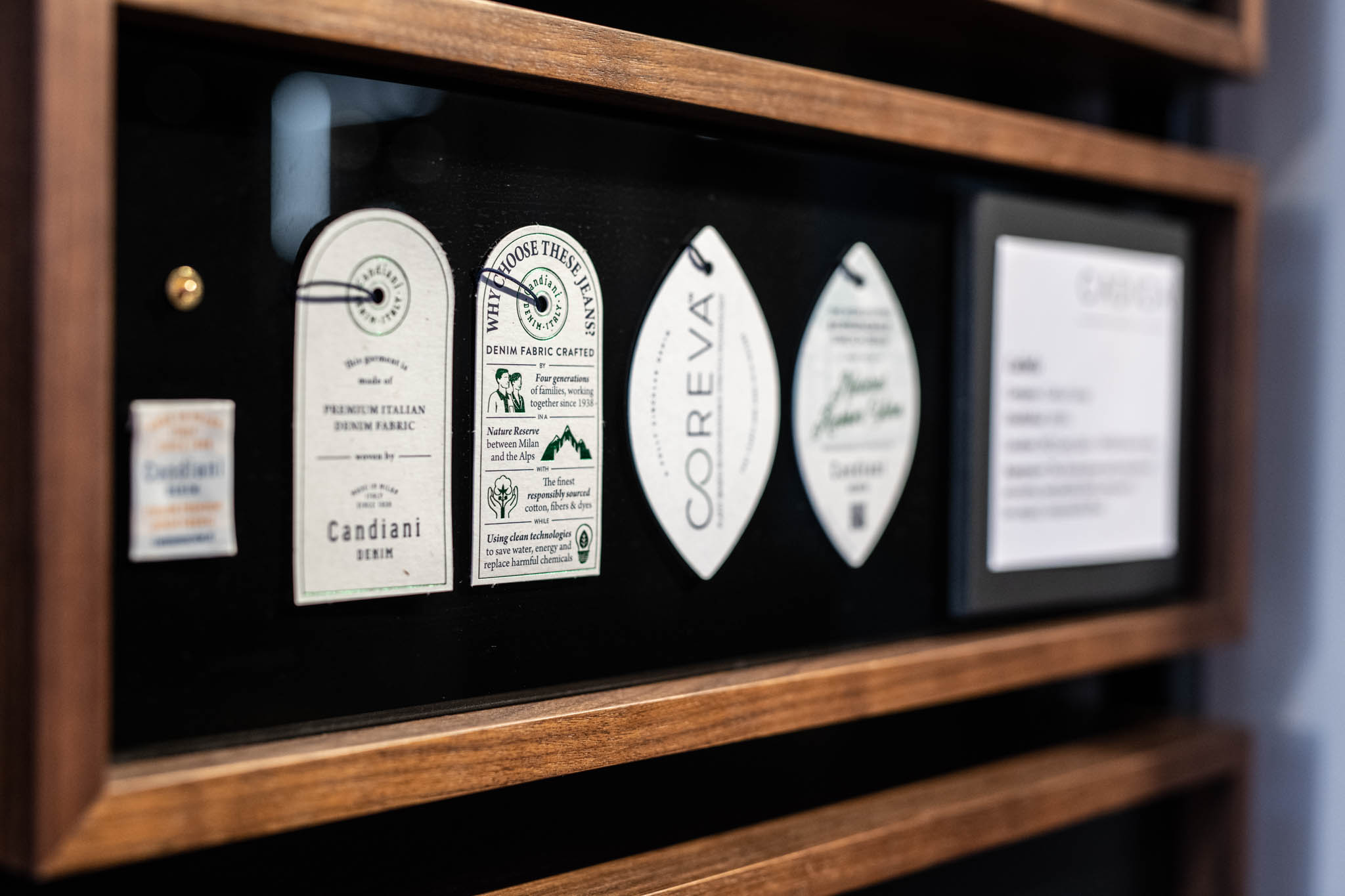
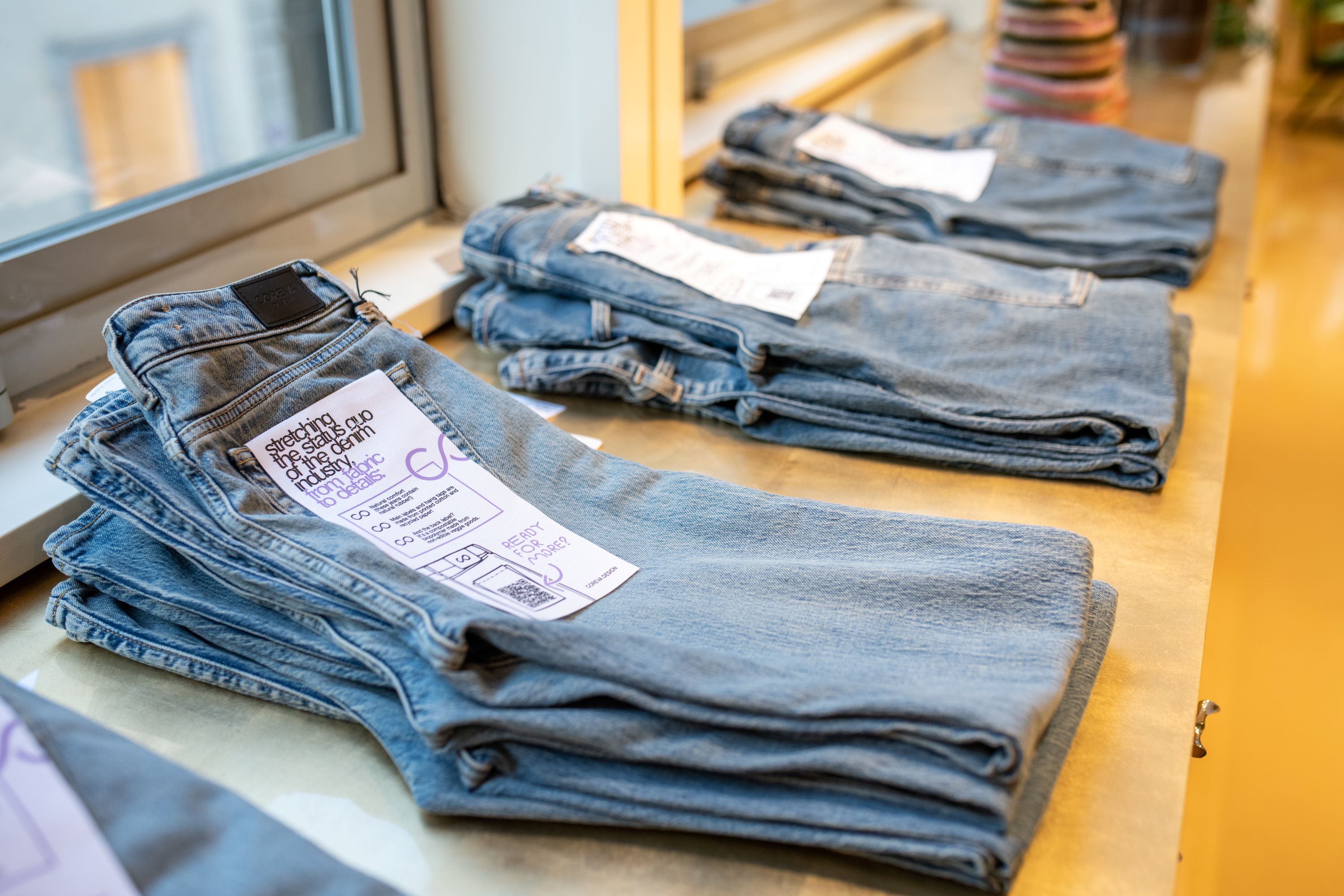
QR (Quick Response) codes are scannable barcodes that link to digital content, such as a product’s origin story, care instructions, or authenticity certificates. These codes are printed on clothing tags or packaging, and consumers can scan them using a smartphone to access the desired information.
The benefits of QR codes include:
- Consumer empowerment: shoppers can make informed purchasing decisions
- Brand storytelling: companies can share their ethical practices and showcase artisan craftsmanship
- Combating counterfeits: QR codes help authenticate limited editions or luxury goods
- After-sales engagement: they facilitate resale, recycling, or repair services
Blockchain and QR codes are often used together. The blockchain provides secure back-end traceability, while QR codes serve as a user-friendly front-end access point. Together, they create the foundation for digital product passports, which will soon be required in the European Union under new sustainability regulations.

Consumer awareness
Consumers are becoming increasingly aware of the hidden costs associated with contemporary fashion systems. They are more inclined to inquire about where products are made and the conditions under which they are produced. Additionally, they no longer trust vague claims and seek tangible proof, such as digital product passports, QR codes, and certifications.
According to a 2020 report by McKinsey, the shock and uncertainty brought on by the COVID-19 crisis have bolstered this sentiment. Over 67% of consumers consider the use of sustainable materials an important factor in their purchasing decisions, and 63% value a brand’s promotion of sustainability in the same way. Furthermore, two-thirds of the surveyed consumers believe that the importance of limiting climate change impacts has increased, while 88% think that more attention should be paid to reducing pollution.
Governments are also demanding greater transparency, particularly in the EU, by introducing initiatives like the EU Digital Product Passport, the Corporate Sustainability Due Diligence Directive, and the Green Claims Directive to combat greenwashing. As a result, consumers are now expecting legally verifiable claims rather than mere marketing slogans.
Candiani’s commitment to transparency
We are dedicated to transparency, and our collaborators share this commitment as well. Our responsible supplier network provides a comprehensive understanding of the entire value chain. We carefully select farmers, producers, and partners focused on continuous improvement and mutual benefit. All suppliers are required to sign a code of conduct that prioritizes the well-being of all stakeholders.
Our core principles for traceable denim include:
- Honesty: we openly disclose the origins of our raw materials and our manufacturing process
- Commitment: we choose only top suppliers and implement effective traceability procedures from cotton to finished product
- Quality: we produce high-quality denim while being mindful of environmental impact and worker welfare
- Efficiency: traceability enhances the operation of our factory and supply chain, facilitating problem-solving and timely shipping
- Accuracy: vertical integration allows us to monitor and address production issues swiftly, ensuring responsiveness to client needs
- Reliability: we are committed to sustainability and expect our suppliers to uphold the same standards, especially as the textile industry faces significant challenges
- Speed: we adapt to evolving market conditions through effective traceability
- Planning: we proactively anticipate the need to create innovative, sustainable fabrics and minimize impact
- Pride: we understand that sustainability is a journey, not a destination. We use data to improve operational efficiency and support our sustainability efforts, and we proudly share our progress
Our integrated management system is guided by voluntary certifications that ensure environmentally friendly and socially responsible practices and products. We rigorously audit our factory to ensure compliance with these standards, focusing on minimizing environmental and social impact while safeguarding consumer health. Ultimately, we believe that sustainability is meaningful only when shared, and we are committed to demonstrating how a company can thrive while respecting the planet.