 Log into your account
 Register




If you’ve ever wondered what denim is made of, you’re in the right place! The composition of denim fabric has evolved since its early days as 100% cotton, when it was originally designed for workwear. From stretch denim to sustainable fabrics, let’s explore the main materials used in jeans to learn how to evaluate their quality.
What is denim fabric made of?
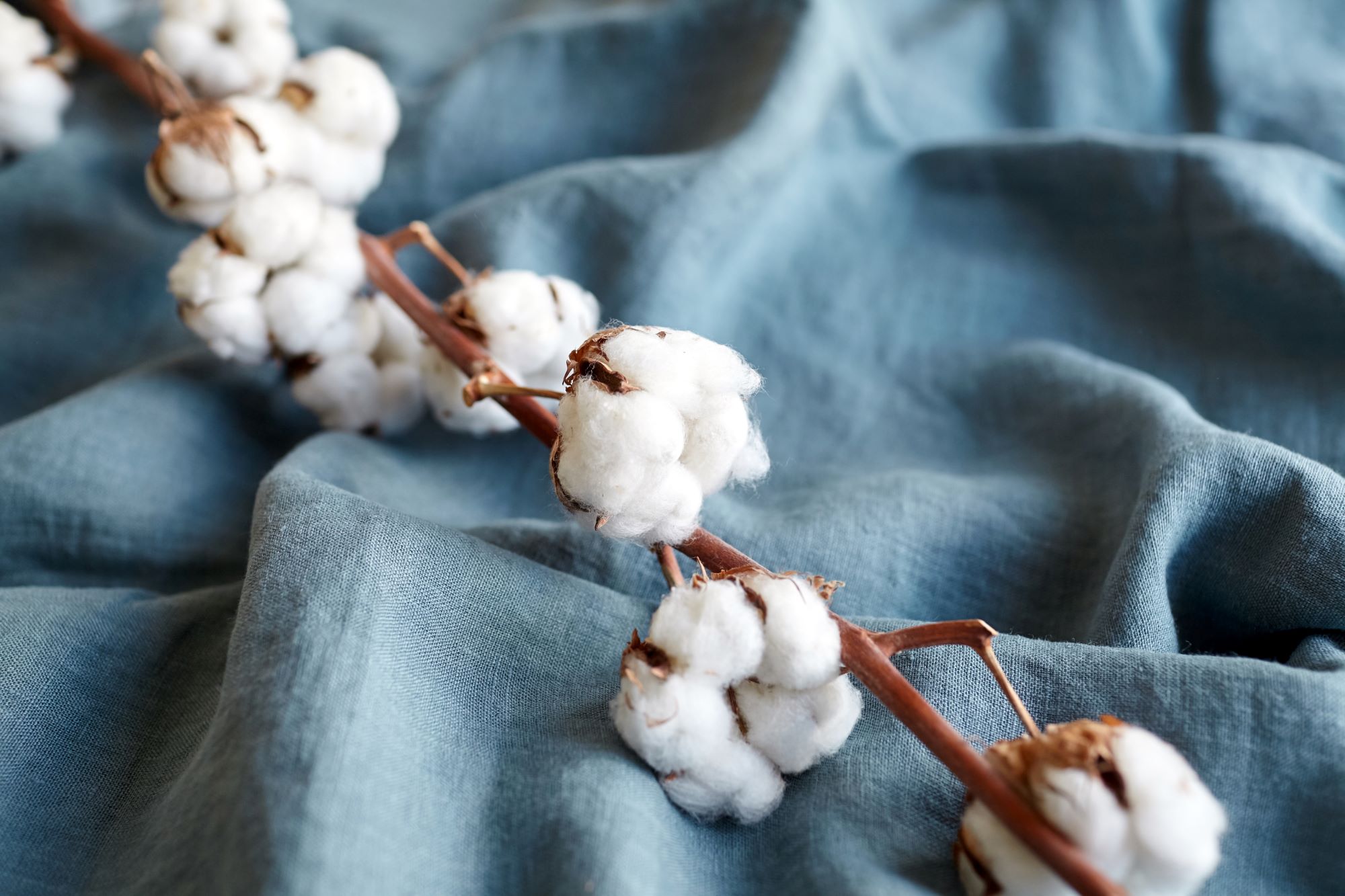
The primary ingredient in denim is cotton, which is classified by various physical properties. The length of the cotton staple is the most important characteristic and determines the fabric’s quality. Long-staple cotton is used to create high-quality textiles, such as lightweight shirts. However, denim originated as workwear, so short-staple cotton was the preferred choice in the industry. Upland cotton, in particular, was strong enough and cost-effective, making it a popular option. Additionally, denim yarns are thick, allowing even shorter staples to remain durable. As denim evolved into a premium product, extra-long staples were also introduced to produce higher-quality fabrics.
The second key ingredient in denim is indigo. While blue fabrics have always been in demand, indigo replaced the local European woad traditionally used for dyeing during the Middle Ages, especially as trade with Asia expanded via new sea routes. Indigo was also dark enough to maintain a clean, professional appearance in workwear. Until the late 19th century, only natural indigo sourced from Indigofera leaves was used for dyeing. Today, natural indigo is typically reserved for limited production runs. There are also two forms of synthetic indigo: solid and pre-produced. While solid indigo is less expensive, pre-produced indigo is preferred for environmental reasons, as it reduces the need for chemicals such as sodium hydroxide and hydrosulfite to bind indigo to cotton.
Cotton, elastane, and next-generation fibers
The cotton industry is experiencing significant changes, with fibers grown under preferred programs gaining a larger market share, currently accounting for about 34% of the global cotton market, according to Textile Exchange. Additionally, interest in recycled cotton has increased recently, though it still accounts for around 1% of the total cotton market.
Preferred fibers offer environmental and social benefits over conventional raw materials. The most well-known of these is organic cotton, which aims to enhance soil health, eliminate hazardous chemicals, and protect human rights throughout the supply chain. While organic cotton focuses on standardized processes applied worldwide, regenerative cotton emphasizes outcomes. This flexibility allows practices to adapt to climate, soil conditions, and other factors, making them more farmer-friendly. Regenerative cotton seeks to restore soil health and biodiversity by employing techniques such as reduced- or no-tillage, cover crops, crop rotation, and limited or no chemical inputs.
Elastane, also known as Lycra or spandex, was introduced to the denim industry in the 1970s to create form-fitting jeans. This lightweight synthetic fiber is made from polyurethane and used in various garments, including swimwear and denim, because of its ability to stretch up to five times its original length and return to its original shape without losing elasticity. In jeans, elastane typically forms the core of the yarn, surrounded by cotton.
However, a major drawback of elastane is that it is not biodegradable. Instead, it photodegrades, breaking down into smaller pieces that can release pollutants and enter the food chain. As a result, the denim industry is committed to developing next-generation, bio-based elastic materials to replace elastane without negatively impacting the environment—and potentially offering benefits. Furthermore, fiber blends such as cotton-linen, cotton-wool, and cotton-hemp are gaining popularity for denim fabrics, providing additional advantages.
How yarns shape denim performance
The spinning process determines whether a denim fabric is stretchy. Rigid yarns, which have no stretch, are typically made entirely from cotton. However, they can also be crafted from other natural or synthetic fibers based on the desired quality. While cotton has some natural elasticity, it falls short of the stretch achieved by blending with elastane or other stretch fibers.
Stretch denim provides two main advantages: enhanced comfort from the very first wear and a form-fitting style that maintains its shape over time. In contrast, rigid denim often requires a break-in period to gradually conform to the wearer’s body. Additionally, stretch denim is prized for its ability to retain shape and recover easily after use and washing. However, it is important to note that synthetic fibers can be weaker than natural materials like cotton and may degrade more quickly when of low quality, which can lead to overstretching. Therefore, investing in high-quality stretch denim is essential for ensuring durability and shape retention after multiple wears and washes.
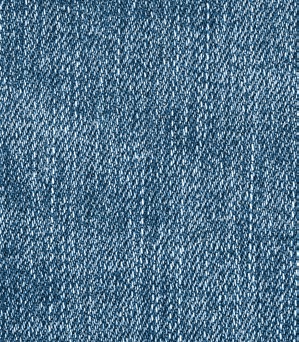
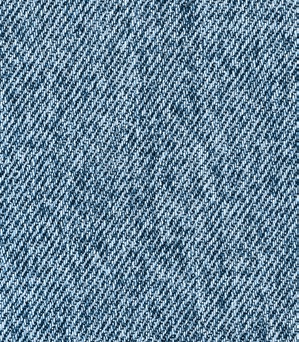
Another key difference in the spinning process is the method employed. Ring spinning is more expensive and time-consuming than open-end spinning. Still, it produces softer and stronger yarns with an uneven texture. This unevenness creates unique surface characteristics that contribute to the authentic denim look, particularly as indigo fades. Conversely, open-end spinning is more cost-effective and involves fewer production steps. Consequently, the yarns produced tend to be bulkier and more uniform because they absorb more indigo. Open-end spinning is the method that defined the 1980s aesthetic, a look that comes and goes in fashion trends.
Ring spinning
Open-end spinning
Dyeing and finishing: what changes the final fabric
Traditionally, warp yarns are dyed with indigo, while weft yarns are left in their natural cotton color, which remains the most popular look for denim. The most common denim construction is a 3x1 right-hand twill, meaning there are three warp yarns for every one weft yarn on the front side. These yarns are intertwined to create a diagonal pattern that runs from the bottom left to the top right. However, today, there are countless options for achieving different aesthetics through various dyes and constructions.
There are two primary methods of dyeing: rope dyeing and slasher dyeing. In rope dyeing, the yarns are twisted and bundled together. In slasher dyeing (also known as sheet dyeing), the yarns are laid out flat like a sheet and passed through several baths before being sized and wound for weaving.
The finishing process is the final step in production, involving treatments to stabilize the fabric and enhancements to improve its appearance, texture, or performance. Key finishing processes include singeing, which cleans the fabric by burning off any fuzz; pH neutralization; and sanforization, which controls shrinkage.
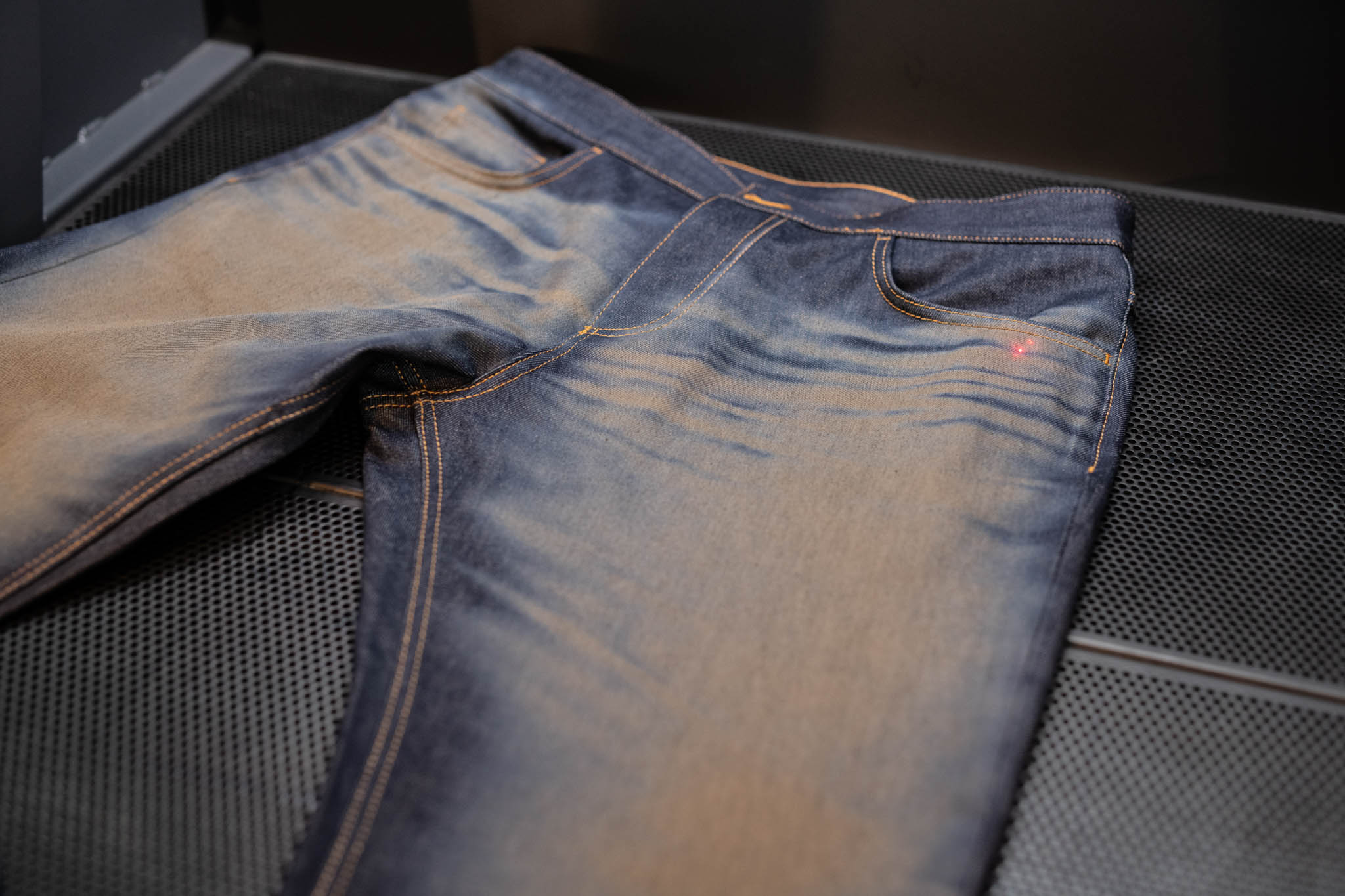
Finishing also refers to garment-finishing treatments applied after jeans are cut and sewn to achieve a specific aesthetic. This mainly involves creating worn-in or vintage looks, in which the indigo is intentionally faded in specific areas through industrial washes or laser treatments.
Sustainable alternatives in modern denim
Sustainable alternatives are now available at every stage of the manufacturing process, covering everything from raw material sourcing to water and energy savings to CO2 emissions reductions. As we saw in the previous paragraphs, there are preferred fibers that outperform conventional options; these fibers are grown using eco-friendly farming techniques that benefit both the environment and agricultural communities. Additionally, certain dyes help decrease the use of harmful chemicals. Recycled and biodegradable fibers are also included among these preferred alternatives, as they support circular economy models. Sourcing materials as close to the manufacturing plant as possible further reduces carbon footprints by minimizing transportation-related emissions.
Dyeing, finishing, and garment-finishing are the departments with the highest water and chemical consumption, making them a primary focus of sustainability discussions. Ongoing research and development efforts are dedicated to discovering safer alternatives to conventional, harmful chemicals and to developing technologies that use less water and energy. These advancements also help lower CO2 emissions.
It is essential to remember that sustainability encompasses not just environmental protection but also the well-being of people. One of the fashion industry’s most critical goals is to eliminate harmful chemicals that can come into contact with skin or be released into waterways. According to the European Parliament, global textile production accounts for approximately 20% of water pollution. Furthermore, workers should receive fair wages and work in safe, healthy environments with reasonable hours.
How to evaluate denim quality from composition
Premium denim is traditionally defined by three key elements: high-quality materials, authentic aesthetics, and superior performance. However, today we must also consider a fourth factor: the use of environmentally and socially friendly materials and processes.
We know that long-staple cotton is of higher quality than short-staple cotton. Thus, when evaluating denim, we should prioritize this aspect to ensure a superior hand-feel. This feature is not necessarily dependent on preferred fiber types, as farming techniques can vary regardless of the cotton variety. However, selecting eco-friendly, farmer-friendly agricultural methods is crucial to ensure that the cotton we wear is grown with care for our planet.
While cotton is an important factor in assessing denim quality, it is just the beginning. We also need to consider other materials involved, such as fiber blends or stretch fibers, as well as their sourcing and performance. Additionally, the type of dye used, the spinning and weaving methods of the yarns, and other production techniques are vital. Certifications can help us evaluate these elements, alongside the producers’ verified claims.
Premium denim is typically made with an attention to detail that is often overlooked in mass production, where speed, uniformity, and cost reduction lead to the commoditization of clothing. It’s important to recognize that what makes denim premium isn’t a single feature but the entire process from seed to wardrobe that contributes to its quality.