 Log into your account
 Register

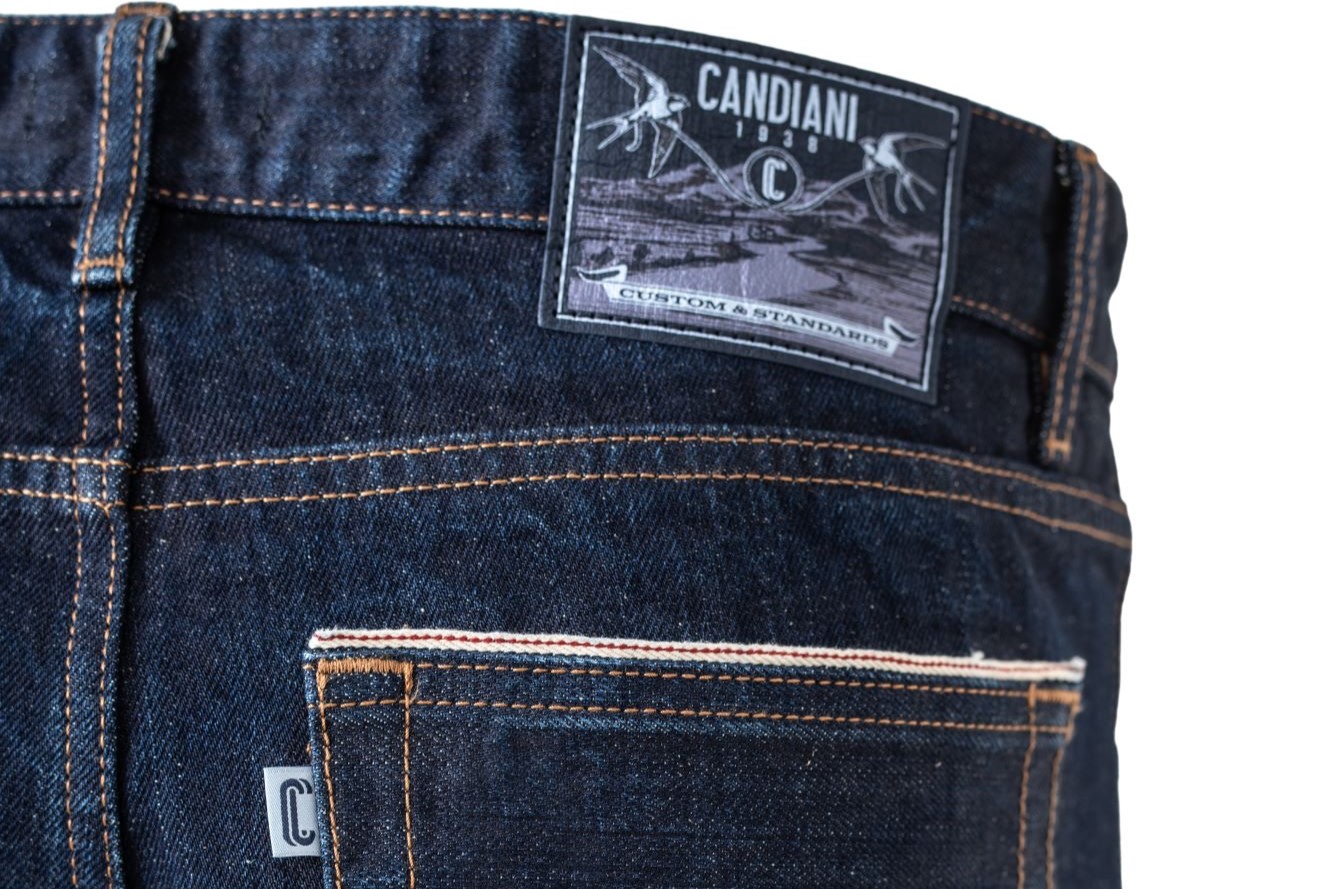


The Candiani Denim Store has just rolled out a limited-edition collection of selvedge jeans crafted from a blend of cotton and Himalayan nettle. These jeans come in the classic 5-pocket, regular-fit style from our Primo Jean, and they’re designed to develop beautiful fading as you wear them, giving you that genuine denim look. Hurry up—availability is limited!
Have you ever thought to wear nettle?
When we think of nettle, the first thing that might come to mind is its notorious sting. But beyond this bad reputation, nettle is actually a versatile plant with some intriguing potential uses. Cooking is often where our brains drift first—who hasn’t heard of nettle risottos or omelettes? But there’s much more to this plant than meets the eye, especially when it comes to textiles.
Nettle has been used in fabric-making for centuries. In fact, the textile applications of nettle date back to the Bronze Age or even earlier. Archaeologists discovered nettle fabric in a tomb on the island of Funen, Denmark, dating between 940 and 750 B.C.!
Fast forward a few centuries, and we find the Ancient Romans incorporating nettle into their tunics and the Napoleonic army using it for uniforms. During both WWI and WWII, nettle was used as a substitute for cotton in Germany due to heavy blockades that limited access to the latter.
What are the features of our nettle-blended denim?
Our nettle-blended denim combines 18% Himalayan nettle with 82% cotton—64% organic cotton and 18% Better Cotton. This fabric features a 3x1 right-hand twill structure and a medium-density construction that results in a unique and authentic character.
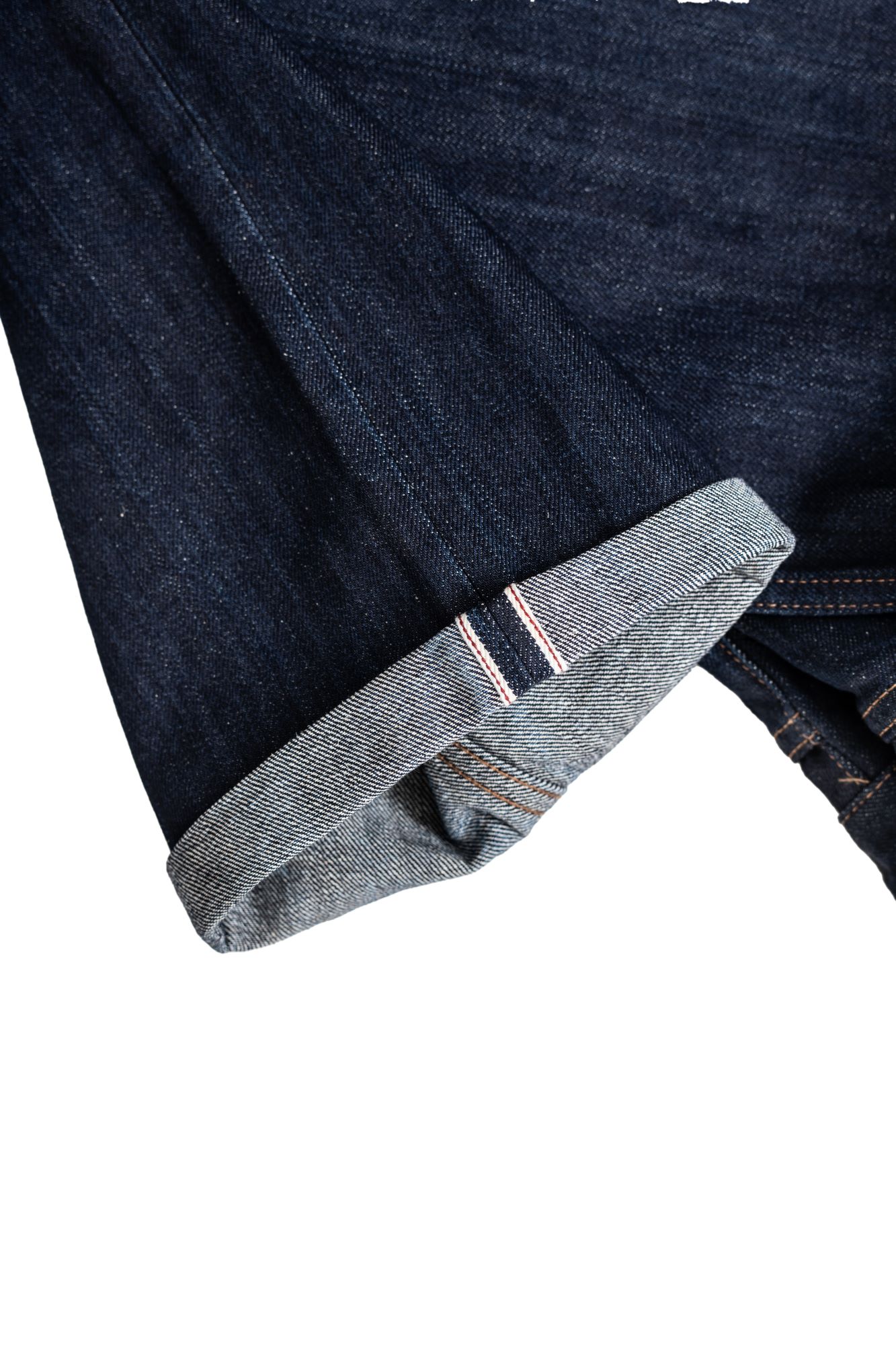
This selvedge denim fabric is woven on traditional shuttle looms that date back to the 1960s. The “self-edge,” a thicker border often in a contrasting hue, was originally designed to prevent fraying. Still, today it’s valued by denim enthusiasts as a symbol of heritage and authenticity. In an era where most production has shifted to faster full-width looms since World War II, selvedge denim stands as a testament to enduring craftsmanship. Our nettle-blended denim features classic white selvedge with red stitching, representing the most traditional construction in the industry.
The deep, double-dip indigo shade is achieved using our innovative Indigo Juice technology, which leaves the dye on the yarn’s surface for a beautiful fading effect with wear or during industrial washing. Wear allows the true, authentic denim aesthetic to shine through as your jeans naturally age, while industrial washing artificially removes some dye to replicate that aging and give jeans a worn-in effect from day one. Additionally, this selvedge fabric undergoes a unique sizing process utilizing our patented Kitotex® technology. Kitotex® is based on chitosan, a smart, non-toxic, and biodegradable material that replaces traditional PVA. Sizing plays a crucial role in reinforcing the yarns as they move through the loom.
Where can you find our nettle-blended jeans?
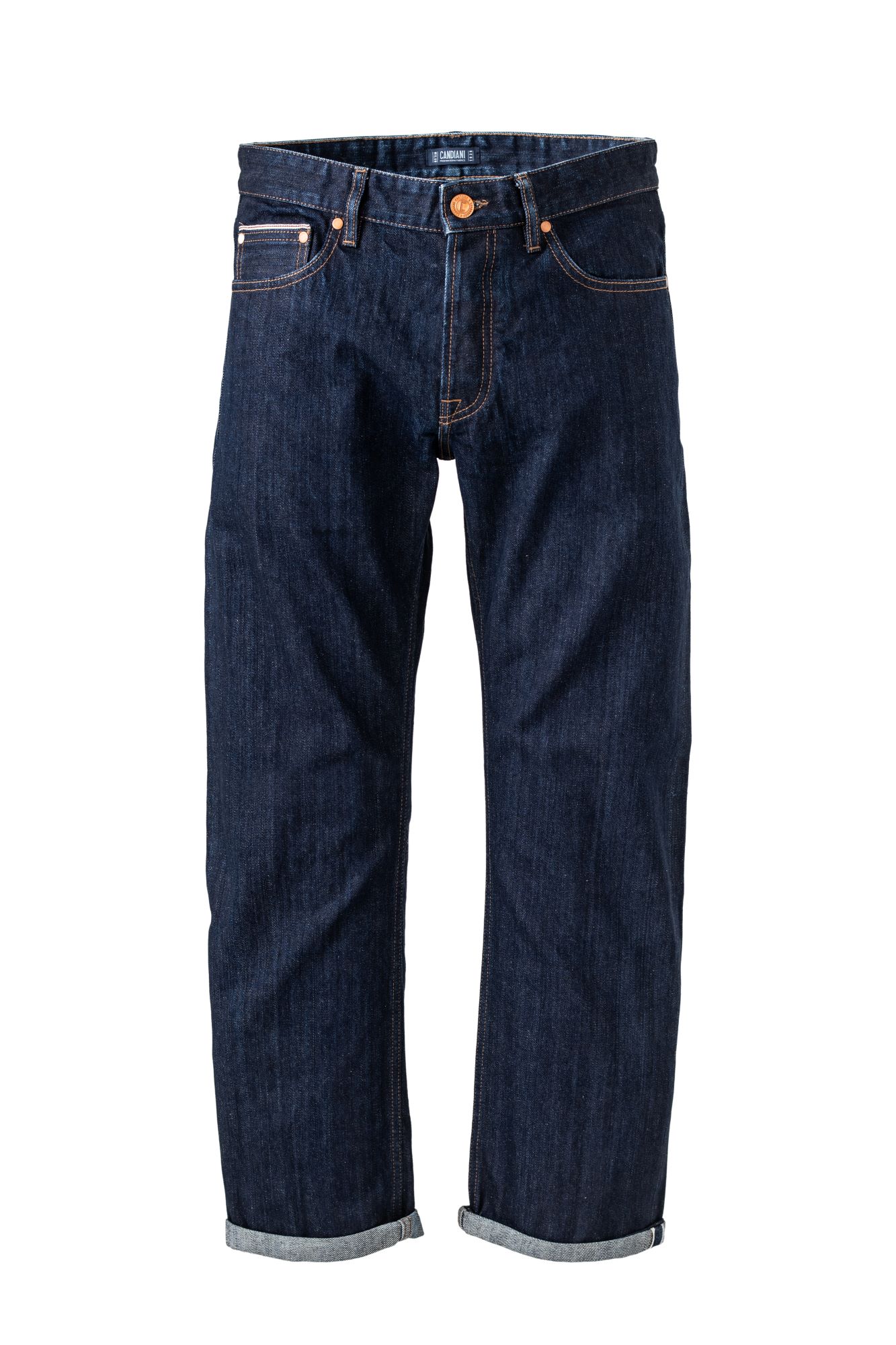
Our nettle denim collection features a limited-edition version of the Primo Jean. Designed with a 5-pocket style and a regular fit, these jeans prioritize comfort and freedom of movement while offering a clean, balanced aesthetic that flatters every body type.
You can choose between two different washes: rinse and medium. The rinse treatment maintains the fabric’s rich original color while enhancing softness and minimizing the risk of shrinkage during domestic washes. As you wear the jeans, they will develop a unique look, with the upper indigo layer gradually fading over time. Medium washing processes artificially replicate this worn-in aesthetic without going too vintage.
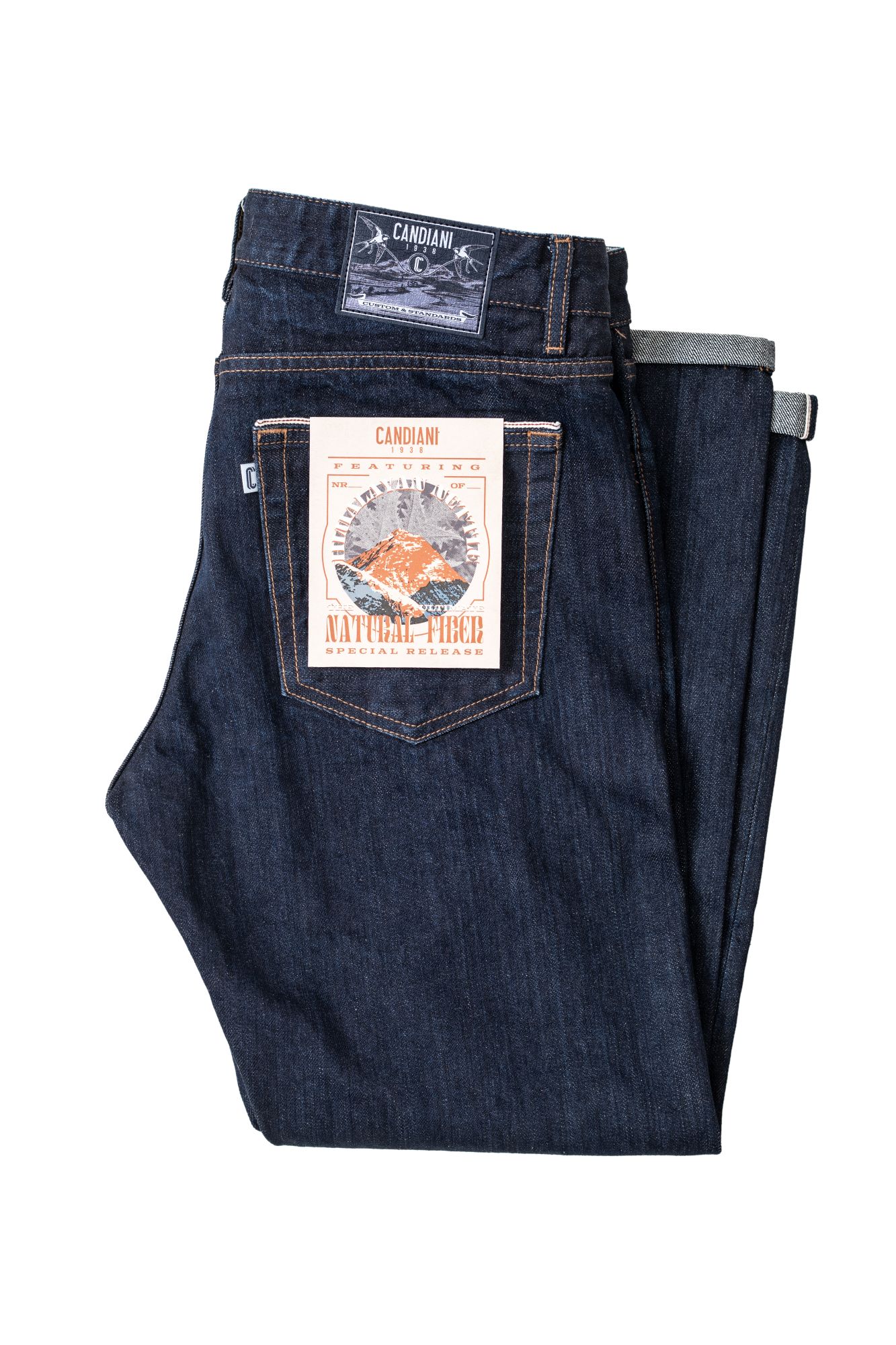
We invite you to visit our Candiani Denim Store at Piazza Mentana 3 in Milan to explore this exclusive collection. Look for the special flasher, heritage back patch, and traditional copper hardware of these limited-edition, nettle-blended selvedge jeans, available exclusively in-store.
Pro tip: we recommend opting for a slightly longer hem to allow for cuffs, showcasing the distinctive selvedge on the inseam.
Where does nettle grow?
Nettle is a widespread plant found in various regions across the globe. It thrives in damp, nitrogen-rich soil and often grows in rugged terrain, undergrowth, along rivers, and even on abandoned land. Yet, it also adapts well to urban environments, commonly found in polluted areas, near railways, and alongside roadsides, particularly where these run parallel to ditches or small canals.
However, nettle has also been cultivated for centuries. Its fibers can be harvested once a year, and its deep, robust roots extend over considerable distances, facilitating the transport of water and nutrients to otherwise barren parts of the field while naturally loosening the soil. This unique characteristic means that nettle requires no irrigation, plant-protective products, or pesticides, as it is generally resistant to diseases that would otherwise necessitate chemical intervention.
Additionally, nettle farming supports local ecosystems. The stems and undersides of nettle leaves provide habitat and protection for small insects during the winter and relief from the summer heat. In turn, these insects can become a food source for various bird species.
What are the benefits of nettle fibers?
Nettle fibers are recognized for their impressive durability and tensile strength, making them an excellent choice for long-lasting clothing and textiles. These unique fibers are not only hollow and porous, allowing them to trap air for natural insulation in colder weather, but also lightweight and breathable in warmer conditions. Additionally, nettle fibers are effective at absorbing and releasing moisture, which enhances comfort against the skin. Often referred to as “Nordic silk,” nettle boasts a soft, flexible texture and a subtle natural sheen.
Beyond their impressive qualities, nettle plants demonstrate remarkable, natural resilience to mildew, pests, and mold. They can thrive in a range of soil types without heavy pesticides or synthetic fertilizers. Notably, nettle requires significantly less water compared to many traditional crops, making it an eco-friendly option. Plus, at the end of their lifecycle, nettle fibers are biodegradable, ensuring they decompose without negatively impacting the environment.
Why do we use Himalayan nettle?
Himalayan nettle fibers, used in our denim fabrics, grow wild in the mountain forests of the Himalayas. They require less water than cotton, relying solely on rainfall and avoiding chemicals. These fibers not only absorb more CO2 but also help stabilize landslide-prone areas when managed sustainably. Local subsistence farmers harvest them during the off-season for extra income.
Himalayan Wild Fibers produces and sells these textile fibers, making a significant economic and ecological impact in Nepal. Remarkably, Nepal’s forest cover is denser now than it was two decades ago. The nettle thrives between 1,200 and 3,000 meters, benefiting from the high-altitude sun, cold nights, monsoonal rains, and natural fertilizers from grazing livestock.
Community Forest User Groups venture into remote forests to harvest Himalayan nettle. They usually cut and peel the stalks in autumn, once they have reached maturity and gone to seed. The harvesters cut above the ground to preserve the underground rhizome, peel off the outer bark, and leave the stalks to decompose, nourishing the forest ecosystem.
Himalayan nettle, similar to flax and hemp, is a bast fiber sourced from the plant stalk. Its distinctive large hollow core not only enhances thermal insulation but also gives it a lightweight feel and reduces wrinkling. What sets Himalayan nettle apart from other bast fibers is its remarkable elongation properties, which spinners appreciate for facilitating easier blending with other fibers.