 Log into your account
 Register



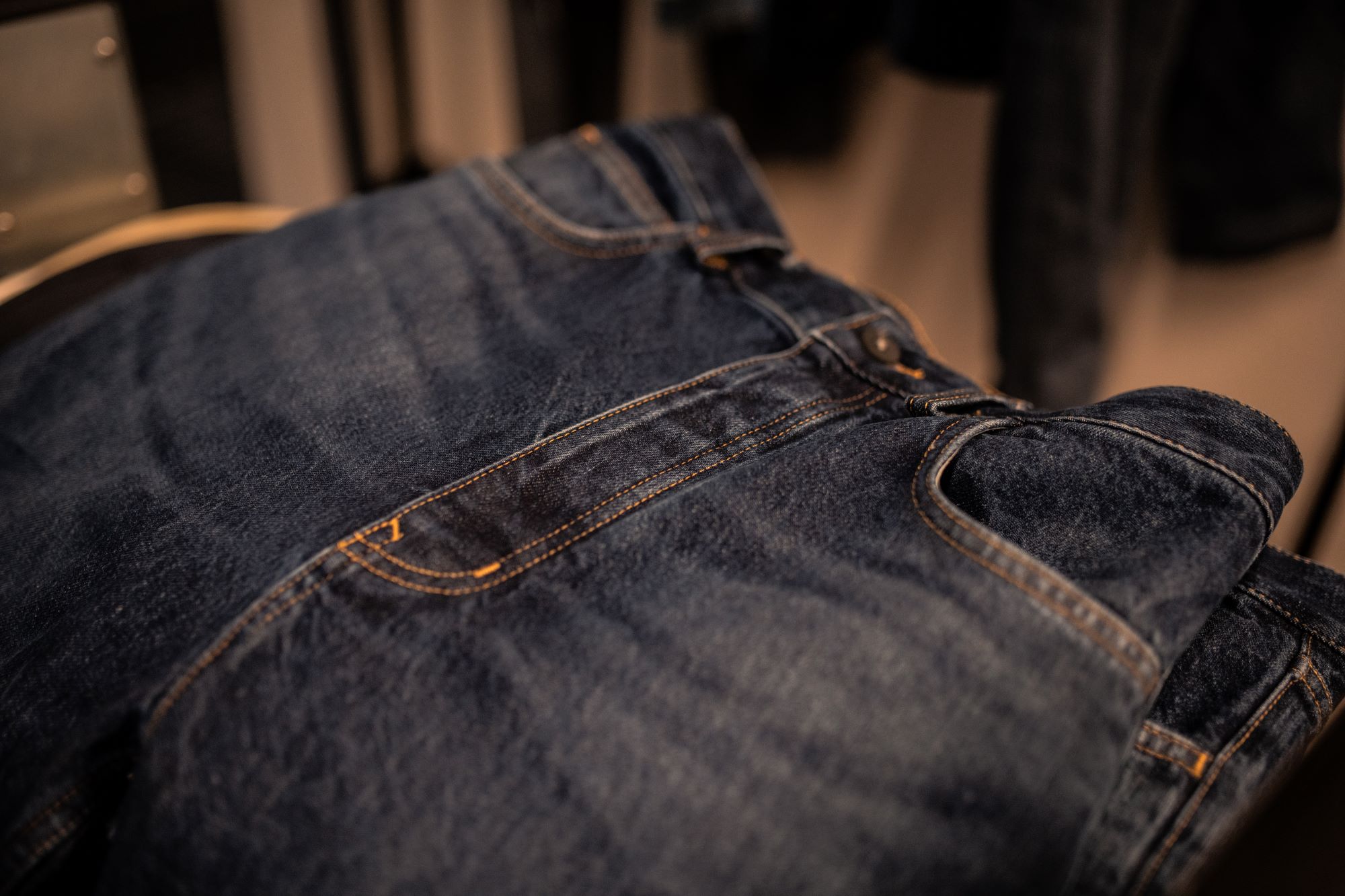
When we think about jeans, we usually focus on the fit, color, and fabric. However, there’s much more to them than meets the eye. Since their invention in 1873, modern blue jeans have come a long way, evolving from rugged workwear to a staple of casual fashion. Despite this transformation, the essential parts of jeans—like the stitching, rivets, and pockets—still give them their unique character and charm. It’s these details that not only enhance their look but also tell the story of why jeans have become so beloved over the years.
Why jeans’ construction matters
When it comes to choosing the right pair of jeans, many people tend to focus solely on the fit. However, it’s essential to consider several other factors that play a significant role in your selection. The entire jeans’ construction impacts their durability, comfort, functionality, and, of course, style.
Everything starts with the fabric, which forms the foundation of the jeans and can also influence the choice of other denim hardware. Denim requires particular treatments and sewing techniques to ensure that all the features we appreciate in jeans are highlighted. It’s not just about matching colors; it’s about ensuring a certain quality. However, many other components have contributed to jeans becoming so recognizable and appreciated over time. Let’s explore them all.
Denim fabric: the foundation
Denim is the most important ingredient in determining the overall look and feel of any pair of jeans. Selecting the right type of denim is crucial because its characteristics can significantly influence both comfort and style. Traditionally, denim is crafted solely from cotton, and its aesthetic and texture can vary greatly depending on factors such as cotton quality, weight, spinning techniques, weave density, and garment finishing treatments. Denim that contains 100% cotton is described as rigid. Although this might imply a certain level of discomfort, it simply refers to the absence of elastic materials. Rigid denim can also incorporate blends, such as linen-cotton or wool-cotton, offering added benefits like breathability and thermal insulation.
As jeans transitioned from functional workwear to fashionable casual attire, consumers began to seek additional benefits in their denim. Historically, workwear denim was quite heavy, designed to withstand rigorous conditions, but it could result in a stiff, rough texture when worn for leisure. While these fabrics typically become more comfortable over time, as they break in and conform to the wearer’s body, this process requires extended wear. The introduction of elastane to the denim industry in the 1970s revolutionized this experience. With the addition of stretch fibers, jeans became much more comfortable right from the start while allowing for a more form-fitting silhouette that flatters the body’s shape.
Fabric and fit choices are closely connected. Stretch denim is versatile enough to create a range of fits, from skinny to baggy jeans. On the other hand, rigid denim tends to work best for regular to wide-leg styles. While it’s a common belief that elastic fabrics always provide more comfort than rigid denim, that’s not always the case. Rigid denim can actually be more breathable, especially if it’s on the lightweight side. Additionally, when properly cared for, rigid denim can last longer. This is particularly true when elastic fibers are of poor quality, as they tend to be weaker than cotton, which can affect the longevity of stretch fabrics.
Seams, stitching, and reinforcement
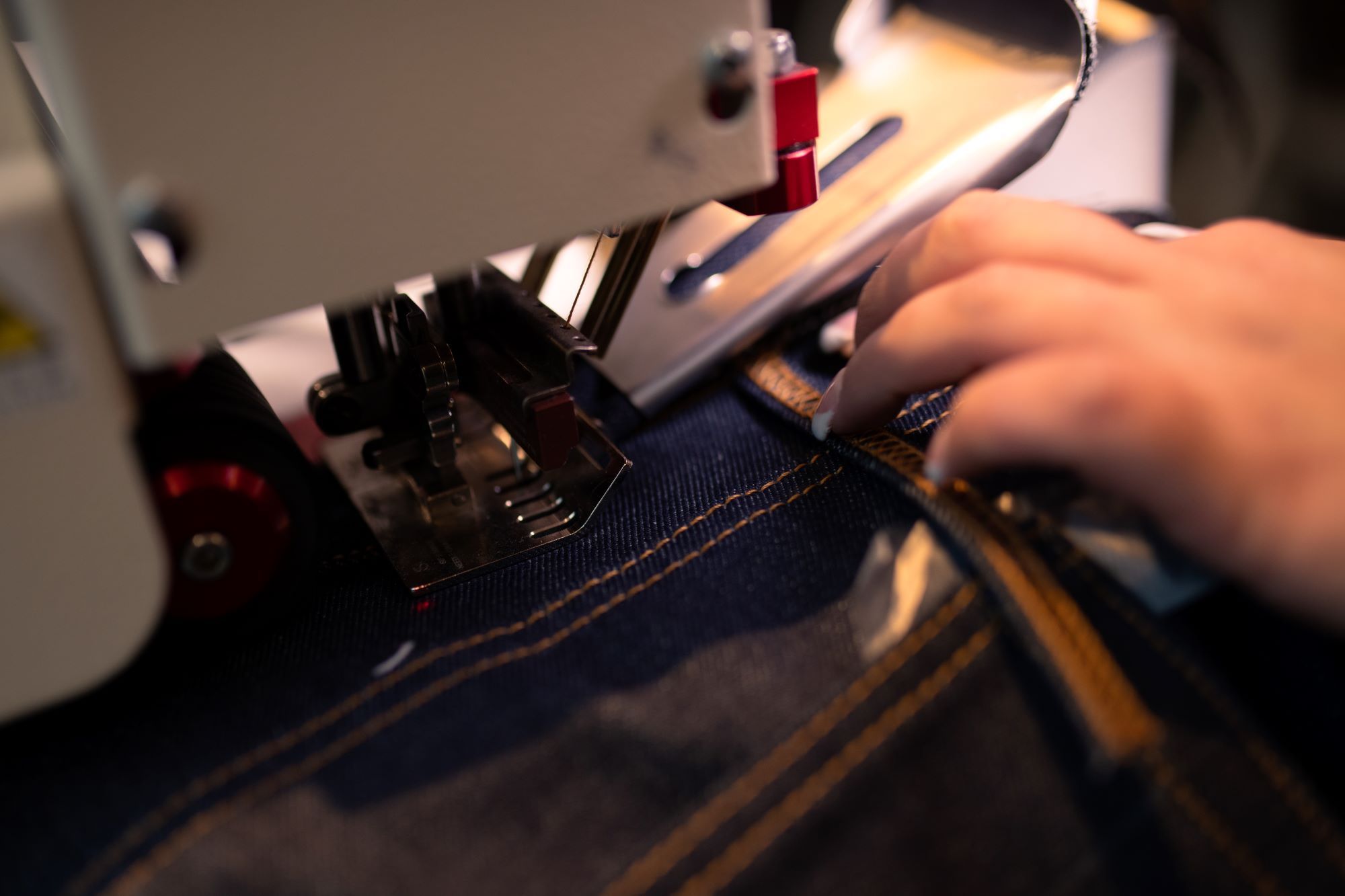
The strength of denim seams is crucial because denim is usually heavier than other fabrics. A key factor in assessing jeans quality is the number of stitches per inch, but flexibility in high-stress areas is equally important to prevent fabric breakage. One technique worth noting is the chain stitch. This method involves using a single thread that loops back on itself, eliminating the need for a bobbin thread. Chain stitches offer more stretch, which is why they’re often found in the waistband and hems of jeans.
Another vital seam to be familiar with is the flat-felled seam. This type of seam interlocks the fabric layers and secures them with two rows of stitching, enhancing durability and allowing the jeans to withstand high stress and movement. For a polished look, these seams need to be clean on both the outside and inside to prevent fraying, lie flat against the skin to avoid chafing, and maintain that classic denim aesthetic.
Additionally, a stay tape, which can be either adhesive or non-adhesive, plays an important role in reinforcing specific areas of a garment during tailoring. When it comes to denim, adhesive stay tapes are commonly used in places like the waistband to help prevent fraying, especially around buttonholes, and to minimize the risk of shrinking after washing.
Pockets, rivets, and functional hardware
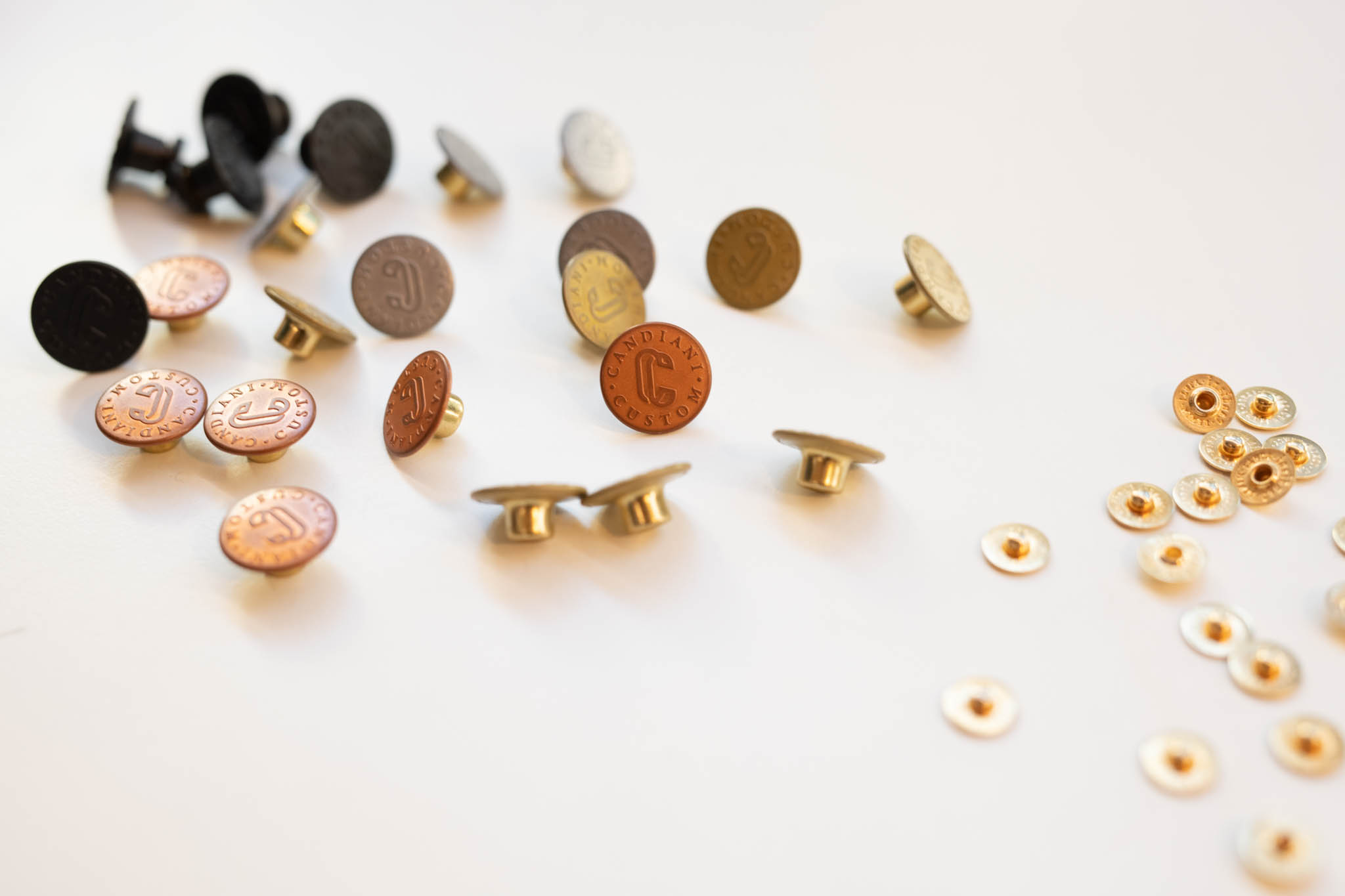
Jeans rivets are the key feature that helped define traditional blue jeans when they were still called “waist overalls” or simply “overalls”. In 1873, Jacob Davis and Levi Strauss secured a patent for these overalls, now known as the first modern jeans, by introducing copper rivets at stress points, such as pockets and the base of the button fly, to reinforce men’s work pants. Today, jeans do not always need to withstand heavy labor, which has led to rivets sometimes being replaced by bar tacks or even becoming obsolete. However, rivets remain one of the most important features of jeans, and many denim enthusiasts continue to value their historical significance.
The number of pockets on jeans has also evolved over time. Originally, the first jeans featured two front pockets, a watch pocket, and just one back pocket. It wasn’t until the early 20th century that a second back pocket was introduced, almost 30 years after jeans were first created. Its debut was documented in 1901.
Other functional elements of jeans include buttons, which are now made from various materials. However, early versions were made of metal. Initially, buttons were used to secure the fly, and until the 1930s, they were also found on the waistband for suspender use. Many of these early buttons were sewn on with waxed linen thread, while later Levi’s® pieces showcased shank-style buttons. The 1950s saw the introduction of zippers, providing an alternative to button-fly pants for those seeking convenience and a more modern look; Levi’s® first zipper fly debuted in 1954.
Waistband, belt loops, and back patches
The design of jeans has changed quite a bit over their more than 150-year history. Before belts became common, jeans included a back cinch, also known as a martingale or back buckle. This feature allowed wearers to adjust the waist for a snug fit while keeping other areas comfortable. Belt loops were introduced in 1922, and by the mid-1940s, the back cinch had definitely disappeared. Originally, the cinch was placed on the waistband but was later moved down to the yoke. It consisted of two denim strips, each reinforced with a rivet, and held together with a buckle. While the no-waistband denim trend emerged in 2026, jeans with waistbands and belt loops remain the most popular style.
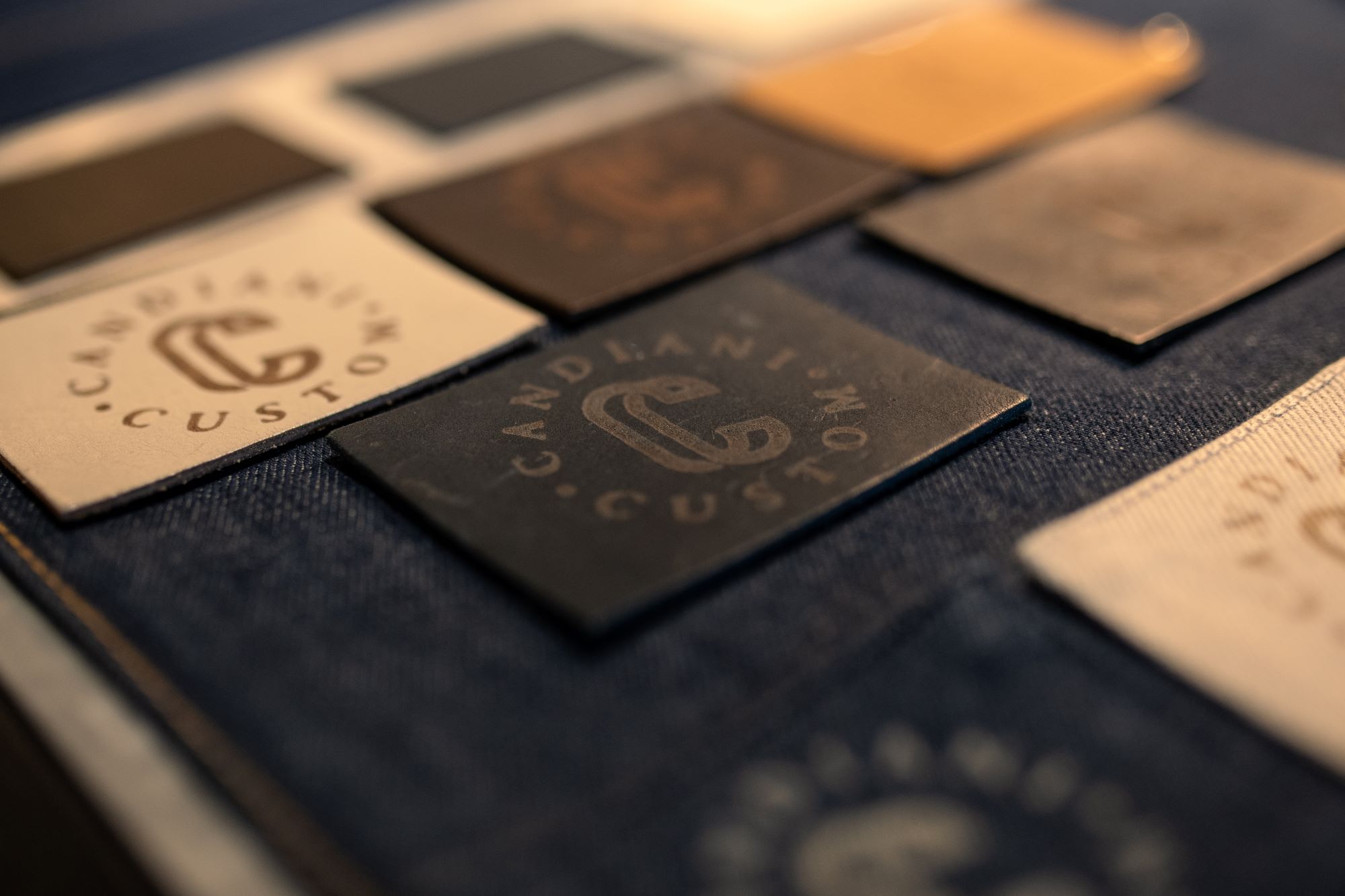
Another important feature of most jeans is the back patch. In the 1870s, Levi’s® started applying back patches to its jeans to indicate its patent. However, it became especially popular during the 1980s, with the rise of the premium denim industry, as consumers sought garments that showcased brands and designers. Traditionally, leather has been the material of choice for back patches, but today there are many alternatives available, including vegan options like Jacron, a durable, paper-based material.
How construction affects durability, comfort, and sustainability
The way jeans are made significantly influences their durability and comfort, starting with the choice of fabric. However, it’s also important to consider how the components used affect sustainability. With textile production and waste being major global concerns, evaluating materials that can be reused or recycled is essential when selecting low-impact jeans.
Stretch denim often contains plastic-based fibers, which can negatively impact the environment and are more difficult to recycle than 100% cotton fabrics. While cotton threads may be too weak for stitching heavy jeans, they can be made with recycled polyester and removed and recycled at the end of the jeans’ lifecycle.
When it comes to hardware, buttons are a better option than zippers because they can be easily removed and reused on new jeans. In contrast, zippers need to be thrown away. Additionally, buttons can be made from recycled materials such as metal. Back patches are another component that can be removed, further allowing the reuse of the jeans’ parts for as long as possible.