 Log into your account
 Register



Long before they became a global icon, the history of jeans began in medieval Europe. Between port cities, textile guilds, and the rise of early trade routes, fustian fabrics laid the foundation for what we now call denim. Journey with us to Genoa, Nîmes, Chieri, London, and San Francisco to rediscover the true origins of jeans and answer a simple yet complex question: why do we love jeans?
Back to the Middle Ages: how denim culture was born in Europe
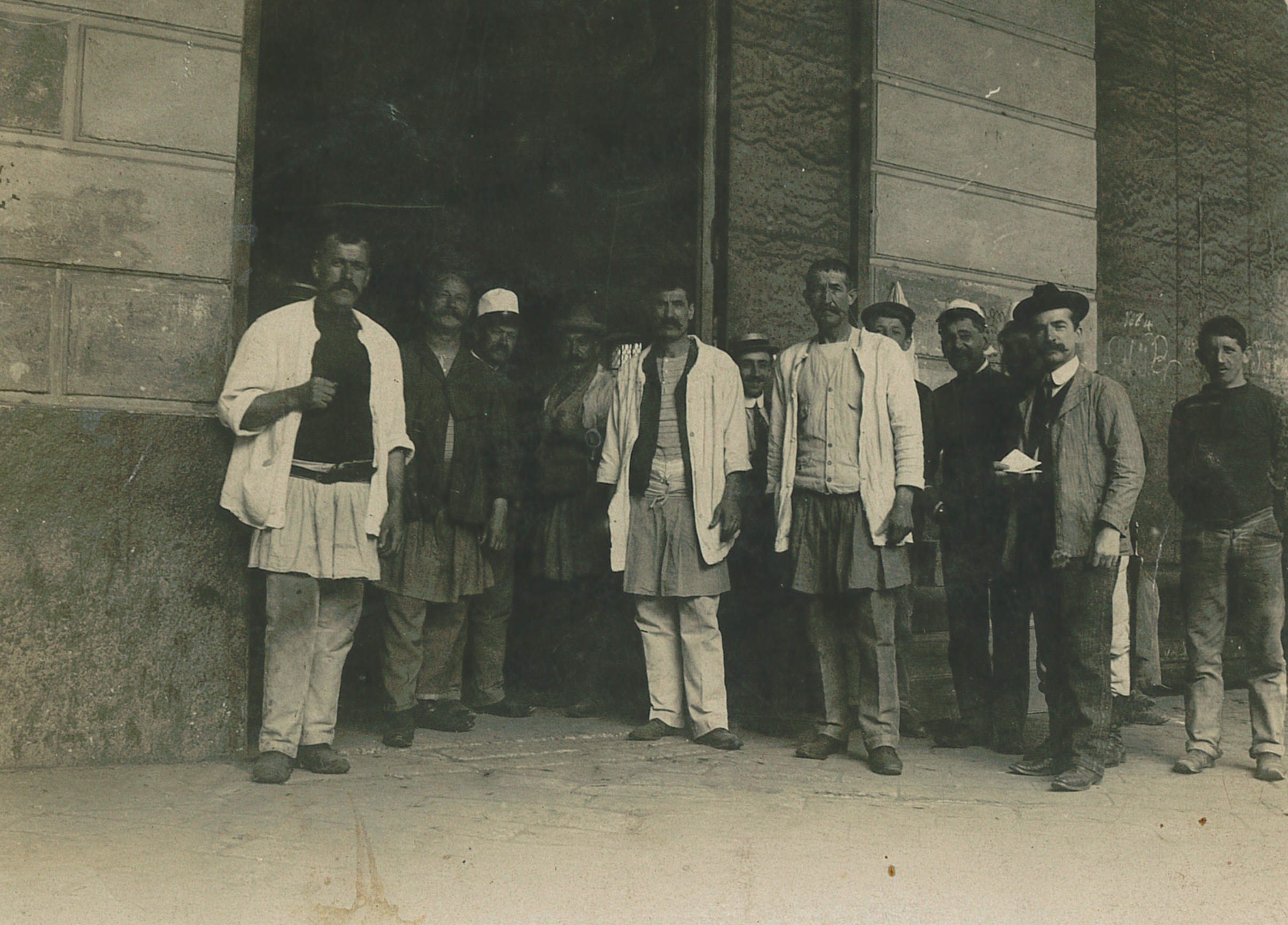
If you have been following us for a while, you probably know that modern jeans originated from the clothing worn by port workers in Genoa, made from a fabric called fustian. This durable and affordable fabric was popular in medieval Europe and was usually crafted from blends of wool, hemp, flax, and cotton, often dyed with woad, a local plant used to produce a blue dye. However, each city had its own rules for producing fustian, so it was often named after its place of origin.
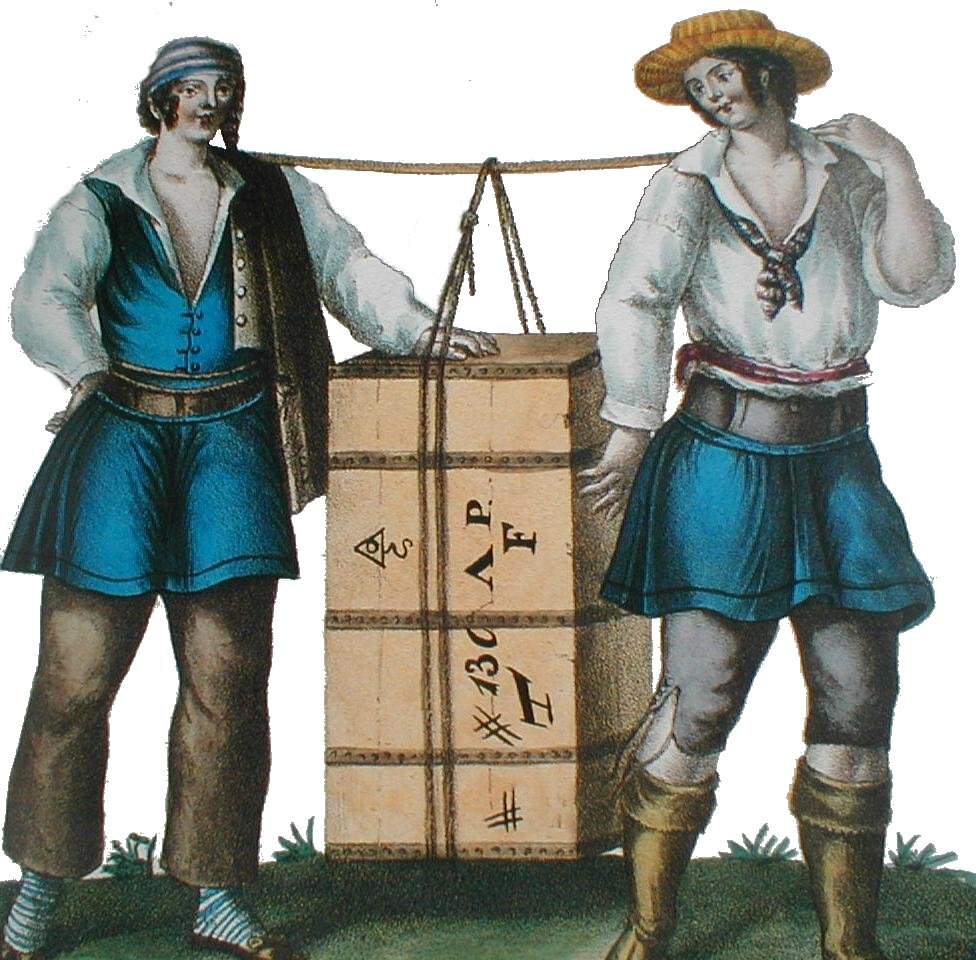
The true predecessors of modern jeans can be traced back to Genoa, where fustian, produced from the 16th century, featured an indigo-dyed warp instead of the more common woad-dyed weft and was made from cotton. Indigo was better suited for cotton than woad, and its dark color did a good job of concealing stains. These raw materials were readily sourced because Genoa was one of the busiest and most progressive ports in the world at the time. The port facilitated the import of goods from other continents, especially after Vasco da Gama discovered a new sea route to India in 1498. Sailors and port workers used Genoese fustian to cover shiploads, create sails, and eventually produce durable workwear.
Genoa’s importance as a port also enabled the widespread export of goods manufactured in the city throughout Europe. England played a key role in the fustian trade due to high demand for beautiful yet affordable fabrics, particularly between the 16th and 17th centuries. There was a strong preference for fustian produced in Genoa and Ulm. Although German fabrics were often finer than those from Genoa, the latter were more affordable and sufficiently durable for everyday use. While these characteristics were initially seen as signs of a decline in local manufacturing, they ultimately contributed to the long-term success of Genoese fustian.
Jeans vs denim
The Genoese fabric became so popular that terms like “jean” or “jeans,” which appeared in English inventories of the 16th century to describe its imports, began to refer to any fabric with similar qualities. “Blue jeans” is also believed to originate from “blue de Genes,” the French name for the Ligurian capital and the fabric’s characteristic color.
We know that now jeans are the finished garment, while the fabric they are made from is called denim, which also originates from a European city, Nîmes. It was famous for producing a twill fabric known as “Serge de Nîmes.” Originally, this fabric was dyed with woad and made from wool, later incorporating blends of cotton and hemp. In contrast to today’s denim, which has a 3x1 weave with blue-dyed yarn in the warp, this traditional fustian has a 2x1 weave with blue-dyed yarn in the weft.
However, another Italian city also claims to be the birthplace of denim: Chieri. A manuscript discovered in 1945 details the techniques and artistry of fustian manufacturing, which began in 1347 and shaped the city’s economy for centuries. In the 15th century, Chieri was the primary competitor to Nîmes in the production of blue fustian and likely sold it to Genoese dock workers before the fustian manufacturing industry developed in the port city itself.
The myth of cowboys and the Wild West
While jeans have their origins in European textile manufacturing, the United States has undeniably shaped denim’s lasting legacy. In the 19th century, fustian fabric made its way to the Americas from England and was bought by a German entrepreneur named Levi Strauss, who moved to San Francisco to sell workwear fabrics. Does that name ring a bell?
One of Strauss’s clients was Jacob Davis, a tailor born in Riga who lived in Reno. He received a request from the wife of a logger to create a pair of durable yet comfortable work pants for her husband. To reinforce the areas prone to wear and tear, Davis used copper rivets and double seams. His successful innovation quickly gained popularity among workers moving westward, prompting Davis to partner with Strauss to establish a production chain and protect his invention. On May 20, 1873, they registered their patent (number 139,121), marking the official birth of modern blue jeans—men’s work pants reinforced at the pockets and other stress points, originally called “overalls.”
Miners, farmers, cowboys, and other workers seeking fortune during California’s Gold Rush were the first to appreciate modern jeans as sturdy, practical gear for their daily work. The new pants featured a dense weave and twill construction designed to withstand harsh conditions, along with functional pockets and suspender buttons. Like traditional European fustian, they were also sold at a reasonable price.
From the frontier to the railroads and the army
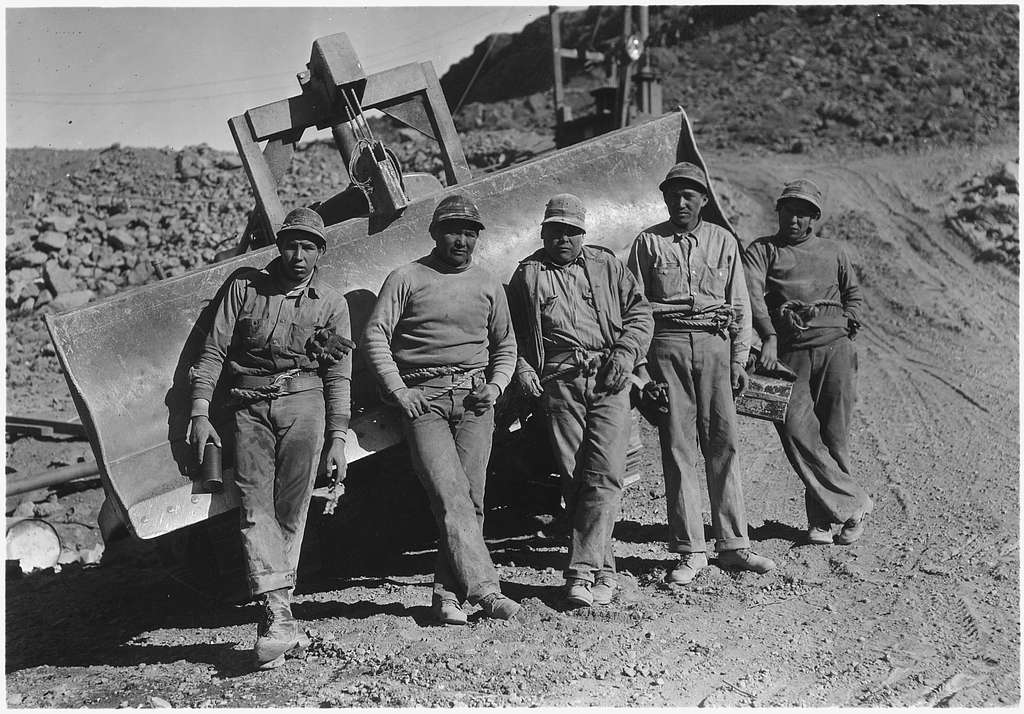
Jeans soon became a symbol of the American worker, associated with dignity, resilience, and a strong sense of identity. This status was further solidified when denim was adopted by two major U.S. institutions between the 19th and 20th centuries: the railroads and the military, both of which embodied discipline and progress.
First, denim was used as the standard uniform for railroad workers, including engineers, brakemen, and conductors. It proved ideal for the long hours spent in environments filled with coal dust and grease, as the fabric’s indigo color helped conceal stains, maintaining a consistent, professional appearance, as in the 16th-century port of Genoa.
Then, during World War I and World War II, the U.S. military issued denim workwear to soldiers, particularly mechanics, engineers, and Navy personnel. These denim garments were valued for their toughness and ease of production. By the 1940s, denim fatigues became standard issue for non-combat roles, designed to withstand rigorous tasks while providing comfort.
How jeans became a global fashion symbol
The global popularity of modern jeans can’t be attributed to a single reason; rather, it is the result of a series of events that transformed them from workwear into a fashion staple.
First, Hollywood played a significant role. In the 1930s, major movie stars such as Gary Cooper, Ginger Rogers, and Carole Lombard embraced jeans. In 1939, John Wayne wore Levi’s® 501® jeans in the film “Stagecoach,” and in 1953, Marlon Brando sported them with high cuffs in “The Wild One.” Marilyn Monroe was also known for wearing jeans both on and off movie sets.
Second, World War II contributed to the worldwide popularity of jeans. U.S. soldiers wore denim while serving in Europe and the Pacific, which helped it become a symbol of freedom and progress in the liberated countries. Additionally, after the war, surplus military clothing was either sold or repurposed and introduced into the broader apparel market, leading to widespread adoption in civilian fashion and post-war youth culture. At the same time, during the war, in the United States filled labor-intensive roles in factories, taking the places of men who were fighting overseas. They also adopted traditional denim workwear, which came to be associated with women’s empowerment. This shift is exemplified by the unforgettable image of Rosie the Riveter, representing this wave of feminism and a significant increase in women’s economic power.
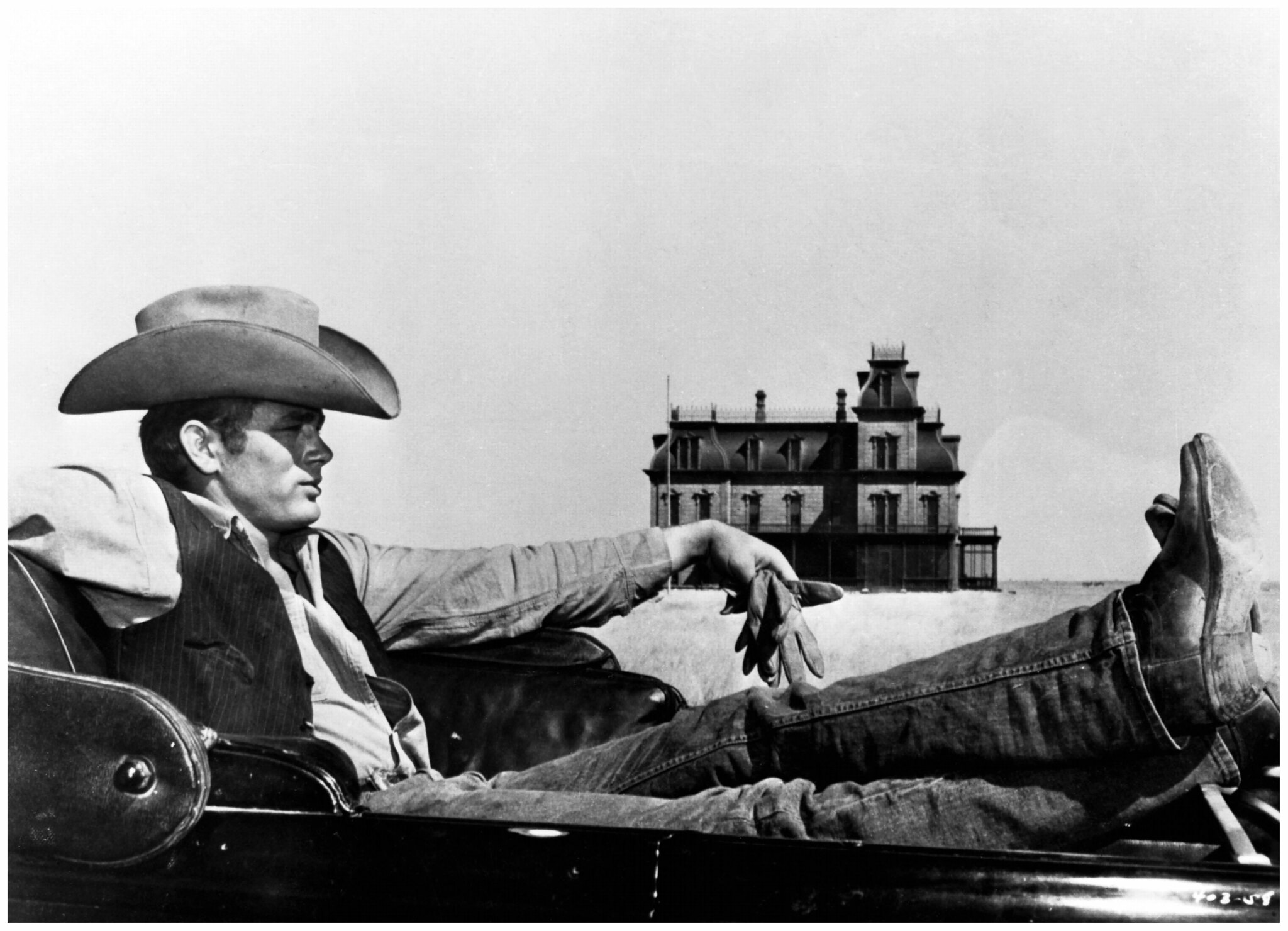
Finally, rebellion played a crucial role in the evolution of jeans. While the middle class relegated denim to workwear status, younger generations sought to distance themselves from the establishment through their clothing choices. James Dean, in “Rebel Without a Cause,” became an immortal symbol of this new wave of change. Influential music artists such as Elvis Presley, Bob Dylan, Jimi Hendrix, Janis Joplin, and The Rolling Stones also popularized denim. By the 1960s, jeans had become the staple garment for those attending the Woodstock festival in 1969, civil rights demonstrators, peace activists protesting the Vietnam War, and mods and rockers in Great Britain.
The final leap into the premium fashion industry
Denim has evolved significantly over the years, ultimately making its way to fashion shows. In 1976, Calvin Klein became the first designer to showcase jeans on a runway. Around the same time, the denim industry experienced a breakthrough with the introduction of stretch fabrics. These materials allowed for the creation of slimmer, more feminine jeans, which quickly became popular. This era marked the beginning of premium denim, when jeans transformed from basic clothing to luxury fashion staples thanks to emotional branding, a shift prominently championed by Adriano Goldschmied, often called the father of premium denim.
In Italy, Elio Fiorucci played a key role in bringing denim to high fashion by designing tight jeans made with this innovative stretch denim containing elastane, making them especially desirable among women. His success inspired other designers, such as Giorgio Armani, to include denim in their collections. Today, denim remains a fundamental element in the offerings of the most prestigious brands and designers worldwide, with no strict rules governing its use.
Despite its evolution, denim has never lost its democratic and versatile spirit. While it may be hard today to trace its origins tied to labor and sweat, its authentic essence remains. This is why, in 1999, The New York Times declared Levi’s® 501® jeans, the modern version of Davis and Strauss’s overall, to be “the garment of the 20th century.” No other piece of clothing has indeed defined generations, subcultures, and social classes as much as jeans, serving as a blank canvas for personal expression and embodying individual ideas and feelings.