 Log into your account
 Register

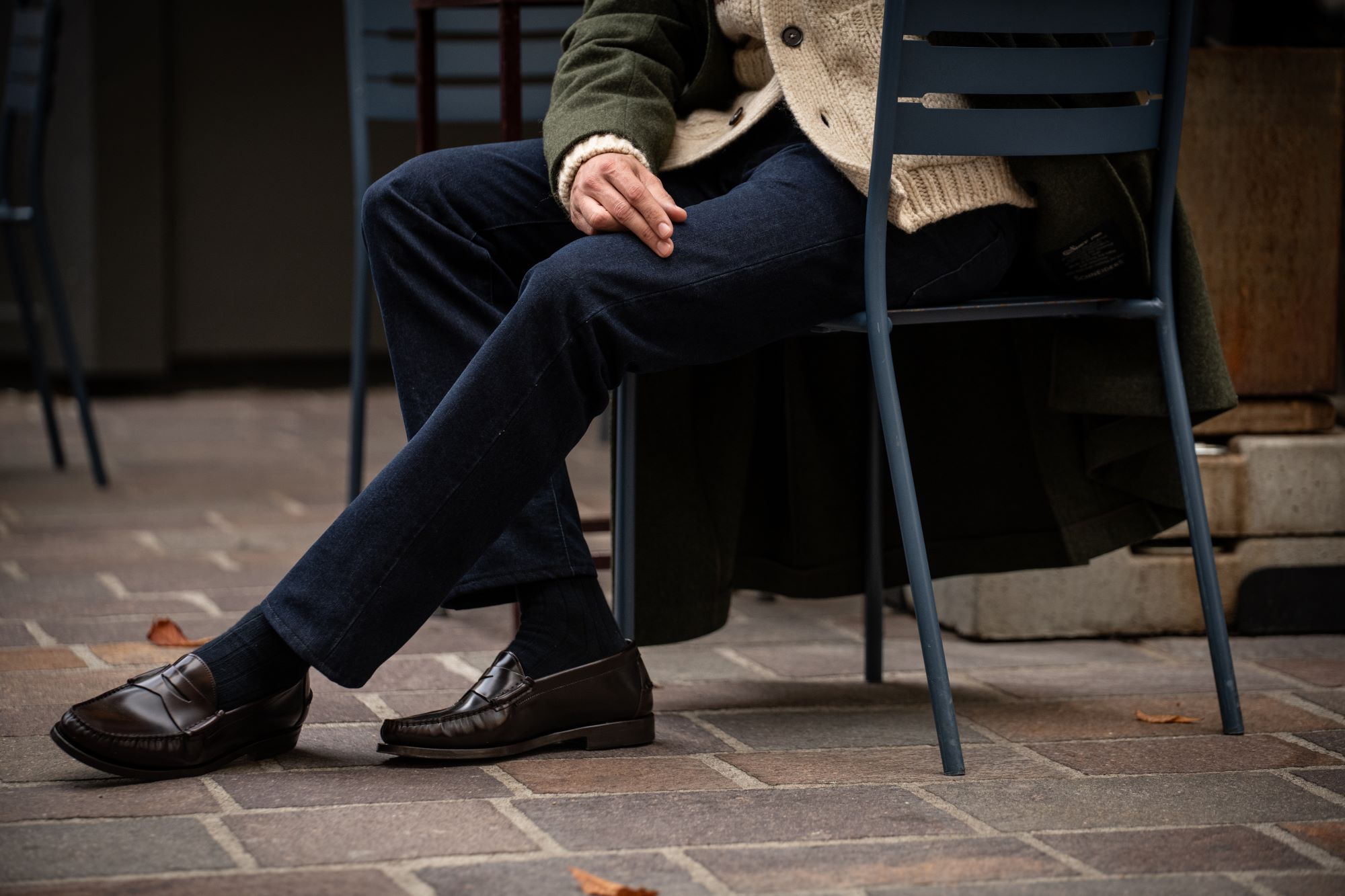


It might seem a bit repetitive to talk about why you should own a pair of indigo jeans, but we just can’t emphasize enough how much we appreciate this classic staple! It’s important to keep in mind, though, that not all indigo jeans are created equal. Opt for quality craftsmanship to ensure you have a timeless piece that you’ll love wearing for years to come!
The reason why denim is dyed with indigo
Cotton and indigo have been around for thousands of years in the textile industry, particularly in warm, dry regions. The Ancient Greeks and Romans were already familiar with these materials, but they really started to spread throughout Europe when Italian ports like Genoa and Venice became important trade hubs during the Late Middle Ages. Genoa, in particular, played a crucial role in the evolution of modern denim, as it was the place where cotton and indigo truly came together on the continent.
Cotton
From the 12th century on, the ports of Venice and Genoa became increasingly important for trade as the Western economy developed. At that time, Northern Italy thrived in the textile industry, particularly in wool, and was also becoming a key player in the cotton market, exporting fabrics across Europe. Cotton was gaining popularity because it required fewer steps to turn it into fabric than wool, which meant more cotton products could be made in less time. Fustian, known for its affordability and durability, was also popular in the Old Continent, especially the linen-warp/cotton-weft blend produced in Italy.
Venice served as the primary link between Europe and the East, focusing on importing high-quality Levant cotton for more refined urban textiles, while Genoa obtained lower-quality cotton from Turkey, Malta, and Sicily, which nonetheless proved useful for everyday textiles and the growing rural production. By the 15th century, new centers of cotton production were emerging in Lombardy, Piedmont, and Liguria. A century later, Genoese merchants began to organize cotton weaving directly in nearby rural areas.
Chieri emerged as one of the major textile centers, establishing its fustian-making techniques by 1347. By 1482, the city’s cotton guild received official recognition from the Duke of Savoy. Chieri gained fame for producing blue fustian dyed with a local plant known as woad. A significant portion of this fabric likely found its way to dock workers in Genoa for use in sails and ship coverings. By 1560, Chieri was producing about 100,000 bales of fustian annually, with around 6,000 to 7,000 bales exported through Genoa. In the 16th century, Genoa itself also started producing its own version of fustian.
Indigo
For centuries, woad was the go-to for producing blue dye in Europe, but indigo had a few advantages, especially for dyeing fabrics like cotton and flax. The problem was that importing indigo from India was quite costly due to the middlemen in the Middle East. Everything shifted in 1498 when Vasco da Gama discovered a new sea route to India, making indigo more accessible. Plus, European colonizers discovered that indigo plantations in the Americas could be improved, making indigo a very lucrative crop.
So, in the 16th century, Genoa found it easy to obtain indigo. This led them to use indigo to dye their fustian instead of woad. The rich, dark color was also great at hiding stains, making it popular among sailors and dock workers seeking sturdy workwear. Plus, the Genoese fabrics featured an indigo-dyed warp rather than the more common woad-dyed weft. These characteristics, combined with the use of cotton, positioned it as the forerunner to today’s denim.
Genoa became a hub for exporting goods across Europe, especially North of the Alps and to England and Spain, with some products even reaching the Atlantic. During the 16th and 17th centuries, the demand for beautiful yet durable and practical fabrics continued to grow. Genoese fustian gained a reputation for offering good quality at a reasonable price, making it ideal for everyday use. While some people argued that its affordability reflected a decline in local craftsmanship, these same qualities ultimately contributed to its long-term success, paving the way for the indigo-dyed denim we wear today. That’s why “blue jeans” comes from “blue de Gênes,” the fabric’s name in foreign countries, reflecting its iconic color and the city’s international name.
Indigo jeans never die
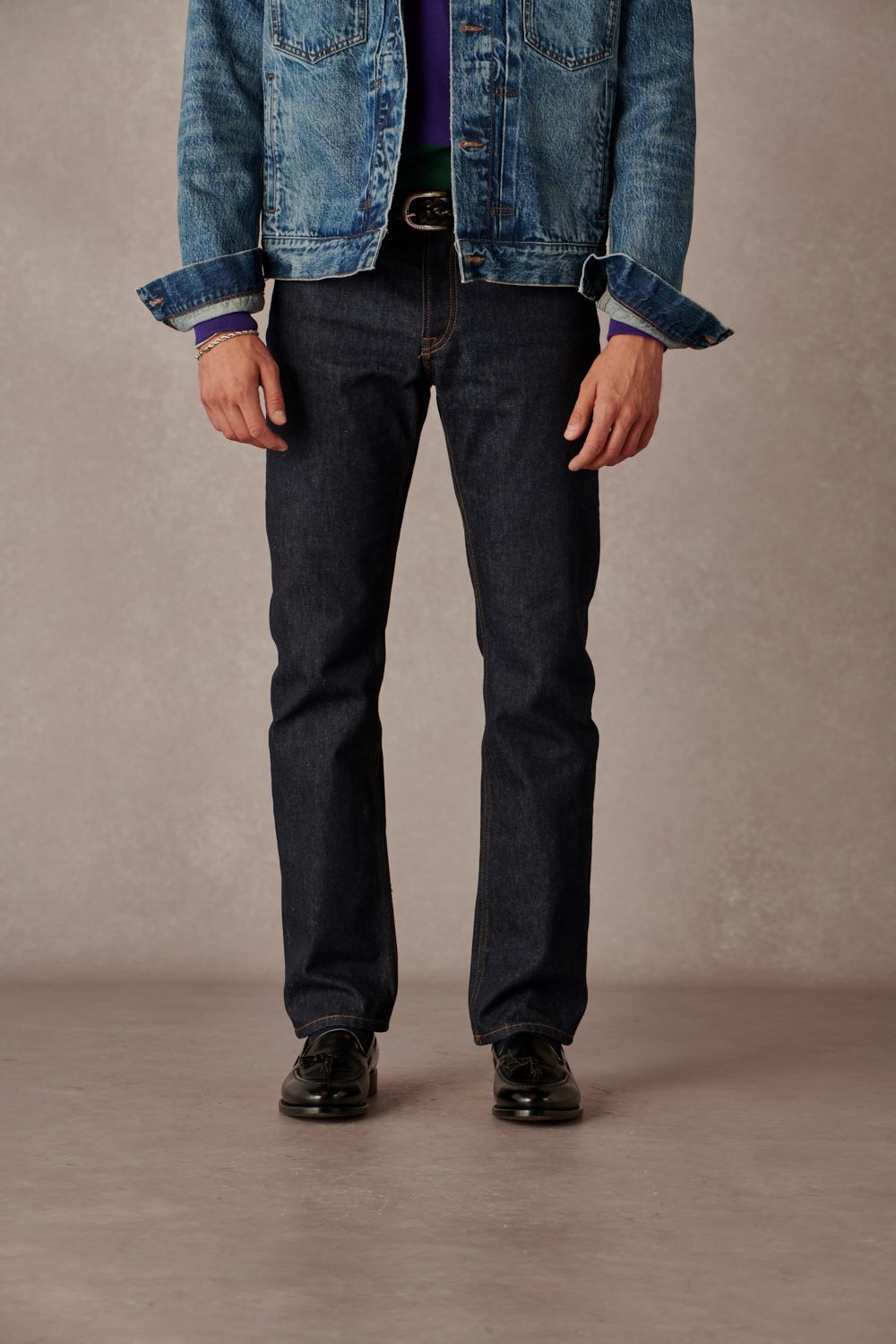
When it comes to indigo jeans, it’s hard to argue against their place in our wardrobes. They’re a staple for a reason, and recent stats from the 2024 Global Denim Survey by Cotton Incorporated show that nearly half of global consumers (48%) are wearing jeans more than ever. But while it might seem obvious that everyone needs a good pair, it’s crucial to choose high-quality denim.
Denim is tough—everyone knows that. However, if it’s not treated properly or sewn well, it can wear out faster than you’d like. One interesting fact about high-quality denim is that it can actually gain value over time, which is why the market for second-hand and vintage jeans is thriving. The fabric’s natural fading and the unique character it develops as you wear it, particularly with raw or dark denim, add to its charm. This makes investing in premium denim worthwhile; you’re not just buying a pair of jeans, but also something that could appreciate in value.
From an eco-friendly standpoint, high-quality jeans make sense too. They tend to last longer, which means you won’t find yourself replacing them as often. This helps reduce textile waste and lessens the overall environmental impact, from CO2 emissions to water and energy consumption. They can also be repaired, reused, resold, and recycled. Plus, opting for brands that adhere to responsible manufacturing practices ensures that workers are treated fairly, receive decent wages, and work in safe conditions. It’s a win-win.
Find out more about Candiani’s indigo jeans
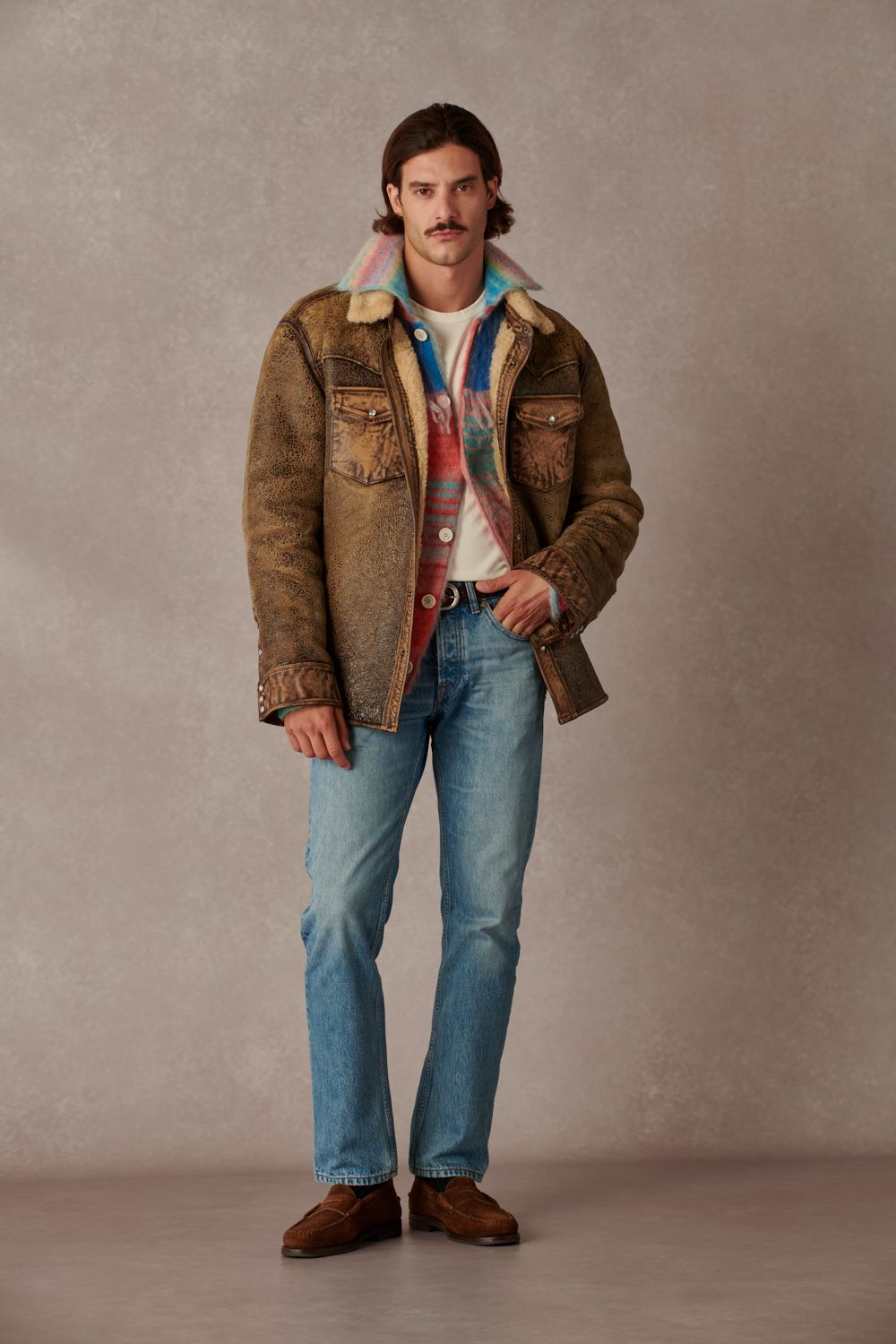
On our website, you’ll find our Primo Jean in various indigo shades. These jeans offer a regular fit that stays consistent from hip to ankle, ensuring you feel comfortable while looking polished.
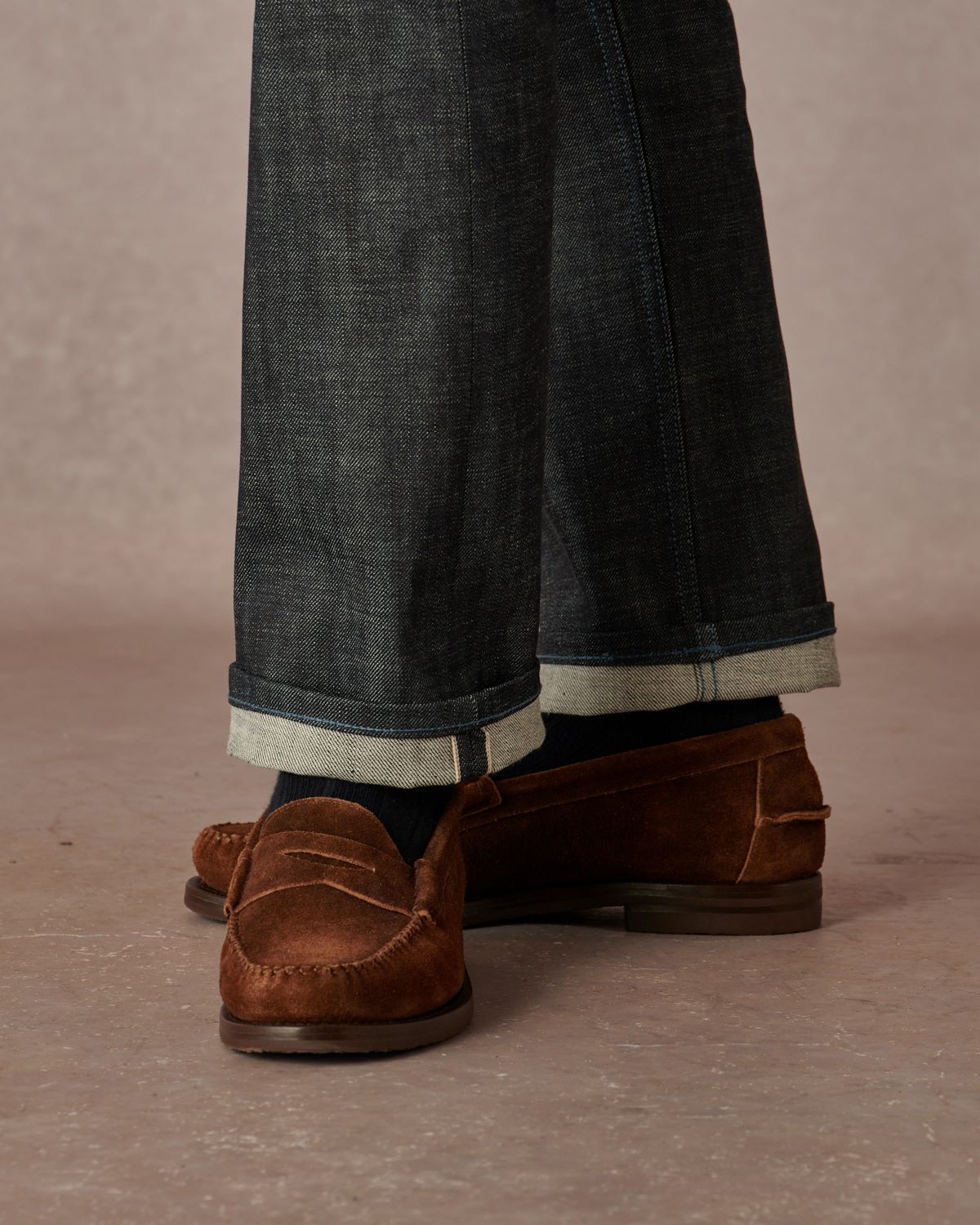
You can choose your preferred wash, whether you like a classic rinse or a more vintage vibe. Plus, you can personalize the accessories on your jeans or even get your initials embroidered. We also offer indigo selvedge denim that comes unwashed, showcasing its authentic white border and red stitching. This raw fabric allows its natural beauty to shine, and as you wear the selvedge jeans, they’ll develop a unique character through fading. To really show off the selvedge, we recommend rolling up the cuffs.
Selvedge denim is woven on traditional shuttle looms that were the norm until the 1960s. Nowadays, only a few mills continue this craft, and we’re proud to be one of them. Because of its rarity, selvedge denim is highly valued by those who appreciate the artistry that goes into its creation.