Cotton
Evolution

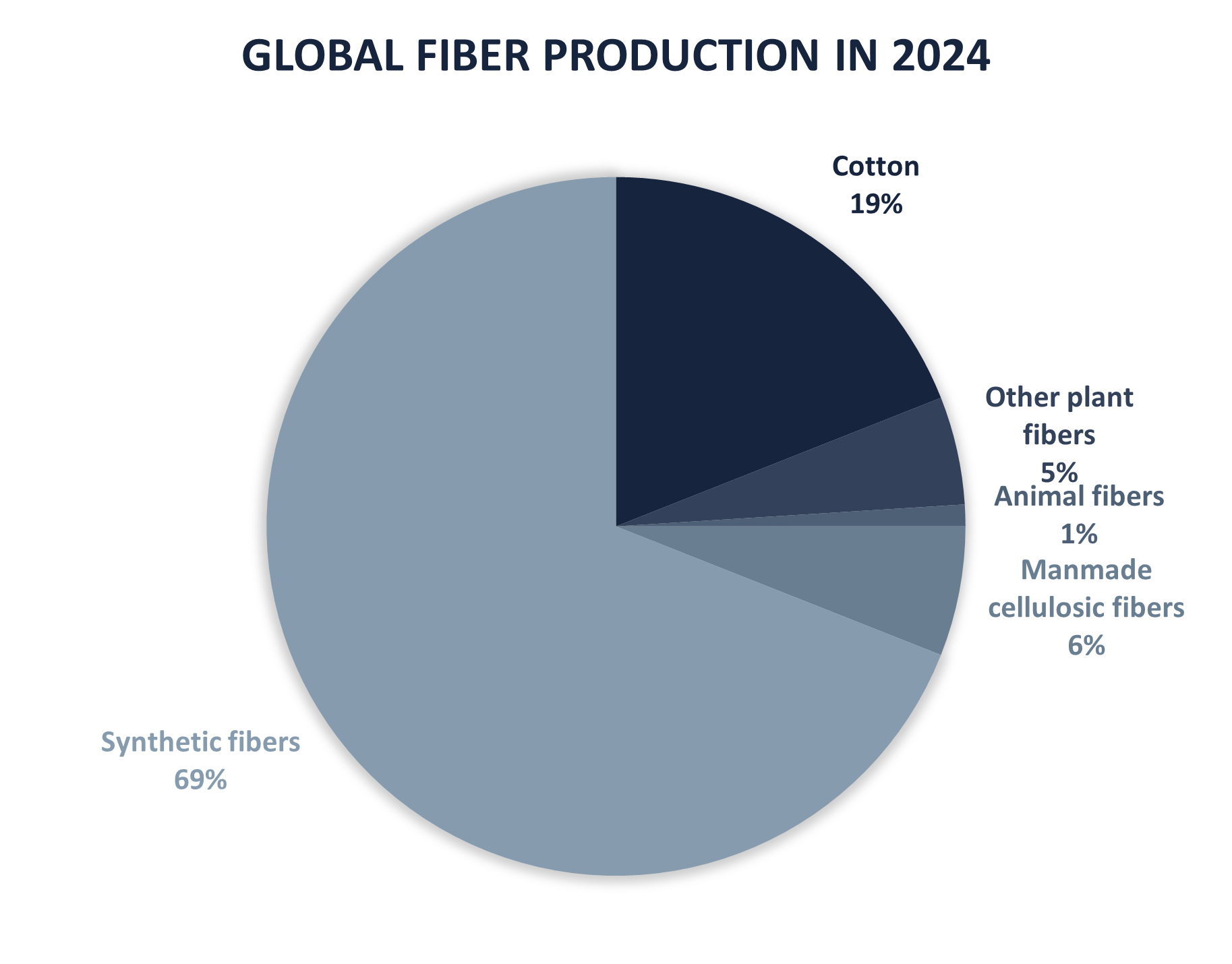
Cotton is the world’s most popular natural fiber

It is used in everything from cotton balls and dollar bills to bedsheets and your favorite pair of jeans. But, despite cotton's general popularity and ubiquity in our daily lives, there are also a lot of misconceptions and things you probably never knew about cotton.

The problem with industrial agriculture

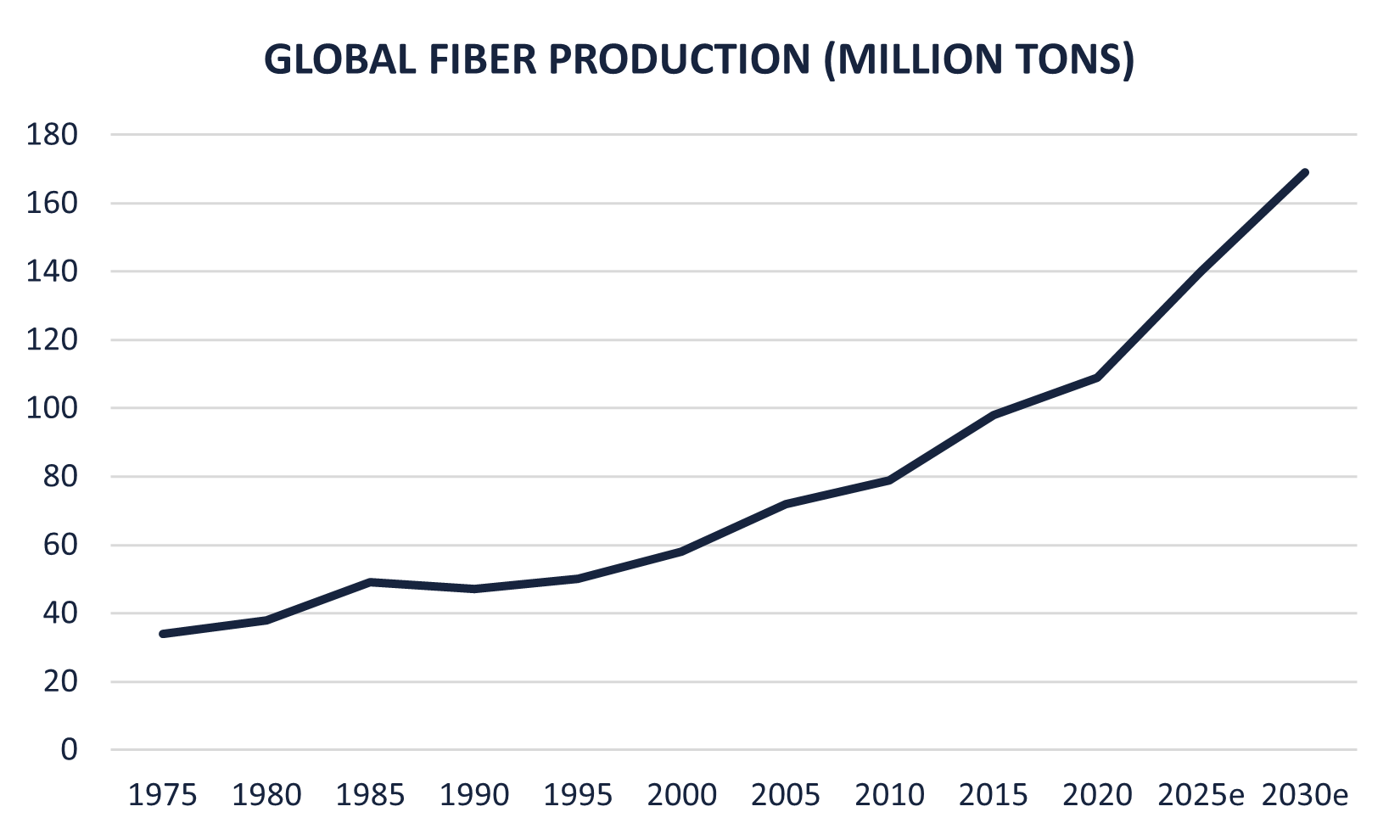
Increased demand for cotton meant that the world needed to also increase its supply.

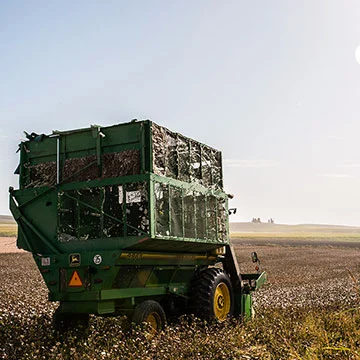
Largely begun in the 1950s, the expansion of conventional industrial farming methods meant farms could get bigger and bigger to increase productivity. Monocultures and mechanized equipment became standard to increase efficiency.

But these “new” ways of growing cotton (and crops in general) also led to the elimination of biodiversity, killing vitally important pollinators, and negatively impacting overall crop and soil health. More pesticides, insecticides, and herbicides were then needed to keep production at pace, making conventional agriculture one of the most polluting and destructive industries on the planet.
Discover more

The problem with industrial agriculture

Increased demand for cotton meant that the world needed to also increase its supply.

Largely begun in the 1950s, the expansion of conventional industrial farming methods meant farms could get bigger and bigger to increase productivity. Monocultures and mechanized equipment became standard to increase efficiency.

But these “new” ways of growing cotton (and crops in general) also led to the elimination of biodiversity, killing vitally important pollinators, and negatively impacting overall crop and soil health. More pesticides, insecticides, and herbicides were then needed to keep production at pace, making conventional agriculture one of the most polluting and destructive industries on the planet.
Discover more

The promise of organic

While the market for preferred cotton—defined by Textile Exchange as those with improved social and environmental impacts—remains the strongest compared to other preferred fiber types, making up 34% of the total market, organic cotton production lingers at around 2.9% of the global supply. Despite the many environmental and social benefits of organic cotton, the uptake among growers has been slow due to some very practical issues—difficulties around transition, issues with weeds, complex chain of custody requirements, and decreased yield and fiber quality.

The promise of organic
The current cotton landscape

The current cotton landscape

In 2024, about 66% of this cotton was cultivated using modern agriculture. Simply put, cotton’s impact continues to be massive. However, over recent years, the demand for organic cotton and other preferred fibers has grown in parallel with interest in sustainable fashion.

~34% of the cotton market is now comprised of preferred cotton alternatives to conventional cotton, such as regenerative, Better Cotton, organic, and organic in transition; whereas around 1% is recycled.

Discover more
Regenerative agriculture Regenerative agriculture

Regenerative agriculture

Despite the many environmental and social benefits of organic cotton, Candiani believes that regeneratively grown cotton will surpass organic cotton in overall adoption at the farmgate and in consumer demand.

There is growing evidence that regenerative farming practices can radically transform the land by reducing pollution, improving soil health, and safeguarding biodiversity. Regenerative agriculture is also viewed as more “farmer-friendly” because it reduces costs while producing healthier crops and increasing yields.

That’s why we are currently transitioning towards sourcing 100% regenerative cotton fibers and yarns, which we hope to complete in 2026. However, we’ll still keep a portion of organic cotton in our offering, and we’ll strive to further improve the use of recycled cotton.

Evidence shows some of the many benefits of Regenerative Agriculture are:

GREATLY IMPROVES SOIL HEALTH

Cover crops are often used in regenerative agriculture and can help protect and enrich soil content. Moreover, the elimination (or reduction) of tillage ensures that microorganisms making the soil healthy are not killed by mechanically agitating the land.

IMPROVES WATERSHEDS

Regenerative agriculture aims to improve water quality and availability. Regeneratively grown crops need less water and fewer fertilizers to be farmed. Healthy soils can retain more water and hence what it contains, reducing the number of harmful nutrients running off the land and polluting oceans, rivers, and lakes.

MAY HELP TO ADDRESS
CLIMATE CHANGE

Healthy soils can keep a higher amount of CO2 below the ground, becoming hence a possible solution to climate change, and improve hydrogen, carbon, and nutrient cycles.

INCREASES AND SAFEGUARDS
BIODIVERSITY

Regenerative agricultural practices preserve biodiversity both above and below the ground. The use of tillage and harmful substances killing living beings is reduced or eliminated, and diversity is added through methods such as cover crops, crop rotation, and planting pollinator habitats.

INCREASED YIELDS

Healthy soils mean healthy crops with increased yields. Regenerative agricultural practices build organic matter in the soil, helping retain water and nutrients. During drought periods, crops can survive longer thanks to improved soil moisture.

DECREASED COSTS

Reduced use of chemicals and other inputs means that farmers decrease their costs and benefit from increased financial profitability.

It is very important to ensure that regenerative agriculture does not become the next greenwashing gimmick. It is essential to account for factor such as: seed type, regional differences, while creating efficient certification processes and allowing farmers to participate in crafting regenerative standards. Most importantly we must support growers in the transition towards our regenerative future.

Discover more

Learn things you never knew about cotton

.

Misconceptions and key takeaways

Now that you know everything about cotton, it is time to summarize the main takeaways and reject some of the most common misconceptions about this beloved raw material. Have you ever heard that cotton is a thirsty crop and that it requires a high number of pesticides? This is not the truth and here we explain you why.

Discover more